


Nobody tells you that turning 60 comes with a quiet shift in your digestive system.
One day you are eating the same foods you have eaten for decades. The next, dinner is followed by bloating, a stretch of constipation, the occasional heartburn, or that uncomfortable sense that your gut is no longer working the way it used to.
You are not imagining it. And you are certainly not alone.
Digestion in older adults changes in ways that are real, measurable, and most importantly, addressable. This guide breaks down what is actually happening, what genuinely helps, and how to approach gut health after 60 in a way that is practical, not overwhelming.
What Changes After 60

The gut does not suddenly stop working. It gradually shifts, and several things change at once (NCBI).
Digestive enzyme production declines
Your body produces fewer enzymes that break food down efficiently. As a result, more undigested food reaches the lower gut, leading to fermentation, gas, and bloating. Research suggests digestive efficiency can decrease with age, contributing to these symptoms.
Gut motility slows
Food moves more slowly through the digestive tract. Sometimes too slowly. This is a well-documented contributor to constipation, heaviness, and post-meal discomfort in older adults.
The microbiome shifts
The diversity of beneficial bacteria begins to decline, particularly Lactobacillus and Bifidobacterium strains. Less favourable bacteria fill the gap. This imbalance, often referred to as age-related dysbiosis, has been linked to digestive issues, reduced immunity, and increased inflammation (NCBI).
Stomach acid becomes less predictable
Changes in acid regulation can make digestion less efficient and contribute to both reflux and reduced absorption of nutrients like vitamin B12 and iron.
The problem is not just ageing.
The problem is assuming these changes cannot be improved.
The Foundation: What Your Gut Actually Needs
Before looking at anything advanced, gut health still depends on a few fundamentals.
Fibre (and enough of it)

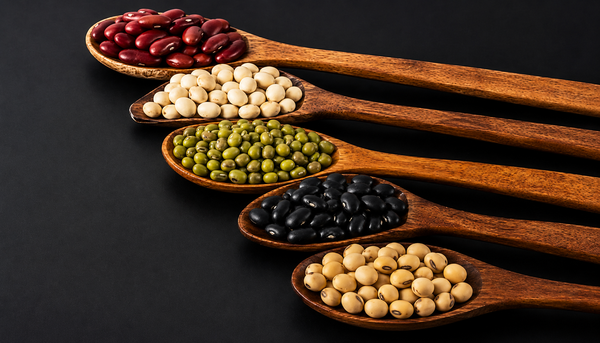
Most seniors consume far less than the recommended 25 to 30 grams per day. Soluble fibre (oats, lentils, apples) helps feed beneficial bacteria, while insoluble fibre (vegetables, whole grains) supports regular movement. Increasing intake gradually is key.
Hydration

Water intake tends to decline with age, and dehydration is one of the most direct contributors to constipation. Even simple habits like starting the day with warm fluids can help stimulate digestion.
Fermented foods

Foods like kefir, yoghurt with live cultures, idli, and dosa help reintroduce beneficial bacteria into the gut. Research shows fermented foods can positively influence gut microbiota diversity and metabolic health.
Movement

Daily walking, even for 20–30 minutes, has a measurable impact on gut motility. The digestive system responds directly to physical activity.
These are not optional. They are the baseline.
When Food and Lifestyle Are Not Enough
Here is the honest reality of gut health after 60.
Diet and lifestyle build the foundation but they do not always solve everything.
Reduced enzyme output means digestion is less efficient regardless of how well you eat. A depleted microbiome does not rebuild quickly from food alone. And persistent symptoms like bloating, reflux, or constipation usually have specific underlying mechanisms.
In ageing populations, dietary changes alone may not fully restore gut balance or digestive efficiency, especially when symptoms are chronic.
Most digestive issues after 60 do not come from one cause.
They come from multiple small breakdowns happening at once.
Which is why targeted support works best when it is specific, not general.
Targeted Support: A Smarter Approach
Wellbeing Nutrition’s senior digestive range is built around this idea — addressing distinct digestive concerns with focused, gentle support.
Gut Balance — microbiome restoration and gut lining support
This is the foundation. Gut Balance delivers 6 billion CFU of well-researched probiotic strains, including Lactobacillus rhamnosus GG and multiple Bifidobacterium species, using Microbac® technology to ensure survival through stomach acid (NCBI).
It is paired with:
-
Inulin prebiotics to nourish beneficial bacteria
-
Actazin® kiwifruit enzymes to support digestion
-
L-Glutamine to help maintain gut lining integrity
Together, this supports rebuilding the gut environment from within.
Bloat Calm — for gas, bloating, and heaviness
Bloating is often the result of poor digestion and microbial imbalance.
Bloat Calm addresses this through:
-
Livaux® gold kiwifruit extract for gut balance and regularity
-
A 5-enzyme complex (amylase, protease, lactase, lipase, cellulase) to improve food breakdown
-
Fennel, caraway, peppermint, and asafoetida to ease discomfort
The result is smoother digestion with less fermentation and pressure.
Acidity Calm — for reflux and heartburn
Acidity Calm takes a different approach from traditional acid suppression.
At its core is GutGard®, a clinically studied licorice root extract (Glycyrrhiza glabra) that supports the stomach’s protective lining.
It is combined with:
-
Peppermint and ginger for digestive comfort
-
Aloe vera to soothe the gut lining
-
Kelp-derived alginates to create a physical barrier against reflux
-
Calcium carbonate for managing excess acidity
Instead of simply reducing acid, it supports how the gut handles it.
Consti Calm — for gentle, non-habit forming relief
Constipation is one of the most common digestive concerns after 60.
Consti Calm uses:
-
Actazin® kiwifruit extract (actinidin enzyme) for natural bowel regularity
-
Prebiotics (Inulin, FOS) to support gut bacteria
-
Traditional herbs like mulethi, ajwain, and amla for digestive comfort
Importantly, it is stimulant-free and non-habit forming, supporting natural gut rhythm rather than overriding it.
Where This All Fits In
Improving gut health after 60 is not one action. It is a layered approach.
-
Diet builds the foundation
-
Movement supports function
-
Fermented foods improve microbial diversity
-
Hydration prevents basic disruptions
-
Targeted support addresses specific gaps
The gut does not need aggressive intervention.
It needs consistent, intelligent support.
What This Means for You
Gut health after 60 is not about managing decline.
It is about adapting to change.
The digestive system is still responsive. Still capable of improvement. Still worth investing in.
Better digestion. Less discomfort. More predictable energy.
These are not unrealistic goals.
They are the outcome of understanding what has changed—and responding to it properly.
Because ageing is inevitable.
But poor digestion does not have to be.
FAQs
1. Why does digestion get worse after 60?
As you age, your body produces fewer digestive enzymes, gut motility slows down, and the balance of gut bacteria changes. These shifts can lead to common issues like bloating, constipation, and reduced nutrient absorption.
2. Is it normal to feel bloated more often as you get older?
Yes. Slower digestion and changes in gut bacteria can increase fermentation in the gut, which leads to gas and bloating—especially after meals.
3. How much fibre should seniors consume daily?
Most adults over 60 should aim for 25–30 grams of fibre per day, combining both soluble (oats, fruits) and insoluble fibre (vegetables, whole grains). Increase intake gradually to avoid discomfort.
4. What foods are best for improving gut health after 60?
Focus on:
-
Fibre-rich foods (lentils, vegetables, fruits)
-
Fermented foods (curd, kefir, idli, dosa)
-
Whole grains
-
Adequate water
These support digestion and help maintain a healthier gut microbiome.
5. Are probiotics necessary after 60?
Not always necessary—but often helpful.
With age-related decline in beneficial bacteria, targeted probiotics can support microbiome balance, especially if you experience bloating, irregularity, or frequent digestive discomfort.
6. Why is constipation more common in older adults?
Constipation becomes more common due to:
-
Slower gut motility
-
Lower fibre intake
-
Reduced physical activity
-
Dehydration
Addressing these factors usually improves regularity.
7. Can digestive enzymes help after 60?
Yes. Since natural enzyme production may decline with age, digestive enzymes can help break down food more efficiently and reduce symptoms like heaviness and bloating.
8. How can I improve gut health naturally without supplements?
Start with the basics:
-
Increase fibre intake gradually
-
Stay well hydrated
-
Include fermented foods
-
Walk daily (20–30 minutes)
These habits alone can significantly improve digestion.
9. When should I consider targeted digestive support?
If symptoms like bloating, acidity, or constipation are frequent or persistent despite diet and lifestyle changes, targeted support (like probiotics, enzymes, or gut-soothing ingredients) may be beneficial.
10. Can gut health affect overall health after 60?
Yes. Gut health is closely linked to:
-
Immunity
-
Nutrient absorption
-
Energy levels
-
Inflammation
A healthier gut supports better overall well-being as you age.

Recommended Products
 Acidity Calm | Acid Reflux & Heartburn Relief | For Seniors | 15 Sachets
₹649 – ₹2,596
Acidity Calm | Acid Reflux & Heartburn Relief | For Seniors | 15 Sachets
₹649 – ₹2,596
 Consti Calm | Constipation Relief & Digestive Comfort | For Seniors | 20 Sachets
₹949 – ₹3,796
Consti Calm | Constipation Relief & Digestive Comfort | For Seniors | 20 Sachets
₹949 – ₹3,796
 Daily Greens
₹472
Daily Greens
₹472
 Daily Probiotic Slow
₹1,119 – ₹2,238
Daily Probiotic Slow
₹1,119 – ₹2,238
 Gut Balance | Leaky Gut & Microbial Balance | For Seniors | 15 Sachets
₹749 – ₹2,996
Gut Balance | Leaky Gut & Microbial Balance | For Seniors | 15 Sachets
₹749 – ₹2,996
 Bloat Calm | Bloating & Gas Relief | For Seniors | 15 Sachets
₹649 – ₹2,596
Bloat Calm | Bloating & Gas Relief | For Seniors | 15 Sachets
₹649 – ₹2,596
 Daily Fiber | Pina Colada Flavour
₹719 – ₹1,438
Daily Fiber | Pina Colada Flavour
₹719 – ₹1,438
 Daily Fiber | Vanilla Berry Flavour
₹719 – ₹1,438
Daily Fiber | Vanilla Berry Flavour
₹719 – ₹1,438











Leave a comment