


If you've ever wondered whether to take your fiber supplements before chai or after dinner, you're not alone. Most of us were told to "eat more fibre", but nobody told us when. And as it turns out, timing matters more than you'd think.
In 2026, one concept is dominating gut health conversations globally, and it's finally catching on in India too: fiber frontloading. Think of it as front-loading your plate (and your day) with fibre before anything else happens. The science behind it is genuinely exciting, and by the end of this post, you'll have a clear, practical plan for your fiber intake timing: whether you're a paratha loyalist, a smoothie person, or somewhere in between.
Let's dig in.
What is Dietary Fibre, Really?

Before we talk timing, a quick refresher, because "fibre" is one of those words we nod at without fully understanding.
Dietary fibre is the indigestible part of plant foods. Your body cannot break it down for energy, but your gut bacteria absolutely love it. There are two main types:
-
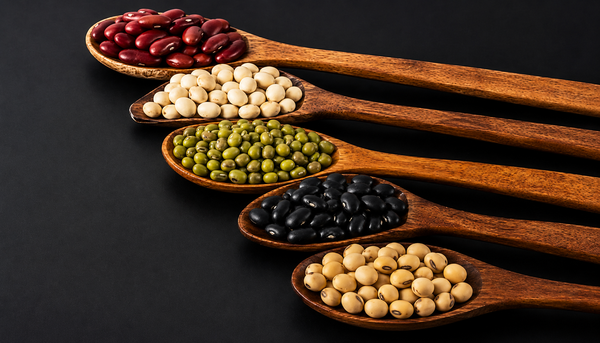
Soluble fibre: dissolves in water and forms a gel-like substance. Found in oats, apples, lentils, and barley. This type slows digestion, helps reduce blood sugar spikes, and lowers LDL cholesterol.
-
Insoluble fibre: doesn't dissolve, adds bulk to stool, and keeps things moving. Found in whole wheat, vegetables, and the outer skin of most fruits.
Both are essential. Both behave very differently in your body, which is exactly why when you eat them changes what they do.
The Big Question: Should You Eat Fibre in the Morning or at Night?

The honest answer? Morning wins, and the research increasingly supports this.
Here's why.
Your digestive system is most active and responsive in the first half of the day. Your liver produces more bile in the morning, which works alongside soluble fibre to trap and eliminate cholesterol. Your gut motility, the muscular movement that pushes food through your intestines, is also higher in the morning, primed by something called the gastrocolic reflex (that urge you feel to use the bathroom after breakfast? That's it).
When you consume fibre early in the day:
-
It slows gastric emptying: meaning food moves more slowly from your stomach to your intestine. This keeps you full longer.
-
It creates a buffer for blood sugar: soluble fibre forms a viscous gel that physically slows the absorption of glucose. So your post-breakfast blood sugar rise is gentler.
-
It feeds your microbiome at its most active: your gut bacteria are metabolically busiest in the morning, and giving them prebiotic fibre early means more short-chain fatty acid (SCFA) production throughout the day. SCFAs like butyrate are protective for the gut lining and have anti-inflammatory effects.
Eating fibre at night isn't bad, but its effects are blunted. Your digestive activity slows as you approach sleep, and fermentation of fibre during the night can sometimes cause bloating or gas, especially if you're not used to a high-fibre diet.
What Is the Fiber Frontloading Diet?
Fiber frontloading is exactly what it sounds like, intentionally placing your highest-fibre foods or dietary fiber supplements at the beginning of your meals, and prioritising fibre intake in the first half of your day.
The concept gained serious traction after a 2023 study published in Cell Host & Microbe showed that people who consumed most of their daily fibre before noon had significantly better blood sugar regulation, more diverse gut microbiomes, and lower post-meal glucose spikes compared to those who spread fibre evenly or ate it predominantly at dinner. [NIH]
In 2024 and 2025, this snowballed into what nutritionists started calling the "fibre first" protocol, and by 2026, it's become one of the most searched daily fiber strategies globally. [NIH]
The core principles of fiber frontloading:
-
Eat fibre before (or at the start of) every meal: not as an afterthought
-
Prioritise your fibre dose in the morning: aim for at least 50% of your daily fibre target before 1 PM
-
Use a plant-based prebiotic fiber supplement if whole food sources are insufficient, especially relevant for urban Indians whose diets have shifted toward refined carbs
-
Pair fibre with water: fibre without adequate hydration can cause constipation, not prevent it
Why Fiber Before Meals (Not After) Is the Gamechanger

This is where the science gets especially compelling for the Indian context.
India has one of the highest rates of Type 2 diabetes and prediabetes in the world. A significant driver is postprandial (after-meal) blood sugar spikes, and our traditional diet, while rich in vegetables and legumes at its best, has also become increasingly high in refined white rice, maida-based breads, and sugary chai.
Multiple clinical trials have now confirmed that consuming soluble fibre before a carbohydrate-heavy meal dramatically reduces blood sugar spikes compared to consuming fibre after or with the meal.
A Stanford study found that eating a salad or fibre-rich starter before a rice or bread meal reduced peak glucose response by up to 28% compared to eating the same meal without the fibre pre-load. [NIH]
Why? Because that gel-like substance that soluble fibre creates in your stomach physically coats your intestinal lining, slowing the absorption of glucose that follows. It's essentially a natural speed bump for sugar.
Practical implication: Before your dal-chawal lunch, eat a bowl of sabzi or a kachumber salad. Before your roti-subzi dinner, have a small portion of sprouts or a glass of soluble fibre supplement mixed in water. This single habit, consistently applied, can transform metabolic health.
Frontloading Fiber Benefits: The Full Picture
Beyond blood sugar, frontloading fiber offers a cascade of benefits:
1. Appetite control that actually works Fibre activates the release of satiety hormones, GLP-1 and PYY, which signal fullness to your brain. When you consume fibre early in the day, these hormones stay elevated longer, reducing overall caloric intake by 10–15% in multiple studies. It's one of the most evidence-backed natural appetite suppressants available.
2. Lower LDL cholesterol Soluble fibre binds to bile acids in the gut (bile acids are made from cholesterol), causing your liver to pull more cholesterol from the bloodstream to make new bile. Morning consumption maximises this because bile secretion peaks during the active digestive phase.
3. Microbiome diversity A diverse gut microbiome is associated with lower inflammation, better immunity, improved mood (through the gut-brain axis), and even better skin. Plant-based prebiotic fiber supplements containing ingredients like inulin, FOS (fructooligosaccharides), or acacia fibre are particularly effective at feeding a wide variety of beneficial bacterial strains.
4. Consistent bowel movement Frontloading fibre, especially insoluble fibre, triggers healthy gut motility during the day rather than at night, meaning your digestion is efficient and you're not dealing with midnight discomfort.
5. Reduced inflammation markers SCFAs produced from bacterial fermentation of prebiotic fibre, particularly butyrate, reduce levels of CRP (C-reactive protein), a key inflammation marker linked to heart disease, joint pain, and metabolic syndrome.
How Much Fibre Do You Actually Need?
The Indian Council of Medical Research (ICMR) recommends 40g of dietary fibre per day for adults, significantly higher than the WHO's general guideline of 25–30g. Most urban Indians consume less than 15g daily.
A practical daily breakdown using the frontloading approach:
|
Time of Day |
Source |
Approx. Fibre |
|
Morning (with or before breakfast) |
Psyllium in water, oats, or a plant-based prebiotic fiber supplement |
8–12g |
|
Mid-morning snack |
Fruit with skin (apple, pear, guava) |
4–5g |
|
Before lunch |
Kachumber salad, sprouts, or raw vegetable |
5–6g |
|
Lunch |
Dal, rajma, or lentils with vegetables |
8–10g |
|
Evening |
Roasted chana, nuts |
3–4g |
|
Dinner |
Cooked vegetables, whole grain roti |
5–7g |
This gets you to 33–44g, right in the target range.

Choosing the Right Fiber Supplement
Whole foods are always preferable, but dietary fiber supplements are genuinely useful when your diet falls short, you're travelling, or you need a precise, consistent daily fibre dose.
When choosing a supplement, look for:
-
Plant-based and prebiotic: not just "fibre" but specifically prebiotic fibre that feeds beneficial bacteria (look for psyllium, inulin, acacia, or FOS on the label)
-
Low or no added sugar: many fibre drinks in the Indian market are loaded with sweeteners
-
Mixed soluble and insoluble sources: for complete benefit
-
Third-party tested: especially important given supplement regulation gaps in India
The Bottom Line
The best time to eat fibre is simple: start of the day, and before every meal. Frontloading your fibre doesn't require overhauling your entire diet, it's about sequencing what you already eat more strategically.
Eat your salad first. Have your dal before your rice. Take your prebiotics 20 minutes before breakfast. Small shifts. Measurable results.
Your gut bacteria are ready. Your blood sugar will thank you. Your 2026 self-will too.
Key Takeaways
-
Timing your fibre is as important as eating it. Most people focus on how much fibre they eat. The new science says when you eat it changes everything, from blood sugar to gut bacteria to how full you feel.
-
Morning is your fibre window. Your gut is most active, your bile secretion is highest, and your microbiome is primed to ferment prebiotic fibre in the first half of the day. Front-load your fibre before noon for maximum metabolic benefit.
-
Eat fibre before your meal, not after. Fibre consumed before a carb-heavy meal creates a gel barrier in your gut that physically slows sugar absorption. The same fibre eaten after the meal cannot do this. Sequence is strategy.
-
Frontloading fibre does more than manage blood sugar. Done consistently, it lowers LDL cholesterol, feeds your gut microbiome, triggers satiety hormones earlier, and reduces inflammation markers, a cascade of benefits from one simple habit shift.
-
Most urban Indians are running a serious fibre deficit. The ICMR recommends 40g of fibre daily. Most of us get less than 15g. That gap is directly linked to the rise in diabetes, poor gut health, and metabolic issues across Indian cities.
-
You do not need to overhaul your diet, just reorder it. Eat your sabzi before your rice. Have a small bowl of sprouts before lunch. Have a daily dose of your prebiotic fiber supplement before breakfast. Small, sequential changes to what you already eat are enough to move the needle significantly.
FAQs
Q1. What is the best time to eat fibre for maximum benefit?
The best time to eat fibre is in the morning and before meals. Consuming fibre early in the day aligns with your gut's peak activity, supports better blood sugar regulation throughout the day, and helps sustain satiety. Aim to get at least 50% of your daily fiber intake before 1 PM for optimal results.
Q2. What is the fiber frontloading diet, and is it backed by science?
The fiber frontloading diet is a nutritional strategy where you intentionally consume most of your daily fibre at the beginning of the day and before meals, rather than spread evenly or loaded at dinner. Yes, it's science-backed. Research published in Cell Host & Microbe (2023) showed that people who frontloaded fibre had better blood sugar control, more diverse gut microbiomes, and lower postprandial glucose spikes compared to those who ate the same total fibre but distributed it differently.
Q3. Does fiber reduce blood sugar spikes after eating?
Yes, significantly. Soluble fibre, found inoats, and lentils, forms a gel in the stomach that slows glucose absorption into the bloodstream. Studies show that consuming 5–10g of soluble fibre before a carbohydrate-heavy meal can reduce peak post-meal blood sugar by 20–28%. This is particularly relevant for Indians, given the high prevalence of prediabetes and Type 2 diabetes.
Q4. Should you eat fiber in the morning or at night?
Morning is strongly preferred. Your digestive system is more active, bile secretion is higher, and your gut microbiome is metabolically primed in the first half of the day. Eating fibre at night isn't harmful, but its benefits, especially for blood sugar and cholesterol, are less pronounced. Nighttime fibre can also cause bloating for some people as fermentation occurs during lower-motility sleep hours.
Q5. Why eat fiber before meals specifically?
Eating fibre before meals creates a physical gel layer in the stomach and upper intestine that slows the absorption of carbohydrates and fats from the meal that follows. This directly reduces blood sugar spikes, lowers LDL cholesterol absorption, and triggers early release of satiety hormones (GLP-1 and PYY), so you eat less during the meal itself. The sequence matters, fibre after a meal cannot create this protective buffer as effectively.
Q6. What are the frontloading fiber benefits beyond blood sugar?
Frontloading fibre benefits include: sustained appetite control (reducing overall daily calorie intake), improved LDL cholesterol levels through bile acid binding, enhanced gut microbiome diversity through prebiotic feeding, more regular bowel movements during daytime hours, and reduced systemic inflammation through increased production of butyrate and other short-chain fatty acids. These benefits compound over time with consistent practice.
Q7. What is a plant-based prebiotic fiber supplement, and do I need one?
A plant-based prebiotic fiber supplement is a concentrated fibre product derived from plants, such as acacia fibre, inulin, or chicory root, that specifically feeds beneficial gut bacteria (probiotics). You may benefit from one if your whole-food fibre intake consistently falls short of 25–40g/day, which is the case for most urban Indians. Look for supplements without added sugar, with at least 5g of fibre per serving, and ideally a blend of soluble and insoluble sources.
Q8. How does fiber intake timing affect gut microbiome health?
Your gut bacteria are most metabolically active in the morning. Feeding them prebiotic fibre during this window results in higher production of short-chain fatty acids, particularly butyrate, propionate, and acetate, which have anti-inflammatory effects, protect the gut lining, support immune function, and even influence brain chemistry through the gut-brain axis. Timing your fiber intake to coincide with peak microbiome activity amplifies these benefits compared to eating the same fibre later in the day.
Q9. Can I take fiber supplements instead of eating whole fruits and vegetables?
Supplements can help bridge the gap but shouldn't fully replace whole foods. Whole fruits and vegetables contain polyphenols, vitamins, minerals, and a complex mix of fibre types that supplements cannot fully replicate. That said, a high-quality plant-based prebiotic fiber supplement is a practical and evidence-backed tool for people who struggle to meet daily fiber targets through food alone, especially for busy professionals, frequent travellers, or those with limited appetite.
Q10. How much daily fiber do Indians need, and are most people getting enough?
The Indian Council of Medical Research (ICMR) recommends 40g of dietary fibre per day for Indian adults, one of the higher recommendations globally, partly due to the traditionally carbohydrate-heavy Indian diet. Most urban Indians consume fewer than 15g per day. The shortfall is largely due to increased consumption of refined grains (white rice, maida), reduced vegetable variety, and a move away from traditional whole legume-based meals. Addressing this gap through strategic fiber intake timing and targeted supplementation is one of the most impactful dietary changes an Indian adult can make for long-term metabolic health.

Recommended Products
 Daily Fiber | Pina Colada Flavour
₹719 – ₹1,438
Daily Fiber | Pina Colada Flavour
₹719 – ₹1,438
 Daily Fiber | Vanilla Berry Flavour
₹719 – ₹1,438
Daily Fiber | Vanilla Berry Flavour
₹719 – ₹1,438
 Probiotic + Prebiotic
₹559 – ₹3,355
Probiotic + Prebiotic
₹559 – ₹3,355
 Daily Probiotic Slow
₹1,119 – ₹2,238
Daily Probiotic Slow
₹1,119 – ₹2,238












Leave a comment