


You have eaten well all day. Maybe even stuck to your usual routine. But by 9 PM, your stomach looks three months ahead of schedule, feels tight as a drum, and the discomfort is real enough to ruin your sleep.
If bloating at night is your almost-nightly companion, you are not alone, and more importantly, you are not broken. Nighttime stomach bloating is one of the most common gut complaints among Indians, and the reasons are far more specific than "you ate too much."
The good news? Once you understand what is actually causing it, fixing it is surprisingly straightforward. Here are five science-backed ways to reverse it, starting tonight.
But First: Why Does Bloating Happen at Night Specifically?
Great question, because this is where most advice goes wrong. Bloating is not random. The reason it peaks at night comes down to three overlapping factors.
Cumulative gas
Your gut has been fermenting food all day. Gas produced by bacterial fermentation in your colon accumulates over hours. By evening, you are sitting on a full day's worth of fermentation output, and your body has not fully expelled it.
Slowing digestion
Your digestive motility, the muscular contractions that move food through your gut, slows significantly in the evening as your body begins shifting into rest mode. Food that has been sitting in your intestines all day moves more slowly, ferments longer, and produces more gas.
Posture and gravity
During the day, being upright helps gas move through your system. The moment you sit on the couch or lie down, that advantage disappears. Gas gets trapped, and stomach bloating at night intensifies.
Now layer in the specific patterns of Indian eating: a light breakfast, a moderate lunch, and a very heavy dinner late in the evening. That heavy meal hits a digestive system that is already winding down, and the result is exactly what you feel at 10 PM.
There is also a GERD overlap worth knowing. Many people who experience GERD symptoms at night (acid reflux, burning sensation, uncomfortable fullness after lying down) are dealing with a combination of excess fermentation and a weakened lower oesophageal sphincter that allows acid to creep upward. Bloating and GERD often travel together at night, which is why fixing one frequently helps the other.

1. Flip Your Meal Size: Make Dinner Your Smallest Meal
This is the single highest-impact change most Indians can make, and it goes against how most of us grew up eating.
In India, dinner is the social meal. It is the family meal. It is also, biochemically, the worst time to eat your largest portion.
Your digestive enzyme production, stomach acid secretion, and gut motility all follow a circadian rhythm, peaking in the morning and early afternoon and declining sharply after 6 PM. A large, complex meal in the evening means your gut is attempting heavy-duty digestion with a fraction of its usual capacity. The result: slower breakdown, more fermentation, more gas, more bloating in the night.
The shift does not need to be dramatic. Move more of your carbohydrate and protein load to lunch (think of it as your fiber lunch, the meal where you load up on dal, sabzi, whole grains, and vegetables). Keep dinner lighter, warm, and easy to digest: khichdi, vegetable soups, a small portion of rice with a light dal. Your gut will process it completely before you sleep, and the bloating will reduce within days.
2. Stop Eating at Least 2 to 3 Hours Before Bed
This one is non-negotiable, and the science is unambiguous.
Eating close to bedtime does two things that directly drive nighttime stomach bloating. First, it gives your body no time to complete the early phases of digestion before motility slows. Second, it significantly increases the risk of GERD symptoms at night: lying down with a full stomach allows stomach acid to travel upward, causing burning, discomfort, and the sensation of pressure in your chest and throat.
Research consistently shows that a minimum 2 to 3 hour gap between your last meal and sleep dramatically reduces both bloating and acid reflux episodes at night. This is one of the most effective ways on how to avoid GERD at night without medication.
Practical tip for Indian households: if dinner is typically at 9 PM, shift it to 7 or 7:30 PM. Even a 90-minute shift makes a measurable difference. If hunger strikes later, a small cup of warm turmeric milk or a few soaked almonds will not trigger fermentation the way a full meal does.
3. Fix Your Fibre Timing (Not Just Your Fibre Intake)
Here is something most people do not know: fibre is not the enemy of bloating. Poorly timed fibre is.
Dietary fibre, especially soluble fibre from oats, dal and fruits, is fermented by your gut bacteria into short-chain fatty acids. This fermentation produces some gas, which is completely normal and healthy. The problem arises when the bulk of your fibre intake happens at dinner, sending a large fermentation job to your colon right before you sleep.
Adding a dietary fiber supplement like isabgol (psyllium husk) to warm water before your largest meal, or choosing a plant-based prebiotic fiber supplement, is a genuinely effective strategy for managing bloating, but timing it correctly is everything. Take your fibre supplement in the morning or before lunch, not before bed. It will feed your gut bacteria during the day when fermentation gas can be naturally expelled, not at night when it builds up and traps.
This also applies to your whole food choices. Load your fibre earlier in the day. Keep dinner low-fibre and easy to digest.
4. Support Your Gut Microbiome With the Right Supplements
Your gut bacteria are the primary drivers of fermentation, and an imbalanced microbiome produces dramatically more gas than a healthy, diverse one. This is why two people can eat the same meal and one bloats while the other does not. The difference is microbial, not moral.
Prebiotic and probiotic tablets taken consistently address this from two angles. Probiotics (live beneficial bacteria) help restore balance to your gut microbiome, reducing the population of gas-producing opportunistic bacteria. Prebiotics (fermentable fibre that feeds beneficial bacteria) help those good bacteria thrive and outcompete the troublemakers.
Meta-analysis confirmed that probiotic supplementation significantly reduced bloating severity and frequency across multiple trials. [NIH] Probiotic capsules containing strains like Lactobacillus acidophilus, Bifidobacterium longum, and Lactobacillus plantarum are the most studied for bloating specifically.
One important note: start slowly. If your microbiome is significantly imbalanced, beginning probiotics can temporarily increase gas for the first week or two as your gut ecology shifts. This is normal. It passes. Stick with it.
For the best results, take your probiotic in the morning with breakfast, not at night when digestive activity is lowest.
5. Move After Meals and Change How You Wind Down
This is the simplest intervention on the list, and the most ignored.
A 10 to 15-minute walk after dinner is one of the most evidence-backed ways on how to relieve bloating at night before it sets in. Walking stimulates the gastrocolic reflex, keeps gut motility active, encourages gas to move through and out of your system, and reduces the transit time of food through your intestines. A study has confirmed that post-meal walking significantly accelerated gastric emptying compared to resting after meals. [NIH]
Contrast this with the typical Indian evening pattern: dinner at 9 PM followed immediately by sitting on the sofa watching TV or scrolling, then going to bed an hour later. Every part of that pattern is a bloating accelerator.
You do not need a workout. You need a walk. Around your building, on your terrace, or even just around your flat. 10 minutes. That is the entire intervention.
For those who also experience acid reflux: elevating the head of your bed by 6 to 8 inches (or using a wedge pillow) is one of the most clinically supported ways on how to stop GERD at night. Gravity helps keep stomach acid where it belongs.

Additional Good Health Tips to Reduce Bloating at Night
A few smaller habits that compound over time:
Slow down at dinner. Eating fast means swallowing air, and swallowed air becomes trapped gas. Take at least 20 minutes for your evening meal.
Limit carbonated drinks after 5 PM. Fizzy drinks introduce CO2 directly into your digestive system. What goes in must come out, and at night, it mostly does not.
Watch your raw vegetable intake at dinner. Raw vegetables like salads, cabbage, and onions are high in insoluble fibre and harder to break down, especially for a slowing evening gut. Cook your vegetables at dinner. Save raw salads for lunch.
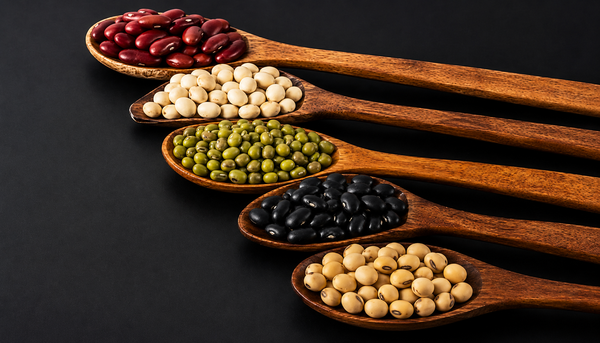
Limit high-FODMAP foods at night. FODMAPs (fermentable carbohydrates found in onions, garlic, beans, and certain fruits) are among the biggest drivers of fermentation-related bloating. Eating these at dinner gives your gut a heavy fermentation job overnight. Minimise them at your evening meal if bloating at night is a consistent problem.
Chew fennel seeds (saunf) after dinner. This is one traditional Indian practice that science actually backs. Fennel has demonstrated antispasmodic and carminative properties, meaning it relaxes gut muscles and helps expel gas. A small handful after dinner is a legitimate, evidence-supported digestive aid.
The Bottom Line
Nighttime stomach bloating is not about weakness or bad luck. It is about timing, meal composition, gut balance, and a few habits that most of us have never been taught to question.
Flip your meal sizes. Eat dinner earlier. Time your fibre and supplements to the first half of the day. Support your microbiome. Walk after you eat.
These are not dramatic changes. They are precise ones. And precision, when it comes to your gut, is everything.
FAQs
Q1. What causes bloating at night specifically?
Nighttime bloating is caused by a combination of accumulated fermentation gas from the day, slowing digestive motility as your body shifts into rest mode, and the loss of upright posture that normally helps move gas through your system. A heavy, late dinner accelerates all three.
Q2. How to prevent bloating at night without medication?
The most effective non-medication strategies are: eating your largest meal at lunch instead of dinner, finishing your last meal 2 to 3 hours before sleep, taking a 10 to 15 minute walk after dinner, timing your fibre intake to the morning, and supporting your gut microbiome with consistent probiotic supplementation.
Q3. Is bloating at night a sign of something serious?
Occasional nighttime bloating is normal and usually dietary. However, if it is accompanied by persistent pain, blood in stool, unexplained weight loss, or chronic diarrhoea or constipation, it warrants a visit to a gastroenterologist. Conditions like IBS, SIBO (small intestinal bacterial overgrowth), or coeliac disease can present with chronic bloating.
Q4. What is the connection between GERD symptoms at night and bloating?
Bloating and GERD frequently co-occur at night because both are driven by the same root causes: late, heavy eating, lying down too soon after meals, and excess fermentation. Bloating increases intra-abdominal pressure, which pushes stomach acid upward through the lower oesophageal sphincter, triggering acid reflux. Addressing bloating often reduces GERD symptoms simultaneously.
Q5. How to stop stomach bloating at night quickly?
For immediate relief: try gentle leftward lying (the left side-lying position encourages gas to move through the colon with gravity), do gentle abdominal massage in a clockwise direction, drink warm water with a pinch of ajwain or saunf, or take a short walk. For lasting relief, the dietary and lifestyle changes in this article are the most evidence-backed approach.
Q6. How to avoid GERD at night through diet?
Avoid eating within 2 to 3 hours of bedtime, keep dinner small and easy to digest, avoid high-fat and high-acid foods at dinner (fried foods, citrus, tomato-heavy dishes), and elevate your head 6 to 8 inches while sleeping. These are among the most clinically supported strategies on how to avoid GERD at night without relying solely on antacids.
Q7. Do probiotic capsules actually help with bloating?
Yes, with caveats. A 2021 meta-analysis in the American Journal of Gastroenterology confirmed that probiotics significantly reduce bloating frequency and severity. The key is choosing the right strains (Lactobacillus acidophilus, Bifidobacterium longum, Lactobacillus plantarum are the most studied), taking them consistently for at least 4 weeks, and expecting a brief adjustment period in the first week or two.
Q8. Should I take a dietary fiber supplement at night to help with digestion?
No. Taking a dietary fiber supplement at night sends a large fermentation load to your colon exactly when digestion is slowest, which can worsen nighttime bloating. Take your fibre supplement in the morning or before your largest midday meal. This times fermentation to the day when gas can be naturally expelled.
Q9. What Indian foods are the worst triggers for nighttime bloating?
The biggest culprits are: large portions of rajma or chana at dinner (high FODMAP legumes), raw onion and garlic in evening dishes, fried foods that slow gastric emptying significantly, heavy curries with cream or coconut milk, and carbonated drinks consumed after 5 PM. Switching these to lunch, or preparing them differently (cooked rather than raw, smaller portions), makes a significant difference.
Q10. Can prebiotic and probiotic tablets together be more effective than probiotics alone?
Yes. Prebiotics feed and sustain the beneficial bacteria that probiotics introduce, creating a more durable shift in your gut microbiome. Taking prebiotic and probiotic tablets together (or a synbiotic supplement that contains both) is consistently shown in research to outperform probiotic supplementation alone for gut health outcomes including bloating reduction, microbiome diversity, and stool regularity.

Recommended Products
 Probiotic + Prebiotic
₹559 – ₹3,355
Probiotic + Prebiotic
₹559 – ₹3,355
 Daily Probiotic Slow
₹1,119 – ₹2,238
Daily Probiotic Slow
₹1,119 – ₹2,238
 Healthy Gut
₹649 – ₹1,298
Healthy Gut
₹649 – ₹1,298
 Daily Fiber | Pina Colada Flavour
₹719 – ₹1,438
Daily Fiber | Pina Colada Flavour
₹719 – ₹1,438
 Daily Fiber | Vanilla Berry Flavour
₹719 – ₹1,438
Daily Fiber | Vanilla Berry Flavour
₹719 – ₹1,438












Leave a comment