You are tired but wired at 11 PM. You are gaining weight around your belly despite eating reasonably well. Your hair is thinning, your skin is breaking out, and you snap at people over nothing. Your doctor says everything is "fine." But you know something is off.
Meet cortisol: the hormone nobody talks about enough, quietly remodelling your body from the inside out.
Here is the uncomfortable truth. Chronic stress is no longer a mental health conversation. It is a full-body physiological crisis. And cortisol is the chemical driving the chaos.
What Is Cortisol and Why Should You Care Right Now?
Cortisol is your primary stress hormone, produced by the adrenal glands sitting right above your kidneys. In short bursts, it is brilliant. It sharpens your focus, raises your blood sugar for quick energy, suppresses non-essential functions, and gets you out of danger. Your body evolved this system to handle tigers, not traffic jams and Slack notifications.
The problem is your nervous system cannot tell the difference. Every deadline, every argument, every doomscroll session, every skipped meal, and every terrible night of sleep sends a signal that reads as a threat. Cortisol gets released. And when that happens all day, every day, the effects of high cortisol begin to compound in ways that are slow, silent, and deeply damaging.
High Cortisol Symptoms: Your Body Is Already Talking

The signs of high cortisol are easy to dismiss individually. Together, they paint a very clear picture.
Physical signs:
-
Stubborn belly fat that will not shift regardless of diet or exercise
-
Puffy face, particularly around the jaw and cheeks
-
Slow-healing wounds and frequent illness
-
Elevated blood pressure and resting heart rate
-
Thinning skin, hair loss, and adult acne
-
Disrupted menstrual cycles and low libido
Mental and emotional signs:
-
Anxiety that has no clear origin
-
Brain fog and memory lapses
-
Difficulty falling asleep despite exhaustion
-
Mood swings and irritability that feel disproportionate
The symptoms of high cortisol in females deserve specific attention. Women are significantly more sensitive to cortisol fluctuations due to the interplay with oestrogen and progesterone.
High cortisol suppresses these hormones directly, leading to irregular periods, worsened PMS, fertility challenges, and accelerated perimenopausal symptoms. If you are a woman experiencing hormonal chaos alongside chronic stress, cortisol is very likely in the driver's seat.
What Does High Cortisol Mean for Your Body Long-Term?
The effects of elevated cortisol go far beyond feeling stressed out. Here is what the science actually says:
Visceral fat accumulation: Cortisol triggers fat storage specifically in the abdominal region by activating cortisol receptors that are densely concentrated in belly fat cells. This is not a calorie problem. It is a hormonal problem.

Immune suppression: Short-term cortisol boosts immunity. Chronic high cortisol actively suppresses it, reducing the production of white blood cells and leaving you more vulnerable to infections, inflammation, and autoimmune flares.
Blood sugar dysregulation: Cortisol raises glucose levels by triggering gluconeogenesis in the liver. Over time, this contributes to insulin resistance, a direct precursor to type 2 diabetes, even in people who eat well.
Brain shrinkage: This one is alarming. Chronically elevated cortisol literally reduces grey matter density in the prefrontal cortex, the part of the brain responsible for decision-making, emotional regulation, and rational thinking. It also shrinks the hippocampus, affecting memory and learning.
Gut damage: Cortisol reduces the production of protective mucus in the gut lining, increases intestinal permeability (leaky gut), and disrupts the microbiome. The stress-gut-brain axis is a very real, very active feedback loop.
High Cortisol Causes: The Usual Suspects and the Surprising Ones
Can stress cause high cortisol levels? Absolutely. But the high cortisol causes go wider than most people realise.
-
Chronic psychological stress (work, relationships, finances)
-
Sleep deprivation, even partial sleep restriction over time
-
High-intensity exercise without adequate recovery
-
Skipping meals and crash dieting
-
Excessive caffeine consumption
-
Gut inflammation and poor microbiome health
-
Blood sugar spikes from ultra-processed food
-
Digital overload: Constant information consumption activates the threat-detection system even when there is no real danger. Doomscrolling is a cortisol trigger. Full stop.
-
Loneliness and social isolation: Research from the University of Chicago shows that perceived loneliness raises cortisol levels as significantly as physical danger.

Food as Your Cortisol Control Panel
Learning how to lower cortisol levels naturally starts on your plate.
Foods that actively lower cortisol:
-
Dark chocolate (85% and above): Contains flavonoids that reduce cortisol response in the adrenal glands. One to two squares daily is genuinely therapeutic, not an excuse.
-
Fatty fish (salmon, sardines, mackerel): Omega-3 fatty acids blunt the cortisol spike from psychological stress.
-
Ashwagandha in food form? Not practical, but in supplement form: More on this shortly.
-
Blueberries and strawberries: Vitamin C is directly used by the adrenal glands to produce and regulate cortisol. People under stress deplete vitamin C rapidly, and berries are one of the most bioavailable sources.
-
Oats and complex carbohydrates: Stable blood sugar is one of the most powerful ways to prevent unnecessary cortisol spikes. Oats, sweet potatoes, quinoa, and legumes all support sustained glucose without the crash.
-
Bananas and avocados: Rich in potassium and B6. Potassium helps regulate blood pressure elevated by cortisol, and B6 is essential for neurotransmitter synthesis and adrenal function.
-
Fermented foods: Kefir, yoghurt, kimchi, and sauerkraut support the gut microbiome, which communicates directly with the HPA axis (your stress response system). A healthier gut means a more regulated cortisol response.
-
Green tea over coffee: L-theanine in green tea produces calm alertness without the cortisol spike that coffee generates. Swapping even one daily coffee for matcha or sencha is a measurable intervention.

Foods that spike cortisol (stop quietly sabotaging yourself):
-
Ultra-processed snacks and refined sugar
-
Alcohol (disrupts cortisol rhythm overnight, causing 3 AM wake-ups)
-
High-caffeine energy drinks
-
Skipping breakfast or going more than 5 hours without eating
The Supplement Stack That Actually Works
Ashwagandha (KSM-66 or Sensoril extract) is the most evidence-backed adaptogen for cortisol reduction. Multiple randomised controlled trials show 300 to 600mg daily reduces serum cortisol by 14 to 30% over 8 weeks. It works by modulating the HPA axis, essentially turning down the volume on your stress response system at the source. When you buy ashwagandha, always choose a standardised extract with verified withanolide content.
Magnesium glycinate is the other non-negotiable. Stress depletes magnesium rapidly, and low magnesium increases cortisol production, creating a vicious cycle. A magnesium supplement in the glycinate form crosses the blood-brain barrier effectively, calming the nervous system, reducing muscle tension, and improving sleep quality. 300 to 400mg before bed is the sweet spot for most adults.
Melatonin and cortisol have an inverse relationship. When cortisol is high at night (which it should not be), melatonin cannot rise properly. A low-dose melatonin 5 mg supplement can help reset the rhythm without suppressing your body's own production, unlike melatonin 10 mg doses which can backfire with morning grogginess. Use it as a circuit-breaker for sleep disruption caused by stress, not as a permanent fix.
Trendy But Genuinely Effective Stress Management Techniques in 2025
Beyond the standard "exercise and meditate" advice, here is what is actually working right now.
Physiological sigh: Two quick inhales through the nose followed by one long exhale through the mouth. This specific breathing pattern deflates the alveoli in your lungs and rapidly drops heart rate. Stanford neuroscientist Dr. Andrew Huberman calls it the fastest known way to reduce acute stress. Takes 30 seconds. Works instantly.
Cold exposure (cold shower protocol): 30 to 90 seconds of cold water at the end of your shower triggers a noradrenaline and dopamine surge that builds stress resilience over time. It does not feel good initially. That is the point. Training your nervous system to regulate under discomfort is one of the most effective long-term cortisol management tools available.

NSDR (Non-Sleep Deep Rest): Also called yoga nidra or body scan meditation. A 10 to 20 minute guided session of deliberate stillness without sleep has been shown to replenish dopamine stores in the brain by up to 65% and measurably lower cortisol. It is the fastest-growing recovery tool among high-performance professionals globally right now.
Social prescribing: Time with people you genuinely feel safe around is now being prescribed by healthcare systems in the UK as a cortisol intervention. In-person connection activates oxytocin, which directly suppresses cortisol. Prioritise your people. It is literal medicine.
Awe walks: Walking in nature while deliberately seeking out things that feel bigger than yourself (a large tree, a vast sky, a river) has been shown in UC Berkeley research to reduce cortisol and inflammatory markers significantly. It sounds soft. The neuroscience is very hard.
Cortisol is not the enemy. Chronic, unaddressed cortisol is. The difference between the two is the life you build around managing it. Your body is not broken. It is asking for a different environment. Start giving it one.
Key Takeaways
-
Cortisol is not just a stress hormone, it is a body-remodelling agent. When chronically elevated, it reshapes fat distribution, brain structure, gut health, immune function, and hormonal balance. This is a physical health crisis, not a mindset problem.
-
High cortisol symptoms in females are often misdiagnosed or dismissed. The intersection of cortisol with oestrogen and progesterone makes women particularly vulnerable. Hormonal irregularities alongside chronic stress are a signal to investigate cortisol directly.
-
Your diet is a direct lever on your cortisol levels. Omega-3 rich foods, vitamin C from berries, complex carbohydrates, fermented foods, and dark chocolate are all evidence-backed, practical daily interventions, not wellness trends.
-
The supplement trifecta of ashwagandha, magnesium glycinate, and low-dose melatonin addresses cortisol from three distinct angles: the HPA axis, the nervous system, and the sleep-cortisol feedback loop. Together they are significantly more effective than any one alone.
-
New-era stress tools like physiological sighing, cold exposure, NSDR, and awe walks are not gimmicks. They are grounded in peer-reviewed neuroscience and are measurably more effective for many people than conventional advice. The science caught up with the trend.
FAQs
Q1. What are the most common high cortisol symptoms to watch for?
A: Belly fat accumulation, poor sleep despite fatigue, frequent illness, brain fog, anxiety, adult acne, and mood instability are the most common. In women, irregular periods and worsened PMS are also strongly associated.
Q2. Can stress cause high cortisol levels even if I feel I handle stress well?
A: Yes. Perceived stress tolerance and physiological cortisol response are not always aligned. Many high-functioning individuals carry chronically elevated cortisol without recognising it because they have normalised the symptoms.
Q3. What does high cortisol mean for weight loss efforts?
A: High cortisol directly inhibits fat loss by promoting fat storage, increasing appetite (especially for sugar and salt), slowing metabolism, and breaking down muscle tissue. Addressing cortisol is often a prerequisite for sustainable fat loss, not an afterthought.
Q4. How to lower cortisol levels naturally without medication?
A: Consistent sleep, balanced blood sugar through diet, omega-3 supplementation, ashwagandha, magnesium glycinate, reduced caffeine, cold exposure, and genuine social connection are all proven, natural cortisol-lowering interventions.
Q5. Is ashwagandha safe to take daily for cortisol?
A: Clinical trials support daily use of 300 to 600mg of standardised ashwagandha extract (KSM-66 or Sensoril) for 8 to 12 weeks with a good safety profile. Cycling it (8 weeks on, 2 weeks off) is a common best practice. Always consult a healthcare provider if pregnant or on thyroid medication.
Q6. What supplements lower cortisol most effectively?
A: Ashwagandha has the strongest evidence base. Magnesium glycinate addresses the cortisol-magnesium depletion cycle. Phosphatidylserine (400mg) is a lesser-known but well-studied supplement that directly blunts the cortisol response to exercise and psychological stress.
Q7. Why do I wake up at 3 or 4 AM? Is cortisol involved?
A: Almost certainly. Cortisol naturally begins rising in the early morning hours to prepare the body for waking. In people with dysregulated cortisol, this rise starts too early, disrupting the latter portion of sleep. Alcohol, blood sugar crashes, and high evening stress all contribute to this pattern.
Q8. How to manage stress and anxiety when lifestyle changes feel overwhelming?
A: Start with one intervention and compound from there. The physiological sigh costs zero time, zero money, and works in under a minute. Master that first. Add a magnesium supplement at night. These two changes alone will produce a measurable shift within two weeks.
Q9. Are high cortisol side effects reversible?
A: Yes, largely. The brain changes associated with chronic cortisol elevation, including hippocampal shrinkage, are partially reversible with sustained stress reduction, exercise, and sleep improvement. The body is remarkably adaptive when given the right inputs consistently.
Q10. How long does it take to lower cortisol levels naturally?
A: Acute cortisol drops can happen in minutes with the right breathing or cold exposure. Meaningful shifts in baseline cortisol take 4 to 8 weeks of consistent dietary, lifestyle, and supplement intervention. Blood tests can confirm progress. Do not expect overnight results but do expect real ones.

Recommended Products
 Liposomal Magnesium Glycinate (Chelated) | Pack of 60 Capsules
₹872 – ₹1,708
Liposomal Magnesium Glycinate (Chelated) | Pack of 60 Capsules
₹872 – ₹1,708
 Triple Magnesium Complex
₹1,357 – ₹2,658
Triple Magnesium Complex
₹1,357 – ₹2,658
 Ultra Strength Magnesium+
₹1,745 – ₹3,418
Ultra Strength Magnesium+
₹1,745 – ₹3,418
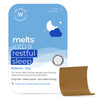 Restful Sleep (5mg)
₹649 – ₹1,298
Restful Sleep (5mg)
₹649 – ₹1,298
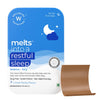 Restful Sleep Melts (10mg)
₹649 – ₹1,298
Restful Sleep Melts (10mg)
₹649 – ₹1,298
 Pure Ashwagandha
₹649 – ₹1,298
Pure Ashwagandha
₹649 – ₹1,298