You are exhausted but wired. You reach for coffee at 3 PM. You lie awake at midnight even though your body is done for the day.
Sound familiar? Chances are, cortisol is running the show and your plate might be the most underrated remote control you have.
What Is Cortisol, and Why Should You Care?
Cortisol is your body's primary stress hormone, secreted by the adrenal glands in response to perceived threat or demand. In short bursts, it's lifesaving; it sharpens focus, mobilizes energy, and keeps you alert. But when cortisol stays chronically elevated (thanks to deadlines, bad sleep, doomscrolling, or skipping meals), it starts wrecking things quietly: belly fat accumulates, sleep breaks down, immunity tanks, and your mood becomes... unpredictable.
The good news? What you eat directly influences your cortisol output. This is not wellness fluff. There is solid human research behind it. Let's get into it.
The Science of Food and Cortisol

Your gut, brain, and adrenal glands are in constant conversation through the gut-brain-adrenal axis. The foods you consume either fan the cortisol flame or dial it down. Several nutrients act as direct modulators of the HPA (hypothalamic-pituitary-adrenal) axis, which controls how much cortisol your body pumps out.
Foods That Lower Cortisol: The A-List
1. Dark Leafy Greens (Spinach, Swiss Chard, Kale)
Magnesium is the hero here. It acts as a natural "brake" on the HPA axis, regulating how aggressively your body secretes cortisol in response to stress. Magnesium also supports GABA production, your brain's primary calming neurotransmitter. Dark leafy greens are also rich in folate, which supports dopamine synthesis, and vitamin C, which directly reduces cortisol secretion from the adrenal glands.
A study published in Nutrients (Boyle et al., 2017) confirmed that magnesium deficiency in humans was associated with significantly elevated cortisol and heightened stress reactivity.

How to incorporate them:
-
Blend a handful of raw spinach into your morning smoothie; you won't taste it, but your adrenals will feel it
-
Sauté Swiss chard with garlic and olive oil as a side at dinner (takes 5 minutes)
-
Add kale to soups, dals, or stir-fries in the last 2 minutes of cooking to retain nutrients
-
Make a simple spinach omelette or add it to scrambled eggs at breakfast
If dietary intake falls short, magnesium supplements (magnesium glycinate or malate form) are widely used to support the nervous system, improve sleep quality, and reduce nighttime cortisol spikes.
2. Fatty Fish (Salmon, Sardines, Mackerel)
EPA and DHA, the two long-chain omega-3 fatty acids found in fatty fish are the key players. They cross the blood-brain barrier and directly reduce neuroinflammation, which is one of the primary drivers of chronic cortisol elevation. EPA in particular suppresses the release of pro-inflammatory cytokines that keep the stress response switched on.
How to incorporate them:
-
Grill or bake salmon with lemon and herbs, two to three times a week is the research-supported sweet spot
-
Keep a tin of sardines at your desk for a quick, no-cook cortisol-lowering lunch on crackers or toast
-
Add mackerel to salads or pasta dishes
-
Make a simple fish curry using canned mackerel, an easy weeknight meal that doubles as anti-stress nutrition
3. Ashwagandha (The Adaptogen That Actually Has Clinical Proof)
Withanolides, the bioactive steroidal lactones in ashwagandha root, are the compounds responsible for its cortisol-lowering effect. They work by normalizing HPA axis activity, essentially recalibrating how sensitively your body responds to stress signals. Ashwagandha also lowers C-reactive protein (CRP), an inflammatory marker that rises alongside chronic cortisol.
A double-blind, randomized, placebo-controlled study in the Indian Journal of Psychological Medicine (Chandrasekhar et al., 2012) found that participants who took ashwagandha extract for 60 days had a 27.9% reduction in serum cortisol compared to placebo. [NIH]
How to incorporate it:
-
The traditional form is ashwagandha powder stirred into warm milk with a pinch of cardamom and honey before bed, known as "moon milk" in Ayurvedic practice
-
Add half a teaspoon to smoothies or overnight oats
-
Ashwagandha supplements in capsule/strip form (300 to 600 mg of root extract standardized to withanolides) are the most convenient and clinically tested route
4. Dark Chocolate (70% or Higher)
Three active compounds work together here. Flavonoids reduce oxidative stress and suppress cortisol biosynthesis. Theobromine gently stimulates without the cortisol spike of caffeine. Polyphenols feed beneficial gut bacteria, which feeds back into lower HPA axis reactivity. Dark chocolate also contains tryptophan, the precursor to serotonin.

How to incorporate it:
-
One to two squares (about 20 to 40g) of 70%+ dark chocolate after lunch is the research-supported dose
-
Melt it into warm oat milk for a calming evening drink instead of reaching for dessert
-
Add cacao nibs (less processed, same benefits) to smoothie bowls, yogurt, or oatmeal
-
Use raw cacao powder in baking or energy balls instead of regular cocoa
5. Bananas and Avocados (Potassium and B-Vitamin Power)
Potassium directly counteracts the cardiovascular effects of cortisol, high cortisol raises blood pressure, and potassium lowers it. Avocados go further by delivering vitamin B5 (pantothenic acid), which is literally required for adrenal gland function. Without adequate B5, your adrenals struggle to regulate cortisol production. Avocados also contain oleic acid, a monounsaturated fat that reduces brain inflammation.
How to incorporate them:
-
Eat one banana mid-morning to prevent the blood sugar crash that triggers a cortisol spike. The worst time to skip a snack is between meals.
-
Mash avocado on whole grain toast with a squeeze of lemon and chilli flakes for a B5-rich breakfast.
-
Blend banana and avocado together with almond milk for a genuinely creamy smoothie base that requires no added sugar
-
Add avocado to salads, bowls, wraps, and dals as a finishing fat
6. Fermented Foods (Yogurt, Kefir, Kimchi, Sauerkraut, Idli, Kanji)
Live cultures (Lactobacillus and Bifidobacterium species primarily) produce short-chain fatty acids like butyrate, which directly signal the brain via the vagus nerve to reduce HPA axis reactivity. A diverse microbiome also produces GABA locally in the gut, which travels to the brain and reduces anxiety signals. Fermented foods are among the most underappreciated cortisol decreasing foods.

How to incorporate them:
-
Have a small bowl of plain full-fat yogurt with meals, not the sweetened kind, which undoes the benefits
-
Drink a small glass of kefir in the morning or before bed
-
Add kimchi or sauerkraut as a condiment alongside any meal; two tablespoons is enough to make a microbiome difference
-
If you eat South Asian food, lean into idli, dosa, kanji (fermented rice water), and homemade pickles, these are ancestral fermented foods with the same probiotic benefit
7. Green Tea and Chamomile Tea (L-Theanine and Apigenin)
Green tea contains L-theanine, an amino acid that crosses the blood-brain barrier and promotes alpha brain wave activity, the state of calm alertness. It also modulates glutamate receptors, reducing the "overactivation" feeling that stress creates. Chamomile contains apigenin, a flavonoid that binds directly to GABA-A receptors in the brain, the same receptors targeted by anti-anxiety medication, but with a gentle, non-dependency-forming action.
How to incorporate them:
-
Replace your second or third coffee of the day with green tea, you still get caffeine (about 30mg vs. 90mg in coffee) but L-theanine smooths out the cortisol response
-
Brew chamomile tea 30 minutes before bed as a wind-down ritual; consistency matters more than quantity
-
Cold-brew green tea overnight for a smoother, less bitter taste that is easier to drink daily
-
Add a chamomile tea bag to warm oat milk with honey for a genuinely calming bedtime drink
8. Pumpkin Seeds and Nuts (Zinc, Magnesium, and Healthy Fats)
Pumpkin seeds are one of the single richest food sources of both zinc and magnesium. Zinc modulates NMDA receptors in the brain and acts as a co-activator of GABA receptors, essentially making your nervous system less reactive to stress triggers. Walnuts additionally provide ALA (plant omega-3) and polyphenols that reduce brain inflammation.
How to incorporate them:
-
Keep a small jar of pumpkin seeds on your desk for an afternoon snack instead of reaching for something processed
-
Toast them lightly with a pinch of salt and cumin, and they become addictive
-
Add a handful of walnuts to your breakfast oats or evening salad
-
Blend cashews and almonds into homemade nut butter for a magnesium and healthy fat hit you control the ingredients of
Zinc capsules are worth considering if you eat a primarily plant-based diet, as zinc bioavailability from plant sources is lower due to phytic acid.
Foods That Increase Cortisol: Know Your Enemies
You cannot talk about cortisol control foods without flagging the culprits. These are the foods that increase cortisol and deserve real moderation:
-
Refined sugar and ultra-processed foods: Spike blood glucose sharply, which triggers an emergency adrenal response, essentially a cortisol alarm bell every time you eat them.
-
Excess caffeine: Directly stimulates cortisol secretion, particularly on an empty stomach. The first coffee of the day on an empty stomach is one of the most common unintentional cortisol triggers.
-
Alcohol: Disrupts cortisol's natural circadian rhythm and can cause an overnight cortisol surge that fragments deep sleep.
-
Vegetable seed oils high in omega-6 (sunflower, corn, soybean): Drive neuroinflammation and worsen HPA axis sensitivity over time.
The Sleep-Cortisol Loop Nobody Talks About
Cortisol and sleep have a bidirectional relationship. High cortisol disrupts sleep. Poor sleep raises cortisol. Breaking this loop nutritionally comes down to two key allies.
Zinc capsules support delta-wave deep sleep and modulate cortisol. Research have demonstrated zinc's role as a GABA receptor co-activator, essentially helping your brain shift into rest mode more easily. [NIH]
Melatonin, while primarily known as the sleep hormone, has a direct cortisol-suppressing effect. Research has shown that melatonin administration reduced late-night cortisol in healthy subjects, helping restore the natural cortisol curve that should peak at 8 AM and bottom out by midnight. [NIH]
Full-Day Cortisol-Lowering Diet Chart
VEGETARIAN PLAN
|
Time |
Meal |
Cortisol-Lowering Stars |
|
7:00 AM |
Warm water with ashwagandha supplement + a few soaked walnuts |
Withanolides, ALA omega-3, magnesium |
|
8:00 AM |
Green tea (not coffee) + spinach and avocado toast on whole grain bread with pumpkin seeds sprinkled on top |
L-theanine, magnesium, B5, zinc |
|
10:30 AM |
One banana + a small bowl of plain full-fat yogurt |
Potassium, live cultures, probiotics |
|
1:00 PM |
Brown rice or jowar roti + dal palak (lentil spinach curry) + a small kachumber salad with flaxseed sprinkle + two tablespoons sauerkraut or kimchi on the side |
Magnesium, folate, ALA, probiotics |
|
4:00 PM |
A square of 70%+ dark chocolate + a small handful of pumpkin seeds + green tea |
Flavonoids, zinc, magnesium, L-theanine |
|
7:30 PM |
Miso soup or kefir to start + quinoa or khichdi with steamed Swiss chard or kale + half avocado on the side |
Fermented cultures, magnesium, B5, potassium |
|
9:30 PM |
Chamomile tea with warm oat milk + a teaspoon of raw cacao stirred in (optional) |
Apigenin, GABA support, magnesium |
NON-VEGETARIAN PLAN
|
Time |
Meal |
Cortisol-Lowering Stars |
|
7:00 AM |
Warm water + ashwagandha supplement + a few soaked almonds |
Withanolides, vitamin E, magnesium |
|
8:00 AM |
Green tea + two egg omelette with spinach and feta OR smoked salmon on whole grain toast with avocado |
Magnesium, omega-3 (salmon), B5, choline |
|
10:30 AM |
One banana + a small bowl of Greek yogurt with walnuts and a drizzle of honey |
Potassium, probiotics, ALA omega-3 |
|
1:00 PM |
Grilled salmon or mackerel + a large green salad with avocado, pumpkin seeds, and olive oil dressing + a small side of kimchi or sauerkraut |
EPA/DHA omega-3, potassium, zinc, probiotics |
|
4:00 PM |
Two squares of 70%+ dark chocolate + green tea + a small tin of sardines on rye crackers (or a boiled egg if preferred) |
Flavonoids, L-theanine, omega-3, protein |
|
7:30 PM |
Chicken or turkey breast (tryptophan-rich) with roasted Swiss chard, sweet potato, and a dollop of kefir-based dip or raita |
Tryptophan (serotonin precursor), magnesium, probiotics |
|
9:30 PM |
Chamomile tea with warm milk (dairy or oat) |
Apigenin, tryptophan (dairy), GABA support |
Pro tip for both plans: Eat your first meal within 60 to 90 minutes of waking. Skipping breakfast (especially with coffee only) causes a secondary cortisol spike between 9 and 11 AM that most people mistake for "just being tired."
5 Key Takeaways
-
Chronic cortisol elevation is a nutritional problem as much as a lifestyle one — specific foods that decrease cortisol can meaningfully shift your baseline stress response within two to four weeks.
-
Magnesium, omega-3s, and L-theanine are the three most research-backed nutrients for HPA axis regulation and deserve priority in both your diet and supplement stack.
-
Your gut health IS your stress health — fermented foods and microbiome diversity are among the most underrated cortisol control foods available, and they are also among the easiest to add daily.
-
Adaptogens like ashwagandha bridge the gap between food and medicine, with a clinically measured 27.9% reduction in serum cortisol in controlled human trials.
-
Refined sugar, excess caffeine, and alcohol are cortisol amplifiers — removing them is as impactful as adding any anti cortisol food to your plate.
Frequently Asked Questions
1. What are the best foods that lower cortisol naturally?
Dark leafy greens, fatty fish, dark chocolate, fermented foods, bananas, avocados, green tea, and pumpkin seeds are among the most evidence-backed cortisol decreasing foods. Each targets a different part of the stress response pathway.
2. Can food really reduce cortisol levels in the body?
Yes. Multiple human randomized controlled trials have shown that specific nutrients and dietary patterns measurably reduce serum cortisol, blunt HPA axis reactivity, and lower stress biomarkers within weeks.
3. Are there foods that reduce cortisol and adrenaline simultaneously?
Dark chocolate has been shown in research to reduce both cortisol and catecholamines including adrenaline. Omega-3 rich foods and ashwagandha also target both pathways at the level of the adrenal gland and the brain.
4. What is a cortisol blocker food?
Foods rich in magnesium, polyphenols, L-theanine, and adaptogens function as natural cortisol blocker foods by modulating the HPA axis, reducing adrenal output, and calming the brain's stress signaling.
5. Which supplements help with cortisol control?
Magnesium supplements, ashwagandha, melatonin, and zinc capsules are the most studied and supported options. Each targets a different part of the cortisol-sleep-stress loop.
6. Does caffeine raise cortisol?
Yes. Caffeine directly stimulates cortisol secretion, especially on an empty stomach. Switching to green tea provides lower caffeine alongside L-theanine, which counteracts the cortisol spike and promotes calm focus instead.
7. What foods should I avoid if I have high cortisol?
Refined sugar, high-fructose corn syrup, excessive alcohol, excess caffeine, and ultra-processed snack foods are the primary foods that increase cortisol and worsen adrenal function over time.
8. How long does it take for dietary changes to affect cortisol?
Studies show measurable changes in cortisol markers within two to four weeks of consistent dietary changes. Ashwagandha studies show significant results by week four, omega-3 changes are measurable within two weeks, and microbiome shifts from fermented foods begin within days.
9. Can magnesium supplements really reduce cortisol?
Yes. Magnesium deficiency is directly associated with elevated cortisol, and supplementation in deficient individuals has been shown to restore HPA axis sensitivity, reduce nighttime cortisol, and improve stress reactivity.
10. Is melatonin just for sleep, or does it lower cortisol too?
Melatonin has a documented cortisol-suppressing effect, particularly in the late evening. It helps restore the natural inverse cortisol-melatonin rhythm, when melatonin rises at night, cortisol should fall. Supplementing melatonin in people with disrupted rhythms supports both sleep quality and cortisol normalization.

Recommended Products
 Restful Sleep (5mg)
₹616 – ₹1,233
Restful Sleep (5mg)
₹616 – ₹1,233
 Restful Sleep Melts (10mg)
₹616 – ₹1,233
Restful Sleep Melts (10mg)
₹616 – ₹1,233
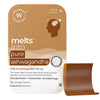 Pure Ashwagandha
₹616 – ₹1,233
Pure Ashwagandha
₹616 – ₹1,233
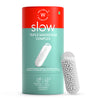 Triple Magnesium Complex
₹1,189 – ₹2,378
Triple Magnesium Complex
₹1,189 – ₹2,378
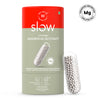 Liposomal Magnesium Glycinate (Chelated) | Pack of 60 Capsules
₹764 – ₹1,528
Liposomal Magnesium Glycinate (Chelated) | Pack of 60 Capsules
₹764 – ₹1,528
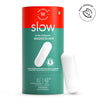 Ultra Strength Magnesium+
₹1,529 – ₹3,058
Ultra Strength Magnesium+
₹1,529 – ₹3,058
 Liposomal Zinc Complex (Chelated) | Pack of 60 Capsules
₹764 – ₹1,528
Liposomal Zinc Complex (Chelated) | Pack of 60 Capsules
₹764 – ₹1,528