You know that feeling when you have back-to-back meetings, your inbox is a disaster, and you reach for the nearest bag of chips or a third cup of coffee? Yeah. We all do it. And then we wonder why we feel worse an hour later.
Here is the thing nobody really talks about: what you eat does not just fuel your body, it actively shapes how your brain handles stress. Not in a vague, wellness-poster kind of way. Literally. Certain foods shift your cortisol levels, feed the gut bacteria that produce your feel-good neurotransmitters, and either fan the flames of anxiety or quietly put them out.
This is not about a miracle diet. It is about understanding why your body craves certain things when it is stressed, and how to work with that instead of against it.
Your Gut Is Running the Anxiety Show (More Than You Think)
About 90% of your body's serotonin, the neurotransmitter tied to mood and calm, is produced in your gut, not your brain. So when your digestion is off or your gut microbiome is out of balance, your mood often follows.
Research has confirmed this gut-brain axis is a genuine two-way communication highway. Research has found strong associations between dietary patterns, gut microbiota composition, and mental health outcomes, including anxiety and depression. [NIH]
What this means practically: chronically eating processed, low-fiber food does not just affect your waistline, it slowly starves the bacteria responsible for producing the compounds your brain needs to stay calm.
The Foods That Actually Help
Fermented Foods: Feeding Your Calm
Yogurt, kefir, kimchi, sauerkraut, miso. These are not trends. They are among the best foods for anxiety and depression because they deliver live cultures directly to your gut.
A randomized controlled trial published in Psychiatry Research (2015) found that higher fermented food consumption was significantly associated with reduced social anxiety, particularly in people with higher neuroticism scores. [NIH]
Start with one serving a day. A bowl of yogurt at breakfast, a spoonful of sauerkraut with lunch. Small and consistent beats intense and sporadic every time.

Omega-3 Rich Foods: The Brain's Preferred Fat
Fatty fishlike salmon, sardines, and mackerel are among the most researched foods for anxiety. Omega-3 fatty acids, specifically EPA and DHA, reduce neuroinflammation and support healthy neurotransmitter signalling.
A meta-analysis found that omega-3 supplementation significantly reduced anxiety symptoms, with the strongest effects seen from EPA-dominant formulas. [NIH]
Practical target: two to three servings of fatty fish per week. If that feels hard, canned sardines on whole-grain crackers are a genuinely fast and cheap option that people consistently overlook.
Leafy Greens and Magnesium-Rich Foods: The Deficiency Most People Have
Spinach, kale, Swiss chard, pumpkin seeds, and dark chocolate (yes, really) are all high in magnesium, a mineral that acts almost like a natural brake on the stress response. Magnesium regulates cortisol and calms the nervous system.
The problem is most adults do not get enough. Chronic stress depletes magnesium stores, and low magnesium makes you more reactive to stress. It is a loop.
Foods to focus on: dark leafy greens, legumes, nuts, seeds, and whole grains. Eating these consistently as part of foods that reduce stress and anxiety is one of the most evidence-supported dietary moves you can make.
Complex Carbohydrates: Not the Enemy
Oats, sweet potatoes, lentils, and whole grain bread are slow-digesting carbohydrates that help stabilize blood sugar and support serotonin production. Blood sugar crashes are a surprisingly underrated driver of anxiety and irritability.
When people say they feel anxious in the afternoon and have not eaten since noon, that is often blood sugar tanking, not a panic disorder. Pairing complex carbs with protein at every meal smooths out those spikes and dips considerably.
Berries and Polyphenol-Rich Foods: Fighting the Inflammation Behind Anxiety
Blueberries, strawberries, dark cherries, and green tea are loaded with polyphenols that reduce oxidative stress and neuroinflammation, both of which are increasingly recognized as drivers of anxiety and depression. These are genuinely some of the best foods for anxiety and depression when eaten consistently.

What to Cut Back On (The Honest List)
These are the foods to avoid with anxiety if you want to feel the difference:
|
Food / Drink |
Why It Worsens Anxiety |
|
Caffeine in excess (3+ cups/day) |
Elevates cortisol and heart rate, mimics anxiety symptoms |
|
High sugar foods and drinks |
Causes blood sugar spikes and crashes, worsening mood |
|
Ultra-processed snack foods |
Low in nutrients that support stress regulation |
|
Alcohol |
Initially sedating but disrupts sleep and worsens anxiety next day |
|
Trans fats (fried fast food) |
Linked to increased inflammation and poorer mental health outcomes |
None of this means perfection. It means being aware that reaching for chips and a Diet Coke when you are already stressed is genuinely likely to make things worse in two hours.

A Simple Daily Framework
You do not need a meal plan. You need a rough pattern.
Morning: Protein + complex carbs + something fermented or high fiber. Eggs on whole grain toast with a yogurt on the side. Oatmeal with berries and nuts. Something that does not spike your blood sugar in the first hour.
Midday: Leafy greens, legumes, or fish if possible. A handful of pumpkin seeds. Some colour on the plate.
Evening: Prioritize food for stress and anxiety like salmon or lentils. Avoid eating a heavy meal close to sleep if anxiety or insomnia is an issue. Tryptophan-rich foods like turkey, eggs, and pumpkin seeds eaten in the evening can support melatonin production naturally.
Hydration: Mild dehydration legitimately worsens anxiety and concentration. Water first, coffee second.
On Supplements: The Short Version
Food comes first. Always. But for specific gaps, a few things have decent evidence behind them.
Magnesium capsules are worth considering if you are under chronic stress, eat few leafy greens, or have frequent muscle tension and poor sleep. Magnesium glycinate absorbs well and is easy on digestion.
Ashwagandha has solid human trial data for cortisol reduction and anxiety relief. It works gradually over weeks, not hours.
Zinc capsules support neurotransmitter function. Low zinc has been associated with higher anxiety in several studies.
Melatonin supplement options ranging from melatonin 5 mg to melatonin 10 mg can help reset disrupted sleep cycles. Start low (0.5 to 1 mg) and increase only if needed. Poor sleep and anxiety are deeply linked, so addressing sleep often helps anxiety significantly.
Talk to your doctor before adding supplements, especially if you are on medication.
The Bigger Picture
Anxiety is not just a brain problem, a lifestyle problem, or a food problem. It is all of them, interacting. But your diet is one of the few things you can genuinely shift starting today, without a prescription or a therapist's appointment.
The foods that reduce anxiety and depression are not exotic or expensive. Salmon. Spinach. Yogurt. Oats. Berries. Pumpkin seeds. These are not superfoods. They are just foods, eaten consistently, that quietly do real work.
You are not going to eat your anxiety completely away. But you can absolutely change the baseline. And sometimes, changing the baseline is everything.
Key Takeaways
-
Your gut produces ~90% of your serotonin. What you eat directly affects the gut bacteria responsible for your mood and stress response. Diet is not just nutrition, it is neuroscience.
-
Magnesium, omega-3s, and fermented foods are your three highest-leverage targets. They are the most researched, most accessible, and most consistently linked to reduced anxiety symptoms in human trials.
-
Blood sugar stability matters more than people realize. Skipping meals or eating high-sugar foods creates cortisol spikes that feel like anxiety. Pairing protein with complex carbs at every meal is a simple, effective stabilizer.
-
Some of the most common daily habits quietly worsen anxiety. Excess caffeine, alcohol, ultra-processed snacks, and not drinking enough water all have measurable effects on stress and mood. Cutting one is usually more effective than adding a supplement.
-
Consistency over perfection. A salmon and spinach salad a few times a week, daily yogurt, regular berries and nuts, less junk. The pattern matters far more than any single food. Small, repeatable choices compound.
Frequently Asked Questions
1. Can food really help with anxiety, or is that overhyped?
Food genuinely affects anxiety, but it is a contributing factor, not a cure. The gut-brain axis is well-established science. Consistent dietary choices can lower your baseline anxiety level, improve sleep quality, and make stress easier to manage. Think of it as turning down the volume, not turning off the noise.
2. What are the best foods for anxiety on a daily basis?
Practically speaking, the most impactful daily foods are leafy greens (magnesium), fatty fish or walnuts (omega-3s), yogurt or kefir (gut health), oats or sweet potatoes (blood sugar stability), and berries (inflammation). None of these need to be eaten in large quantities to have a meaningful effect.
3. Which foods should I avoid if I have anxiety?
The biggest offenders are excessive caffeine, high-sugar foods and drinks, alcohol, trans fats from fried fast food, and ultra-processed snack foods. These either spike cortisol, disrupt sleep, or deprive the gut of the nutrients it needs to produce calming neurotransmitters.
4. How long does it take for dietary changes to affect anxiety?
Most people notice some difference in energy and mood stability within two to three weeks of consistent changes. Gut microbiome shifts take about four to six weeks to show significant effects. This is a long game, not a quick fix.
5. Is there a connection between food for insomnia and anxiety?
Absolutely. Poor sleep dramatically worsens anxiety, and certain foods either support or disrupt sleep. Tryptophan-rich foods (turkey, eggs, pumpkin seeds) eaten in the evening support melatonin production. Heavy meals close to bedtime, caffeine after 2pm, and alcohol all interfere with sleep quality and worsen the anxiety cycle that follows.
6. Does sugar actually cause anxiety?
Sugar does not cause clinical anxiety, but it absolutely contributes to anxiety symptoms through blood sugar dysregulation. The crash after a sugar spike triggers cortisol release and can produce feelings of shakiness, irritability, and what feels like anxious energy. Reducing added sugar often noticeably smooths out mood.
7. Can diet replace therapy or medication for anxiety?
No. Diet is a supportive intervention, not a replacement for clinical treatment. For moderate to severe anxiety disorders, professional help is necessary. That said, dietary changes can meaningfully support therapy outcomes and general wellbeing.
8. What is the gut-brain axis and why does it matter for anxiety?
The gut-brain axis is a bidirectional communication network between your gastrointestinal tract and your brain, involving the vagus nerve, immune signaling, and neurotransmitter production. Because the gut produces such a large proportion of serotonin and other mood-related compounds, gut health is directly tied to how emotionally regulated you feel.
9. Are there specific foods that help with depression as well as anxiety?
Yes. Many of the same foods that reduce anxiety also support mood in depression. Omega-3 rich foods, fermented foods, leafy greens, whole grains, and colorful produce all address shared mechanisms including neuroinflammation, neurotransmitter production, and gut microbiome health. The dietary approach for anxiety and depression overlaps significantly.
10. Should I take magnesium or other supplements even if I eat well?
Possibly. Even with a good diet, chronic stress actively depletes magnesium. If you experience regular muscle tension, poor sleep, or high stress, magnesium glycinate is a well-tolerated option. Ashwagandha has good human trial evidence for cortisol and anxiety reduction. Zinc supports neurotransmitter function. Supplements can fill genuine gaps, but food quality should come first. Always check with your doctor before starting anything new.

Recommended Products
 Liposomal Magnesium Glycinate (Chelated) | Pack of 60 Capsules
₹872 – ₹1,708
Liposomal Magnesium Glycinate (Chelated) | Pack of 60 Capsules
₹872 – ₹1,708
 Triple Magnesium Complex
₹1,357 – ₹2,658
Triple Magnesium Complex
₹1,357 – ₹2,658
 Ultra Strength Magnesium+
₹1,745 – ₹3,418
Ultra Strength Magnesium+
₹1,745 – ₹3,418
 Liposomal Zinc Complex (Chelated) | Pack of 60 Capsules
₹872 – ₹1,708
Liposomal Zinc Complex (Chelated) | Pack of 60 Capsules
₹872 – ₹1,708
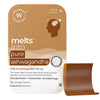 Pure Ashwagandha
₹649 – ₹1,298
Pure Ashwagandha
₹649 – ₹1,298
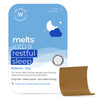 Restful Sleep (5mg)
₹649 – ₹1,298
Restful Sleep (5mg)
₹649 – ₹1,298
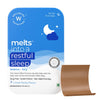 Restful Sleep Melts (10mg)
₹649 – ₹1,298
Restful Sleep Melts (10mg)
₹649 – ₹1,298