You woke up tired. Again. You've had your coffee. Maybe two. And it's not even noon yet and you're already counting down to when you can lie down. Sound familiar? You're not lazy. You're not broken. You're just running on the wrong fuel, and nobody handed you the manual.
Let's Talk About the Exhaustion Epidemic
Low energy has quietly become the most normalized health complaint of this generation. "I'm just tired" has become a personality trait. But here's the thing: feeling low energy is not a life sentence. It's a signal. Your body is trying to tell you something, and once you understand the language, the fix becomes a whole lot clearer.
Low energy symptoms can show up in sneaky ways: brain fog, constant yawning, afternoon crashes, zero motivation, irritability, poor sleep quality, or needing coffee just to feel baseline human. If any of that resonates, you're not alone and this is your cheat sheet.
Why Are You Actually Exhausted? The Real Low Energy Causes
Before diving into solutions, let's get honest about the reasons for low energy that most people overlook:
Mitochondrial underperformance is the most underrated one. Your mitochondria are your cellular power plants. When they're sluggish from poor diet, sedentary habits, or oxidative stress, everything feels heavy. This is not woo science, it's basic cell biology.
Chronic nutrient depletion is widespread. Most people are running low on iron, magnesium, B vitamins, or vitamin D without even knowing it.
These aren't optional nutrients, they're the machinery behind your energy metabolism. Low energy in women especially tends to trace back to iron deficiency or low ferritin levels, often overlooked in standard bloodwork.
Blood sugar rollercoasters from ultra-processed diets cause the classic 3 PM crash. Spike, drop, repeat. It's exhausting your pancreas and your brain.

Cortisol dysregulation from chronic stress essentially burns through your adrenal reserves. This is called HPA axis dysfunction, and it's extremely common in high-stress lifestyles.
Poor sleep architecture means you're spending hours in bed but not getting enough deep sleep, which is when real cellular repair happens.
The 7 Levers That Actually Fix Low Energy
Lever 1: Fix Your Mineral Foundation
Most energy protocols start with the sexy stuff and skip the basics. Your body needs trace minerals, and most modern diets are depleted. Trace mineral drops added to your water can replenish what's missing, especially magnesium, zinc, and selenium, all of which are critical for ATP (your cellular energy currency) production.
If you're someone who sweats a lot or exercises, electrolytes are non-negotiable. Sodium, potassium, and magnesium keep your cells electrically active. Without them, you feel flat regardless of how much you sleep.
Lever 2: Upgrade Your Protein Intake
Protein isn't just for gym people. It stabilizes blood sugar, fuels neurotransmitters like dopamine (your drive molecule), and keeps energy levels steady throughout the day. Most people chronically undereat protein, especially at breakfast. Aim for 0.8 to 1g per kg of body weight minimum.
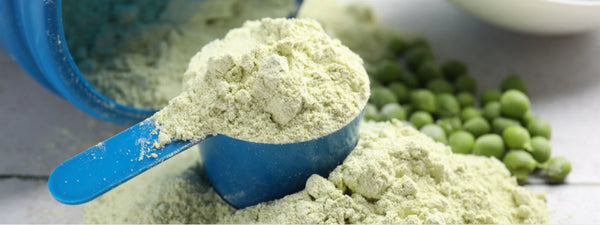
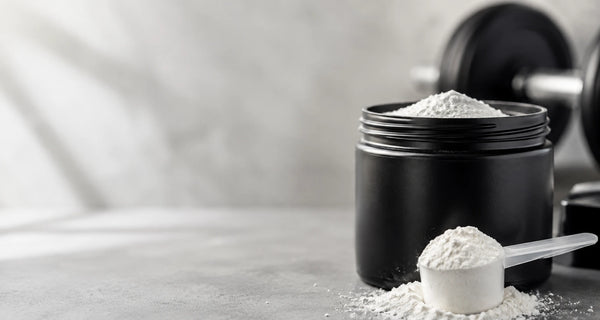
Protein supplements like whey protein (for non-veg) or pea/brown rice protein (for plant-based eaters) are practical tools when whole food sources aren't feasible. A morning protein shake takes 60 seconds and can completely transform your energy arc for the day.
Lever 3: The Creatine Conversation
Yes, creatine is for energy, not just muscles. Creatine directly regenerates ATP and has robust research showing improvements in cognitive energy, mental fatigue reduction, and physical performance. A 3-5g daily dose is safe, well-researched, and underused by people who aren't athletes but absolutely should be using it.
Lever 4: Shilajit for Deep Cellular Energy
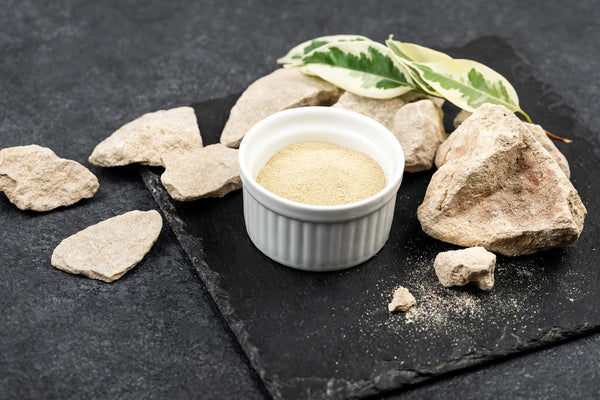
Here's one most people haven't heard of. Shilajit resin is a thick, mineral-rich substance that oozes from Himalayan rocks and has been used in Ayurvedic medicine for centuries. Modern science backs it up: it contains fulvic acid, which helps mitochondria produce energy more efficiently. It also delivers over 75 trace minerals in bioavailable form and supports testosterone levels in men. For energy specifically, it's one of the most underrated supplements on the market.
Lever 5: The B Vitamin Complex Reset
Vitamin B complex, particularly B12 and B6, are foundational to your body's energy production pathways. B12 deficiency is one of the most common causes of low energy levels, especially in vegetarians and vegans who don't get dietary B12. Signs include fatigue, brain fog, and even low mood. A high-quality B complex supplement or methylated B12 (the form your body actually uses best) can create noticeable changes within weeks.
Lever 6: Address the Iron Story
Iron supplements or iron-rich foods are critical, especially for women. Low energy levels in women frequently trace back to sub-optimal ferritin levels. Ferritin is your iron storage protein, and your doctor might say your iron is "normal" while your ferritin is actually low. Request a full panel. Pair iron with vitamin C for better absorption and avoid taking it with calcium or coffee.
Lever 7: Regulate Sleep and Light Exposure
No supplement stack can override a broken circadian rhythm. Morning light in the first 30 minutes of waking calibrates your cortisol curve for the entire day, which means better energy in the morning and better sleep at night. Evening blue light suppresses melatonin and fragments your deep sleep. It's a free lever that most people completely ignore.

Full Day Meal Plan for Sustained Energy
|
Meal |
Time |
Veg Option |
Non-Veg Option |
Calories (approx.) |
Protein (g) |
Carbs (g) |
Fats (g) |
|
Breakfast |
7:30 AM |
Moong dal chilla (2) + Greek yogurt + handful of almonds |
3 egg omelette with veggies + 1 slice whole wheat toast + black coffee |
380-420 |
22-26 |
30-35 |
12-15 |
|
Mid-Morning Snack |
10:30 AM |
Banana + 1 scoop pea protein shake with water |
Banana + 1 scoop whey protein shake |
220-250 |
20-24 |
28-32 |
3-5 |
|
Lunch |
1:00 PM |
Brown rice + rajma or chana + cucumber raita + sauteed greens |
Brown rice + grilled chicken breast (150g) + dal + salad |
500-550 |
28-35 |
65-70 |
10-13 |
|
Afternoon Snack |
4:00 PM |
Roasted makhana (foxnuts) + green tea |
Boiled eggs (2) + black coffee or green tea |
150-180 |
8-12 |
15-18 |
5-8 |
|
Pre-Workout / Pre-Dinner |
6:30 PM |
Coconut water + 3g creatine + trace mineral drops |
Coconut water + 3g creatine + electrolyte sachet |
50-60 |
0 |
12-14 |
0 |
|
Dinner |
8:00 PM |
Tofu stir fry with veggies + 1 small roti or quinoa |
Grilled fish or chicken + steamed veggies + 1 small roti |
400-450 |
28-34 |
30-35 |
12-15 |
|
Post-Dinner |
9:30 PM |
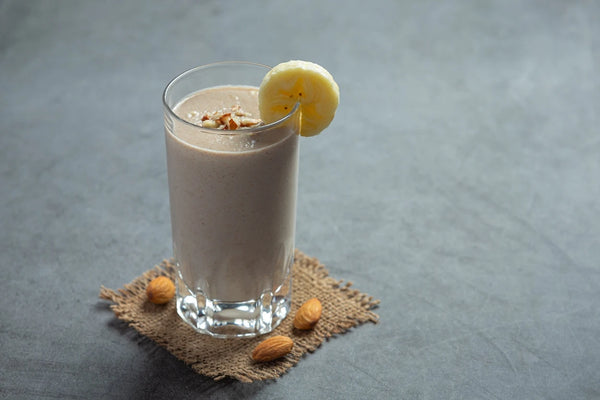
Warm turmeric milk (dairy or almond) + 1 tsp shilajit resin |
Warm turmeric milk (dairy or almond) + 1 tsp shilajit resin
|
100-120 |
4-6 |
10-12 |
4-5 |
|
TOTAL |
|
|
|
1800-2030 |
110-137g |
190-216g |
46-61g |
Adjust portions based on your body weight and activity level. Add an iron supplement with vitamin C at lunch if prescribed. Take vitamin B complex in the morning with food.
5 Key Takeaways
-
Most fatigue is nutritional, not motivational. Before blaming your mindset, check your iron, ferritin, B12, vitamin D, and magnesium. A blood test can reveal what no amount of willpower can fix.
-
Creatine and shilajit resin are the most underrated energy tools. One is backed by thousands of studies; the other by centuries of traditional use plus growing modern research. Neither is just for athletes.
-
Protein at breakfast is the single highest-ROI dietary change for energy. It stabilizes blood glucose, fuels dopamine, and prevents the mid-morning crash that steals your focus.
-
Your minerals matter more than your macros. Trace minerals and electrolytes keep your cells electrically active. Without them, your mitochondria can't do their job regardless of how clean you eat.
-
Light is a lever. Morning sunlight and evening darkness cost nothing and fundamentally regulate your cortisol and melatonin rhythm, which controls when you feel awake and when you sleep deeply.
FAQs
Q1. What are the most common causes of low energy in the body?
The most common causes include iron deficiency, low B12 or vitamin D, poor sleep quality, blood sugar instability from a high-carb or ultra-processed diet, dehydration, chronic stress, and mitochondrial dysfunction.
Q2. How can I get an instant energy boost without caffeine?
Cold water on your face, 10 deep breaths, a walk in natural light, a protein-rich snack, or a small dose of electrolytes can all create a quick and clean lift. Trace mineral drops in water also work fast for many people.
Q3. What vitamins should I take to boost energy?
Vitamin B complex (especially B12 and B6), Vitamin D3, iron (if deficient), and magnesium are the big four. For deeper support, shilajit resin and creatine are powerful additions.
Q4. Is low energy more common in women? Why?
Yes. Low energy levels in women are often linked to menstrual blood loss causing iron and ferritin depletion, thyroid dysfunction, hormonal fluctuations during the menstrual cycle, and a higher prevalence of B12 deficiency among vegetarians.
Q5. How long does it take for supplements to improve energy?
B12 effects can be felt within 1-2 weeks. Iron levels typically improve in 4-8 weeks. Creatine's cognitive and physical effects show up in 1-2 weeks of consistent loading. Shilajit resin often shows results in 2-4 weeks.
Q6. Can creatine help with mental fatigue, not just physical?
Absolutely. Multiple peer-reviewed studies show creatine supplementation reduces mental fatigue and improves working memory, particularly in sleep-deprived individuals. It's a legitimate brain fuel.
Q7. What's the difference between fatigue and being tired?
Tiredness resolves with sleep. Fatigue persists even after rest. Chronic fatigue with no improvement from sleep is a sign of an underlying nutritional, hormonal, or metabolic issue that needs investigation.
Q8. Is shilajit resin safe for everyday use?
Yes, for most healthy adults. Always choose a purified, lab-tested shilajit resin from a reputable brand. Avoid raw, unpurified forms. People with hemochromatosis or kidney issues should consult a doctor first.
Q9. Can I boost energy levels through food alone without supplements?
For mild energy issues, yes. Focus on iron-rich foods (spinach, lentils, red meat, pumpkin seeds), B12 sources (eggs, dairy, meat, fortified foods), complex carbs, and adequate protein. For moderate to severe deficiencies, targeted supplementation alongside diet is faster and more reliable.
Q10. Why do I feel more energetic after exercise even when I'm tired?
Exercise stimulates mitochondrial biogenesis (your body literally builds more energy-producing units), releases endorphins, improves insulin sensitivity, and regulates cortisol. The short-term energy cost always pays compound interest over time.

Recommended Products
 Shilajit Gold
₹1,039 – ₹2,078
Shilajit Gold
₹1,039 – ₹2,078
 Shilajit Resin
₹879 – ₹1,758
Shilajit Resin
₹879 – ₹1,758
 Whey Protein Concentrate 27g | 1kg | 4B CFU Probiotics | Unflavoured
₹4,749 – ₹9,498
Whey Protein Concentrate 27g | 1kg | 4B CFU Probiotics | Unflavoured
₹4,749 – ₹9,498
 Whey Protein Isolate + Concentrate 24g | 1kg | 4B CFU Probiotics | Kesar Pista Badam
₹6,174 – ₹12,348
Whey Protein Isolate + Concentrate 24g | 1kg | 4B CFU Probiotics | Kesar Pista Badam
₹6,174 – ₹12,348
 Whey Protein Isolate + Concentrate 24g | 1kg | 4B CFU Probiotics | Mango Flavoured
₹6,174 – ₹12,348
Whey Protein Isolate + Concentrate 24g | 1kg | 4B CFU Probiotics | Mango Flavoured
₹6,174 – ₹12,348
 Whey Protein Isolate + Concentrate 24g | 1kg | 4B CFU Probiotics | Swiss Chocolate
₹6,174 – ₹12,348
Whey Protein Isolate + Concentrate 24g | 1kg | 4B CFU Probiotics | Swiss Chocolate
₹6,174 – ₹12,348
 Trace Mineral Drops (ConcenTrace®) | 70+ Ionic Minerals & Magnesium | 40 Servings
₹1,000 – ₹1,934
Trace Mineral Drops (ConcenTrace®) | 70+ Ionic Minerals & Magnesium | 40 Servings
₹1,000 – ₹1,934
 Hydrasalt Blood Orange (Pack of 15)
₹639 – ₹1,278
Hydrasalt Blood Orange (Pack of 15)
₹639 – ₹1,278
 Hydrasalt Cucumber Lemonade (Pack of 15)
₹639 – ₹1,278
Hydrasalt Cucumber Lemonade (Pack of 15)
₹639 – ₹1,278
 Creatine Monohydrate + HCL | 100g | 300mg Taurine | Unflavoured
₹584 – ₹1,168
Creatine Monohydrate + HCL | 100g | 300mg Taurine | Unflavoured
₹584 – ₹1,168
 Creatine Monohydrate | 100g | 300mg Taurine | Unflavoured
₹494 – ₹988
Creatine Monohydrate | 100g | 300mg Taurine | Unflavoured
₹494 – ₹988
 Bioactive B Complex | Methylated B Vitamins with Biotin & Vitamin C | 60 Capsules
₹872 – ₹1,708
Bioactive B Complex | Methylated B Vitamins with Biotin & Vitamin C | 60 Capsules
₹872 – ₹1,708
 Liposomal Iron Complex |Pack of 60 Capsules
₹969 – ₹1,898
Liposomal Iron Complex |Pack of 60 Capsules
₹969 – ₹1,898