Your skin is not a surface. It is an organ, the largest one you have, and it is constantly reporting on what is happening everywhere else in your body. Gut inflammation, bad sleep, a stressful Tuesday, what you ate last week. It all shows up on your face eventually.
Most people treat skincare as a shelf of products. The science of skin says otherwise. What causes skin aging has far less to do with serums and far more to do with biology you cannot see: hormones, oxidative load, the gut, and a 28-day cellular clock running underneath everything.
What Actually Determines How Skin Looks and Ages
Before getting into causes, it helps to know what skin actually is. Skin is built in layers, with the epidermis constantly regenerating from the base upward and the dermis underneath supplying the structural proteins, collagen and elastin, that keep it firm. Skin types (oily, dry, combination, sensitive) describe how that structure behaves on the surface, but they are downstream of biology, not the cause of it.
There isn't one single driver of aging changes in skin. It is the sum of several measurable processes happening at once: the rate of cell turnover, the strength of the skin barrier, the speed of collagen breakdown versus collagen synthesis, and how much oxidative damage the body is dealing with on a given day. Each of those processes has its own logic, its own timeline, and its own fix. That is what this guide breaks down.
The 28-Day Clock: Your Skin Cycle
Skin does not repair itself randomly. It runs on a biological skin cycle, roughly 28 days in your 20s, stretching to 40 to 50 days by your late 30s and 40s. New cells are produced at the base of the epidermis, travel upward, and are shed by the time they reach the surface (NIH).

When this cycle slows, skin looks duller, thicker in texture, and slower to recover from breakouts or sun exposure, long before any visible "aging" shows up. The quality of what gets produced at the base depends on three inputs: collagen scaffolding in the dermis, antioxidant capacity, and barrier health. If you want the full breakdown of how to work with this cycle instead of against it, the skin cycling science is worth a closer look.
Skin Aging Factors Nobody Puts on One List
Skin aging factors are usually discussed one at a time, sun here, sleep there. In reality they compound. Telomeres (the protective caps on your DNA) shorten faster under stress and skin aging conditions. Oxidative stress from pollution, processed food, and sun exposure damages proteins and DNA faster than your antioxidant systems can repair them.
And collagen production declines by about 1% a year from your mid-20s onward, accelerating further with high sugar intake, sun exposure, and nutrient gaps (NIH).
Two people the same age can have biological skin ages a decade apart. The reasons are rarely genetic. A full breakdown of why some people show signs your body is aging faster than others, and what is actually adjustable, lives in this piece on accelerated aging.
The Gut Skin Axis: Why Your Stomach Runs Your Glow
This is the connection most skincare routines miss entirely. The gut skin axis is a real, bidirectional communication system between your digestive tract and your skin, built on immune signaling, hormones, and microbial metabolites.
When gut bacteria ferment fiber, they produce short-chain fatty acids that regulate skin immunity and sebum production. When the gut lining is compromised (commonly called leaky gut), bacterial fragments leak into the bloodstream, triggering systemic inflammation that shows up as breakouts, redness, or persistent dullness (NIH).

If your skin has been reactive despite a clean routine, the answer might be sitting in your gut, not your bathroom shelf. The full mechanism is covered in the gut-skin connection.
Cortisol Face: What Stress Actually Does to Skin
Stress and skin aging are directly linked through one hormone: cortisol. Chronically high cortisol activates enzymes called matrix metalloproteinases that break down collagen and elastin, while simultaneously suppressing the cells that build new collagen. Breakdown speeds up. Rebuilding slows down. Both at once.
This is what is now called cortisol face: puffiness around the jaw and under-eyes, breakouts that track with stressful weeks, and a barrier that suddenly turns reactive to products that worked fine for years. None of it responds to a serum, because none of it starts on the surface (NIH). The complete picture is in cortisol face, explained.
Free Radicals: The Silent Damage You Don't Feel
Free radicals are unstable molecules that steal electrons from healthy cells to restabilize themselves, setting off a chain reaction called oxidative stress. Your immune system uses small amounts on purpose. The problem is volume: pollution, UV exposure, processed food, and chronic stress all push free radical production beyond what your body's natural defenses can neutralize.
The damage targets collagen and elastin directly, stiffening and fragmenting the scaffolding that keeps skin plump. It is cumulative and entirely silent until it shows up as fine lines, dullness, or uneven tone years later. The full list of what actually fights back, beyond "eat more antioxidants," is in this breakdown of free radical damage.
Sleep for Skin: The Repair Window You're Skipping
Sleep for skin is not just about hours. It is about timing. Skin's repair systems are scheduled to run between roughly 10 PM and 2 AM, when Human Growth Hormone peaks and drives collagen synthesis and cell turnover. Sleep outside that window, and you get the hours but miss the biology.
Cortisol is supposed to drop at night so repair can happen. Chronic stress or late sleep keeps it elevated, shrinking the repair window. Melatonin, mostly known as the sleep hormone, also functions as one of the skin's most potent internal antioxidants, and it gets suppressed the later you stay awake. The full timeline of what your face does overnight is in the sleep-skin connection.
The Dopamine Hormone and Your Skin
The dopamine hormone, usually discussed for motivation and mood, also influences skin through its effect on inflammation, repair behavior, and stress-driven habits like sleep timing and screen use late at night. Dopamine-seeking behavior (doom-scrolling, late-night screen exposure) delays melatonin release and pushes back the skin's repair window, connecting mental habits directly to physical skin outcomes (NIH). The trend connecting dopamine regulation to visible skin changes is unpacked in the dopamine skin trend.
SPF Is Not Enough: The Other Skin Threats
UV rays account for roughly 80% of visible premature aging, but the remaining 20% comes from skin threats SPF was never designed to handle: pollution particles small enough to penetrate the skin, blue light from 7 to 10 hours of daily screen time, and a damaged skin barrier that makes every other threat hit harder. The complete list of invisible threats and what to do about each is in is SPF enough.
PCOS Skin Problems: When Hormones Write the Symptoms
Pcos skin problems follow a distinct pattern: androgen excess driving cystic acne along the jawline, insulin resistance triggering dark, velvety patches at the neck and underarms, and chronic inflammation accelerating collagen breakdown. None of this responds to generic acne treatment because none of it starts with the skin. It starts with the hormones. The full hormone-to-symptom map is in PCOS skin, explained.
What To Take Daily for Skin Glow
Once you understand the mechanisms, the inputs that matter become obvious.
Collagen for skin elasticity starts with hydrolysed collagen powder, specifically Type I marine collagen. The peptides are small enough to be absorbed into the bloodstream and stimulate fibroblasts, the cells that produce your own collagen. This is the most direct natural way to increase collagen for skin beyond diet alone, and clinical trials consistently show improvement in elasticity and hydration after 8 to 12 weeks of use (NIH).
Glutathione for skin glow works through a different but complementary route. It is the body's master antioxidant, neutralizing free radicals and shifting melanin production toward a lighter pigment type, which is why it shows up so often in conversations about brightness and tone (NIH).
Vitamin C and zinc are not optional alongside either. Collagen synthesis stalls without them. They are the cofactors that complete the chemistry, not an add-on.
Daily Skin Wellness Routine, the internal version, looks like this: collagen for structure, an antioxidant (glutathione or NAC) for oxidative defense, vitamin C and zinc to complete collagen synthesis, and consistent sleep timing to protect the repair window. This is what anti ageing collagen actually means in practice, not a single ingredient, but a small, consistent set of inputs your skin is depending on daily, whether you supply them or not (NIH).
Key Takeaways
-
The science of skin comes down to a handful of measurable processes: the 28-day skin cycle, collagen turnover, oxidative load, and barrier health, not the number of products on your shelf.
-
What causes skin aging is rarely one factor. Stress, sleep timing, gut health, and sun exposure compound on top of each other.
-
The gut skin axis is causal, not just correlated. Acne, rosacea, and eczema are linked to specific, documented gut microbiome imbalances.
-
Cortisol face and stress and skin aging describe the same mechanism: chronic cortisol breaking down collagen faster than your body can rebuild it.
-
Free radicals cause cumulative, invisible damage that surfaces years later as fine lines, dullness, and uneven tone.
-
What to take daily for skin glow has a short, evidence-backed list: collagen powder, glutathione or NAC, vitamin C and zinc, and protected sleep.
Conclusion
Skin does not age in isolation. It ages in response to what is happening in your gut, your stress hormones, your sleep schedule, and your oxidative load, all running quietly underneath whatever is on your bathroom shelf. A Daily Skin Wellness Routine that only works from the outside is solving half the problem.
The real shift is starting from the inside: protecting the skin cycle, feeding collagen production, and managing the inputs, stress, sleep, gut health, that determine whether your skin is building well or breaking down faster than it should.
FAQs
What is the science of skin aging?
The science of skin aging involves several measurable processes working together: the roughly 28-day skin renewal cycle, the rate of collagen breakdown versus synthesis, oxidative stress from free radicals, and the strength of the skin barrier. None of these operate independently, which is why aging shows up differently for different people even at the same chronological age.
What causes skin aging the most?
What causes skin aging fastest is usually a combination of chronic stress (via cortisol), oxidative stress from pollution and poor diet, inadequate sleep, and nutritional gaps in vitamin C, zinc, and collagen-building amino acids. Sun exposure remains the single largest external factor, but internal factors compound on top of it.
How does stress affect skin aging?
Stress and skin aging are linked through cortisol, which activates enzymes that break down collagen and elastin while suppressing new collagen production. Chronic stress also disrupts the skin barrier and the overnight repair window, leading to puffiness, breakouts, and a dullness that does not respond to topical treatment.
What is the gut skin axis and why does it matter?
The gut skin axis is the documented, bidirectional link between gut health and skin behavior, built on immune signaling, hormone pathways, and microbial metabolites. Gut dysbiosis and a compromised gut lining are directly tied to acne, rosacea, eczema, and persistent dullness.
What is the best natural way to increase collagen for skin?
The most direct natural way to increase collagen for skin is supplying the raw materials your body needs to synthesize it: hydrolysed marine collagen powder for the amino acid building blocks, plus vitamin C and zinc as cofactors. Diet alone (bone broth, citrus, leafy greens) supports this but rarely supplies enough at a level that shows measurable change.
Does glutathione actually help with skin glow?
Glutathione for skin glow has real mechanistic support. It is the body's master antioxidant, reducing oxidative stress that degrades collagen, and it inhibits the enzyme responsible for darker pigment production, shifting melanin synthesis toward a lighter type. Most visible changes in brightness and tone appear after 8 to 12 weeks of consistent use.
What skin types age the fastest?
Dry and thin skin types tend to show visible aging earliest due to weaker barrier function and lower structural collagen reserve. Oily skin types retain plumpness slightly longer due to natural sebum, but skin type is a secondary factor. Sleep, stress, and collagen nutrition affect aging rate far more than oiliness or dryness alone.
How does sleep affect skin aging?
Sleep for skin matters as much for timing as duration. The skin's major repair window runs roughly between 10 PM and 2 AM, when growth hormone peaks and drives collagen synthesis and cell turnover. Sleeping the same number of hours later in the night misses this biological window, which is why inconsistent or late sleepers often show duller skin and slower recovery.
Can PCOS really cause skin problems?
Yes. Pcos skin problems are driven by three overlapping mechanisms: androgen excess causing persistent jawline acne, insulin resistance triggering dark patches at the neck and underarms, and chronic inflammation accelerating collagen breakdown. These symptoms typically need an internal approach (managing insulin sensitivity and inflammation) alongside topical care.
What should I take daily for healthy, glowing skin?
What to take daily for skin glow, based on current research, includes hydrolysed collagen powder for structural support, an antioxidant like glutathione or NAC for oxidative defense, vitamin C and zinc as collagen cofactors, and protected sleep timing to support the skin's overnight repair cycle. Consistency over 8 to 12 weeks matters more than any single ingredient.

Recommended Products
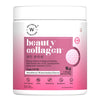 Beauty Collagen Strawberry Watermelon Flavour
₹1,939 – ₹7,196
Beauty Collagen Strawberry Watermelon Flavour
₹1,939 – ₹7,196
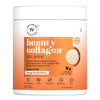 Beauty Korean Marine Collagen Peptides Mango Peach Flavour
₹1,939 – ₹7,196
Beauty Korean Marine Collagen Peptides Mango Peach Flavour
₹1,939 – ₹7,196
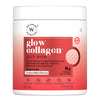 Glow Korean Marine Collagen Peptides with Liposomal Glutathione & Vitamin C | Tropical Bliss Flavour | 250g
₹1,939 – ₹7,196
Glow Korean Marine Collagen Peptides with Liposomal Glutathione & Vitamin C | Tropical Bliss Flavour | 250g
₹1,939 – ₹7,196
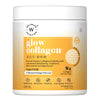 Glow Korean Marine Collagen Peptides with Liposomal Glutathione & Vitamin C | Valencia Orange Flavour | 250g
₹1,939 – ₹7,196
Glow Korean Marine Collagen Peptides with Liposomal Glutathione & Vitamin C | Valencia Orange Flavour | 250g
₹1,939 – ₹7,196
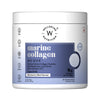 Korean Marine Collagen - Blueberry Mint
₹1,018 – ₹1,993
Korean Marine Collagen - Blueberry Mint
₹1,018 – ₹1,993
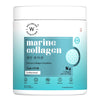 Pure Korean Marine Collagen Peptides | Unflavored | Combat Signs of Ageing
₹1,745 – ₹6,476
Pure Korean Marine Collagen Peptides | Unflavored | Combat Signs of Ageing
₹1,745 – ₹6,476
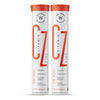 Organic Vitamin C + Zinc
₹758 – ₹2,035
Organic Vitamin C + Zinc
₹758 – ₹2,035
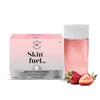 Glutathione Skin Fuel Pro+ Strawberry Flavour
₹1,044 – ₹5,803
Glutathione Skin Fuel Pro+ Strawberry Flavour
₹1,044 – ₹5,803
 Glutathione Skin Fuel Pro+ Valencia Orange Flavour
₹879 – ₹5,275
Glutathione Skin Fuel Pro+ Valencia Orange Flavour
₹879 – ₹5,275