You've been told to exfoliate on night two and recover on nights three and four. That's not a skin cycle. That's a weekend plan.
Your skin is running a 28-day biological programme underneath all of it. And most routines are too short-sighted to work with it.
The 4-Night Myth and the 28-Day Reality

When skin cycling went viral, it sold something real: the idea that skin needs recovery time, not just treatment. That insight was correct. The execution was incomplete.
That cycle slows with age, stress, sun damage, and nutritional deficits. By your 30s, it can stretch to 40–50 days. Which is why skin starts looking dull, uneven, and thicker-textured long before any visible "aging" shows up.
The four-night framework addressed surface-level irritation. Skin Cycling 2.0 addresses what's actually driving skin quality over time: the growth and repair cycle of the skin at the cellular level, and whether your routine is supporting or undermining it.

What the Growth and Repair Cycle of the Skin Actually Does
The epidermis has five layers. At the base sits the stratum basale, where stem cells divide constantly to produce new keratinocytes. These cells slowly migrate upward through the layers, flattening and keratinising as they go.
By the time they reach the top (stratum corneum), they're essentially dead, protein-filled shells whose entire job is to form a waterproof barrier that keeps pathogens out and moisture in.
That dead top layer is what most actives are working on and it is not where the action is.
The real skin care cycle only matters if the cells being produced at the base are high quality. That depends on three things:
-
Collagen scaffolding in the dermis beneath, which supports nutrient delivery and wound repair
-
Antioxidant capacity, which protects dividing cells from oxidative damage
-
The health of the skin barrier itself, which regulates what enters and exits
When those three things are compromised, no topical routine fully compensates. This is where Skin Cycling 2.0 starts to diverge from the original.

The Barrier Problem Nobody Talks About Enough
If you've been using retinoids, exfoliating acids, or high-strength actives and you have dry, tight, or reactive skin as a result, that's a disrupted dry skin cycle, not a purging phase.
A disrupted skin barrier can't hold water. Ceramides, fatty acids, and cholesterol in the top layer form a structure called the lipid matrix. That matrix is what makes the difference between skin that's plump and hydrated and skin that feels tight an hour after moisturiser.
When it's broken down by over-exfoliation, harsh surfactants, or too many actives at once, the skin cycle period between damage and recovery gets longer and longer.
Skin Cycling 2.0 treats barrier health not as a "recovery night" concept, but as a constant baseline. The rotation of actives matters less if the foundation is compromised.
Did You Know? The term "acid mantle" refers to the slightly acidic pH (4.5–5.5) of the skin's surface, which is protective against bacteria and critical for barrier enzyme function.
Most tap water in Indian cities is alkaline (pH 7–8).
Rinsing your face regularly with tap water alone is enough to disrupt this balance over time.
What a Real Skin Care Cycle Looks Like
The updated framework works in three phases, mapped loosely to monthly skin biology.
Week 1–2 (Renewal Phase): Focus on skin cell turnover support. A gentle exfoliating acid (lactic or mandelic rather than glycolic if you have a compromised barrier) 2–3 nights per week.
Retinol on off nights if skin is tolerant. Everything else should be repair-focused: ceramide moisturisers, niacinamide for barrier function, SPF without compromise during the day.
Week 3 (Repair and Recovery Phase): Cut exfoliation entirely. This phase is about feeding the dermal layer, internally and topically. Topically: peptide serums, hyaluronic acid, barrier-focus moisturisers.
Internally: this is where collagen powder does its actual work. Hydrolysed collagen peptides, especially from a marine collagen source, have been shown in several RCTs to improve skin elasticity and hydration with consistent use over 8–12 weeks. The mechanism isn't magic, collagen peptides post-digestion appear to accumulate in the dermis and stimulate fibroblasts to produce more native collagen (NIH).
Week 4 (Brightening and Oxidative Load Phase): Melanin overproduction is a downstream effect of oxidative stress and UV exposure. This is the phase to address skin tone, dullness, and hyperpigmentation. Vitamin C topically, yes. But the more upstream intervention is antioxidant support internally.
Glutathione Tablets work partly by inhibiting tyrosinase, the enzyme responsible for melanin synthesis, and partly by shifting melanin production from darker eumelanin toward lighter pheomelanin. The oral bioavailability of standard glutathione has historically been questioned, but liposomal or acetylated forms show better absorption data (NIH).
What often gets overlooked is the precursor route: NAC supplement (N-acetyl cysteine) raises intracellular glutathione levels directly, by supplying cysteine, the rate-limiting building block for glutathione synthesis. For skin brightness and oxidative protection, NAC and glutathione together address the problem at two different points in the same pathway (NIH).
The Internal Skin Routine Nobody Talks About
A daily skin care routine that stops at the bathroom shelf is doing roughly half the work.
Skin cells are built from amino acids. The collagen matrix is maintained by vitamin C, zinc, and copper-dependent enzymes. Skin barrier lipids require essential fatty acids. And the oxidative load on dividing skin cells is managed entirely by the antioxidant systems of the body.
The most common reason a skin routine stalls after 4–6 weeks isn't the wrong product combination. It's that the inputs for building new skin are inadequate internally. UV exposure, stress, pollution, and processed food diets all increase oxidative demand on skin cells. Without sufficient antioxidant supply (glutathione, vitamin C, selenium, zinc), the cells being produced are lower quality before any topical routine gets involved.
Marine collagen supplementation addresses the scaffolding piece. NAC supplement addresses oxidative protection upstream. Glutathione Tablets manage melanin and radiance. And for anyone dealing with persistent dullness or slow recovery after breakouts or sun damage, these aren't add-ons. They're the actual mechanism.
Key Takeaways
-
The skin renewal cycle is 28 days, not 4 nights. Any routine that doesn't account for this is working at the wrong timescale.
-
The growth and repair cycle of the skin depends on cell quality at the base of the epidermis, not just surface exfoliation. Barrier health, collagen production, and oxidative load all determine what you're actually growing.
-
A disrupted skin barrier extends the dry skin cycle and creates a loop of sensitivity and dullness that more actives will worsen, not fix.
-
Hydrolysed marine collagen has clinical evidence for improving skin elasticity and hydration over 8–12 weeks by stimulating fibroblast activity in the dermis.
-
Glutathione Tablets and NAC supplement together address skin brightness at two points in the same antioxidant pathway, with NAC targeting the production side and glutathione the endpoint.
-
The most under-discussed upgrade to any skin care routine is the internal one: the nutrients that determine cell quality before a single product touches your face.
Conclusion
The original skin cycle got one thing right: your skin needs time to recover, not just time to be treated. What it didn't address is that recovery is a biological process with specific inputs.
A real skin care cycle works with the 28-day biology your skin is already running. That means matching your actives to the phase of renewal your skin is in, protecting the barrier consistently rather than occasionally, and supplying the internal building blocks (collagen, antioxidants, precursors) that determine what kind of skin cells your body actually makes.
Your daily skin care routine is only as good as the skin being built underneath it.
FAQs
What is skin cycling and how is Skin Cycling 2.0 different?
The original skin cycling trend involved a four-night rotation of exfoliation, retinoid use, and recovery nights. Skin Cycling 2.0 maps the routine to the full skin renewal cycle of approximately 28 days, taking into account the biological phases of cell production, barrier repair, and oxidative turnover.
How long is the skin renewal cycle?
The skin cycle period for a healthy adult is approximately 28 days. This is the time it takes for new keratinocytes to form at the base of the epidermis, travel to the surface, and shed. The cycle slows with age, typically extending to 45–50 days by the time someone is in their late 30s or 40s. A slower skin replacement cycle is directly linked to dull, uneven, or thicker-textured skin.
Does marine collagen actually improve skin quality, or is it marketing?
Hydrolysed marine collagen has been studied in several randomised controlled trials. Results consistently show improvements in skin elasticity and hydration with 8–12 weeks of regular use. The proposed mechanism is that collagen peptides, absorbed post-digestion, accumulate in the dermis and signal fibroblasts to increase native collagen production.
What does a NAC supplement have to do with skin?
NAC supplement (N-acetyl cysteine) raises intracellular glutathione by supplying cysteine, the amino acid the body uses to synthesise glutathione. Since glutathione is the primary antioxidant protecting skin cells from UV and oxidative damage, taking NAC supports the growth and repair cycle of the skin at the cellular production level.
Are Glutathione Tablets effective for skin brightening?
Glutathione Tablets work through two mechanisms for skin brightness. First, glutathione inhibits tyrosinase, the key enzyme in melanin synthesis, slowing overproduction of pigment in sun-damaged or stressed areas. Second, it shifts melanin type from darker eumelanin toward lighter pheomelanin.
How do I know if my skin barrier is compromised?
Signs of a disrupted barrier include skin that feels tight or dry within an hour of moisturising, increased sensitivity to products that previously felt fine, redness that doesn't resolve, and a dry skin cycle that worsens rather than improves with more products. Flakiness with underlying tightness (rather than just surface dryness) is another indicator.
What's the best daily skin care routine for skin cell turnover?
A daily skin care routine that supports healthy skin cell turnover includes a gentle pH-balanced cleanser, SPF without exception during the day, and actives (retinol, lactic acid) used on a rotation rather than daily. Barrier-support ingredients (ceramides, niacinamide, peptides) should feature more nights than actives. Internally, collagen peptides, antioxidant support, and adequate protein intake supply the raw material for building new skin cells in the first place.
Can collagen powder or supplements replace topical collagen creams?
Topical collagen has poor skin penetration because collagen molecules are too large to pass through the skin barrier. Collagen powder or hydrolysed collagen supplements, by contrast, are absorbed through the gut and circulate systemically. The peptides have been shown to reach the dermis and stimulate fibroblast activity.
When is the right time to start collagen supplementation?
Collagen synthesis begins declining in the mid-20s at approximately 1% per year. Starting marine collagen supplementation in the mid-to-late 20s makes sense as a preventative measure. For those in their 30s or 40s, it becomes more directly relevant to visible changes in skin firmness and hydration. Consistent use over a minimum of 8 weeks is necessary to assess any benefit, as the skin replacement cycle at this age can be 40 days or longer.
How does stress affect the skin renewal cycle?
Psychological stress elevates cortisol, which directly impairs collagen synthesis by activating collagenase enzymes that break down existing collagen in the dermis. Stress also depletes glutathione by increasing oxidative load, slows the growth and repair cycle of the skin by diverting cellular resources, and increases skin inflammation, which can disrupt the barrier and extend the dry skin cycle (NIH).

Recommended Products
 Slow Advanced N-Acetyl-Cysteine + Glycine Capsules
₹1,119 – ₹2,238
Slow Advanced N-Acetyl-Cysteine + Glycine Capsules
₹1,119 – ₹2,238
 Beauty Korean Marine Collagen Peptides Mango Peach Flavour
₹1,699 – ₹6,796
Beauty Korean Marine Collagen Peptides Mango Peach Flavour
₹1,699 – ₹6,796
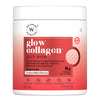 Glow Korean Marine Collagen Peptides with Liposomal Glutathione & Vitamin C | Tropical Bliss Flavour | 250g
₹1,699 – ₹6,796
Glow Korean Marine Collagen Peptides with Liposomal Glutathione & Vitamin C | Tropical Bliss Flavour | 250g
₹1,699 – ₹6,796
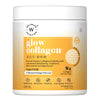 Glow Korean Marine Collagen Peptides with Liposomal Glutathione & Vitamin C | Valencia Orange Flavour | 250g
₹1,499 – ₹5,997
Glow Korean Marine Collagen Peptides with Liposomal Glutathione & Vitamin C | Valencia Orange Flavour | 250g
₹1,499 – ₹5,997
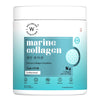 Pure Korean Marine Collagen Peptides | Unflavored | Combat Signs of Ageing
₹1,529 – ₹6,116
Pure Korean Marine Collagen Peptides | Unflavored | Combat Signs of Ageing
₹1,529 – ₹6,116