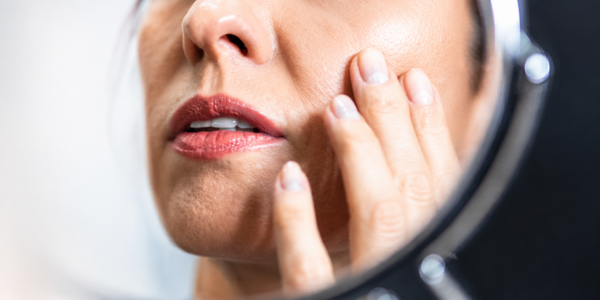
The "you lose collagen after 25" line has done a lot of damage. It's made an entire generation believe that skin ageing is a cliff you fall off at a specific age. The biology is messier, more recoverable, and far more interesting than that.
The Problem With the "Collagen Cliff" Narrative
The statistic that floats around is this: collagen production declines by about 1% per year after your mid-20s. That sounds alarming until you do the math. By 35, you haven't lost the ability to make collagen. You've lost maybe 8–10% of your peak output. The real damage isn't time. It's what you do inside that time (NIH)
Sun exposure, high-sugar diets, chronic stress, poor sleep, smoking, and even the wrong skincare routine can accelerate collagen production in skin loss by years. Researchers call this "intrinsic" versus "extrinsic" ageing. Intrinsic ageing is the slow, genetic timeline. Extrinsic ageing is everything you actually have control over and it accounts for up to 80% of visible skin changes (NIH).
This means the conversation shouldn't be "how do I stop losing collagen." It should be "how do I stop making it worse, and how do I signal my body to make more."
What Collagen Actually Is and Why Production Slows
Collagen is a structural protein. It makes up roughly 75% of your skin's dry weight, held together in a mesh of fibres that gives skin its firmness, elasticity, and bounce (NIH). When that mesh is intact, skin looks plump and smooth. When it degrades faster than it's replaced, the surface starts to show it as fine lines, thinning, and a loss of that healthy resistance when you press your finger into your cheek.
Your body makes collagen through a process called fibroblast activity. Fibroblasts are cells in the dermis that synthesise collagen continuously. The slowdown isn't because fibroblasts die, it's because their signalling environment gets messier with age. Specifically, three things happen:
First, the accumulation of damaged collagen fragments (called collagen peptide fragments) starts to actively suppress fibroblast activity. The body essentially reads "there's a lot of collagen here already" based on old signals. Second, levels of key collagen co-factors, particularly Vitamin C and zinc often trend lower with age and with high-stress lifestyles. Third, oxidative stress from UV exposure and poor metabolic health accelerates the activity of enzymes called matrix metalloproteinases (MMPs), which break down existing collagen faster than it's being rebuilt.

The net result isn't a cliff. It's a slow tipping of the scale toward degradation over synthesis. And you can intervene at multiple points.
How to Boost Collagen Production
Sun Protection First, Always
Nothing undermines your body's ability to boost collagen and elastin faster than unprotected UV exposure. SPF is the most clinically supported anti-ageing intervention that exists. It's not glamorous, but it works.
Daily broad-spectrum SPF 30 or higher, reapplied every 2–3 hours outdoors, is non-negotiable before any other intervention makes sense.
Vitamin C: The Rate-Limiting Factor in Collagen Synthesis
Vitamin C is not a nice-to-have in the collagen story. It's structurally essential. Your body uses vitamin C to hydroxylate proline and lysine, two amino acids that form the triple helix structure of collagen.
Without adequate vitamin C, your body can produce procollagen, the precursor but it cannot stabilise it into functional collagen. The collagen essentially unravels.
The practical application: dietary vitamin C from amla, guava, citrus, and bell peppers is the first line. If your diet is inconsistent, a daily supplement matters.

Glycine, Proline, and Hydroxyproline: Eating for the Building Blocks
Collagen is made from amino acids, and three of them dominate its structure: glycine, proline, and hydroxyproline. These are conditionally essential, meaning your body can make them, but under high-output situations (stress, skin repair, intense training), demand outpaces supply.
Bone broth, eggs, and high-protein diets help. But this is also where collagen powder supplementation has genuine mechanistic logic. Hydrolysed collagen powder provides pre-cleaved peptides that are absorbed readily, used to support fibroblast activity, and some research suggests they may also signal the body to ramp up its own collagen synthesis (NIH).
For those who prefer a marine source, marine collagen (typically derived from fish skin and scales) is rich in Type I collagen, the same type that dominates skin, hair, and nails. It has a smaller molecular weight than bovine collagen, which some studies suggest makes it easier to absorb.
For plant-based readers: there is no plant source of collagen. However, vegan collagen support products can provide the co-factors that drive endogenous collagen synthesis, primarily vitamin C, zinc, silica, and proline precursors. These don't replace collagen but support the biochemical environment needed to make it. If you're on a plant-based diet, this approach is the practical route.
Glutathione: The Oxidative Stress Angle
One underappreciated angle in the how to boost collagen in skin conversation is oxidative load. Free radicals generated by UV exposure, pollution, and glycation attack collagen fibres directly and upregulate MMPs. Glutathione, your body's master antioxidant, mops up these radicals before they reach the dermis.
Research has shown that glutathione supplementation, both oral and intravenous, has some effect on skin brightness and oxidative damage markers (NIH). A glutathione tablet used consistently can contribute to a lower oxidative burden in the skin, creating a more collagen-friendly environment.
Glutathione powder forms offer similar benefits in a different delivery format, and some users find powders easier to incorporate daily. Neither is a collagen substitute. Think of them as reducing the rate of degradation rather than directly boosting synthesis.
What Age to Take Collagen Supplements
The short answer: earlier than most people start. The common belief is that supplements become necessary only in your 40s or 50s. But if collagen production begins its slow decline from the mid-20s, and extrinsic factors are often the bigger driver, then starting in your late 20s to early 30s is rational, especially if you have high sun exposure, a high-stress lifestyle, or a diet low in protein.
Starting in your 20s doesn't mean you "need" it the way someone in their 50s might. It means you're maintaining supply during a period when demand is high and depletion is beginning. The analogy is savings. You don't start saving only when you're broke.

Natural Ways to Boost Collagen
How to naturally boost collagen comes down to four levers:
-
Protect what you have: daily SPF, adequate sleep (this is when the skin repairs), no smoking, reduced sugar load
-
Feed the synthesis pathway: vitamin C consistently, zinc, protein at every meal
-
Support the environment: manage oxidative stress via antioxidant-rich foods and targeted supplementation like a glutathione tablet or glutathione powder if needed
-
Supplement strategically: hydrolysed collagen powder or marine collagen if dietary intake is inconsistent or you're targeting specific skin or joint outcome
For how to boost collagen in face and specifically for those targeting the boost collagen in face goal, topical retinoids (retinol or tretinoin) are the most evidence-backed topical option.
They work by activating fibroblast gene expression, directly increasing collagen synthesis in the dermis. They're a good pair with oral collagen or marine collagen supplementation because they work at different depths.
Key Takeaways
-
Collagen production doesn't fall off a cliff at 25. It declines slowly, and extrinsic factors like UV, sugar, and oxidative stress drive faster loss than age alone.
-
Vitamin C is not optional in the collagen synthesis pathway. Without it, your body cannot stabilise the collagen it tries to make.
-
Hydrolysed collagen powder and marine collagen are the best-supported supplement forms for skin outcomes, both through direct supply of building blocks and signalling effects on fibroblasts.
-
Glutathione tablet or glutathione powder supplementation can reduce oxidative degradation of existing collagen, especially relevant for high sun exposure and urban pollution contexts.
-
SPF is the most impactful single habit for preserving collagen production in skin over time. No supplement overcomes consistent UV damage.
-
What age to take collagen supplements has no single right answer, but starting in the late 20s to early 30s is rational if lifestyle risk factors are present.
Conclusion
The idea that collagen is a thing that happens to you is wrong. It's a biological process with inputs, and many of those inputs are in your control. The 1% annual decline is not destiny. It's a baseline that a consistent routine can meaningfully offset. Start with what you eat, protect yourself from what degrades it, and supplement with precision rather than panic.
FAQs
1: At what age does collagen production decline?
Collagen production begins a gradual decline from the mid-20s at roughly 1% per year. However, intrinsic decline is slower than extrinsic depletion caused by UV exposure, smoking, high sugar intake, and chronic stress. The visible effects typically compound in the 30s and 40s, but the biology of decline starts earlier.
2: What is the best way to increase collagen production naturally?
The most evidence-backed natural ways to boost collagen include daily Vitamin C intake, a protein-rich diet with adequate glycine and proline, consistent sun protection, and quality sleep. Adding hydrolysed collagen powder or marine collagen supplements can support this further, particularly when dietary protein is inconsistent.
3: Does marine collagen work better than regular collagen powder?
Marine collagen is primarily Type I collagen with a smaller molecular weight, which may improve its absorption compared to bovine sources. For skin, hair, and nail outcomes specifically, Type I is the most relevant form. Both marine collagen and bovine collagen powder have research support. The better option depends on your dietary preferences and whether you prefer a pescatarian-aligned source.
4: Is there a vegan collagen supplement?
Plants do not produce collagen, so there is no true vegan collagen. However, vegan collagen support products containing vitamin C, zinc, silica, and amino acid precursors can help your body optimise its own collagen synthesis. These are not equivalent to taking collagen directly but are a reasonable approach for those on a plant-based diet.
5: How does glutathione help with collagen?
Glutathione reduces oxidative stress in the skin, which is one of the main drivers of collagen degradation. By neutralising free radicals from UV and pollution, a glutathione tablet or glutathione powder creates a lower-damage environment where collagen is less likely to be broken down by matrix metalloproteinases (MMPs). It supports collagen preservation rather than synthesis directly.
6: How to boost collagen in face specifically?
For targeted boost collagen in face outcomes, a combination approach works best: oral collagen or marine collagen supplementation for systemic support, topical retinoids or retinol to activate fibroblast gene expression in the dermis, and daily SPF to prevent UV-induced degradation. Vitamin C serum topically also has some fibroblast-stimulating evidence.
7: What age should you start taking collagen supplements?
What age to take collagen supplements is a commonly asked question. There's no universal cutoff, but the late 20s to early 30s is a practical window to consider, especially with high UV exposure, stressful lifestyle, or low protein intake. Waiting until your 40s or 50s is not wrong, but earlier use is preventive rather than restorative.
8: Can diet alone boost collagen production?
Diet can meaningfully support how to increase collagen production, particularly through vitamin C, zinc, glycine-rich foods like eggs and bone broth, and adequate overall protein. But if sun exposure is high or oxidative stress is significant, diet alone may not offset the rate of degradation. A supplement like hydrolysed collagen powder or a glutathione tablet can bridge the gap.
9: How long does it take to see results from collagen supplementation?
Most clinical studies on hydrolysed collagen powder and marine collagen show measurable skin improvements in elasticity, hydration, and fine lines at the 8 to 12-week mark, with consistent daily use. Some studies show early improvements at 4 weeks for hydration. Results are cumulative, not immediate.
10: Does stress affect collagen production?
Yes. Chronic stress elevates cortisol, which has been shown to suppress collagen synthesis and increase MMP activity, the enzymes that degrade existing collagen. This is one reason that sleep deprivation, which spikes cortisol, visibly ages the skin over time. Managing stress is part of a genuine how to boost collagen production protocol, not just a wellness platitude.

Recommended Products
 Beauty Collagen Strawberry Watermelon Flavour
₹1,599 – ₹6,397
Beauty Collagen Strawberry Watermelon Flavour
₹1,599 – ₹6,397
 Beauty Korean Marine Collagen Peptides Mango Peach Flavour
₹1,599 – ₹6,397
Beauty Korean Marine Collagen Peptides Mango Peach Flavour
₹1,599 – ₹6,397
 Glow Korean Marine Collagen Peptides with Liposomal Glutathione & Vitamin C | Tropical Bliss Flavour | 250g
₹1,599 – ₹6,397
Glow Korean Marine Collagen Peptides with Liposomal Glutathione & Vitamin C | Tropical Bliss Flavour | 250g
₹1,599 – ₹6,397
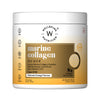 Marine Collagen - Valencia Orange
₹839 – ₹1,678
Marine Collagen - Valencia Orange
₹839 – ₹1,678
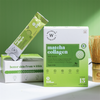 Matcha Collagen
₹1,359
Matcha Collagen
₹1,359
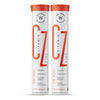 Organic Vitamin C + Zinc
₹638 – ₹1,915
Organic Vitamin C + Zinc
₹638 – ₹1,915
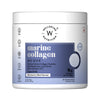 Korean Marine Collagen - Blueberry Mint
₹839 – ₹1,678
Korean Marine Collagen - Blueberry Mint
₹839 – ₹1,678