Your skin is aging faster than your calendar says. Free radicals might be why.
You wake up, splash water on your face, and squint at the mirror. The fine lines, the dullness, the uneven tone that wasn't there two years ago. You've tried the serums. You've upped your SPF. But here's the thing nobody is talking about loudly enough: the damage might be happening from the inside out, invisibly, every single day.
The culprit? Free radicals, and they are far more aggressive than most skincare conversations let on.
Let's get into it, all the way.
So, What Are Free Radicals, Really?
Think of every cell in your body as a tiny molecule party. Electrons like to exist in pairs; it’s basic chemistry, it's how stability works. But sometimes, a molecule loses one of its electrons and becomes unstable. That unstable molecule is a free radical. And what does it do? It immediately starts stealing electrons from neighboring molecules to restabilize itself. This creates a chain reaction of cellular damage and that, in a nutshell, is oxidative stress.
The stability of free radicals is essentially zero. They are reactive, aggressive, and relentless. And your skin, being the outermost organ of your body and the one most exposed to the environment, takes the hardest hit.
The types of free radicals most relevant to skin health include:
-
Reactive Oxygen Species (ROS) — the most common, generated by UV exposure, pollution, and even normal metabolism
-
Reactive Nitrogen Species (RNS) — linked to inflammation and immune activity
-
Superoxide and Hydroxyl Radicals — the most destructive, capable of breaking DNA strands

Free Radicals in the Body: The 24/7 War You Don't See
Here's something that might surprise you: free radicals in the body are not entirely bad. Your immune system actually uses them to destroy pathogens. In small, controlled amounts, they serve a purpose. The problem is volume and imbalance.
Modern life has tipped the scales dramatically. Pollution, UV radiation, processed food, chronic stress, alcohol, cigarette smoke, even intense exercise without proper recovery, all of these spike free radical production far beyond what your body's natural defenses can neutralize. When the scale tips, free radical oxidative stress takes over, and your skin starts paying the price visibly.
The Free Radical Theory of Aging: Why Your Skin Ages Faster Than It Should
The free radical theory of aging, first proposed by Dr. Denham Harman in 1956, suggests that the cumulative damage caused by free radicals is one of the primary drivers of biological aging. Decades of research have expanded and refined this theory, and while aging is multifactorial, oxidative damage remains a central pillar.
In skin terms, this translates to: collagen breakdown, elastin degradation, DNA damage in skin cells, impaired barrier function, and hyperpigmentation. Every unprotected hour in the sun, every late night, every processed meal is a deposit into what scientists call your oxidative debt. And skin is where that debt shows up first.
Free Radicals and Skin: The Breakdown You Can See
Free radicals in skin specifically attack collagen and elastin fibers, the scaffolding that keeps skin plump, bouncy, and smooth. Once these fibers are oxidized, they stiffen and fragment. Skin starts to sag. Wrinkles deepen. Pores look larger because the surrounding structure has lost its tension.
But the damage goes deeper. Free radicals also trigger inflammatory pathways that accelerate melanin production (hello, dark spots), disrupt the skin barrier (hello, sensitivity and dryness), and can even cause mutations in keratinocytes, the cells that make up the outermost skin layer.
The tricky part? You don't feel it happening. Free radical damage is cumulative and largely silent, which makes knowing how to reduce free radicals in the body not just a beauty tip, but a genuine health strategy.

What Actually Fights Back: The Real Antioxidant Arsenal
This is where it gets exciting. Your body has a built-in antioxidant defense system, and you can supercharge it with smart food choices and targeted supplementation.
Food First — The Practical Plate
Forget vague advice like "eat colorful vegetables." Here's what to actually put on your plate:
-
Wild blueberries over regular blueberries — they have nearly double the antioxidant content due to smaller size and higher skin-to-flesh ratio
-
Pomegranate — contains punicalagins, a class of antioxidants found almost nowhere else in nature, shown to inhibit enzymes that break down collagen
-
Dark leafy greens (spinach, kale, Swiss chard) — rich in lutein, which specifically protects against UV-induced oxidative damage
-
Brazil nuts — just 2 a day provide your full daily selenium needs; selenium is a cofactor for glutathione synthesis, your master antioxidant
-
Turmeric with black pepper — curcumin is a potent free radical scavenger, but absorption jumps 2000% when paired with piperine from black pepper
-
Green tea — EGCG (epigallocatechin gallate) is one of the most studied antioxidants for skin protection, particularly against UV-induced DNA damage
-
Fermented foods (kimchi, kefir, miso) — gut health and skin health are deeply connected; a balanced microbiome reduces systemic inflammation that amplifies free radical damage
-
Avocado — vitamin E paired with healthy fats enhances absorption of fat-soluble antioxidants from everything else you eat

Supplements That Actually Move the Needle
NAC supplement (N-Acetyl Cysteine) is one of the most underrated additions to a skin health protocol. NAC is a precursor to glutathione, your body's most powerful internally produced antioxidant. Unlike taking glutathione directly, NAC is efficiently absorbed and crosses cellular membranes, boosting glutathione synthesis at the source. Research shows it significantly reduces oxidative stress markers.
Glutathione tablets are gaining real traction in skin science. Glutathione neutralizes free radicals, regenerates vitamins C and E after they've been oxidized, and plays a direct role in skin lightening by shifting melanin synthesis away from darker eumelanin toward lighter phaeomelanin. Liposomal glutathione forms tend to have better bioavailability than standard tablets.
Collagen powder addresses the aftermath of free radical damage. While antioxidants neutralize the attack, collagen supplementation helps rebuild what's been broken down. Hydrolyzed collagen peptides (types I and III for skin) have been shown in multiple clinical trials to improve skin elasticity, hydration, and dermal density within 8 to 12 weeks of daily use. Pairing it with vitamin C is non-negotiable; vitamin C is a required cofactor for collagen synthesis.
Trace mineral drops are the sleeper pick most people miss. Minerals like zinc, copper, and manganese are essential cofactors for superoxide dismutase (SOD), one of the body's most critical antioxidant enzymes. Modern soil depletion means even clean eaters can be mineral-deficient. A good trace mineral supplement fills gaps your food might not cover.
Key Takeaways
- Free radicals are unstable molecules that trigger a chain reaction of cellular damage and your skin, as your outermost organ, is the most visible target.
- Oxidative stress is cumulative and silent. UV exposure, pollution, stress, and poor diet all compound over years before damage becomes visible.
- Your diet is your first and most powerful line of defense, specific foods like wild blueberries, pomegranate, Brazil nuts, and green tea offer targeted antioxidant protection.
- Smart supplementation fills what food can't. NAC, glutathione, collagen powder, and trace mineral drops address free radical damage at different levels: prevention, neutralization, cofactor support, and repair.
- The free radical theory of aging is not a theory you passively accept; it's a system you can actively intervene in, starting today, with both what you eat and what you supplement.
FAQs
1. Can I actually feel free radical damage happening?
No. Free radical oxidative stress is entirely invisible in real time. The damage accumulates silently and surfaces years later as premature aging, pigmentation, and compromised skin texture.
2. Is sunscreen enough to protect against free radicals from UV?
Sunscreen reduces UV-induced free radical generation, but it doesn't neutralize radicals already formed. Pairing SPF with topical antioxidants (like vitamin C serum) and internal antioxidants gives you far more comprehensive protection.
3. How long before I see results from glutathione tablets?
Most studies show visible changes in skin brightness and texture between 8 and 12 weeks of consistent daily use. Internal antioxidant work is not overnight, it's a long game.
4. Can exercise increase free radical production?
Yes, high-intensity exercise temporarily increases ROS production. However, regular moderate exercise actually upregulates your body's own antioxidant enzyme systems over time, making this a net positive.
5. What's the difference between NAC and glutathione supplements?
NAC is a precursor that your body converts into glutathione internally, often with better absorption. Glutathione tablets, especially liposomal forms, deliver the antioxidant more directly. Many experts recommend both for synergistic effect.
6. Is collagen powder more effective than collagen creams?
Yes, by a significant margin. Collagen molecules in topical creams are too large to penetrate the dermis. Oral hydrolyzed collagen peptides are absorbed into the bloodstream and delivered directly to fibroblasts where collagen is synthesized.
7. Can stress really cause free radical damage?
Absolutely. Psychological stress triggers cortisol and adrenaline release, both of which increase mitochondrial ROS production. Chronic stress is a major driver of accelerated skin aging.
8. Are trace minerals the same as multivitamins?
Not exactly. Most multivitamins include some minerals, but trace mineral drops provide a broader, more bioavailable spectrum of microminerals that are cofactors for key antioxidant enzymes like superoxide dismutase.
9. What foods actively make free radical damage worse?
Processed foods high in refined sugar, trans fats, and artificial additives directly increase oxidative stress. Alcohol and cigarette smoke are among the most aggressive free radical triggers known.
10. At what age should I start thinking about free radical protection?
Now. Free radical damage begins accumulating from childhood with UV exposure and continues throughout life. The earlier you build antioxidant-rich habits, the lower your cumulative oxidative debt by midlife.

Recommended Products
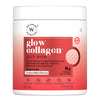 Glow Korean Marine Collagen Peptides with Liposomal Glutathione & Vitamin C | Tropical Bliss Flavour | 250g
₹1,599 – ₹6,397
Glow Korean Marine Collagen Peptides with Liposomal Glutathione & Vitamin C | Tropical Bliss Flavour | 250g
₹1,599 – ₹6,397
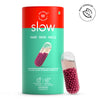 Hair, Skin & Nails Slow
₹1,119 – ₹2,238
Hair, Skin & Nails Slow
₹1,119 – ₹2,238
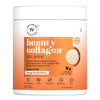 Beauty Korean Marine Collagen Peptides Mango Peach Flavour
₹1,599 – ₹6,397
Beauty Korean Marine Collagen Peptides Mango Peach Flavour
₹1,599 – ₹6,397
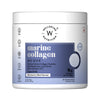 Korean Marine Collagen - Blueberry Mint
₹839 – ₹1,678
Korean Marine Collagen - Blueberry Mint
₹839 – ₹1,678
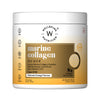 Marine Collagen - Valencia Orange
₹839 – ₹1,678
Marine Collagen - Valencia Orange
₹839 – ₹1,678
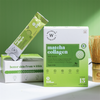 Matcha Collagen
₹1,359
Matcha Collagen
₹1,359
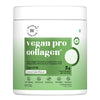 Vegan Pro Collagen Lemon Lime
₹1,439 – ₹2,878
Vegan Pro Collagen Lemon Lime
₹1,439 – ₹2,878