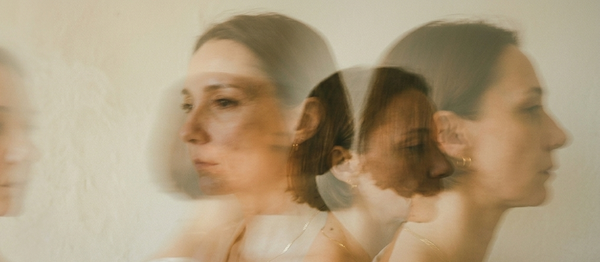
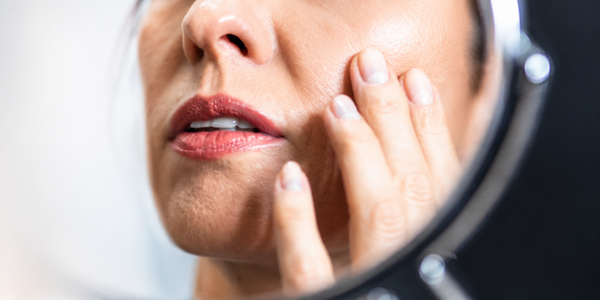
You roll out of bed, catch a glimpse of yourself in the mirror, and hello, swollen stranger. Puffy eyes, a pillow-dented cheek, a face that looks like it went three rounds overnight. Sound familiar? You're not alone. Morning puffiness is one of the most common skin complaints across India, where high-sodium diets, humid weather, late nights, and early morning chai rituals are all very real parts of life.
But here's the good news: this is not just "how you look in the morning." There's solid science behind why it happens and more importantly, how to make it stop.
Why Does Your Face Puff Up Overnight? (The Science, Simply Explained)
Before we get into fixes, let's talk about why this happens, because understanding the root cause makes every remedy make so much more sense.
Your face puffs up overnight primarily because of fluid redistribution and lymphatic slowdown. During the day, gravity and muscle movement keep your lymphatic system , the body's fluid drainage network , working efficiently.
But when you lie flat for 7-8 hours, that drainage slows dramatically. The lymphatic system has no pump of its own (unlike the heart); it depends entirely on movement and gravity to function. So while you're asleep and still, fluid quietly pools in the soft tissues of your face, especially under the eyes, where the skin is thinnest.
Add a salty dinner (hello, instant noodle and papad), a couple of drinks, or a stressful day, and the puffiness gets amplified. Cortisol, your body's stress hormone, also peaks naturally in the morning, which can heighten inflammatory reactivity in the skin.
The result? A puffy face and swollen eyes in the morning that can take anywhere from 30 minutes to a few hours to settle.
Now, let's fix it.
1. Change How You Sleep (Your Pillow Position Matters More Than You Think)
This is the single biggest factor most people overlook.
Sleeping flat or face-down is the fastest route to a puffy face in the morning. When your head is at the same level as your body, lymphatic fluid from your face has nowhere to drain. Stomach sleepers have it worst, your face is pressed directly into the pillow for hours, restricting circulation and actively pushing fluid into facial tissues.
The fix: Sleep on your back with your head slightly elevated; even just one extra pillow makes a measurable difference. Back sleeping allows gravity to assist lymphatic drainage away from the face overnight. Within a few nights of switching, you may notice a visible reduction in morning puffiness.

2. Splash Cold Water on Your Face (The Oldest Trick, Backed by Science)
Remember how your nani always said "thanda paani se munh dho"? Turns out, she was onto something.
Cold water causes vasoconstriction, it causes the blood vessels in your face to tighten, which quickly reduces swelling and redness. But that's not all.
Cold water also stimulates your lymphatic system, encouraging better drainage of the excess fluid that's been pooling in your face all night.

A simple 30-second cold water splash or even submerging your face in a bowl of cold water with a few ice cubes for 15-20 seconds, can visibly reduce puffiness within minutes.
3. Do a 2-Minute Facial Massage (Your Fingers Are Free Tools)
This one sounds luxurious but takes two minutes and costs nothing. Facial lymphatic drainage massage is one of the most clinically supported methods for reducing morning puffiness.
The technique is simple:
-
Start at the center of your face
-
Use gentle outward strokes from your nose toward your ears, from your chin toward your neck
-
Work downward from the face toward the collarbone (where lymph nodes drain)
-
Apply light pressure; this isn't a deep tissue massage
By manually encouraging lymph flow, you‘re essentially doing the job your lymphatic system can't do when you're lying still.

4. Cut the Salt at Night (Your Snack Can Wait)
Indians love their flavour, and that's not changing. But if you're consistently waking up with a puffy face, your 10 PM dinner of rajma-chawal with extra achaar might be a contributing factor.
High sodium intake causes the body to retain water, as your kidneys work to maintain sodium-water balance. Salty meals at night when you're less active and about to lie flat are especially problematic because that excess fluid has nowhere to go except your face.
The fix: Aim to have your saltiest meals earlier in the day. At night, go lighter, khichdi over chips, dahi over processed sauces. And please, put the instant noodles down.

Also, alcohol is a double whammy: it dilates blood vessels AND causes water retention, which is why post-party mornings are famously puffy.
5. Drink Water First Thing (Counterintuitive, But It Works)
"But I'll look more puffy if I drink water!" Nope. That's a myth.
When you're dehydrated, your body panics and hoards whatever fluid it has, causing visible retention and puffiness. Paradoxically, drinking water signals your body that it's not in a drought, and it releases the stored fluid.
A glass of warm water first thing in the morning , ideally before your chai, gets your lymphatic and digestive systems moving, flushes out excess sodium, and kickstarts circulation. This is one of the most underrated morning puffiness remedies that's also completely free.

Bonus: Adding a squeeze of lemon not only helps with hydration but the vitamin C supports collagen production; a double win for your skin.
6. Check Your B12 (Especially If You're Vegetarian)
Here's something many people don't connect to their puffy mornings: Vitamin B12 deficiency.
India has one of the highest rates of B12 deficiency in the world, largely because so many of us follow vegetarian or vegan diets, and B12 is almost exclusively found in animal products. Low B12 affects your body's ability to regulate fluid balance and can contribute to water retention and puffiness, including around the eyes.
The fix? Consider a good Vitamin B Complex supplement.
For convenience and better absorption, Vitamin B12 Strips (sublingual strips that dissolve under the tongue) are an excellent option. They bypass the digestive system and get absorbed directly into the bloodstream, which is especially helpful for people with gut absorption issues.
B12 supports healthy red blood cells and nerve function; without enough of it, fluid regulation suffers, and over time, that shows up on your face. Talk to your doctor about getting your B12 levels tested, it's a simple blood test.

Key Takeaways
-
Morning puffiness is physiological, not permanent. It's caused by lymphatic fluid pooling in the face during sleep, a natural result of lying flat and being inactive for hours.
-
Sleep position is the #1 fixable cause. Sleeping on your back with your head slightly elevated can dramatically reduce how puffy you wake up.
-
Cold water + gentle massage = your fastest morning fix. Together, they cause vasoconstriction and stimulate lymphatic drainage, giving you a visibly depuffed face in minutes.
-
What you eat and drink at night matters. High-sodium meals and alcohol are major overnight puffiness triggers. Lighter evening meals and good hydration go a long way.
-
Vitamin B12 deficiency is an underdiagnosed cause, especially in vegetarians and vegans in India. Supplementing with B12, particularly through easily absorbed sublingual strips, can support better fluid regulation over time.
Frequently Asked Questions
1. Why are my eyes puffy and swollen every single morning?
Consistent morning puffiness is usually due to a combination of sleep position, diet (high salt/alcohol), dehydration, and sometimes an underlying nutritional deficiency like B12. If it happens every day regardless of lifestyle changes, consult a doctor to rule out thyroid or kidney-related causes.
2. How do I reduce a puffy face in the morning fast?
The fastest approaches are: splash cold water on your face, do a 2-minute facial lymphatic drainage massage using outward strokes, and drink a glass of water immediately. Most people see visible improvement within 10–15 minutes.
3. Why do I wake up with puffy eyes even after a good night's sleep?
Even good sleep causes fluid redistribution, because you're lying flat. Pillow position, sleeping on your side or stomach, and evening diet can still cause puffiness even after 8 hours of quality sleep.
4. Does drinking water before bed cause morning puffiness?
Not really. Dehydration is more likely to cause puffiness than drinking water. Drinking a moderate amount of water before bed is generally fine. What causes puffiness is excess sodium, not water intake.
5. Does salty Indian food cause puffy eyes in the morning?
Yes. High-sodium foods, pickles, papad, processed snacks, instant noodles, and salty curries, eaten close to bedtime, are a major cause of morning water retention and facial puffiness.
6. Can my sleep position really cause a puffy face in the morning?
Absolutely. Stomach sleeping is the worst for puffiness, as your face presses into the pillow for hours and fluid pools in the facial tissues. Back sleeping with the head slightly elevated is ideal.
7. How can I prevent puffy eyes in the morning naturally?
Key habits: sleep on your back with a slightly elevated head, reduce salt intake at dinner, stay hydrated, do a quick morning face massage, and splash cold water on your face. These are all evidence-backed remedies.
8. Is morning puffiness a sign of something serious?
Occasional puffiness is completely normal and harmless. However, if puffiness is persistent, accompanied by breathlessness, chest tightness, extreme fatigue, or doesn't go away as the day progresses, see a doctor; it could indicate thyroid, kidney, or cardiovascular issues.
9. Can Vitamin B12 deficiency really cause morning puffiness?
Yes. B12 plays a role in fluid regulation in the body. Deficiency, common among vegetarians and vegans, can contribute to water retention and swelling, including in the face and eye area. Getting your B12 levels tested is a good starting point.
10. How long does morning puffiness take to go away on its own?
For most people, morning puffiness resolves naturally within 30 minutes to 2 hours as you move around and gravity does its work. If it takes significantly longer or doesn't resolve at all, that's worth paying attention to.
Disclaimer: This article is for informational purposes only and does not constitute medical advice. Please consult a qualified healthcare professional for any concerns about persistent swelling or puffiness.

Recommended Products
 Bioactive B Complex | Methylated B Vitamins with Biotin & Vitamin C | 60 Capsules
₹872 – ₹1,708
Bioactive B Complex | Methylated B Vitamins with Biotin & Vitamin C | 60 Capsules
₹872 – ₹1,708
 Vitamin B12
₹649 – ₹1,233
Vitamin B12
₹649 – ₹1,233