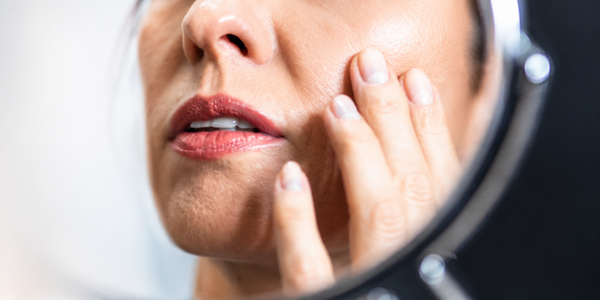
A few years ago, “good skin” meant fewer breakouts.
Now it means something else entirely. Firmness. Bounce. That natural glow that doesn’t disappear by evening.
What changed? Collagen.
It’s the one factor most people don’t think about until they start losing it. And once they do, the search begins for how to increase collagen in skin in ways that actually work.
The good news is, collagen decline is not irreversible.
With the right inputs, you can boost collagen naturally and rebuild what your skin is slowly losing.
Why Collagen Declines
Collagen production begins to slow down as early as your mid-20s. This decline is not dramatic at first, which is why it often goes unnoticed. But over time, it compounds.
Several factors accelerate this process:
-
UV exposure breaks down collagen fibers and prevents new formation
-
Oxidative stress from pollution and poor diet damages skin cells
-
Low protein intake reduces the availability of amino acids needed for collagen synthesis
-
Chronic stress and poor sleep disrupt repair and regeneration cycles
The result is not just wrinkles. It is:
-
Reduced skin elasticity
-
Loss of firmness
-
Uneven texture
-
Slower skin repair
Understanding this is important because when you focus on how to boost collagen naturally, you are not just improving appearance. You are restoring skin function.
1. Prioritize Protein Intake for Collagen Building

Collagen is made from amino acids. Without adequate protein intake, your body simply does not have the raw materials to produce it efficiently. This is one of the most fundamental yet overlooked aspects of collagen production (NIH).
To support your skin:
-
Include complete protein sources like eggs, dairy, and lean meats
-
Combine plant proteins like lentils and rice for better amino acid balance
-
Add nuts and seeds for additional support
A consistent intake matters more than occasional high-protein meals. If you are actively trying to understand how to improve skin elasticity, your daily protein intake should be one of the first things you optimize.
2. Increase Vitamin C Intake Daily

Vitamin C plays a direct and critical role in collagen synthesis. It helps stabilize collagen molecules and supports the enzymes that make collagen strong and functional. Without sufficient vitamin C, collagen production becomes inefficient (NIH).
Daily sources you can rely on include:
-
Amla (one of the richest natural sources)
-
Citrus fruits like oranges and lemons
-
Bell peppers and broccoli
-
Kiwi and strawberries
Regular intake supports:
-
Skin repair and regeneration
-
Improved brightness and tone
-
Stronger collagen structure
This is where the foundation of glow collagen truly begins.
3. Add Collagen Supplements for Targeted Support

While diet forms the base, supplementation can accelerate results when done correctly.
Collagen peptides are broken-down forms of collagen that are easier for the body to absorb and utilize. Once consumed, they act as signals that stimulate your body’s own collagen production (NIH).
Different types serve slightly different purposes:
-
Marine collagen is highly bioavailable and supports skin hydration and elasticity
-
Bovine collagen supports both skin and joint health
-
Vegan collagen formulations typically include nutrients that promote collagen synthesis rather than collagen itself
When used consistently, research shows improvements in:
-
Skin elasticity
-
Hydration levels
-
Fine line appearance
If you are exploring collagen benefits, think of supplements as a long-term investment rather than an instant fix.
4. Be Mindful of Collagen Timing

While collagen can be taken at any time, aligning it with your routine improves consistency and absorption.
Some practical approaches:
-
Take collagen in the morning with a vitamin C-rich meal
-
Use it at night to align with the body’s repair cycle
-
Pair it with protein-rich foods for better utilization
The science of collagen timing is less about exact hours and more about habit formation. Because the real results come from daily consistency, not occasional use (NIH).
5. Protect Your Skin from Collagen Breakdown

Building collagen is only half the equation. Protecting it is equally important. Sun exposure is one of the leading causes of collagen degradation. UV rays activate enzymes that break down collagen fibers faster than your body can replace them (NIH).
Daily protection should include:
-
Broad-spectrum sunscreen
-
Protective clothing when exposure is high
-
Limiting direct sun during peak hours
This step directly supports:
-
Long-term skin health
-
Prevention of premature aging
-
Maintenance of collagen density
If you skip this, most other efforts become less effective.
6. Add Antioxidant-Rich Foods to Your Diet

Collagen degradation is often driven by oxidative stress. Antioxidants help neutralize this damage and protect skin structure (NIH).
You can support this by including:
-
Berries like blueberries and strawberries
-
Green tea
-
Dark leafy greens
-
Nuts and seeds
-
Dark chocolate in moderation
These foods contribute to:
-
Reduced inflammation
-
Improved skin glow
-
Enhanced skin rejuvenation
This is a subtle but powerful layer in your strategy to boost collagen naturally.
7. Optimize Sleep for Skin Repair

Collagen production is closely linked to your body’s natural repair cycles, which are most active during deep sleep (NIH).
During quality sleep:
-
Growth hormone levels increase
-
Cellular repair accelerates
-
Collagen synthesis improves
Poor sleep, on the other hand, leads to:
-
Increased stress hormones
-
Slower repair processes
-
Visible skin fatigue
To support better collagen production:
-
Aim for 7 to 8 hours of uninterrupted sleep
-
Maintain a consistent sleep schedule
-
Reduce screen exposure before bed
If you are looking for natural ways to improve skin, sleep is one of the most effective and underrated tools.
Building a Sustainable Collagen Routine
The most effective approach is not extreme. It is consistent.
A simple daily structure could look like:
-
Morning: Protein-rich breakfast + Vitamin C
-
Midday: Antioxidant-rich meals
-
Evening: Collagen peptides + balanced dinner
-
Night: Quality sleep
Layered habits. Small inputs. Compounding results.
Final Thoughts
There is no overnight transformation here. But there is something better.
A gradual, visible shift toward stronger, healthier skin. The kind that does not rely on quick fixes but reflects internal balance.
If you stay consistent with these strategies, your skin will respond. Quietly at first. Then unmistakably.
Because when you boost collagen naturally, you are not chasing glow.
FAQs
1. How can I increase collagen in skin naturally at home?
You can increase collagen in skin naturally by focusing on daily habits that support collagen production, including a protein-rich diet, regular vitamin C intake, antioxidant foods, quality sleep, and sun protection. Adding collagen peptides can further support internal collagen synthesis when used consistently.
2. What are the best foods to boost collagen naturally?
The best foods to boost collagen naturally include high-protein options like eggs, dairy, and legumes, along with vitamin C-rich foods such as amla, citrus fruits, and bell peppers. Antioxidant-rich foods like berries and green tea also help protect existing collagen and improve overall skin health.
3. Do collagen supplements actually improve skin?
Yes, studies suggest that collagen peptides can improve skin elasticity, hydration, and reduce fine lines when taken consistently over time. Options like marine collagen are especially known for their high bioavailability and effectiveness in supporting collagen benefits for skin.
4. What is the best time to take collagen for skin benefits?
There is no strict rule, but collagen timing can impact consistency. You can take collagen in the morning with vitamin C or at night during the body’s repair cycle. The key factor is regular intake rather than exact timing.
5. At what age should I start taking collagen?
Collagen production starts declining in your mid-20s, so this is a good time to begin supporting it through diet and lifestyle. Supplementing with beauty collagen or improving nutrition early can help maintain skin elasticity and delay visible signs of aging.
6. Is vegan collagen effective for skin health?
Vegan collagen does not contain actual collagen but includes nutrients that support your body’s natural collagen production, such as amino acids, vitamin C, and plant extracts. It can be helpful as part of a broader routine to boost collagen naturally.
7. How long does it take to see collagen results in skin?
Visible results from collagen support typically take 8 to 12 weeks. With consistent use of collagen peptides, a balanced diet, and proper skincare habits, you may notice improvements in skin glow, hydration, and firmness over time.

Recommended Products
 Beauty Collagen Strawberry Watermelon Flavour
₹1,939 – ₹7,196
Beauty Collagen Strawberry Watermelon Flavour
₹1,939 – ₹7,196
 Beauty Korean Marine Collagen Peptides Mango Peach Flavour
₹1,939 – ₹7,196
Beauty Korean Marine Collagen Peptides Mango Peach Flavour
₹1,939 – ₹7,196
 Glow Korean Marine Collagen Peptides with Liposomal Glutathione & Vitamin C | Tropical Bliss Flavour | 250g
₹1,939 – ₹7,196
Glow Korean Marine Collagen Peptides with Liposomal Glutathione & Vitamin C | Tropical Bliss Flavour | 250g
₹1,939 – ₹7,196
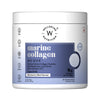 Korean Marine Collagen - Blueberry Mint
₹1,018 – ₹1,993
Korean Marine Collagen - Blueberry Mint
₹1,018 – ₹1,993
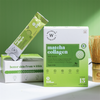 Matcha Collagen
₹1,614
Matcha Collagen
₹1,614