Your skin reacts to how you feel. Not metaphorically. Chemically.
There's a reason you break out before a big presentation, go pale under a fluorescent light at 3 AM, or look inexplicably fresh after a holiday. The bridge between your brain and your skin is real, measurable, and has a name: the brain-skin axis. And right now, dermatologists are circling one molecule at the center of it: dopamine.
What Is 'Dopamine Skin,' and Why Does It Matter Right Now?

The term "dopamine skin" didn't come from a lab. It started on social media, like most skin trends do. But unlike glass skin or skin flooding, this one has actual biology behind it.
Dopamine skin refers to a skin state characterised by healthy luminosity, reduced inflammation, and faster repair, the kind of glow that isn't produced by a single serum but reflects a system running well internally. Dermatologists picked it up not because of the aesthetic, but because of what it points to: the measurable connection between neurochemical health and skin behaviour.
The timing isn't random. In a post-pandemic culture where burnout is common, scrolling is chronic, and sleep is negotiated nightly, low-dopamine states are increasingly the norm. And skin is one of the first places the body shows that stress. Dullness, hyperpigmentation, slow healing, increased sensitivity, these aren't just skincare failures. They're often signals of a system under chemical strain.
Understanding what is dopamine and dopamine function in this context isn't just academic. It's practical skincare intelligence.
What the Dopamine Hormone Actually Does to Your Skin
What Is Dopamine and What Is Its Function?
Dopamine is a catecholamine neurotransmitter, synthesised from the amino acid tyrosine, that acts as both a brain messenger and a peripheral signalling molecule. Dopamine function extends well beyond mood and motivation. It regulates movement, memory, endocrine signalling, immune activity, and critically skin biology.

When Is Dopamine Released And What Triggers It?
It's secreted in response to rewarding stimuli: food, connection, novelty, physical movement, sunlight, music. It's also released in anticipation of reward, which is why the excitement before something enjoyable often feels as good as the thing itself.
The counterpart: dopamine drops sharply under chronic stress, sleep deprivation, and what researchers call "low-stimulation, high-demand" states, which is a clinical way of describing most weekday afternoons.
Dopamine hormone function in the skin specifically includes:
-
Melanogenesis regulation: Dopamine receptors on melanocytes influence melanin production. Disrupted dopamine function has been linked to patchy pigmentation and uneven tone (NIH).
-
Keratinocyte proliferation: Dopamine promotes healthy skin cell turnover. When dopamine signalling is suppressed, cell renewal slows, contributing to dull, thickened texture (NIH).
-
Sebum and inflammation: Dopamine interacts with the hypothalamic-pituitary-adrenal (HPA) axis to modulate cortisol output. When dopamine is chronically low, cortisol runs unchecked, increasing sebaceous activity and inflammatory cytokine production. This is the neurochemical mechanism behind stress acne (NIH).
-
Wound healing: Studies show dopamine receptor activation accelerates keratinocyte migration during wound repair. Low dopamine states correlate with delayed barrier recovery (NIH).

Dopamine Dose: How Much Is Enough?
There is no clinical "dopamine dose" you can take. Dopamine doesn't cross the blood-brain barrier in supplement form; L-DOPA does, but that's a prescription medication for Parkinson's disease. What you can influence is the upstream chemistry: the nutrients and lifestyle inputs that make dopamine synthesis possible.
The synthesis pathway is: Phenylalanine → Tyrosine → L-DOPA → Dopamine. Each conversion step requires cofactors: iron, vitamin B6, folate, vitamin C, and copper. Without these, the body has the raw material but not the factory.
Dopamine Side Effects of Deficiency
Most conversations about dopamine side effects focus on excess as in addiction or psychosis. But the more common and underdiagnosed state is depletion: low mood, poor concentration, skin dullness, increased skin sensitivity, and disrupted sleep.
Chronic digital overuse and dopamine detox culture have brought the depletion model into more mainstream awareness, the idea being that constant low-reward stimulation (scrolling, snacking, fast content) exhausts the dopamine system without genuinely replenishing it.

How to Increase Dopamine Through Skin-Supportive Interventions
How to increase dopamine in ways that also benefit your skin requires a dual approach: supporting dopamine synthesis through nutrition, and reducing the cortisol load that suppresses it.
1. Prioritise the Synthesis Pathway Through Food
Dopamine starts with dietary tyrosine. Eggs, paneer, dal, pumpkin seeds, and chicken are all strong sources. But the conversion enzymes need B-vitamins, vitamin C, and iron, meaning micronutrient gaps quietly sabotage dopamine production even when protein intake is adequate.
2. Stabilise Cortisol with Adaptogens
When dopamine is low, cortisol fills the gap and it's not a fair trade for your skin. Ashwagandha (Withania somnifera) is one of the most clinically validated adaptogens for HPA axis regulation. A clinical trial found that 240mg of ashwagandha extract reduced cortisol levels by 22.2% over 60 days (NIH). Lower cortisol means less sebum disruption, less inflammation, and better barrier function, conditions in which dopamine-driven skin repair can actually operate.
3. Support the Anti-Inflammatory Foundation with Omega-3s
Inflammation is the chronic background noise that degrades dopamine signalling. Omega 3 capsules, specifically EPA and DHA, reduce pro-inflammatory cytokine production (IL-6, TNF-alpha) and support the lipid bilayer of skin cells, improving receptor function, including dopamine receptor integrity. Think of EPA/DHA as clearing the interference so dopamine's signal actually lands.
4. Use Magnesium to Protect the Dopamine System Overnight
Magnesium is a cofactor in over 300 enzymatic reactions including those involved in dopamine synthesis and GABA regulation. Low magnesium increases HPA axis reactivity, elevates cortisol at night, and directly suppresses dopamine synthesis. Magnesium supplements, particularly glycinate for sleep and calm, also support the melatonin pathway, which runs parallel to the dopamine circuit and regulates overnight skin repair.
5. Rebuild the Skin Barrier with Marine Collagen
Dopamine's skin benefits work downstream, they regulate cell turnover, modulate inflammation, and support repair. But the structural substrate they're working on matters too. Marine collagen provides Type I collagen peptides that directly support skin elasticity, moisture retention, and dermal density. In a dopamine-skin context, think of marine collagen as the scaffolding and dopamine optimisation as what makes the workers show up to build it.
For a functional skin nutrition stack, matcha collagen offers an additional edge: the L-theanine in matcha exerts a mild dopaminergic effect by reducing glutamate excitotoxicity, which allows dopamine receptors to remain more sensitive. Paired with collagen, matcha collagen blends become an efficient dual-delivery format for skin-brain signalling support.

Key Takeaways
-
Dopamine skin is not a skincare product, it's a skin state produced by optimised neurochemical function, particularly the dopamine hormone acting through the brain-skin axis.
-
Skin cells have their own dopamine receptors. Dopamine function at the skin level includes regulating melanin, cell turnover, sebum, and wound repair.
-
Chronic low dopamine states driven by stress, poor sleep, and digital overconsumption, lead to dullness, slow barrier recovery, and inflammation, not just low mood.
-
How to increase dopamine effectively means supporting the synthesis pathway (tyrosine + cofactors), reducing cortisol suppression (ashwagandha, magnesium supplements), and reducing systemic inflammation (omega 3 capsules).
-
The dopamine detox concept has value, not by lowering dopamine, but by restoring receptor sensitivity, which improves the whole brain-skin response.
-
Marine collagen and matcha collagen work in tandem with dopamine optimisation: one rebuilds structure, the other supports the neurochemical environment that makes skin repair possible.
Conclusion
Dopamine skin isn't a trend in the way most skin trends are. It's not a texture or a finish. It's what happens when your nervous system stops running at a deficit and your skin reflects that.
The science is clear that the brain and skin are in constant chemical dialogue and dopamine hormone function is central to how that conversation goes. You can address it from multiple directions: what you eat, how you sleep, what you take, what you reduce. Most people are already doing something for their skin. The opportunity here is to do something for the system behind it.
FAQs
1. What is dopamine and why does it affect skin?
Dopamine is a neurotransmitter and hormone produced primarily in the brain but also locally in skin cells. Dopamine function in skin includes regulating melanin production, keratinocyte turnover, sebum levels (via cortisol modulation), and wound healing. Skin cells express dopamine receptors, which means the dopamine hormone can directly influence skin behaviour, not just mood.
2. When is dopamine released naturally?
When is dopamine released depends on context: it's secreted in response to pleasurable or rewarding experiences, food, exercise, socialising, novelty, sunlight, and music. It is also released in anticipation of a reward.
3. What are the dopamine side effects of low levels on skin?
Dopamine side effects from deficiency rather than excess include dull or uneven skin tone, slow healing, increased sensitivity, and skin inflammation. This happens because low dopamine allows cortisol to rise unchecked, increasing inflammatory cytokines and disrupting the barrier.
4. Does a dopamine detox actually help your skin?
A dopamine detox doesn't eliminate dopamine, it restores receptor sensitivity. Constant low-reward stimulation (scrolling, snacking, passive content) desensitises dopamine receptors without genuinely replenishing the system. A period of reduced stimulation allows receptor sensitivity to recover, which improves baseline mood, reduces stress reactivity, and by extension supports the skin-brain axis.
5. What is the dopamine dose needed for skin health?
There is no direct dopamine dose you can take orally, dopamine does not cross the blood-brain barrier in supplement form. Instead, focus on the upstream synthesis chain: dietary tyrosine (from eggs, paneer, dal), combined with B-vitamins, vitamin C, and iron as enzymatic cofactors. Reducing cortisol load through ashwagandha and magnesium supplements also allows dopamine to function more effectively.
6. How does ashwagandha connect to dopamine skin?
Ashwagandha doesn't raise dopamine directly, it works by reducing cortisol, which chronically suppresses dopamine activity. By regulating the HPA axis, ashwagandha creates a neurochemical environment where dopamine can function optimally. This has downstream skin effects: less sebum dysregulation, less inflammation, and improved barrier repair.
7. How do omega 3 capsules support dopamine skin?
Omega 3 capsules supply EPA and DHA, fatty acids that reduce systemic inflammation, including in the skin and brain. They support dopamine receptor integrity by maintaining the cell membrane phospholipid layer, which receptor function depends on. Less inflammatory interference means dopamine hormone function in skin operates more cleanly.
8. What role do magnesium supplements play in dopamine and skin?
Magnesium supplements are critical for dopamine synthesis (magnesium is an enzymatic cofactor in the pathway) and for HPA axis regulation. When magnesium is low, the body overproduces cortisol, which suppresses dopamine function and increases skin inflammation. Magnesium glycinate specifically supports sleep quality, which is when both dopamine receptor recovery and overnight skin repair occur.
9. What is the difference between marine collagen and matcha collagen for dopamine skin?
Marine collagen provides Type I collagen peptides that rebuild skin structure: elasticity, density, and moisture retention. Matcha collagen combines collagen with L-theanine from matcha, which exerts a mild dopaminergic effect by modulating glutamate activity, helping dopamine receptors stay more sensitive. Together, they address both the structural and neurochemical components of dopamine skin.
10. How to increase dopamine through lifestyle for better skin?
How to increase dopamine for skin: eat protein-rich meals with tyrosine (eggs, paneer, pumpkin seeds); exercise, even a 20-minute walk raises dopamine measurably; reduce chronic low-reward stimulation (phones at meals, late-night scrolling); prioritise sleep; get morning sunlight. Layer in magnesium supplements, ashwagandha, and omega 3 capsules to address the physiological blockers: cortisol load, inflammation, and synthesis bottlenecks.

Recommended Products
 Pure Ashwagandha
₹649 – ₹1,298
Pure Ashwagandha
₹649 – ₹1,298
 Triple Magnesium Complex
₹1,357 – ₹2,658
Triple Magnesium Complex
₹1,357 – ₹2,658
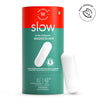 Ultra Strength Magnesium+
₹1,745 – ₹3,418
Ultra Strength Magnesium+
₹1,745 – ₹3,418
 Matcha Collagen
₹1,614
Matcha Collagen
₹1,614
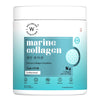 Pure Korean Marine Collagen Peptides | Unflavored | Combat Signs of Ageing
₹1,745 – ₹6,476
Pure Korean Marine Collagen Peptides | Unflavored | Combat Signs of Ageing
₹1,745 – ₹6,476
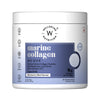 Korean Marine Collagen - Blueberry Mint
₹1,018 – ₹1,993
Korean Marine Collagen - Blueberry Mint
₹1,018 – ₹1,993
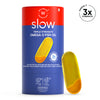 3x Strength Omega 3 Fish Oil
₹1,199
3x Strength Omega 3 Fish Oil
₹1,199
 4x Strength Omega 3 Fish Oil
₹1,274
4x Strength Omega 3 Fish Oil
₹1,274