You religiously apply sunscreen every morning. SPF 50, broad spectrum, dermatologist recommended. And yet, somehow, your skin still looks dull, tired, or older than it should. Sound familiar?
Here is the uncomfortable truth: is SPF enough to protect your skin in 2026? The short answer is no. And understanding why could genuinely change how you age.
You Are Battling More Than Just the Sun
Most of us learned one rule: wear sunscreen, avoid UV damage to skin. Done. Protected. But while you were busy SPF-ing your way through life, a whole army of invisible threats was quietly wreaking havoc on your skin.
UV rays account for roughly 80% of visible premature skin aging, yes. But the remaining 20%? That is pollution, blue light, oxidative stress, poor gut health, and a damaged skin barrier you probably did not even know you had.

Combined, these forces are accelerating skin aging causes faster than any generation before us has experienced.
Let us break each one down.
The Pollution Problem Nobody Talks About Enough
If you live in any city, even a moderately busy one, skin damage from pollution is happening to you right now. Particulate matter (PM2.5), nitrogen dioxide, and polycyclic aromatic hydrocarbons are tiny enough to penetrate the skin's surface. They do not just sit on top. They get in.
Once inside, these particles trigger oxidative stress on the skin, producing free radicals that break down collagen, disrupt the lipid barrier, and activate inflammation. The result? Uneven skin tone, deeper lines, and a complexion that looks perpetually fatigued. Research published in the Journal of Investigative Dermatology directly links pollution and skin aging, showing accelerated melanin production and reduced skin elasticity in urban populations. [ScienceDirect]
SPF does not block pollution particles. That is not what it was designed to do.
Blue Light: The Screen-Age Skin Villain
Here is something that might genuinely surprise you. Blue light skin damage is real, clinically documented, and something you are likely exposing yourself to for 7 to 10 hours daily.
Blue light, or high-energy visible (HEV) light, penetrates deeper into the dermis than UVA rays. Studies have shown that blue light effect on skin includes the generation of reactive oxygen species, which break down collagen and elastin. It also stimulates melanogenesis, meaning it can worsen hyperpigmentation, especially on deeper skin tones.

This phenomenon is now being called digital aging, and it is a legitimate concern for anyone who works on screens, scrolls through their phone in bed, or watches TV up close. Blue light exposure skin damage is cumulative. Every hour at your screen is adding up.
And again, your SPF? Largely ineffective against HEV light unless it contains iron oxides or specific antioxidant filters.
Your Skin Barrier: The Unsung Hero You Might Be Destroying
The skin barrier, technically the stratum corneum, is your first line of defence against everything: UV rays, pollution, pathogens, moisture loss. When it is healthy, your skin looks plump, glowy, and resilient. When it is damaged skin barrier, everything gets worse, fast.
How to know if your skin barrier is damaged: Look for persistent dryness, redness, stinging when you apply products that never used to sting, sudden sensitivity, or a tight feeling after cleansing. If your acne damaged skin looks inflamed even between breakouts, your barrier is likely compromised.
Ironically, some of the most popular skincare trends, over-exfoliating, using too many actives, aggressive cleansing, are the leading causes of barrier damage. Once compromised, every other threat (UV, pollution, blue light) hits harder.
How to repair damaged skin barrier on face: Scale back to basics. Ceramide-rich moisturisers, gentle pH-balanced cleansers, and consistent hydration are your tools. Niacinamide helps rebuild. And critically, stop over-exfoliating.
Oxidative Stress: The Real Engine of Aging
Behind every skin aging threat, there is a common mechanism: oxidative stress skin damage. Free radicals, unstable molecules produced by UV radiation, pollution, stress, poor diet, and yes, blue light, attack healthy skin cells. Without sufficient antioxidants to neutralise them, they cause cellular damage that compounds over time.
This is where what you eat becomes as important as what you apply.
Foods that actively fight oxidative stress:
-
Vitamin C-rich foods: Amla, bell peppers, kiwi, guava. These boost your skin's antioxidant defence and are essential cofactors in collagen synthesis.
-
Lycopene sources: Cooked tomatoes, watermelon, pink grapefruit. Lycopene has been shown to reduce UV-induced skin damage from the inside out.
-
Anthocyanin-rich berries: Blueberries, blackberries, raspberries, strawberries. Their deep pigments contain anthocyanins that help neutralise reactive oxygen species (ROS), support cellular antioxidant pathways, and protect skin cells from environmental stressors.
-
Polyphenol-rich foods: Green tea, dark berries, dark chocolate (70%+). These directly neutralise free radicals.
-
Omega-3 fatty acids: Walnuts, flaxseeds, fatty fish. They reinforce the skin barrier and reduce inflammation.
-
Zinc-rich foods: Pumpkin seeds, chickpeas, lentils. Zinc is critical for skin repair and managing acne damaged skin.

Practically speaking? A daily habit as simple as a glass of amla juice, a handful of walnuts, and a cup of green tea puts you meaningfully ahead.
Where Supplements Actually Make Sense
Food first, always. But targeted supplementation can fill gaps that diet alone struggles to address.
A quality collagen supplement supports the structural integrity of the dermis. Marine collagen is highly bioavailable and research-backed for improving skin elasticity. For those who prefer plant-based options, vegan collagen boosters (typically containing vitamin C, silica, and amino acid precursors) support your body's own collagen production. Look for a beauty collagen or glow collagen formula that combines these with antioxidants for a more complete approach.
Glutathione is the master antioxidant, and its role in skin health is significant. A glutathione tablet or glutathione powder for skin lightening can reduce oxidative load, support barrier function, and address hyperpigmentation. Opt for liposomal or reduced glutathione forms for better absorption.
How to Actually Protect Your Skin: The Practical Stack
How to protect skin from sun and pollution in the real world requires a layered approach:
-
Antioxidant serum first (vitamin C, niacinamide, resveratrol). Applied before SPF, these neutralise free radicals that sunscreen cannot block.
-
Broad-spectrum SPF 30 to 50 with iron oxides to address blue light. Mineral formulas sit on top of the skin and physically deflect rays.
-
Reapply SPF every two hours if you are outdoors. One morning application is not how much SPF is enough for all-day protection.
-
Barrier-supportive evening routine: Ceramides, peptides, and a gentle cleanser.
-
Inside-out nutrition: Consistent antioxidant-rich diet, targeted supplementation where needed.
5 Key Takeaways
-
SPF alone is not enough. UV rays are just one of multiple daily skin threats including pollution, blue light, and oxidative stress, each requiring different protective strategies.
-
Blue light from screens causes real, cumulative skin damage, accelerating premature skin aging and worsening hyperpigmentation, especially if your SPF lacks iron oxides.
-
A damaged skin barrier amplifies every other threat. Recognise the signs early and simplify your routine to repair it before layering actives back in.
-
What you eat directly impacts skin aging. Lycopene, polyphenols, omega-3s, and vitamin C are non-negotiable for defending against oxidative stress skin damage.
-
Layering antioxidants under SPF is the single most impactful upgrade most people are not doing, and the science behind it is rock solid.
FAQs
1. Is SPF enough to prevent premature skin aging?
No. SPF protects against UV rays but does not address pollution particles, HEV/blue light, oxidative stress, or internal inflammation, all of which are major skin aging causes.
2. How much SPF is enough for daily use?
SPF 30 provides 97% UVB protection; SPF 50 provides 98%. The number matters less than consistent application and reapplication every two hours when outdoors. Broad-spectrum coverage for UVA is equally important.
3. Can blue light from my phone really damage my skin?
Yes. Blue light exposure skin damage is clinically supported. HEV light penetrates deeper than UVA, generating reactive oxygen species and worsening pigmentation over time.
4. How do I know if my skin barrier is damaged?
Key signs include sudden stinging from products, persistent dryness, redness, tightness after cleansing, and increased sensitivity. These indicate a compromised barrier.
5. How to repair damaged skin barrier on face quickly?
Stop over-exfoliating, switch to a gentle cleanser, use ceramide and peptide-rich moisturisers, and avoid layering multiple actives. Consistency over 2 to 4 weeks usually shows visible improvement.
6. Does pollution really age your skin?
Yes. Skin damage from pollution is well-documented. PM2.5 particles penetrate the skin, trigger oxidative stress, degrade collagen, and accelerate visible aging and discolouration.
7. What is the best collagen supplement for skin?
Marine collagen is among the most bioavailable options backed by research. Vegan collagen boosters are a solid alternative. Look for formulas that include vitamin C to support collagen synthesis.
8. Does glutathione actually work for skin?
Glutathione is a powerful antioxidant that can reduce oxidative stress and address hyperpigmentation. Liposomal glutathione tablets or glutathione powder for skin lightening tend to offer better absorption than standard forms.
9. What foods help with sun damaged skin recovery?
Cooked tomatoes (lycopene), amla (vitamin C), green tea (polyphenols), walnuts (omega-3s), and pumpkin seeds (zinc) all support repair of UV damage to skin and reduce inflammation.
10. Is digital aging a real thing?
Yes. Digital aging refers to accelerated skin aging from chronic blue light exposure via screens. It contributes to collagen degradation, pigmentation, and dullness and is increasingly recognised by dermatologists as a distinct concern.

Recommended Products
 Beauty Collagen Strawberry Watermelon Flavour
₹1,939 – ₹7,196
Beauty Collagen Strawberry Watermelon Flavour
₹1,939 – ₹7,196
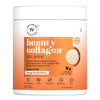 Beauty Korean Marine Collagen Peptides Mango Peach Flavour
₹1,939 – ₹7,196
Beauty Korean Marine Collagen Peptides Mango Peach Flavour
₹1,939 – ₹7,196
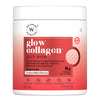 Glow Korean Marine Collagen Peptides with Liposomal Glutathione & Vitamin C | Tropical Bliss Flavour | 250g
₹1,939 – ₹7,196
Glow Korean Marine Collagen Peptides with Liposomal Glutathione & Vitamin C | Tropical Bliss Flavour | 250g
₹1,939 – ₹7,196
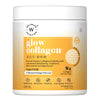 Glow Korean Marine Collagen Peptides with Liposomal Glutathione & Vitamin C | Valencia Orange Flavour | 250g
₹1,939 – ₹7,196
Glow Korean Marine Collagen Peptides with Liposomal Glutathione & Vitamin C | Valencia Orange Flavour | 250g
₹1,939 – ₹7,196
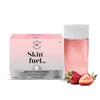 Glutathione Skin Fuel Pro+ Strawberry Flavour
₹1,044 – ₹5,803
Glutathione Skin Fuel Pro+ Strawberry Flavour
₹1,044 – ₹5,803
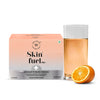 Glutathione Skin Fuel Pro+ Valencia Orange Flavour
₹879 – ₹5,275
Glutathione Skin Fuel Pro+ Valencia Orange Flavour
₹879 – ₹5,275
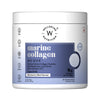 Korean Marine Collagen - Blueberry Mint
₹1,018 – ₹1,993
Korean Marine Collagen - Blueberry Mint
₹1,018 – ₹1,993
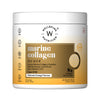 Marine Collagen - Valencia Orange
₹1,018 – ₹1,993
Marine Collagen - Valencia Orange
₹1,018 – ₹1,993
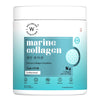 Pure Korean Marine Collagen Peptides | Unflavored | Combat Signs of Ageing
₹1,745 – ₹6,476
Pure Korean Marine Collagen Peptides | Unflavored | Combat Signs of Ageing
₹1,745 – ₹6,476