Two people. Same age. One looks 35, the other looks 50. The difference isn't their moisturiser. It's happening at a level you can't see on a bathroom shelf.

The Real Reason Some People Age Faster
Here's something the skincare industry won't tell you: the visible signs your body is aging faster are fine lines, dull skin, creaky joints, slower recovery. They're the surface display of something running much deeper. What's actually aging you is happening inside your cells, not on top of them.
Biological age and chronological age are not the same number for everyone. Researchers now measure something called "epigenetic age", a read of how your DNA is actually functioning versus how old your passport says you are (NIH). Some people clock in at a biological age 10 years older than their birth certificate. Others run younger. The gap comes down to a predictable set of inputs. Not fate.
So if you've been wondering what makes you age faster and why your lifestyle might be accelerating the clock, the answer has very little to do with whether you double cleanse.
The Biology of Accelerated Aging
Your body runs on cells. And cells age through a few key mechanisms that science now understands quite well.
Telomere shortening is one of them. Think of telomeres as the plastic tips at the end of a shoelace. Every time your cells divide, those tips get slightly shorter. When they get too short, the cell stops functioning properly or dies. Chronic stress, poor sleep, and a consistently poor diet speed up the rate at which this shortening happens. A study found that women who reported higher chronic stress had telomeres equivalent to women 10 years older (NIH). This is what ageing faster than normal looks like at the molecular level.
The second mechanism is oxidative stress. Your body produces free radicals as a byproduct of normal metabolism. Antioxidants neutralise them. But when the load outpaces the neutraliser from pollution, ultra-processed food, smoking, sleep deprivation, those free radicals start damaging proteins, lipids, and DNA. The visible result: skin that loses elasticity faster, collagen that breaks down ahead of schedule, inflammation that doesn't resolve.
Then there's collagen collapse. From your mid-20s onward, collagen production naturally declines at roughly 1% per year. But it drops far faster under certain conditions: high sugar intake (which glycates collagen fibres and makes them stiff and disorganised), chronic sun exposure, and nutritional deficiencies, particularly in vitamin C, zinc, and amino acids. This is a major part of what makes skin age faster from the inside, not the outside.

Do Women Age Faster Than Men? The Science Is Complicated
The question of do women age faster than men has a real answer and it's more nuanced than the headlines suggest.
In early adulthood, women often appear to age more slowly because estrogen actively supports collagen production and skin hydration. But around perimenopause (which can begin as early as the late 30s), estrogen drops sharply and with it, collagen density falls drastically.
That's a steeper loss than men experience at any equivalent hormonal shift. So women don't age faster overall, but they can age faster in specific windows, particularly between 45 and 55, if they're not nutritionally compensating for the hormonal shift.
This isn't inevitable. It's a nutritional and lifestyle gap that can be partially addressed.

Thicker skin retains structural collagen longer. This is part of why does thin skin age faster has a straightforward answer: yes. Thinner skin has less collagen reserve to lose before the loss becomes visible.
Which Skin Type Ages Faster?
These are among the most Googled skin questions and the answers matter for how you approach your daily routine.
Does dry skin age faster? The honest answer is: dry skin shows aging earlier, but it doesn't necessarily age faster at the cellular level. What dry skin lacks is the lipid barrier that keeps moisture locked in.
When that barrier is compromised, the skin surface cracks, fine lines appear more pronounced, and the skin becomes more vulnerable to environmental triggers like UV, pollution, bacteria. So dry skin ages faster in terms of visible appearance, and prolonged dryness without intervention can eventually compromise the dermis beneath.
As for which skin type ages faster overall: oily skin tends to age more slowly. The sebum that many oily-skinned people spend their 20s fighting actually provides a natural, low-level moisturising effect. It's not a perfect advantage, as oily skin has its own concerns , but structurally, it tends to maintain plumpness and elasticity longer.

For people with dry or combination skin, the intervention isn't just topical. Hydration, barrier repair, and collagen support from the inside out are what change the trajectory over time.
The Conditions That Can Make You Age Faster Than Normal
Sometimes accelerated aging is a sign that something medical needs attention. Aging faster than normal disease is a real category in medicine.
Conditions including hypothyroidism, insulin resistance, early-onset type 2 diabetes, chronic kidney disease, and autoimmune conditions like lupus are all associated with accelerated biological aging markers.
Chronic low-grade inflammation called inflammaging by researchers, is a common thread. If you're experiencing signs your body is aging faster like persistent fatigue, sudden changes in skin texture, unexplained hair thinning, or joint pain that started early, it's worth a full panel with your doctor, including inflammatory markers like CRP and homocysteine.
These are not just cosmetic signals. They're systemic ones.
Things That Make You Age Faster
The most common things that make you age faster are mundane, daily, and largely within your control:
-
Chronic poor sleep: During deep sleep, your body releases growth hormone and performs cellular repair. Chronically sleeping less than 6 hours accelerates telomere shortening and increases cortisol, which directly breaks down collagen.
-
High sugar diet: Glycation is real. Every excess glucose molecule that doesn't get burned is a potential collagen-damager. This is one of the most underestimated things that make you age faster in urban India, where refined carbohydrates are dietary staples.
-
Extreme dieting: Repeated cycles of extreme restriction and refeeding stress the body's metabolic machinery and deplete micronutrients, particularly zinc, vitamin C, and amino acids, that collagen synthesis depends on.
-
Indoor sedentary lifestyle: Muscle is metabolically active tissue. Less muscle means slower metabolism, less mitochondrial efficiency, and a faster rate of cellular aging. This is true even for people who aren't visibly "out of shape."
-
Nutritional gaps: Collagen can't be synthesised without cofactors. Vitamin C is the most essential, it's required for hydroxylation, the step that stabilises the collagen triple helix. Without adequate vitamin C, the collagen your body attempts to make is structurally weak.

Do Anti-Aging Products Make You Age Faster?
This one deserves a direct answer. Some can, but not in the way most people fear.
The concern is real for products containing ingredients that thin the skin over time (like overuse of exfoliating acids without barrier repair) or that disrupt the skin microbiome. Overuse of retinoids without hydration support can compromise the barrier and make skin temporarily more vulnerable.
But the bigger risk isn't products, it's bypassing the internal work entirely and relying on topical products to compensate for nutritional and lifestyle gaps that products simply cannot fix.
No serum rebuilds collagen from the outside. Topical collagen molecules are too large to penetrate the dermis. What works is supporting collagen production from within, which is where nutrition becomes the non-negotiable part of any anti-aging strategy.
What Actually Slows It Down: The Inside-Out Approach
The science converges on a few non-negotiable inputs.
Collagen: A hydrolysed marine collagen supplement, specifically Type I collagen, which matches skin, hair, and joint collagen, provides the amino acid building blocks (glycine, proline, hydroxyproline) that your body uses to synthesise new collagen.
This works differently from eating protein generally, because hydrolysed collagen peptides are small enough to be absorbed into the bloodstream and trigger fibroblast activity, the cells responsible for collagen production.
A controlled trial found significant improvement in skin elasticity and hydration after 12 weeks of collagen peptide supplementation (NIH).
The cofactors that make collagen work: Collagen synthesis depends heavily on vitamin C and without it, the process stalls. It also requires zinc for the enzymes involved in collagen cross-linking. A combined vitamin c zinc tablet taken alongside a collagen supplement isn't redundant; it's mechanistically necessary. Think of it as the difference between having bricks and not having the cement.
Antioxidant defence: Glutathione, vitamin C, and polyphenols from whole food sources help neutralise the oxidative stress that degrades collagen and accelerates cellular aging. This is especially relevant for anyone living in high-pollution urban environments.
Sleep, genuinely prioritised: Not sleep hygiene as a trend, sleep as the foundational cellular repair window it biologically is.
Key Takeaways
-
Biological age and chronological age diverge based on cellular mechanisms: telomere length, oxidative stress, and collagen integrity, not skincare habits.
-
Dry skin ages faster in visible terms because of compromised barrier function, but the deeper fix is internal hydration and collagen support, not just topical emollients.
-
Do women age faster than men? Not overall, but women experience a sharper collagen loss window around menopause, making nutritional preparation in the 30s and 40s genuinely important.
-
Things that make you age faster include chronic poor sleep, high sugar intake, sedentary lifestyle, and micronutrient gaps, particularly in vitamin C and zinc.
-
Hydrolysed marine collagen works because the peptides are small enough to be absorbed and trigger your own fibroblast activity, a fundamentally different mechanism from applying collagen topically.
-
A vitamin c zinc tablet isn't optional alongside a collagen supplement, vitamin C and zinc are enzymatically required for collagen synthesis to complete.
Conclusion
Aging is not something that happens to you uniformly. It's a process that accelerates or decelerates based on daily inputs, most of which are adjustable. The gap between the person who looks their age and the person who doesn't is almost never genetics.
It's usually sleep, sugar, nutritional gaps, and whether the body has what it needs to keep building collagen. Start from the inside.
FAQs
What are the early signs your body is aging faster than normal?
Fine lines appearing before your 30s, persistent fatigue, dry or thinning skin, slower wound healing, and unexplained joint stiffness are all early signals. If multiple of these occur together, it's worth checking inflammatory markers (CRP, homocysteine) and thyroid function with your doctor, as these can indicate aging faster than normal disease rather than lifestyle factors alone.
What makes you age faster internally?
Chronic sleep deprivation, high sugar intake (which causes glycation of collagen), oxidative stress from pollution and processed food, and deficiencies in vitamin C, zinc, and amino acids are the primary internal drivers. Persistent high cortisol from stress is also a significant accelerator, it directly suppresses collagen synthesis.
Does dry skin age faster than oily skin?
Dry skin ages faster in terms of visible appearance because a compromised lipid barrier makes fine lines more prominent and leaves skin more vulnerable to environmental damage. Oily skin tends to maintain plumpness longer. However, internal hydration, collagen production, and oxidative defence matter more than skin type in determining long-term skin aging rate.
Does thin skin age faster?
Yes. Does thin skin age faster is not just a cosmetic question, thinner skin has a smaller structural collagen reserve to begin with, so the same rate of natural collagen loss becomes visible sooner. Women, on average, have thinner skin than men, which partly explains the more pronounced visible aging many women experience around perimenopause.
Is marine collagen better than vegan collagen for anti-aging?
Marine collagen (specifically hydrolysed Type I) has the best evidence base for skin aging -- the peptides are small, bioavailable, and directly stimulate fibroblasts. Vegan collagen supplements don't contain collagen but support your body's own collagen synthesis through precursor amino acids and cofactors. Both can work; the mechanism is different. If you eat animal products, hydrolysed marine collagen is the more direct route.
Do anti-aging products make you age faster?
Overused exfoliating acids or barrier-disrupting ingredients can cause short-term skin vulnerability. But the bigger risk is relying solely on topical products while ignoring nutritional gaps. No topical product can replicate what internal collagen production does, the collagen molecules in creams are too large to penetrate the dermis.
Which skin type ages fastest?
Which skin type ages faster is a common question. Dry and sensitive skin types tend to show aging earliest due to barrier dysfunction and lower sebum protection. Oily skin has a natural lipid advantage. However, skin type is a secondary factor, diet, sleep, and collagen nutrition determine aging rate far more than whether your skin is oily or dry.
Do women age faster than men?
Not necessarily , but women experience a concentrated window of accelerated collagen loss around perimenopause, when estrogen drops. In the first five years post-menopause, collagen density can fall by up to 30%. This is a hormonal and nutritional gap, not an inevitable outcome.
What is the fastest-aging lifestyle habit?
Among things that make you age faster, the combination of chronic sleep deprivation and high refined carbohydrate intake is particularly damaging, the first accelerates telomere shortening and cortisol-driven collagen breakdown, while the second causes glycation of existing collagen. Together, they create compounding damage at the cellular level.
Can a collagen supplement actually reverse skin aging?
A collagen supplement cannot reverse aging that has already occurred; glycated or degraded collagen is not repaired by supplementation. What hydrolysed collagen peptides do is stimulate fibroblast activity, increasing the rate of new collagen synthesis. Over time (clinical trials typically show measurable results at 8--12 weeks), this can improve skin elasticity, hydration, and texture. Combined with a vitamin c zinc tablet to support the enzymatic steps in collagen synthesis, the effect is more complete.

Recommended Products
 Organic Vitamin C + Zinc
₹758 – ₹2,035
Organic Vitamin C + Zinc
₹758 – ₹2,035
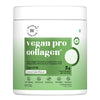 Vegan Pro Collagen Lemon Lime
₹1,745 – ₹3,418
Vegan Pro Collagen Lemon Lime
₹1,745 – ₹3,418
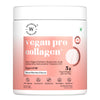 Vegan Pro Collagen Mixed Berries
₹1,745 – ₹3,418
Vegan Pro Collagen Mixed Berries
₹1,745 – ₹3,418
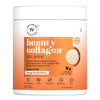 Beauty Korean Marine Collagen Peptides Mango Peach Flavour
₹1,939 – ₹7,196
Beauty Korean Marine Collagen Peptides Mango Peach Flavour
₹1,939 – ₹7,196
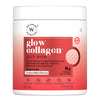 Glow Korean Marine Collagen Peptides with Liposomal Glutathione & Vitamin C | Tropical Bliss Flavour | 250g
₹1,939 – ₹7,196
Glow Korean Marine Collagen Peptides with Liposomal Glutathione & Vitamin C | Tropical Bliss Flavour | 250g
₹1,939 – ₹7,196
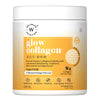 Glow Korean Marine Collagen Peptides with Liposomal Glutathione & Vitamin C | Valencia Orange Flavour | 250g
₹1,939 – ₹7,196
Glow Korean Marine Collagen Peptides with Liposomal Glutathione & Vitamin C | Valencia Orange Flavour | 250g
₹1,939 – ₹7,196
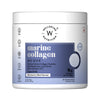 Korean Marine Collagen - Blueberry Mint
₹1,018 – ₹1,993
Korean Marine Collagen - Blueberry Mint
₹1,018 – ₹1,993
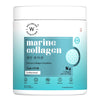 Pure Korean Marine Collagen Peptides | Unflavored | Combat Signs of Ageing
₹1,745 – ₹6,476
Pure Korean Marine Collagen Peptides | Unflavored | Combat Signs of Ageing
₹1,745 – ₹6,476