Because your plate has always been the most powerful prescription you were never handed.
Let's be honest about something most health content glosses over: Indians are sick in a very specific, very modern way.
Not the dramatic kind of sick. The slow, quiet kind. The kind where you wake up tired, your skin looks dull no matter what serum you buy, your anxiety spikes over nothing, your energy crashes by 3 PM, and your body feels like it is working against you. You are not imagining it. The data backs you up.
Over 77 million Indians currently live with type 2 diabetes. Nearly 1 in 3 urban Indians is clinically obese or overweight. More than 50% of Indian women between 15 and 49 are anaemic [ScienceDirect]. A 2023 ICMR report found that 56.4% of India's total disease burden is now attributable to dietary risks. And chronic stress, hormonal disruption, and poor sleep have quietly become baseline for an entire generation.
Here is what is even more striking: most of these issues are not primarily genetic. They are dietary. Lifestyle. Reversible.
This guide exists to pull together everything we have explored in this series and hand you the full picture.
Why We Got Here: The Modern Indian Health Crisis in Plain Terms
The traditional Indian diet was genuinely one of the most anti-inflammatory diets in the world. Turmeric, dal, fermented foods like idli and kanji, seasonal vegetables, cold-pressed oils, and spices like fenugreek and cumin were doing things nutritional science is only now fully explaining.
Then came the shift. Ultra-processed foods, refined carbohydrates, seed oils high in omega-6, round-the-clock screen exposure, disrupted sleep cycles, and stress that never actually switches off. The result is a population that is simultaneously overfed and undernourished.
Your skin is inflamed. Your cortisol is dysregulated. Your gut lining is compromised. Your mitochondria are struggling. Your hormones are out of sync. And every symptom you are treating topically, pharmaceutically, or with supplements is really a downstream effect of something happening at the cellular level, driven almost entirely by what you eat.
The 10 Pillars of Food-First Health: What This Series Covered
1. Skin: Your Diet Shows Up on Your Face
The skincare industry will never tell you this, but the best food for skin glow is not in a jar. Studies have found that higher intake of carotenoids, vitamin C, and polyphenols directly improved skin luminosity and reduced oxidative damage in women. [NIH]
Skin brightening foods like tomatoes (lycopene), papaya (beta-carotene), and amla (the richest natural source of vitamin C) are among the most potent skin repair foods available. Collagen foods for skin, specifically those high in glycine and proline like bone broth, eggs, and fish skin, support dermal structure from within.
Glutathione rich foods for skin whitening including asparagus, avocado, and cruciferous vegetables support your body's master antioxidant system. When you eat for clear skin, you are reducing systemic inflammation and oxidative stress, which are the actual drivers of pigmentation, dullness, and premature ageing.
Practical tip: Build a skin care food routine around colour. Eat at least three different coloured vegetables daily. Orange and red foods for carotenoids, green for chlorophyll and vitamin K, purple for anthocyanins.
Read More: Eat Your Skincare: The Foods That Out-Perform Your Entire Shelf

2. Stress and Cortisol: Your Nervous System Runs on Nutrients
Chronic stress is not just psychological. It depletes magnesium, vitamin C, B vitamins, and zinc at an accelerated rate. A 2020 study found that magnesium supplementation significantly reduced cortisol reactivity to stress in healthy adults. [NIH]
Dark chocolate, leafy greens, pumpkin seeds, and ashwagandha (which holds adaptogenic properties validated in human trials) are among the most evidence-backed foods to eat for calm. The goal is not suppression but regulation.
Read More: Eat Your Stress Away: The Foods That Lower Cortisol and Actually Calm Your Nervous System
3. Anxiety: The Gut-Brain Axis Is Real
Around 90% of serotonin is produced in the gut. A study confirmed that dietary patterns high in whole foods and fermented foods were associated with significantly lower rates of anxiety and depression. [NIH]
Fermented foods like curd, kefir, and homemade pickles directly seed beneficial bacteria that modulate neurotransmitter production. This is not alternative medicine. This is published neurogastroenterology.
Read More: Eat Your Anxiety Away: The Foods That Quietly Rewire How You Handle Stress
4. Sleep: What You Eat Determines How You Rest
Tryptophan, the precursor to melatonin, is found in foods like milk, banana, pumpkin seeds, and turkey. But here is what most people miss: tryptophan needs a carbohydrate vehicle to cross the blood-brain barrier. A small complex carbohydrate at dinner (not refined, not processed) actually improves tryptophan uptake. Studies confirmed that higher Mediterranean-diet adherence was associated with better sleep quality in adults. [NIH]
Magnesium glycinate, found naturally in almonds, spinach, and black beans, relaxes the nervous system and supports slow-wave sleep.
Read More: Eat Your Way To Sleep: The Nutritional Science Behind Deep, Restorative Rest

5. Libido and Hormonal Health: What Fuels Desire
This is one of the least discussed but most impacted areas of modern health. Zinc is foundational for testosterone synthesis in both men and women. A systematic review found that zinc restriction in men significantly reduced serum testosterone levels within 20 weeks. [ScienceDirect]
Foods like pumpkin seeds, shellfish, eggs, and red meat (in moderate, quality quantities) provide the raw material for hormonal function. Cruciferous vegetables support oestrogen metabolism. Healthy fats from avocado, ghee, and cold-pressed sesame oil are cholesterol precursors for steroid hormone synthesis.
Read More: Eat Your Libido Back: The Foods That Fuel Desire From the Inside Out
6. Stamina and Energy: Real Energy Is Built, Not Borrowed
Caffeine is borrowed energy. Iron, B12, CoQ10, and complex carbohydrates are built energy. India has one of the highest rates of iron-deficiency anaemia in the world, which means millions of people are chronically low-energy for a completely preventable reason.
Combine iron-rich foods (rajma, spinach, sesame, liver) with vitamin C sources to increase non-haem iron absorption. This single pairing is one of the most underutilised nutrition hacks in the country.
Read More: Eat Your Way to Real Stamina: The Foods That Build Energy That Actually Lasts
7. Inflammation: The Root of Almost Everything
Chronic low-grade inflammation is the common thread behind cardiovascular disease, diabetes, autoimmune conditions, skin disorders, hormonal disruption, and even depression. Omega-3 fatty acids, curcumin, and polyphenols are among the most clinically validated anti-inflammatory nutrients.
Studies have found curcumin supplementation significantly reduced CRP (a key inflammatory marker).[ScienceDirect] You do not always need a supplement. You need turmeric with black pepper and fat, daily, in your food.
Read More: Eat Your Inflammation Down: The Plate That Quietly Rewires Your Body's Threat Response
8. Immunity: Built in the Kitchen
Vitamin D deficiency affects an estimated 70-90% of Indians despite abundant sunshine, primarily due to indoor lifestyles and low dietary intake. Vitamin D is not just a bone nutrient. It regulates over 200 immune-related genes.
Mushrooms (sun-dried), fatty fish, and fortified dairy support vitamin D. Zinc, vitamin C, selenium, and beta-glucans from oats and mushrooms round out the immunity-building plate.
Read More: Eat Your Immunity: The Foods That Build a Resilient Defence System Year-Round
9. Testosterone in Men and Women: A Hormonal SOS
Testosterone decline in men is happening a decade earlier than it was in the 1980s, according to data from the Journal of Clinical Endocrinology and Metabolism. [JCEM] In women, low testosterone shows up as fatigue, low libido, and muscle loss. Diet, sleep, and stress management are the first-line intervention, not hormone therapy.
Read More: Eat Your Testosterone Up: The Foods That Naturally Support Hormone Health in Men and Women

10. Glow: The Visible Return on Your Dietary Investment
A glowing complexion is not a cosmetic outcome. It is a metabolic one. Foods good for skin and hair, specifically those high in biotin, silica, omega-3s, and antioxidants, visibly helps improve skin texture with consistent dietary change.
Read More: Eat Your Glow: The Exact Foods Behind That Lit-From-Within Look
A Note on Supplements: The Honest Truth
Supplements have a real role. Marine collagen has clinical evidence for improving skin elasticity and hydration. [NIH] A collagen supplement can be a meaningful addition if your diet is low in animal protein or collagen foods for skin. Glutathione powder for skin lightening and glutathione tablets are popular, but regular oral glutathione has low bioavailability compared to liposomal forms. To enhance glutathione absorption, add dietary precursors such as N-acetylcysteine, glycine, glutamate from wholefoods or supplements.
The honest hierarchy: food first, lifestyle second, supplements as targeted support for specific deficiencies.

5 Practical Daily Habits to Start This Week
-
Add one fermented food to your daily routine (curd, kanji, homemade pickle).
-
Pair every iron-rich meal with a vitamin C source (lemon over dal, amla water in the morning).
-
Eat one handful of mixed seeds daily (pumpkin, sunflower, flax, sesame) for zinc, magnesium, and omega-3.
-
Replace refined oil with cold-pressed sesame, mustard, or coconut oil for cooking.
-
Eat your last meal 2-3 hours before sleep and include a small complex carbohydrate and tryptophan source.
The Bottom Line
Your body is not broken. It is responding predictably to what it is being given. The good news is that food is the most immediate, accessible, and evidence-backed lever you have for changing how you feel, look, sleep, think, and perform.
This series was never about superfoods or strict protocols. It was about understanding that what is on your plate is in conversation with every cell in your body, every single day. The conversation you start today compounds over weeks, months, and years into the health, glow, energy, and resilience you are looking for.
Start with one meal. Then another. The rest follows.
FAQs
1. What are the best foods for skin glow that actually work?
Tomatoes, papaya, amla, eggs, fatty fish, walnuts, and sweet potato. These provide carotenoids, vitamin C, omega-3s, and collagen precursors that directly improve skin luminosity and texture.
2. Can food really replace skincare products?
Not entirely, but food for healthy skin addresses the root cause while topical products manage surface symptoms. Combining both is ideal, but food-first changes are more sustainable and systemic.
3. How long before I see results from eating better for my skin?
Research suggests visible improvements in skin brightness, hydration, and texture within 8 to 12 weeks of consistent dietary change.
4. Are glutathione tablets worth taking for skin?
Oral glutathione tablets have limited bioavailability. Eating precursor-rich foods like avocado, cruciferous vegetables, and selenium-rich foods supports your body's own glutathione production more effectively. A quality liposomal glutathione supplement can help if recommended for a specific need.
5. What is the single best food for skin repair?
Eggs. They provide biotin, vitamin A, selenium, zinc, and all essential amino acids for collagen synthesis, making them one of the most complete skin repair foods.
6. Is marine collagen better than plant-based collagen?
Your body does not absorb collagen directly. It breaks it into amino acids. Marine collagen supplements have good evidence for improving skin elasticity. Plant-based sources like silica-rich foods (cucumber, oats) and vitamin C support your body's own collagen synthesis.
7. What foods should I avoid for better skin and health?
Ultra-processed foods, refined sugar, high-glycaemic carbohydrates, and industrial seed oils (refined sunflower, canola) are the primary dietary drivers of inflammation, acne, and skin ageing.
8. Can food fix hormonal acne?
Yes, significantly. Reducing high-glycaemic foods, increasing zinc and omega-3 intake, supporting gut health, and eating cruciferous vegetables for oestrogen metabolism all directly address hormonal acne pathways.
9. What is the best anti-inflammatory food available in India?
Turmeric with black pepper is the most accessible and clinically studied. Followed by fatty fish, ginger, green tea, amla, and extra virgin cold-pressed oils.
10. Do I need to go entirely organic or spend a lot to eat well?
No. Dal, eggs, seasonal local vegetables, curd, seeds, and spices form the backbone of a highly nutritious, anti-inflammatory Indian diet at an accessible price point. Consistency beats cost every time.

Recommended Products
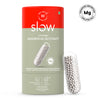 Liposomal Magnesium Glycinate (Chelated) | Pack of 60 Capsules
₹872 – ₹1,708
Liposomal Magnesium Glycinate (Chelated) | Pack of 60 Capsules
₹872 – ₹1,708
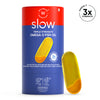 3x Strength Omega 3 Fish Oil
₹1,199
3x Strength Omega 3 Fish Oil
₹1,199
 4x Strength Omega 3 Fish Oil
₹1,274
4x Strength Omega 3 Fish Oil
₹1,274
 6x Strength Omega 3 Fish Oil
₹1,939 – ₹3,798
6x Strength Omega 3 Fish Oil
₹1,939 – ₹3,798
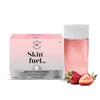 Glutathione Skin Fuel Pro+ Strawberry Flavour
₹1,044 – ₹5,803
Glutathione Skin Fuel Pro+ Strawberry Flavour
₹1,044 – ₹5,803
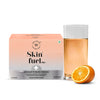 Glutathione Skin Fuel Pro+ Valencia Orange Flavour
₹879 – ₹5,275
Glutathione Skin Fuel Pro+ Valencia Orange Flavour
₹879 – ₹5,275
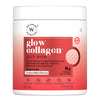 Glow Korean Marine Collagen Peptides with Liposomal Glutathione & Vitamin C | Tropical Bliss Flavour | 250g
₹1,939 – ₹7,196
Glow Korean Marine Collagen Peptides with Liposomal Glutathione & Vitamin C | Tropical Bliss Flavour | 250g
₹1,939 – ₹7,196
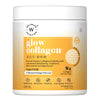 Glow Korean Marine Collagen Peptides with Liposomal Glutathione & Vitamin C | Valencia Orange Flavour | 250g
₹1,939 – ₹7,196
Glow Korean Marine Collagen Peptides with Liposomal Glutathione & Vitamin C | Valencia Orange Flavour | 250g
₹1,939 – ₹7,196
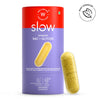 Slow Advanced N-Acetyl-Cysteine + Glycine Capsules
₹1,357 – ₹2,658
Slow Advanced N-Acetyl-Cysteine + Glycine Capsules
₹1,357 – ₹2,658
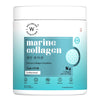 Pure Korean Marine Collagen Peptides | Unflavored | Combat Signs of Ageing
₹1,745 – ₹6,476
Pure Korean Marine Collagen Peptides | Unflavored | Combat Signs of Ageing
₹1,745 – ₹6,476