Your body is on fire right now. Not literally. But at a cellular level, there's a very good chance a slow, silent burn has been running inside you for months, maybe years, and you've been chalking it up to stress, aging, or just "how you are."
You're tired all the time. Your digestion is unpredictable. Your joints feel older than they should. Your brain feels foggy by 3 PM. You get bloodwork done. Everything comes back "normal." And yet something is clearly off.
That something has a name: chronic low-grade inflammation. And the most underrated, most accessible, most powerful tool you have to fight it is not in a pharmacy. It's on your plate, three times a day, every single day.
First, Understand What You're Actually Fighting
Inflammation itself is not the villain. When you twist your ankle and it swells up, that's your immune system doing exactly what it's supposed to do. Flood the area, send in repair crews, fix the damage, stand down.
The problem is when it never stands down.
Chronic inflammation is your immune system stuck in threat mode. Not because there's an actual threat, but because the signals it keeps receiving, from the food you eat, the sleep you skip, the stress you carry, keep telling it to stay on guard. So it does. Quietly. Persistently. At a cost.
That cost compounds over time. Research now links chronic low-grade inflammation to heart disease, type 2 diabetes, obesity, clinical depression, autoimmune conditions, and even Alzheimer's disease. This isn't fringe science. It's mainstream medicine finally catching up to what your body has been saying all along.

Your Food Is Talking to Your Immune System. What Is It Saying?
Every single meal you eat sends a biochemical message to your immune system. That's not a metaphor. It is literal molecular signaling.
Ultra-processed foods, refined sugars, and oils heavy in omega-6 fatty acids tell your immune system: danger, stay alert, keep the inflammation going. Whole foods, fiber, polyphenols, and healthy fats send the opposite message: we're safe, stand down, repair mode on.
The gut is where this conversation happens. When you consistently eat fiber-rich foods, your gut bacteria break that fiber down into short-chain fatty acids, particularly butyrate, which directly switches off inflammatory immune cells. Feed those bacteria poorly and they starve. The gut lining weakens. Inflammatory molecules that should stay inside your intestines start crossing into your bloodstream. Your immune system panics. The fire keeps burning.
A landmark study published in Nature Medicine demonstrated exactly this: dietary patterns high in refined carbohydrates and saturated fats directly activated the NF-kB inflammatory pathway in humans, while plant-rich, fiber-dense diets significantly suppressed it. [NIH]
The Anti-Inflammatory Diet Food List: What Belongs on Your Plate
Here's the truth that doesn't get said enough: if you grew up eating traditional Indian food, you were already eating one of the most anti-inflammatory diets on earth. Not because it was trendy. Because it worked.
The problem is that traditional cooking has been slowly replaced by convenience food, refined flour snacks, packaged everything, and oils chosen for price rather than function. The inflammation didn't come from the cuisine. It came from abandoning it.
Turmeric is the one that gets the most attention, and it deserves it. Curcumin, the active compound in turmeric, reduces C-reactive protein (CRP) and interleukin-6 (IL-6), two of the primary blood markers of inflammation, in a dose that you'd get from regular cooking.

That combination already exists in a well-made curry. It's not a coincidence.
Ginger contains gingerols and shogaols that inhibit COX-2, the same inflammatory enzyme that ibuprofen targets. Except ginger comes with fiber, antioxidants, and zero side effects on your gut lining. Human trials have shown ginger reduces post-exercise muscle inflammation and lowers CRP in people with metabolic dysfunction.
Garlic, specifically allicin released when you crush or chop it, suppresses pro-inflammatory cytokines like TNF-alpha and IL-6 in human studies. Let crushed garlic sit for ten minutes before cooking to maximize allicin formation. That's a $0 upgrade to every meal you make.
Lentils and legumes of all kinds are anti-inflammatory heavy hitters. Not because of any single compound, but because of their fiber content. Consistent legume consumption is one of the strongest dietary predictors of low inflammatory markers across populations. Every variety counts.
Fatty fish, particularly sardines, mackerel, and salmon, deliver EPA and DHA, the omega-3 fatty acids that directly resolve inflammation at the cellular level. If there is one macronutrient most urban Indians are deficient in, it is omega-3. The ratio of omega-6 to omega-3 in the modern Indian diet has shifted dramatically toward inflammation.
Indian gooseberry (amla) is one of the densest natural sources of Vitamin C on the planet. Vitamin C is a potent antioxidant that scavenges free radicals, regenerates other antioxidants like Vitamin E, and directly reduces oxidative stress, a primary upstream trigger of inflammation.
Mustard oil and coconut oil used in traditional Indian cooking have far better fatty acid profiles for inflammation management than refined sunflower or soybean oil. This is not a small detail. The oil you cook in every day matters.
Walnuts and flaxseeds are the two most accessible plant-based omega-3 sources. A tablespoon of flaxseeds ground into your morning routine or a small handful of walnuts in the evening is not a health fad. It is a daily dose of ALA, the plant-based omega-3 that your body partially converts to EPA and DHA.
Green leafy vegetables, spinach, fenugreek leaves, mustard greens, all provide folate, magnesium, and polyphenols that directly regulate inflammatory gene expression. Magnesium deficiency alone is associated with elevated inflammatory markers. Most urban adults are chronically low.
The Inflammatory Diet Food List: What's Running the Fire
Now the other side. These aren't foods that are bad in a vague, generic sense. These are foods with documented mechanisms for driving inflammation, and most people eat them daily without a second thought.
Refined flour and refined grain products (white bread, crackers, most packaged snacks, biscuits) drive rapid blood sugar spikes. Every spike triggers an insulin surge. Repeated insulin surges drive oxidative stress and inflammatory signaling. This happens every single time, with every refined carb meal, in every body.
Added sugar and sugary drinks, including so-called healthy fruit juices, drive the same glucose spike at even higher speed. They also directly feed inflammatory gut bacteria and suppress beneficial strains. The damage from one cold drink a day is not dramatic on day one. Over five years, it is.
Refined vegetable oils, especially sunflower and soybean oil consumed in large quantities, are loaded with omega-6 linoleic acid. Omega-6 is not inherently bad. But when your omega-6 to omega-3 ratio hits 20:1, which is where most urban Indians sit today, you are living in a pro-inflammatory state by default. Swap to cold-pressed mustard oil or use ghee in small amounts.
Processed and ultra-processed meats, sausages, packaged cold cuts, reconstituted chicken products, generate advanced glycation end-products (AGEs) during processing and cooking that directly activate inflammatory receptors. Charring any meat at high heat does the same.
Alcohol, taken regularly even in "moderate" amounts, increases intestinal permeability, disrupts the gut microbiome, and elevates liver-derived inflammatory markers. The science on "moderate drinking is protective" has largely collapsed under closer scrutiny.
What a Real Anti-Inflammatory Day Looks Like
No superfoods. No imported ingredients. Just a restructured plate.
Morning: Start with warm water and crushed ginger steeped for five minutes. Breakfast could be flattened rice cooked with mustard seeds, curry leaves, and mixed vegetables, or two eggs scrambled with spinach and a pinch of turmeric. Add a few walnuts on the side.
Lunch: The backbone is a bowl of lentils, any variety, cooked with turmeric, ginger, and garlic. Pair with a vegetable preparation in mustard oil, brown rice or a millet flatbread, and a small bowl of plain yogurt for gut health.
Snack: A teaspoon of ground flaxseeds in water or a small portion of mixed nuts. A cup of green tea, which is rich in EGCG, one of the most studied anti-inflammatory polyphenols.
Dinner: Keep it light and early. Lentil rice porridge, a vegetable soup with bone broth if you eat non-vegetarian, or grilled fish with a salad dressed in mustard oil and lemon. No refined carbs after 7 PM if possible.
Drinks throughout the day: Water, green tea, plain buttermilk. If you drink coffee, black coffee in the morning has polyphenols that are mildly anti-inflammatory. Skip the packaged juices entirely.
A Quick Word on Supplements
Food is the foundation. But some gaps are genuinely hard to close through diet alone, especially in urban Indian lifestyles with limited sun exposure, low fish consumption, and high-stress living.
Omega-3 fish oil (EPA + DHA): If you are not eating fatty fish three times a week, this is the single most important supplement to consider for inflammation. Look for a product with at least 500mg combined EPA and DHA per serving.
Vitamin C and zinc tablets: Both directly support immune regulation and reduce oxidative stress. Vitamin C also helps regenerate other antioxidants. Zinc deficiency, extremely common, is independently associated with elevated inflammatory markers.
Multivitamin for men / multivitamin for women: A broad-spectrum multivitamin fills the micronutrient gaps that quietly worsen immune function over time. Choose one formulated for your age group and activity level, not a generic one-size-fits-all pill.
Supplements support a good diet. They cannot rescue a bad one.
Consistency Is the Only Mechanism That Works
One turmeric latte will not save you. One salad will not either. The body does not respond to gestures. It responds to patterns.
You do not need to be perfect. You need to be consistent in a direction. Two good meals out of three, most days of the week, is enough to start shifting inflammatory markers measurably. That's the science. The rest is just choosing to begin.

Key Takeaways
-
Chronic inflammation is not dramatic. That's what makes it dangerous. It builds silently over years and drives heart disease, diabetes, depression, obesity, and neurodegeneration before a single symptom shows up on a standard blood panel.
-
Traditional Indian cooking is already an anti-inflammatory system. Turmeric with black pepper, garlic, ginger, lentils, mustard oil, leafy greens. The problem is that modern convenience food has replaced it, not improved it.
-
The most inflammatory foods in the modern Indian diet are refined flour, added sugar, sugary drinks, and cheap refined vegetable oils consumed in excess. These are not occasional indulgences for most people. They are daily staples.
-
The gut is the control room. Fiber feeds the bacteria that produce compounds that switch off inflammation. Every lentil meal, every vegetable, every fermented food like yogurt is contributing to a quieter, calmer immune system.
-
Consistency is the only lever that matters. A week of clean eating followed by a return to old patterns does nothing. The studies that show dramatic health benefits are measuring months and years of consistent dietary direction, not intensity.
FAQs
1. What exactly is chronic inflammation and why is it different from the swelling I get from an injury?
The swelling from an injury is acute inflammation. It's targeted, short-lived, and necessary. Chronic low-grade inflammation is a persistent background activation of your immune system with no clear off-switch. There's no visible swelling, but inflammatory molecules are circulating constantly, quietly damaging blood vessels, brain tissue, and metabolic function over years.
2. Which anti-inflammatory Indian foods should I be eating every single day?
Turmeric cooked with black pepper and a fat source, garlic and ginger in any form, lentils of any variety, leafy greens like spinach and fenugreek, plain yogurt for gut health, and a teaspoon of ground flaxseeds for omega-3. These seven things, eaten regularly, cover most of your anti-inflammatory bases without a single expensive superfood.
3. Is ghee actually anti-inflammatory or is that just marketing?
Ghee contains butyrate, a short-chain fatty acid that directly calms inflammatory immune cells in the gut lining, and conjugated linoleic acid (CLA), which has shown anti-inflammatory effects in human studies. The key word is moderation. A teaspoon used in cooking is therapeutic. A tablespoon used three times a day is excess fat loading.
4. Can changing my diet actually reduce joint pain?
Human clinical trials on curcumin supplementation (at doses achievable through consistent dietary intake) have shown measurable reductions in CRP and IL-6, the two primary inflammatory markers associated with joint pain. The effect is not as fast as an NSAID, but it is cumulative and comes without the gut damage that long-term NSAID use causes.
5. What is the single most inflammatory food most Indians eat without realizing it?
Refined flour-based snacks eaten daily. Biscuits with chai, bread at breakfast, fried snacks in the evening. Individually they seem harmless. Cumulatively they drive constant blood sugar spikes, feed inflammatory gut bacteria, and crowd out genuinely nutritious food. Most people eating these daily do not consider themselves to have a "bad" diet.
6. How long before I actually feel a difference from eating anti-inflammatory foods?
Most people report measurable improvements in energy levels, bloating, and mood within four to six weeks of consistent changes. Objective markers like CRP can show meaningful reduction within eight to twelve weeks. The longer inflammation has been running, the longer it takes to turn down, but it does turn down.
7. Is an anti-inflammatory diet just a rebranded Mediterranean diet?
They share the same core principles: vegetables, legumes, whole grains, healthy fats, fish, minimal processed food. The Mediterranean diet is the most studied version. The traditional Indian diet, before the processed food invasion, operated on the same framework with its own local ingredients. Both suppress the same inflammatory pathways.
8. I don't eat fish. Can I still get enough omega-3?
Plant-based omega-3 (ALA) from flaxseeds, walnuts, and chia seeds is beneficial but converts to EPA and DHA at a low rate in the body. If you don't eat fish, an algae-based omega-3 supplement (which is where fish get their EPA and DHA from anyway) is a more direct and effective option than relying on ALA conversion alone.
9. Can chronic stress make inflammation worse even if I eat well?
Absolutely. Chronic psychological stress activates the HPA axis and releases cortisol, which initially suppresses inflammation but chronically dysregulates immune function and ultimately promotes it. Diet and stress management are not separate interventions. They work on the same system and need to be addressed together.
10. Will eating anti-inflammatory foods help me lose weight?
Indirectly, and significantly. Chronic inflammation drives insulin resistance, which makes fat storage easier and fat burning harder. Reducing systemic inflammation improves insulin sensitivity, which improves your body's ability to use food as fuel rather than store it as fat. Weight loss becomes far less of an uphill battle when the metabolic environment stops working against you.

Recommended Products
 3x Strength Omega 3 Fish Oil
₹1,199
3x Strength Omega 3 Fish Oil
₹1,199
 4x Strength Omega 3 Fish Oil
₹1,274
4x Strength Omega 3 Fish Oil
₹1,274
 6x Strength Omega 3 Fish Oil
₹1,939 – ₹3,798
6x Strength Omega 3 Fish Oil
₹1,939 – ₹3,798
 Multi + Omega for Her Slow
₹1,357 – ₹2,658
Multi + Omega for Her Slow
₹1,357 – ₹2,658
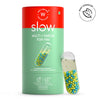 Multi + Omega for Him Slow
₹1,357 – ₹2,658
Multi + Omega for Him Slow
₹1,357 – ₹2,658
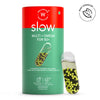 Multi + Omega 50+ Slow
₹1,357 – ₹2,658
Multi + Omega 50+ Slow
₹1,357 – ₹2,658
 Organic Vitamin C + Zinc
₹758 – ₹2,035
Organic Vitamin C + Zinc
₹758 – ₹2,035