You wash your hands. You sleep 7 hours. You pop a supplement when you feel something coming on. And yet, somehow, you still end up sick the moment the season changes or someone in the office sneezes twice.
Here is the thing most people miss: immunity is not something you switch on when you feel a cold coming. It is something you build, layer by layer, every single day through what you eat. The best immunity booster food is not a fancy powder or an overpriced shot. It is a consistent, well-fed immune system that knows exactly what to do when a threat walks in.
Let's talk about how to actually eat your way to a resilient defence system, year-round.
Your Immune System Is Literally Made of Food
Before we get into the list, here is the perspective shift that changes everything: about 70 to 80 percent of your immune system lives in your gut. The microbiome, that vast community of trillions of bacteria lining your intestines, is not just digesting food. It is training your immune cells, communicating with your brain, and determining how your body responds to viruses, bacteria, and inflammation.
Feed it well, and your defence system is sharp, fast, and proportionate. Starve it of fibre and nutrients, and it becomes sluggish, reactive, and easy to overwhelm.
Did you know? Your gut produces more serotonin than your brain does. And the immune cells that line your gut interact directly with both the food you eat and the bugs you encounter. This is why food to improve immunity power is not just a wellness buzzword. It is basic biology.
The Best Food for Immunity, Broken Down
1. Garlic: The Most Underrated Immunity Strong Food on the Planet
Garlic contains allicin, a sulphur compound released when garlic is crushed or chopped. Allicin has been shown in clinical studies to reduce the duration and severity of colds and to stimulate the activity of white blood cells. One study found that people who took a garlic supplement daily had 63 percent fewer colds than those who didn't.
Raw garlic is more potent than cooked. Try crushing a clove and letting it sit for 10 minutes before adding it to food. That resting time maximises allicin activation.

2. Citrus Fruits and Bell Peppers: The Vitamin C Powerhouses
When it comes to food to increase immunity, Vitamin C is the most well-known player and for good reason. It stimulates the production and function of white blood cells, acts as an antioxidant protecting those cells from damage, and supports the skin barrier as a first line of physical defence.
Here is what surprises people: red bell peppers have almost three times the Vitamin C of an orange. Guava, amla, kiwi, and strawberries are all serious contenders too.
And if dietary intake is inconsistent, vitamin C capsules or vitamin C zinc tablets are a well-researched combination. Zinc and Vitamin C together support immune cell development, reduce oxidative stress, and shorten the duration of respiratory infections. The evidence behind this pairing is among the strongest in immunity supplement research.
3. Ginger: Anti-Inflammatory at Its Core
Ginger contains gingerols and shogaols, bioactive compounds with potent anti-inflammatory and antimicrobial properties. Chronic low-grade inflammation is one of the biggest suppressors of immune function, and ginger actively works to dial it down.
Fresh ginger in warm water with lemon first thing in the morning is one of the most practical and evidence-backed habits you can build into your daily routine as best food to improve immunity.

4. Turmeric: The Curcumin Conversation
Curcumin, the active compound in turmeric, modulates the immune system in a genuinely sophisticated way. It does not just stimulate immune response. It helps regulate it, which matters enormously. An overactive immune system is just as problematic as an underactive one. Think autoimmune flares and chronic inflammation.
The catch: curcumin has poor bioavailability on its own. Always pair turmeric with black pepper (piperine increases absorption by up to 2000 percent) and a healthy fat source.
5. Mushrooms: Immune Training You Didn't Know You Needed
Shiitake, reishi, maitake, and oyster mushrooms are among the most powerful immunity booster foods because of a compound called beta-glucans. Beta-glucans literally train your immune cells to be more responsive without overstimulating the system.
You don't need medicinal mushrooms exclusively. Regular shiitake mushrooms in your weekly stir-fry or soup are a legitimate, practical step.
6. Yoghurt and Fermented Foods: Feed the Gut, Build the Army
Since most of your immune system is in your gut, feeding your microbiome is one of the most direct things you can do for immunity. Yoghurt with live cultures, kefir, kimchi, sauerkraut, miso, and idli/dosa batter (fermented naturally) are all excellent body immunity increasing food options.
The key word is live cultures. Check labels. Pasteurised fermented foods lose most of their probiotic benefit.
Practical tip: A small bowl of plain yoghurt with meals daily is one of the most accessible and consistent ways to support gut immunity, especially for those looking at baby immunity food options since it is gentle, nutritious, and easy to introduce.
7. Sunflower Seeds and Pumpkin Seeds: Zinc in a Handful
Zinc deficiency is one of the most common nutrient deficiencies worldwide, and it directly impairs immune cell production. Pumpkin seeds, sunflower seeds, hemp seeds, and legumes are all solid food to improve immunity power through zinc intake.
Zinc does not just help you get better faster. It helps your immune system learn and remember pathogens, making it a critical mineral for long-term immunity, not just acute illness response.
8. Spinach and Dark Leafy Greens: The Multitaskers
Spinach delivers Vitamin C, beta-carotene, folate, and several antioxidants that support immune cell replication and repair. It is genuinely one of the most nutrient-dense immunity power increase foods you can eat at relatively low cost.
Lightly cook spinach rather than eating it raw if you eat it in large quantities. This reduces oxalate content and actually increases the bioavailability of some nutrients.
The Supplement Stack That Supports Immunity Year-Round
Food comes first, always. But the right supplements fill real gaps and genuinely move the needle.
Vitamin C zinc tablets are the most practical daily combination for immune maintenance. Both nutrients are water-soluble, meaning the body does not store them. Daily top-ups matter.
Daily greens effervescent tablets are an increasingly popular way to cover micronutrient gaps, especially for people with inconsistent diets. A good daily greens effervescent tablet typically contains a blend of vitamins, minerals, and plant extracts that collectively support immune function, energy, and gut health in one convenient dose.
NAC supplement (N-Acetyl Cysteine) is one of the most underappreciated immunity supplements available. It replenishes glutathione, the body's master antioxidant, and has strong evidence for supporting respiratory immunity specifically. During viral season, NAC is the supplement many functional medicine doctors quietly recommend first.
Ashwagandha deserves a serious mention here. Chronic stress is one of the most significant suppressors of immune function through its effect on cortisol. Ashwagandha is an adaptogen with robust clinical evidence for reducing cortisol levels and improving the activity of natural killer cells, a frontline component of the immune system. It is not just a stress supplement. It is a genuine immune support tool.
5 Key Takeaways
-
Immunity is built daily, not activated in emergencies. Consistent food choices over weeks and months determine how resilient your defence system actually is when it needs to perform.
-
Your gut is your immune headquarters. Fermented foods, fibre-rich plants, and probiotic sources are not optional extras. They are foundational to how well your immune system functions.
-
Zinc and Vitamin C are the most evidence-backed daily nutrients for immune function. Get them through food first. Fill gaps with vitamin C zinc tablets or vitamin C capsules.
-
Chronic stress cancels good food habits. Cortisol suppresses immune response directly. Ashwagandha and stress management are part of the immunity equation, not separate from it.
-
Mushrooms, garlic, and ginger are criminally underused. These are not folk remedies. They have peer-reviewed research behind their immune-modulating properties and should be weekly staples.
FAQ
Q1. What is the single best immunity booster food I can eat daily?
Garlic is arguably the most researched single food for immunity. But if you want the most complete daily option, a combination of garlic, ginger, and a Vitamin C source covers the most ground.
Q2. How long does it take for dietary changes to improve immunity?
Gut microbiome shifts begin within 3 to 5 days of dietary change. Measurable immune function improvements typically show within 4 to 8 weeks of consistent eating habits.
Q3. Are daily greens effervescent tablets actually effective?
Yes, when they contain clinically relevant doses of vitamins and minerals. They are especially useful for people who struggle to eat varied diets consistently. Look for products with transparent ingredient lists and no excess sugar.
Q4. Is ashwagandha safe to take daily?
For most healthy adults, yes. Standard doses of 300 to 600 mg of ashwagandha extract daily have a strong safety profile in studies up to 12 weeks. Consult your doctor if you are pregnant, on thyroid medication, or immunosuppressed.
Q5. What are the best immunity foods for babies and toddlers?
Yoghurt with live cultures, sweet potato, banana, cooked mushrooms, and pureed lentils are excellent baby immunity food options. Always introduce one at a time and consult your paediatrician for age-appropriate guidance.
Q6. Does sugar actually suppress immunity?
Yes. Research shows that consuming high amounts of sugar impairs the ability of white blood cells to engulf and destroy bacteria for up to five hours after consumption. Reducing sugar is one of the most direct dietary interventions for immune health.
Q7. How does the NAC supplement support immunity specifically?
NAC replenishes glutathione, the body's primary antioxidant defence. It also has mucolytic properties that support respiratory tract health, making it particularly useful during cold and flu season.
Q8. Can I get enough Vitamin C from food alone?
Yes, if you are consistently eating bell peppers, citrus, amla, guava, or kiwi daily. For many people with variable diets, vitamin C capsules ensure you hit the therapeutic range consistently.
Q9. Does exercise improve immunity?
Moderate, consistent exercise improves immune surveillance and circulation of immune cells. Overtraining without adequate recovery actually suppresses immunity temporarily. Balance is key.
Q10. What foods should I avoid for better immunity?
Ultra-processed foods, excessive alcohol, refined sugar, and trans fats all impair immune function through inflammation, gut microbiome disruption, and nutrient depletion. Reducing these has an immediate positive impact.

Recommended Products
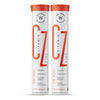 Organic Vitamin C + Zinc
₹758 – ₹2,035
Organic Vitamin C + Zinc
₹758 – ₹2,035
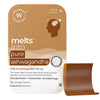 Pure Ashwagandha
₹649 – ₹1,298
Pure Ashwagandha
₹649 – ₹1,298
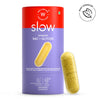 Slow Advanced N-Acetyl-Cysteine + Glycine Capsules
₹1,357 – ₹2,658
Slow Advanced N-Acetyl-Cysteine + Glycine Capsules
₹1,357 – ₹2,658
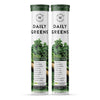 Daily Greens
₹1,043 – ₹2,800
Daily Greens
₹1,043 – ₹2,800