- The Complete Playbook for Staying One Step Ahead of Seasonal Illness
The first rain smells incredible. The weather cools down. Hot chai suddenly feels like therapy.
But while monsoon is a season of comfort, it is also the season when your immune system quietly works overtime.
Humidity creates the perfect environment for bacteria, fungi, and viruses to thrive. Water contamination becomes more common. Fresh produce spoils faster. Gut infections rise. Mosquitoes multiply. Even your sleep and physical activity tend to decline because of gloomy weather.
Here is the interesting part.
Most people think immunity is simply about taking more Vitamin C. In reality, your immune system is built by hundreds of daily decisions involving your gut, sleep, food diversity, hydration, stress, and nutrient status.
If you have been searching for how to boost immunity in monsoon, the answer is not a miracle ingredient. It is creating the right environment for your immune system to perform at its best.
Let's break it down.
Why Does Immunity Feel Weaker During Monsoon?
-
Humidity is a breeding ground.
Fungi, bacteria, and viruses thrive in moist, warm conditions. Waterlogging and stagnant water create the perfect environment for mosquito borne illnesses and waterborne infections like typhoid and hepatitis A.
-
Temperature swings confuse your body.
Constant shifts between hot and cold force your body to work overtime regulating itself, which pulls energy away from immune defense.
-
Digestion slows down.
Ayurveda has said this for centuries and modern science backs it up. Humidity affects digestive fire (agni), which means your gut, home to nearly 70 percent of your immune cells, isn't functioning at its best. A sluggish gut means a sluggish immune response.
-
Sunlight drops.
Less sun means lower Vitamin D synthesis, and Vitamin D is directly linked to how well your immune cells communicate and respond to threats.
Once you see the full picture, it becomes obvious that how to improve immunity in monsoons isn't about one magic pill. It's about supporting your gut, your gut lining, your micronutrient levels, and your daily rhythm all at once.
1. Feed Your Gut Before You Feed Your Immune System
Here's something most people don't realize.
You are not just feeding yourself.
You are feeding trillions of microbes living inside your gut.
These microbes help educate immune cells, produce beneficial compounds called short-chain fatty acids, and strengthen your intestinal barrier against invading pathogens.
The easiest way to support them?
Eat more fiber and plant diversity.
Everyday immunity foods
-
Moong dal khichdi with ghee and black pepper
-
Oats
-
Apples
-
Guava
-
Bananas
-
Pumpkin
-
Sweet potato
-
Carrots
-
Cooked spinach
-
Lentils
-
Chickpeas
Aim for different colours on your plate instead of eating the same vegetables every day.
More plant diversity means more diverse gut bacteria.
2. Vitamin C Is Only Half the Story
When people think about how to improve immunity in monsoons, Vitamin C usually steals the spotlight.
It deserves attention because it supports white blood cell function and protects immune cells from oxidative stress.
But here's the part many people miss.
Vitamin C works even better when paired with zinc.
Zinc is involved in the development and communication of immune cells and plays an important role in wound healing and fighting infections.
Foods rich in Vitamin C include:
-
Amla
-
Guava
-
Kiwi
-
Citrus fruits
-
Bell peppers
Foods rich in zinc include:
-
Pumpkin seeds
-
Sesame seeds
-
Chickpeas
-
Lentils
-
Dairy
-
Eggs
If daily intake is inconsistent, many people also choose a Vitamin C zinc tablet or vitamin C capsules to help bridge nutritional gaps, especially during seasons when infections become more common.
3. Your Grandma's Kadha Wasn't Just Tradition
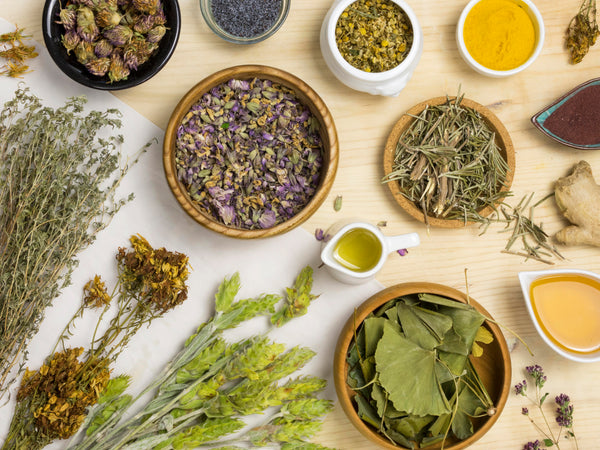
There is a reason warm herbal drinks appear in almost every Indian household during rainy weather.
Many traditional kadha ingredients have been extensively studied.
Common ingredients include:
-
Tulsi
-
Ginger
-
Black pepper
-
Cinnamon
-
Clove
-
Turmeric
Together, they provide bioactive compounds with antioxidant and anti-inflammatory properties that may support respiratory health.
The best part?
Kadha also encourages hydration while providing warmth that many people find soothing during rainy weather.
Just remember that more is not better.
One fresh cup is usually enough. Avoid adding excessive sugar.
4. Cooked Foods Become Your Best Friend
Monsoon is not the season for unnecessary food risks.
Warm, freshly cooked meals generally carry a lower microbial load than foods left sitting at room temperature.
During heavy rains, try choosing:
-
Freshly cooked vegetables
-
Soups
-
Steamed dishes
-
Khichdi
-
Vegetable stews
-
Light dals
Limit:
-
Cut fruits sitting outside
-
Raw street salads
-
Uncovered chutneys
-
Reheated leftovers multiple times

5. Don't Forget the Green Side of Nutrition
Modern diets often fall short on vegetables.
That means people may miss out on phytonutrients, antioxidants, vitamins, and minerals that support immune resilience.
Adding leafy greens, herbs, cruciferous vegetables, and colourful produce throughout the week provides your body with a broader range of protective plant compounds.
On busy days, many people include Daily Greens alongside whole foods to increase their intake of nutrient-rich greens.
Think of it as supporting consistency rather than replacing vegetables.
6. Hydration Is an Immunity Habit Too
You may sweat less during monsoon, but your body still loses fluids.
Hydration helps maintain healthy mucosal barriers in your nose, mouth, and throat, which are among your body's first lines of defense.
Good options include:
-
Water
-
Coconut water
-
Lemon water
-
Light soups
-
Herbal teas
-
Electrolyte drinks

Avoid relying entirely on sugary beverages.
7. Sleep Is Where Immune Memory Happens
One fascinating discovery from sleep research is that your immune system strengthens its memory while you sleep.
Deep sleep helps immune cells communicate more efficiently and supports the production of protective molecules.
Adults should aim for around 7 to 9 hours of quality sleep.
Late-night binge watching may be entertaining, but it comes with an immune cost.
8. Stress Can Quietly Reduce Immune Performance
Ever noticed how people often fall sick after an especially stressful week?
That is not a coincidence.
Chronic stress raises cortisol levels, which can interfere with immune cell function over time.
Simple habits help.
-
Walking after rain when it's safe
-
Meditation
-
Deep breathing
-
Yoga
-
Reading
-
Spending time outdoors whenever weather permits
Mental health and immune health are more connected than many people realize.
9. Consider Targeted Nutritional Support When Needed
Food should always come first.
However, certain nutrients are difficult for some people to obtain consistently through diet alone.
Depending on individual nutritional needs and guidance from a healthcare professional, people may consider:
-
Vitamin C capsules
-
Vitamin C zinc tablet
-
NAC supplement
N-acetyl cysteine, commonly known as NAC supplement, serves as a precursor to glutathione, one of the body's most important antioxidants. It has been studied for supporting antioxidant defenses and respiratory health, making it an area of growing interest during seasons associated with respiratory infections.
Supplements work best when they complement healthy eating, not replace it.
10. The Small Hygiene Habits That Matter More Than Supplements
Sometimes the biggest immunity upgrade has nothing to do with nutrition.
Remember to:
-
Wash hands before eating.
-
Drink safe, filtered water.
-
Clean reusable water bottles regularly.
-
Refrigerate leftovers promptly.
-
Keep kitchen sponges and chopping boards clean.
-
Avoid consuming food that has been left uncovered.
Your immune system fights fewer battles when you simply reduce exposure to harmful microbes.

The Bottom Line
If you're wondering how to increase immunity in monsoon, stop looking for one magical ingredient.
The strongest immune systems are usually built through consistent habits.
-
Eat diverse whole foods.
-
Support your gut.
-
Prioritize Vitamin C and zinc.
-
Enjoy a warm cup of kadha.
-
Stay hydrated.
-
Sleep well.
-
Manage stress.
And when needed, use evidence-based nutritional support like a Vitamin C zinc tablet, Zinc capsules, Daily Greens, or an NAC supplement to complement, not replace, a healthy lifestyle.
Immunity is less about reacting when you fall sick and more about preparing your body long before germs arrive.
Key Takeaways
-
Your gut is your immune headquarters. Eating more fiber and diverse plant foods strengthens the gut microbes that help regulate immunity.
-
Vitamin C works better with zinc. Pair Vitamin C rich foods with zinc rich foods or consider a Vitamin C zinc tablet if dietary intake is insufficient.
-
Fresh, cooked meals are safer during monsoon. Warm foods reduce the risk of foodborne infections compared to improperly handled raw foods.
-
Sleep and stress directly influence immune function. Consistent sleep and stress management are just as important as nutrition.
-
Think beyond supplements. Good hygiene, safe drinking water, hydration, and balanced nutrition together create stronger immune resilience.
Frequently Asked Questions
1. How can I boost immunity naturally during monsoon?
Focus on eating a balanced diet rich in fruits, vegetables, whole grains, legumes, fermented foods, adequate protein, good sleep, hydration, stress management, and regular physical activity.
2. Which fruits are best for immunity during monsoon?
Guava, amla, kiwi, oranges, sweet lime, and papaya are excellent choices because they are rich in Vitamin C and antioxidants.
3. Is kadha really good for immunity?
Traditional kadha contains herbs and spices with antioxidant and anti-inflammatory compounds. While it is not a cure for infections, it can support overall wellness as part of a balanced diet.
4. Why are stomach infections common during monsoon?
Contaminated food and water, along with increased microbial growth due to humidity, raise the risk of gastrointestinal infections.
5. Should I avoid raw salads during monsoon?
Raw salads are safe only when washed thoroughly with clean water and prepared hygienically. Freshly cooked vegetables are generally a safer option during the rainy season.
6. Does hydration affect immunity?
Yes. Staying hydrated helps maintain healthy mucosal barriers in the respiratory tract and supports normal immune function.
7. Can a Vitamin C zinc tablet improve immunity?
Vitamin C and zinc support normal immune function and may help fill dietary gaps, but they work best alongside a healthy lifestyle rather than as a standalone solution.
8. Is Daily Greens a replacement for vegetables?
No. Daily Greens should complement a diet rich in whole vegetables and fruits, not replace them.
9. What is an NAC supplement used for?
An NAC supplement helps replenish glutathione, a key antioxidant involved in protecting cells from oxidative stress and supporting respiratory health.
10. Which Indian meals are best during monsoon?
Moong dal khichdi with ghee and black pepper, vegetable soups, steamed idlis, dal with rice, lightly spiced sabzi, and freshly prepared millet dishes are nourishing, easy to digest, and practical choices during the rainy season.

Recommended Products
 Grandma's Kadha
₹568 – ₹1,525
Grandma's Kadha
₹568 – ₹1,525
 Organic Vitamin C + Zinc
₹758 – ₹2,035
Organic Vitamin C + Zinc
₹758 – ₹2,035
 Slow Advanced N-Acetyl-Cysteine + Glycine Capsules
₹1,357 – ₹2,658
Slow Advanced N-Acetyl-Cysteine + Glycine Capsules
₹1,357 – ₹2,658
 Liposomal Zinc Complex (Chelated) | Pack of 60 Capsules
₹872 – ₹1,708
Liposomal Zinc Complex (Chelated) | Pack of 60 Capsules
₹872 – ₹1,708
 Daily Greens
₹1,043 – ₹2,800
Daily Greens
₹1,043 – ₹2,800