You've done everything right. The room is dark, your phone is face-down, and you're in bed by 10. And yet, an hour later, you're staring at the ceiling, completely wired. Sound familiar?
Here's something most people don't think about: what you ate that day might have everything to do with why you can't switch off at night. Sleep is not just about habits and routines. It is also, quite literally, built from the nutrients you consume. Your brain needs specific raw materials to manufacture the hormones and neurotransmitters that carry you into deep, restorative sleep. When those materials are missing from your plate, no sleep hygiene checklist in the world will fully compensate.
Let's break down the actual science, keep it simple, and make it genuinely useful for your everyday life.
Why Food and Sleep Are More Connected Than You Think
Your sleep cycle is regulated by two key players: melatonin, the hormone that signals darkness and drowsiness, and serotonin, the feel-good neurotransmitter that melatonin is made from. Both of these are synthesised in your body using building blocks that come directly from food.
The amino acid tryptophan is the starting point for this whole chain. Your body converts tryptophan into serotonin, and serotonin into melatonin. If your diet is consistently low in tryptophan-rich foods, you are essentially cutting off the supply chain for your own sleep hormones. Research published in the journal Nutrients confirms that tryptophan intake is directly associated with improved sleep quality and duration in adults. 1
But tryptophan does not work alone. It needs cofactors like vitamin B6, magnesium, and zinc to complete the conversion process. This is why sleep is genuinely a nutritional puzzle, not a single-ingredient fix.
The Best Foods for Sleep (That You Probably Already Have at Home)

The best foods for sleep are not exotic or expensive. They are everyday ingredients that simply need to be eaten with intention. Whether you are looking for food for good sleep at night or just trying to stop waking up at 2am for no reason, your kitchen is a better starting point than any supplement shelf.
Here is your full guide to natural sleeping food, broken down by what each one actually does in your body.
Kiwi fruit
Two kiwis about an hour before bed is one of the simplest sleep upgrades you can make. Kiwi is rich in serotonin, antioxidants, and folate, all of which support sleep regulation. It is also one of the few fruits with a direct association with improved sleep efficiency and total sleep time, which is why it consistently tops lists of foods that help you sleep. Accessible and genuinely effective.
Fatty fish
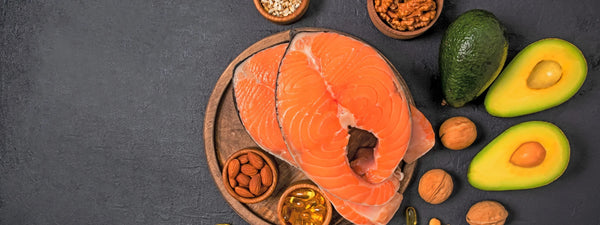
Salmon, sardines, mackerel, and tuna are excellent food for good sleep at night because they deliver omega-3 fatty acids and vitamin D together in a single meal. This combination supports serotonin synthesis and helps regulate your circadian rhythm from the inside out. Aim to include fatty fish two to three times a week, and front-load it at dinner rather than lunch when possible.
Whole grains and complex carbohydrates
Oats, brown rice, whole grain bread, and quinoa do more than fuel your afternoon. They promote insulin release, which helps shuttle tryptophan across the blood-brain barrier far more efficiently than tryptophan consumed alone. A small bowl of oats or a side of brown rice at dinner is one of the most overlooked foods that promote sleep, because the effect is indirect but very real. Think of complex carbohydrates as the delivery vehicle for your sleep hormones.
Almonds and walnuts
These are not just healthy snacks. Almonds are one of the richest nut sources of magnesium, which activates the enzymes your body needs to complete the melatonin conversion chain. Walnuts go one step further. They are one of the very few plant foods that contain melatonin in its natural form, making them a genuinely unique food to help sleep. A small handful of mixed nuts before bed covers two bases at once.
Bananas
A banana is one of the most portable, no-prep foods for better sleep available. It delivers tryptophan, magnesium, and potassium together, a combination that supports muscle relaxation, nervous system calm, and the melatonin manufacturing process simultaneously. Pair it with a small amount of nut butter for a slow-digesting snack that keeps blood sugar stable through the night.
Milk and warm dairy
Warm milk has earned its bedtime reputation and the science backs it up. Dairy contains tryptophan alongside casein protein, which digests slowly and keeps you from waking up from hunger at 3am. The warmth also mildly raises and then lowers your core body temperature, which is one of the physical triggers for sleep onset. Warm milk, warm golden milk with a pinch of turmeric, or a small cup of plain yoghurt all count here.

Eggs
Eggs are a quiet overachiever on the list of foods that improve sleep. They are one of the most tryptophan-dense whole foods available, and they also provide vitamin D and B vitamins that support the full melatonin conversion chain. A boiled egg as an evening snack, or eggs at dinner rather than only breakfast, is a small habit that pays off over time.
Pumpkin seeds
If there is one food that deserves more attention in the sleep conversation, it is pumpkin seeds. They are one of the highest dietary sources of both magnesium and zinc, two of the three key cofactors your body needs to convert serotonin into melatonin. A small handful sprinkled over dinner or eaten as a snack is one of the most nutrient-dense food for good sleep choices you can make without changing anything else about your routine.
Chamomile tea and herbal teas
Chamomile contains apigenin, an antioxidant that binds to receptors in the brain associated with reduced anxiety and initiated sleep. It is one of the most widely used natural sleeping food options in traditional medicine, and the modern evidence supports its calming effect. Passionflower tea and valerian tea are in the same family. A warm mug an hour before bed is a ritual worth building.
Dark leafy greens
Spinach, kale, and Swiss chard are not typically listed as sleep-inducing foods, but they should be. They are rich in magnesium, calcium, and folate, all of which support the nervous system processes that regulate sleep quality. Add them to your dinner plate as a default and you are quietly building the nutritional foundation for better sleep every night without any specific effort.
Tofu and soy
Tofu is one of the best plant-based sources of tryptophan, which makes it a reliable food for better sleep for people who do not eat meat or dairy. Edamame and other soy-based foods also contain isoflavones that may support serotonin activity. A tofu-based dinner with brown rice is essentially a sleep-supportive meal built entirely from plant foods.
The pattern across all of these foods is the same. They either supply the raw materials your brain needs to build sleep hormones, or they create the physiological conditions (stable blood sugar, muscle relaxation, lower cortisol) that allow sleep to happen. The goal is not to eat all of these every single day. It is to build a dinner plate that consistently includes two or three of them, and to do that often enough that your body has what it needs to carry you into genuinely restorative rest.
A Simple Way to Think About Your Sleep Plate
Rather than overhauling your entire diet, think about building your evening meals around these three pillars:
|
Pillar |
What It Does |
Foods to Include |
|
Tryptophan Sources |
Builds melatonin and serotonin |
Turkey, eggs, dairy, tofu, bananas, cheese nuts |
|
Magnesium and Zinc |
Activates sleep enzymes |
Pumpkin seeds, legumes, whole grains, leafy greens |
|
Anti-inflammatory Support |
Reduces cortisol and oxidative stress |
Fatty fish, tart cherries, kiwi, berries |
You do not need all three at every meal. Even incorporating one or two consistently will make a measurable difference over weeks, not just one night.
Foods to Avoid for Better Sleep

Knowing what promotes sleep is only half the picture. Equally important is understanding food to avoid for sleep disruption.
Caffeine is the obvious one, but its half-life of approximately five to seven hours means that a 3pm coffee can still be active in your system at 10pm.
High-sugar meals in the evening cause blood glucose spikes and crashes that can fragment sleep mid-night.
Heavy, greasy meals close to bedtime divert blood flow to digestion and raise core body temperature, both of which are counterproductive to the natural cooling process your body needs to initiate sleep.
Alcohol, while sedating initially, disrupts REM sleep in the second half of the night, leaving you groggy even after eight hours in bed.
A Quick Word on Supplements
If your diet is consistently falling short, a few supplements are worth knowing about.
- Magnesium capsules (particularly magnesium glycinate or bisglycinate) are well-studied for supporting sleep onset and reducing nighttime waking.
- Ashwagandha has emerging evidence for reducing cortisol and improving sleep quality in adults under stress.
- Melatonin supplements, including melatonin 5 mg and melatonin 10 mg options, can be helpful for resetting circadian rhythms, particularly for shift workers or jet lag, though lower doses are often sufficient for general use.
- A zinc complex may also support sleep regulation given zinc's role in melatonin synthesis.
Always check with a healthcare provider before starting any supplement, especially at higher doses.
Key Takeaways
- Sleep hormones like melatonin and serotonin are built from nutrients, primarily tryptophan, magnesium, B6, and zinc. Your diet directly determines how much raw material your brain has to work with.
- The most practical foods that promote sleep include kiwi, tart cherry juice, fatty fish, walnuts, bananas, and whole grains. These are accessible, affordable, and backed by human trials.
- Timing matters. Eating tryptophan-rich foods alongside complex carbohydrates in the evening improves the amino acid's ability to cross into the brain.
- What you avoid is just as important. Caffeine after midday, high-sugar evening meals, alcohol, and heavy fried food are the most common dietary saboteurs of deep sleep.
- Supplements can fill gaps, but food should come first. A consistently balanced dinner plate will outperform any single capsule over the long term.
Frequently Asked Questions
1. What is the single best food for sleep?
There is no single winner, but kiwi and tart cherry juice have the strongest direct human trial evidence for improving sleep quality. Incorporating either into your evening routine is a low-effort, high-reward habit.
2. How long does it take for dietary changes to improve sleep?
Most studies show measurable improvements within two to four weeks of consistent changes. Sleep responds to nutritional patterns over time, not just a single night of eating well.
3. Is warm milk actually effective for sleep?
Yes, and it is not just folklore. The tryptophan in dairy combined with the warmth (which mildly raises then lowers body temperature) does have a physiological basis for promoting relaxation and sleep onset.
4. Can eating too late ruin your sleep?
Large, heavy meals within two to three hours of bedtime can raise core body temperature and divert energy to digestion, both of which delay sleep onset. A light, sleep-supportive snack is fine. A full dinner at 10pm is not ideal.
5. Are there any foods that help you stay asleep, not just fall asleep?
Slow-digesting proteins like casein (found in dairy), along with magnesium-rich foods, are most associated with staying asleep. They support stable blood sugar and muscle relaxation throughout the night.
6. Does caffeine really affect sleep even if consumed in the afternoon?
Yes. With a half-life of five to seven hours, caffeine consumed at 3pm can still be active in your system at bedtime. For sensitive individuals, cutting off caffeine by noon makes a notable difference.
7. Can a magnesium supplement replace magnesium-rich foods?
Supplements can help fill gaps, but whole food sources like pumpkin seeds, legumes, and dark leafy greens deliver magnesium alongside other cofactors that improve absorption. Supplements are best used as a backup, not a replacement.
8. What should I eat for dinner if I have trouble sleeping?
Aim for a balanced plate with a lean protein (salmon, turkey, tofu), a complex carbohydrate (brown rice, sweet potato, whole grain bread), and a leafy green or vegetable. Finish two to three hours before bed.
9. Is melatonin in food enough, or do I need a supplement?
Natural melatonin from foods like walnuts and tart cherry juice is present in small amounts and contributes to overall melatonin levels, especially when combined with the right dietary cofactors. Supplements provide much higher doses and are better suited for specific situations like jet lag or shift work.
10. Does sugar before bed affect sleep quality?
Yes. High-sugar foods before bed cause a rapid spike in blood glucose followed by a crash that can trigger nighttime waking, often around 2 to 3am. K

Recommended Products
 Triple Magnesium Complex
₹1,119 – ₹2,238
Triple Magnesium Complex
₹1,119 – ₹2,238
 Ultra Strength Magnesium+
₹1,439 – ₹2,878
Ultra Strength Magnesium+
₹1,439 – ₹2,878
 Pure Ashwagandha
₹649 – ₹1,298
Pure Ashwagandha
₹649 – ₹1,298
 Restful Sleep (5mg)
₹649 – ₹1,298
Restful Sleep (5mg)
₹649 – ₹1,298
 Restful Sleep Melts (10mg)
₹649 – ₹1,298
Restful Sleep Melts (10mg)
₹649 – ₹1,298
 Liposomal Zinc Complex (Chelated) | Pack of 60 Capsules
₹719 – ₹1,438
Liposomal Zinc Complex (Chelated) | Pack of 60 Capsules
₹719 – ₹1,438