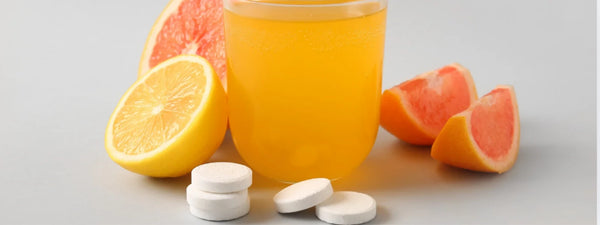
Ever looked at someone and thought, "What are they doing to their skin?" More often than not, the answer isn't a 12-step skincare routine. It's their plate. The most talked-about glow is not something you can swipe on. It is something you eat, absorb, and build over time. Welcome to the world of face glow food, where your kitchen is your most powerful beauty counter.
Let's break it all down, bite by bite.
Why Your Skin Literally Is What You Eat
Your skin is the largest organ in your body, and it is also the last one to receive nutrients. After your liver, kidneys, and heart have taken their share, whatever is left goes to your skin. That means if your diet is barely adequate, your skin is running on fumes.
The science is clear: skin cells turn over every 28 to 40 days. Every new cell that forms are built from the raw materials you feed your body. Think of it as construction. No good bricks, no good building.
The Best Food for Skin Glow

1. Fatty Fish: The OG Skin Superfood
Salmon, mackerel, sardines, these are some of the best food for face glow that exist. They are loaded with omega-3 fatty acids, which strengthen your skin barrier, reduce inflammation, and keep moisture locked in. A compromised skin barrier = dull, dry, reactive skin. Omega-3s fix exactly that.
Bonus: fatty fish is also rich in selenium and astaxanthin — a carotenoid so powerful that it is used in premium glow collagen supplements.
Aim for 2 to 3 servings of fatty fish per week. Canned salmon counts.
2. Sweet Potatoes and Carrots: Beta-Carotene Machines
If there is one category of food for glowing skin that dermatologists and nutritionists agree on universally, it is beta-carotene-rich foods. Your body converts beta-carotene into Vitamin A, which regulates skin cell turnover, reduces sebum production, and literally tints your skin with a healthy golden glow.
Sweet potatoes, carrots, butternut squash, mangoes, these are your glow foods in the most literal sense.

3. Tomatoes: Sun Protection You Can Eat
Tomatoes are rich in lycopene, an antioxidant that actively protects your skin from UV damage at a cellular level. Cooked tomatoes release even more lycopene than raw ones, so that tomato soup and pasta sauce are working harder than you think.
Lycopene also helps neutralize free radicals that break down collagen. Speaking of which...
4. Vitamin C Foods: The Collagen Connection
Your body cannot produce collagen without Vitamin C. Full stop. It acts as a co-factor in collagen synthesis. The best food for skin glow in this category includes bell peppers (especially red and yellow), amla (Indian gooseberry), guava, kiwi, and citrus fruits.
Amla deserves a special callout. It has 20 times more Vitamin C than an orange and is one of the most potent natural food for glowing skin in Ayurvedic tradition, backed now by modern research.

5. Nuts and Seeds: The Zinc and Vitamin E Duo
Almonds, walnuts, sunflower seeds, and pumpkin seeds are loaded with Vitamin E (a fat-soluble antioxidant that protects skin cell membranes) and zinc (which controls oil production and speeds up skin healing).
Walnuts specifically contain both omega-3 fatty acids and zinc, a rare double win for healthy food for glowing skin.
6. Avocado: Healthy Fats That Hydrate From Within
Avocados are rich in oleic acid, the same fatty acid found in olive oil, which helps keep skin supple and moisturized. They also contain Vitamin E, Vitamin C, and folate. A handful of studies have linked regular avocado consumption with more elastic, firmer skin.
7. Green Tea: Sip Your Way to Better Skin
Green tea contains EGCG (epigallocatechin gallate), a catechin that reduces inflammation, helps with acne, and may actually reactivate dying skin cells. It also improves skin elasticity over time with consistent consumption.
Japanese studies found that women who drank green tea daily for 12 weeks had significantly less UV-induced redness and better skin hydration than those who didn't.
8. Dark Chocolate (Yes, Really)
Raw cacao and quality dark chocolate (85%+) contain flavanols that increase blood flow to the skin, improve hydration, and protect against UV stress. This is not a free pass to eat an entire bar, but a couple of squares of good dark chocolate is a legitimate food for clear and glowing skin.
Foods to Avoid for Glowing Skin

Knowing what to eat is half the equation. The other half is knowing what's quietly sabotaging your glow:
High-glycemic foods (white bread, sugary drinks, refined sugar): These spike insulin, which triggers oil production and inflammation, the recipe for breakouts and dull skin.
Excess dairy: For many people, dairy (especially skim milk) increases IGF-1, a hormone that stimulates oil glands and can worsen acne.
Alcohol: It is a diuretic that dehydrates the skin and depletes Vitamin A and zinc. Regular drinking visibly ages skin faster.
Processed vegetable oils: Excess omega-6 (found in canola, soybean, sunflower oil) tips your body toward inflammation, which shows on your skin.
The Supplement Stack Worth Knowing
If your diet has gaps, the right supplements can genuinely support your skin goals.
Glutathione tablets are one of the most researched supplements for skin brightness and evenness. Glutathione is the body's master antioxidant. It inhibits melanin production and reduces oxidative stress in skin cells. Oral glutathione tablets have shown measurable brightening effects in peer-reviewed studies.
NAC supplement (N-Acetyl Cysteine) is the precursor to glutathione. If you want to boost your body's own glutathione production, NAC supplement is often more bioavailable and cost-effective than direct glutathione. It also has powerful anti-inflammatory effects.
Marine collagen, vegan collagen and glow collagen supplements (specifically hydrolyzed collagen peptides from marine sources or skin loving vegan ingredients) have some of the strongest evidence behind them. Marine collagen has a smaller molecular weight than bovine collagen, making it easier for the gut to absorb and deliver to the skin.
5 Key Takeaways
-
Skin glow is built from the inside out. Every 28 to 40 days, your skin creates new cells from whatever you have been eating. Feed it well, and the results show on your face.
-
Beta-carotene and omega-3s are your two biggest dietary investments for visibly radiant skin. Sweet potatoes, carrots, salmon, and walnuts should be weekly staples.
-
Vitamin C is non-negotiable both for collagen synthesis and for maximizing the benefit of any collagen supplement you take.
-
Avoid the glow-killers. Sugar, alcohol, and processed oils do more damage to your complexion than most people realize. Cutting back is often the fastest visible change you can make.
-
Supplements like glutathione tablets, NAC, and marine collagen can fill dietary gaps and accelerate results, but they work best when layered onto a solid food foundation, not as a substitute for it.
FAQs
Q1. How long does it take for diet changes to show on the skin?
Typically 4 to 6 weeks, since that is roughly one full skin cell turnover cycle. Consistent changes for 3 months show the most noticeable results.
Q2. Is drinking water enough to make skin glow?
Hydration helps prevent dullness, but water alone won't create glow. You need healthy fats, antioxidants, and collagen-building nutrients alongside adequate hydration.
Q3. What is the single best food for skin glow?
If forced to pick one, salmon wins, it delivers omega-3s, astaxanthin, protein (for collagen building), and selenium in a single serving.
Q4. Are glutathione tablets safe for daily use?
Yes, for most healthy adults. Always choose a reputable brand with transparent dosing and consult your doctor if you have any existing conditions.
Q5. Can marine collagen actually improve skin?
Multiple randomized controlled trials show that hydrolyzed marine collagen taken daily for 8 to 12 weeks significantly improves skin elasticity, hydration, and the appearance of fine lines.
Q6. What foods are worst for skin glow?
High-sugar foods, white refined carbohydrates, alcohol, and excess processed dairy are the top offenders for dull, breakout-prone, and prematurely aging skin.
Q7. Does coffee affect skin glow?
Moderate coffee (1 to 2 cups daily) is fine and even has some antioxidant benefit. Excess coffee can dehydrate skin and disrupt cortisol levels, which negatively affects complexion.
Q8. Is the NAC supplement better than glutathione tablets?
They work differently. NAC boosts your body's internal glutathione production, while glutathione tablets deliver it directly. Many people combine both for enhanced effect.
Q9. Can vegetarians get enough skin-glow nutrients without fish?
Absolutely. Focus on flaxseeds (omega-3 ALA), walnuts, amla, bell peppers, pumpkin seeds, sweet potatoes, and consider a plant-based marine collagen or algae-based omega-3 supplement.
Q10. How much Vitamin C do I need daily for skin benefits?
The RDA is 65 to 90 mg, but for skin health and collagen synthesis, most dermatologists and studies suggest 500 to 1000 mg daily, easily achieved through food or a supplement.

Recommended Products
 Beauty Korean Marine Collagen Peptides Mango Peach Flavour
₹1,939 – ₹7,196
Beauty Korean Marine Collagen Peptides Mango Peach Flavour
₹1,939 – ₹7,196
 Glow Korean Marine Collagen Peptides with Liposomal Glutathione & Vitamin C | Valencia Orange Flavour | 250g
₹1,939 – ₹7,196
Glow Korean Marine Collagen Peptides with Liposomal Glutathione & Vitamin C | Valencia Orange Flavour | 250g
₹1,939 – ₹7,196
 Glow Korean Marine Collagen Peptides with Liposomal Glutathione & Vitamin C | Tropical Bliss Flavour | 250g
₹1,939 – ₹7,196
Glow Korean Marine Collagen Peptides with Liposomal Glutathione & Vitamin C | Tropical Bliss Flavour | 250g
₹1,939 – ₹7,196
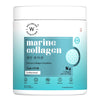 Pure Korean Marine Collagen Peptides | Unflavored | Combat Signs of Ageing
₹1,745 – ₹6,476
Pure Korean Marine Collagen Peptides | Unflavored | Combat Signs of Ageing
₹1,745 – ₹6,476
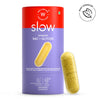 Slow Advanced N-Acetyl-Cysteine + Glycine Capsules
₹1,357 – ₹2,658
Slow Advanced N-Acetyl-Cysteine + Glycine Capsules
₹1,357 – ₹2,658