Here's a number that might surprise you: nearly 2 in 5 adults worldwide have high cholesterol, and most of them have absolutely no idea. There's no pain, no obvious symptom, no warning light that flicks on. Cholesterol just quietly does its thing in the background, and by the time many people find out, it has already been building up for years.
If you've recently been told your cholesterol is high, or you're simply trying to be more proactive about your heart health, you're in the right place. Because the good news, and there really is good news, is that what you drink every day can make a meaningful difference. Not in a "drink this miracle juice and you're cured" way. But in a real, consistent, science-backed way that adds up over time.
Before we dive in, let's talk about what cholesterol actually is, because it gets a bad reputation it only partly deserves.
"Cholesterol isn't the enemy. It's more like a neighbour that's lovely in small doses, but becomes a problem when there's just too much of them around."
Your body actually needs cholesterol to function. It builds cell walls, helps produce hormones, and assists with digestion. The issue is specifically with LDL cholesterol, the kind that sticks to your artery walls and slowly narrows them over time. Think of it like plaque building up in a pipe. Meanwhile, HDL cholesterol is your body's cleanup crew. It picks up the excess and carries it back to the liver.
People with high LDL are more than twice as likely to develop heart disease compared to those with healthy levels. Which is exactly why managing it matters, and why your daily drinks are a surprisingly powerful place to start.
Everyday Drinks To Lower Cholesterol
Green tea

If there's one drink that deserves its reputation as a heart-healthy drink for cholesterol, it's green tea. It's been a staple in Asian cultures for centuries, and it turns out they were really onto something.
Green tea is loaded with antioxidants called catechins that essentially slow down how much cholesterol your gut absorbs in the first place. Less cholesterol absorbed means less circulating in your blood.
2-4 cups a day is the sweet spot. Drink it plain, drink it iced, drink it at your desk at 3 pm when you need a moment of calm. It counts. As a best morning drink to lower cholesterol, a warm cup before breakfast is about as simple and effective as it gets.
Oat milk

Oat milk had its moment in coffee shops, and it's not going anywhere, partly because it tastes great, and partly because it genuinely earns its place among cholesterol-lowering drinks.
Oats contain a type of soluble fibre called beta-glucan that acts like a sponge in your digestive tract, binding to bile acids, which are made from cholesterol, and dragging them out of your body before they can be reabsorbed. Your liver then has to pull more cholesterol from your blood to make new bile acids, meaning your LDL levels drop.
Simply swapping your regular milk for oat milk in your morning coffee or cereal is one of the easiest drinks to reduce cholesterol changes you can make.
Tomato juice

Bear with us on this one, because tomato juice doesn't exactly scream "trendy wellness drink," but the research is genuinely impressive. Tomatoes are rich in lycopene, a bright red antioxidant that's actually better absorbed when tomatoes are processed than when eaten raw. Lycopene protects LDL particles from oxidising, and it's that oxidised LDL that causes the most damage to your arteries.
The catch is that you want low-sodium, no-added-sugar versions. Most supermarket tomato juices are loaded with salt, which works against your heart health goals. A small glass a day makes this one of the more underrated natural drinks to lower cholesterol.
Quick tip: Whatever drink you choose, always check the label for added sugar and sodium. Both can quietly undo a lot of the cardiovascular good these drinks can do. The simpler the ingredient list, the better.
Berry smoothies

Blueberries, strawberries, pomegranate. Blend any of these and you're doing your heart a genuine favour. Berries are packed with polyphenols and anthocyanins that reduce inflammation in your arteries, protect LDL from oxidising, and improve how well your HDL functions.
The best part is that a berry smoothie doesn't feel like a health chore. It feels like a treat. Blend frozen berries with oat milk for a double win and skip the added sugar. This is one of the tastiest drinks that lower LDL cholesterol you'll find.
Filtered black coffee

Before you close this tab, yes, coffee can actually be good for cholesterol. The key word is filtered. Unfiltered coffee like French press or boiled coffee contains compounds called cafestol and kahweol that actively raise LDL. But when you run coffee through a paper filter, those compounds get trapped. What's left is rich in antioxidants that support cardiovascular health.
1-3 cups a day is where the benefit sits. Skip the cream and sugar, and your morning brew becomes one of the more pleasantly surprising heart-healthy drinks for cholesterol on this list.
Beyond The Glass: Lifestyle Habits And Smart Supplements
Drinks are a great entry point, but they work best when they're part of a bigger picture.
Move more, even gently. Regular walking raises HDL and improves your overall cholesterol ratio. Thirty minutes most days is enough to make a difference.
Eat more fibre, less saturated fat. Soluble fibre from oats, lentils, beans, and fruits binds to cholesterol and escorts it out. Reducing red meat, full-fat dairy, and processed foods lowers the amount of LDL your body produces in the first place.
Manage stress. Chronic stress raises cortisol, which can push cholesterol levels up. Sleep, breathing, movement, and rest all matter more than most people realise.
And if you want a supplement that directly targets cholesterol at the source, there's one worth knowing about:
Wellbeing Nutrition Slow Cholesterol Control is India's first supplement to combine two clinically proven, patented plant sterol complexes, CoroWise™ and Vegapure®. It works by controlling the absorption of dietary cholesterol in your gut and preventing the build-up of bad LDL cholesterol in your bloodstream. Think of it as a daily foundation, especially useful if dietary changes alone are not moving your numbers as much as you'd like.
How To Actually Make This Stick
The single biggest mistake people make is going all in for two weeks and burning out. Cholesterol responds to consistency, not intensity. One green tea a day, oat milk in your morning coffee, a berry smoothie three times a week. These small, everyday choices are what move your numbers over months.
You don't need to overhaul your entire life. You just need to make slightly better choices at the moments that already exist in your day. Morning cup of something warm? Green tea or filtered coffee. Breakfast? Oat milk instead of regular. Mid-morning snack? A handful of blueberries or a small smoothie. That's already a meaningful shift.
And on the days when life gets chaotic and you have none of those things, don't stress. Cortisol is bad for cholesterol too.
Note: These drinks and lifestyle habits are genuinely effective, but they work best alongside, not instead of, medical advice. If your doctor has recommended medication, keep that conversation going.
FAQs
1. What is the best breakfast to lower cholesterol naturally?
A bowl of oats topped with berries and walnuts, paired with green tea. Oats provide beta-glucan that binds to LDL, berries add protective antioxidants, and walnuts bring heart-healthy fats. It's simple, filling, and one of the most effective cholesterol-friendly breakfasts you can build.
2. What Indian breakfast foods are good for high cholesterol?
Oats upma, moong dal chilla, poha with vegetables, methi paratha (light on ghee), and idli with sambar are all excellent choices. Methi and besan are particularly effective because both are high in soluble fibre. Avoid deep-fried items and maida-based breads. Swap your regular chai for green tea to make the meal even more heart-friendly.
3. What foods should I eat every day to manage high cholesterol?
Daily staples for cholesterol management include oats, lentils, apples, walnuts, almonds, flaxseeds, leafy greens, and fatty fish like sardines or salmon. These foods provide soluble fibre, healthy fats, and antioxidants that consistently lower LDL over time. Limit red meat, full-fat dairy, and processed snacks.
4. Is oatmeal actually good for cholesterol or is that overhyped?
It is not overhyped. The FDA has formally approved a health claim for oat beta-glucan and heart disease risk. Studies show that 3 grams of beta-glucan daily, which is about 1.5 cups of cooked oats, can reduce LDL by 5 to 10 percent. Just keep your toppings clean with berries and flaxseed instead of sugar and cream.
5. What should a heart patient eat for breakfast?
Focus on high fibre, low saturated fat, and no added sugar. Good options include rolled oats with walnuts and blueberries, moong dal chilla, whole grain toast with avocado, or a berry and oat milk smoothie. Avoid white bread, fried foods, packaged cereals, and full-fat dairy. Choose green tea or filtered black coffee instead of sweetened drinks.
6. Can breakfast choices help reduce triglycerides too?
Yes, and breakfast is often the most important meal for triglyceride management. Refined carbohydrates and added sugars can spike triglycerides quickly. Swap white bread, fruit juice, and sweetened cereal for oats, whole grains, flaxseeds, and whole fruit. Even switching from sugary breakfast drinks to green tea can make a measurable difference within a few weeks.
7. What is a quick, realistic breakfast for someone managing high cholesterol?
Here are three simple options:
-
Overnight oats with oat milk and berries. Prepare it the night before and grab it in the morning.
-
Whole grain toast with almond butter. Two minutes and done.
-
Frozen berry and oat milk smoothie with a tablespoon of flaxseed.
Any of these paired with a cup of green tea creates a complete, cholesterol-conscious breakfast with minimal effort.
8. Can I lose weight and lower cholesterol at the same time through breakfast?
Yes, and the goals often reinforce each other. High-fibre breakfasts help you stay fuller for longer, which reduces mid-morning snacking. Losing even 5 to 10 percent of body weight can meaningfully reduce LDL on its own. Focus on volume and fibre, keep sugar low, and the same breakfast that supports cholesterol control will also support healthy weight management.
9. Are eggs okay to eat if I have high cholesterol?
For most healthy people, one egg per day does not significantly raise LDL. Dietary cholesterol has far less impact on blood cholesterol than saturated fat. A boiled or poached egg alongside an oat-based breakfast is a reasonable choice. If you have existing heart disease or diabetes, consult your doctor. Either way, what you eat with the egg matters far more than the egg itself.

Recommended Products
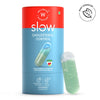 Cholesterol Control Slow
₹1,357 – ₹2,658
Cholesterol Control Slow
₹1,357 – ₹2,658
 Liposomal Berberine HCL+
₹1,745 – ₹3,418
Liposomal Berberine HCL+
₹1,745 – ₹3,418