Glutathione has quietly moved from being a “doctor’s antioxidant” to a buzzword in beauty, skin health, and longevity circles. From brighter skin to better detoxification, everyone seems to want it, but very few know how to choose glutathione supplement options that actually work.
And here’s the truth: not all glutathione supplements are the same. In fact, the form, dosage, cofactors, and absorption technology determine whether glutathione works inside your cells or simply passes through your body unused.
This guide breaks down the science, busts common myths, and helps you make an informed, evidence-based choice, without the marketing noise.
What Is Glutathione?
Glutathione is often called the “master antioxidant” and for good reason. It’s a tripeptide made of three amino acids: glutamine, cysteine, and glycine, that exists naturally in every cell of your body.
Its roles include:
1. Neutralizing Free Radicals at the Cellular Level
Glutathione directly binds to reactive oxygen species (ROS), neutralizing them before they damage cell membranes, proteins, and DNA. Unlike single-use antioxidants, glutathione works inside the cell, where oxidative stress originates, making it one of the body’s most critical intracellular defense systems (NIH).
2. Supporting Liver Detox Pathways
In the liver, glutathione acts as a key conjugating agent in Phase II detoxification, binding to toxins, heavy metals, and metabolic waste to make them water-soluble for safe elimination. This process protects liver cells while preventing toxin recirculation in the bloodstream (NIH).
3. Regenerating Other Antioxidants Like Vitamin C and E
Glutathione plays a central role in the antioxidant recycling network by restoring oxidized Vitamin C and Vitamin E back to their active forms. This regenerative function amplifies overall antioxidant capacity, allowing the body to maintain redox balance even under high oxidative stress (NIH).
4. Regulating Melanin Production in the Skin
At a cellular level, glutathione inhibits tyrosinase activity and shifts melanogenesis from eumelanin (darker pigment) toward pheomelanin (lighter pigment). Simultaneously, it reduces oxidative stress in melanocytes, one of the key triggers for uneven pigmentation and dark spots (NIH).
5. Supporting Immune and Mitochondrial Health
Glutathione maintains optimal redox status within immune cells, enabling efficient T-cell activation and pathogen response. In mitochondria, it protects the electron transport chain from oxidative damage, supporting efficient energy production and cellular longevity (NIH).
Unfortunately, stress, pollution, UV exposure, poor sleep, aging, and nutrient deficiencies can significantly reduce natural glutathione levels, sometimes faster than your body can replenish them.
This is where supplementation becomes relevant, but only if done right.
Mistake People Make When Choosing Glutathione

The most common error? Assuming all glutathione tablets work the same.
In reality, standard glutathione is:
-
Highly unstable in the digestive tract, where enzymatic activity rapidly degrades glutathione before it can reach circulation.
-
Easily broken down by stomach acid, preventing intact glutathione from being absorbed into the bloodstream.
-
Poorly absorbed when taken alone, as the body struggles to transport free glutathione across the intestinal barrier without delivery support or cofactors.
This is why many people take glutathione for months with little to no visible results. To truly understand how to choose glutathione supplement, you need to look beyond the label and into the science.
Which Form of Glutathione Works?
Not all glutathione works the same once it enters the body. Its effectiveness depends on how well it survives digestion, gets absorbed, and reaches the cells where it’s needed, making the form just as important as the dose.
1. Regular L-Glutathione (Reduced Form)
This is the most commonly available form found in basic glutathione tablets, representing glutathione in its naturally active antioxidant state. It mirrors the form produced within the body and is often chosen for general wellness and foundational antioxidant support.
However, regular L-glutathione is inherently sensitive to digestive conditions, which can limit how much actually reaches circulation. Without absorption-enhancing strategies or supportive nutrients, its benefits may be inconsistent, making formulation quality just as important as the ingredient itself (NIH).
2. Liposomal Glutathione (Gold Standard for Absorption)
Liposomal glutathione is designed to protect the fragile glutathione molecule by encasing it within phospholipid layers similar to cell membranes. This structure helps shield glutathione from digestive breakdown, allowing it to travel more efficiently through the gut and into the bloodstream.
Once absorbed, liposomal delivery improves cellular uptake, enabling glutathione to reach tissues where oxidative stress and detox demands are highest. For individuals seeking visible skin benefits or long-term antioxidant support, this format offers a more reliable and bioavailable approach (NIH).
3. Glutathione with Synergistic Cofactors
Glutathione does not function in isolation; its effectiveness depends on a network of nutrients that stabilize, regenerate, and sustain its activity within cells. Well-formulated supplements often include cofactors that support glutathione’s lifecycle rather than simply supplying the molecule alone (NIH).
-
Alpha Lipoic Acid (ALA): Helps regenerate glutathione
-
Zinc: Supports antioxidant enzymes
-
Vitamin C: Prevents glutathione oxidation
-
L-Cystine: Boosts endogenous glutathione synthesis
This synergistic approach aligns with how glutathione naturally works in the body, making it a smarter, more sustainable way to support skin health, detoxification, and antioxidant defense.
Dosage Matters More Than You Think
When it comes to glutathione, effectiveness lies in precision, not excess. Too little may deliver negligible results, while unnecessarily high doses offer no added benefit and may disrupt the body’s natural balance.
Clinically effective ranges (NIH):
-
250–500 mg/day: Maintenance and antioxidant support
-
500–600 mg/day: Skin pigmentation, oxidative stress, immune support
Splitting the dose or opting for sustained release or liposomal formats can further enhance absorption and cellular availability. As with any potent antioxidant, mega-dosing without professional guidance is best avoided, particularly for individuals with liver, metabolic, or chronic health conditions.
Are Glutathione Tablets Safe?
When used appropriately, glutathione has a strong safety profile. Clinical trials report minimal side effects, even with higher doses.
However:
-
Choose pharmaceutical-grade or clinically studied raw materials
-
Avoid products with artificial dyes or unnecessary fillers
-
Look for transparency in sourcing and dosage
If you’re pregnant, breastfeeding, or on long-term medication, consult a healthcare professional before supplementation.
How to Read a Glutathione Label
Before buying, ask these questions:
✔ Is the form mentioned clearly (liposomal / reduced / stabilized)?
✔ Are cofactors included or recommended alongside?
✔ Is the dosage aligned with clinical studies?
✔ Is the brand transparent about sourcing and quality testing?
If the label sounds vague, the results usually are too.
Practical Tips to Maximize Results
Getting the most out of your glutathione supplement isn’t just about the dose, it’s about how you support your body to absorb and use it effectively. Simple daily habits can dramatically enhance its impact.
-
Take glutathione on an empty stomach or as directed, allowing better absorption without competition from other nutrients.
-
Support supplementation with sulfur-rich foods like broccoli, garlic, and onions, which provide the building blocks needed for natural glutathione synthesis.
-
Limit alcohol intake and avoid smoking, as both rapidly deplete glutathione reserves and increase oxidative stress.
-
Stay consistent with daily use, as visible skin and cellular benefits typically emerge over 6–12 weeks rather than overnight.
Consistency and smart lifestyle choices amplify results, helping your body unlock glutathione’s full antioxidant and skin-brightening potential. Real benefits are gradual because true glow starts at the cellular level.
Final Takeaway
Choosing the right glutathione supplement isn’t about trends, it’s about delivery, dosage, and design.
The most effective formulations:
-
Protect glutathione from digestive breakdown to ensure it reaches the bloodstream intact
-
Enhance cellular absorption so the antioxidant can work where it’s needed most
-
Include synergistic cofactors that support glutathione recycling and stability
-
Are backed by scientific evidence demonstrating real, measurable benefits
When selected thoughtfully, glutathione doesn’t just improve skin clarity, it reinforces your body’s fundamental antioxidant defenses, supporting health from the inside out.
FAQs
1. What is glutathione and why is it important?
Glutathione is a master antioxidant naturally produced in the body that neutralizes free radicals, supports detoxification, and maintains cellular health. It plays a key role in skin clarity, immune function, and overall antioxidant defense.
2. How do I choose a glutathione supplement that actually works?
Choosing the right glutathione supplement involves evaluating its form, absorption method, dosage, and inclusion of synergistic cofactors. Look for liposomal or stabilized formulations for better cellular delivery and effectiveness.
3. Are all glutathione tablets the same?
No, not all glutathione tablets are equally effective. Standard tablets can be unstable in the digestive tract and poorly absorbed, while advanced formulations like liposomal glutathione or those with cofactors ensure higher bioavailability.
4. What are the benefits of glutathione for skin?
Glutathione can reduce melanin production, lighten dark spots, and improve overall skin radiance by protecting melanocytes from oxidative stress and promoting a shift toward lighter pigment formation.
5. How much glutathione should I take daily?
Effective daily doses generally range from 250–500 mg for maintenance and antioxidant support, and 500–600 mg for skin, oxidative stress, or immune support. Splitting the dose or choosing sustained-release or liposomal formats enhances absorption.
6. Can I take glutathione safely?
Yes, glutathione is generally safe when used appropriately, with minimal reported side effects. Choose pharmaceutical-grade supplements, avoid unnecessary fillers, and consult a healthcare professional if pregnant, breastfeeding, or on long-term medication.
7. How can I maximize the results of glutathione supplementation?
Take glutathione on an empty stomach, pair it with sulfur-rich foods, limit alcohol and smoking, and maintain consistency. Visible benefits for skin and overall antioxidant support typically appear after 6–12 weeks of regular use.

Recommended Products
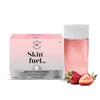 Glutathione Skin Fuel Pro+ Strawberry Flavour
₹1,044 – ₹5,803
Glutathione Skin Fuel Pro+ Strawberry Flavour
₹1,044 – ₹5,803
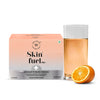 Glutathione Skin Fuel Pro+ Valencia Orange Flavour
₹879 – ₹5,275
Glutathione Skin Fuel Pro+ Valencia Orange Flavour
₹879 – ₹5,275