What if your metabolism had a master switch? Something that could influence fat storage, blood sugar, energy, and even cravings all at once. That’s exactly where what is berberine starts to get fascinating.
Because this plant compound doesn’t just “support” health. It interacts with the very systems that regulate it. And that’s why many are now asking:
Is berberine like ozempic, or is that comparison going too far? Let’s unpack it with clarity, evidence, and a little metabolic honesty.
What Is Berberine?
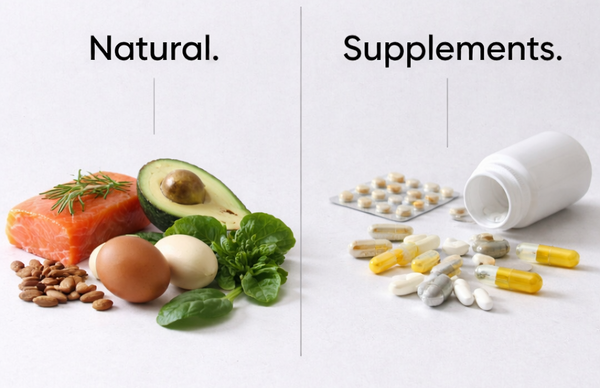
Berberine is a bioactive plant compound extracted from berberine natural sources like barberry, goldenseal, and tree turmeric. However, here’s the catch: the amount found in food or herbs is relatively low. Most clinical benefits seen in studies come from standardized supplements, not dietary intake (NIH).
Unlike most supplements that simply “support” health, berberine acts more like a metabolic regulator. It interacts with enzymes, gut microbiota, and cellular energy pathways.
Think of it less like a vitamin and more like a molecular switch that influences how your body handles glucose, fat, and energy. Let’s move beyond the hype and into the evidence.
1. Supports Blood Sugar Regulation
Berberine has been shown to reduce fasting blood glucose and improve insulin sensitivity. Some studies even suggest effects comparable to certain oral diabetes medications (NIH).
2. Aids in Fat Metabolism
When it comes to berberine for fat loss, the mechanism is subtle but meaningful.
By activating AMPK, berberine helps (NIH):
-
Reduces fat storage by limiting the body’s tendency to convert excess energy into fat
-
Improves fat breakdown by supporting pathways that help the body use stored fat for energy
-
Enhances metabolic efficiency by optimizing how the body processes and utilizes nutrients
This is not rapid fat loss, but gradual metabolic recalibration.
3. Improves Gut Health
Berberine interacts with gut bacteria, helping rebalance the microbiome. Since gut health influences metabolism, cravings, and inflammation, this plays a surprisingly large role in its benefits (NIH).
4. Supports Cardiovascular Health
Some research links berberine to improved cholesterol profiles, including reductions in LDL and triglycerides (NIH).
Why Is Berberine Being Called a “Natural Ozempic”?
The phrase natural ozempic or even “nature ozempic” didn’t appear out of nowhere. It comes from a real, science-backed overlap in outcomes, not mechanisms.
Ozempic (semaglutide) works by mimicking GLP-1, a hormone that:
-
Reduces appetite by signaling fullness to the brain, helping you eat less without constant hunger
-
Slows gastric emptying so food stays longer in the stomach, keeping you satisfied for longer periods
-
Improves insulin response by enhancing the body’s ability to regulate blood sugar efficiently
This leads to significant weight loss and better blood sugar control. Now, is berberine like ozempic? Not exactly.
But here’s where the comparison begins:
Shared Effects
At first glance, the comparison isn’t completely unfounded. Despite coming from very different worlds, both influence some of the same metabolic outcomes.
Both can:
-
Improve insulin sensitivity, helping cells respond better to glucose
-
Lower blood sugar levels by enhancing glucose regulation
-
Support berberine weight loss outcomes through metabolic improvements
-
Influence gut health and overall metabolic signaling
This functional overlap is exactly why the berberine vs ozempic conversation has gained so much traction.
Key Difference
Here’s where the similarity ends and the biology takes a different turn.
Berberine does not mimic GLP-1. It doesn’t act like Ozempic at the hormone level.
Instead, it activates AMPK, a central energy-regulating enzyme often described as the body’s metabolic master switch. This pathway influences how your body produces energy, stores fat, and utilizes glucose at a cellular level (NIH).
So while Ozempic delivers a strong, targeted hormonal signal that directly impacts appetite and insulin, berberine works more quietly in the background, gradually recalibrating metabolic function over time.
Different mechanisms. Different intensity. Same conversation, but not the same tool.
Berberine vs Ozempic: A Realistic Comparison
Let’s put the two side by side with a clear lens:
|
Factor |
Berberine |
Ozempic |
|
Core Mechanism |
Activates AMPK, the body’s metabolic master switch |
Mimics GLP-1, a hormone that regulates appetite and insulin |
|
Appetite Control |
Indirect, through metabolic balance |
Directly reduces appetite by signaling fullness to the brain |
|
Gastric Emptying |
No direct effect |
Slows gastric emptying to prolong satiety |
|
Blood Sugar Control |
Improves insulin sensitivity and glucose metabolism |
Enhances insulin response and lowers blood sugar efficiently |
|
Weight Loss Impact |
Supports berberine weight loss gradually via metabolic improvements |
Leads to significant and faster weight loss |
|
Gut Health |
Positively influences gut microbiome and metabolic signaling |
Limited direct effect on gut microbiome |
|
Speed of Action |
Gradual, builds over time |
Faster, more immediate effects |
|
Overall Approach |
Works in the background to recalibrate metabolism |
Delivers a strong, targeted hormonal signal |
Calling berberine a natural ozempic is catchy, but scientifically incomplete. Berberine is a metabolic support compound, while Ozempic is a targeted hormonal therapy.
Is Berberine Safe? What You Need to Know
The question is berberine safe deserves a grounded answer.
Generally Safe When Used Correctly
Most studies show that berberine is well tolerated when taken in appropriate doses.
Possible Side Effects
-
Digestive discomfort
-
Constipation or diarrhea
-
Mild nausea
These effects are often dose-dependent and temporary.
Important Precautions
-
Avoid during pregnancy
-
Consult a doctor if you’re on blood sugar medication
-
Be cautious with long-term unsupervised use
Berberine is powerful. And like anything that affects metabolism, it should be used with intention, not assumption.
Berberine Dosage: How Much Is Effective?
When it comes to berberine dosage, research typically points to:
-
500 mg, 2–3 times daily
-
Taken before meals for optimal glucose control
Consistency matters more than megadosing. Berberine works like a steady rhythm, not a dramatic spike. Missing doses often means missing benefits.
How to Use Berberine for Best Results
-
A protein-rich, balanced diet
-
Fiber intake for gut support
-
Strength training or regular movement
-
Stable sleep patterns
Avoid Expecting:
-
Overnight fat loss
-
Appetite suppression like medications
-
Results without lifestyle alignment
Final Takeaway
Berberine sits at an interesting intersection of tradition and modern science. It is one of the few natural compounds with meaningful evidence behind it. But it is not a miracle.
If Ozempic is a spotlight, berberine is a dimmer switch slowly adjusting your metabolic environment. And sometimes, sustainable change comes not from intensity, but from consistency.
FAQs
1. Can berberine really help with weight loss?
Yes, berberine weight loss is real, but it’s gradual rather than dramatic. It works best for people with insulin resistance, blood sugar fluctuations, or metabolic slowdown, and should be combined with a healthy lifestyle for meaningful results.
2. What is berberine and how does it work?
If you’re wondering what is berberine, it’s a plant compound that activates AMPK, a key enzyme that regulates metabolism, helping the body manage blood sugar, fat storage, and energy more efficiently.
3. Is berberine like Ozempic?
The question is berberine like ozempic comes up often, but they work differently. Ozempic mimics GLP-1 to suppress appetite, while berberine improves metabolic function through AMPK activation.
4. Why is berberine called a natural Ozempic?
The term natural ozempic or nature ozempic comes from overlapping benefits like improved blood sugar control and weight support, but the mechanisms and strength of effects are very different.
5. What are the main berberine benefits?
Key berberine benefits include better blood sugar regulation, improved insulin sensitivity, support for fat metabolism, gut health balance, and cardiovascular support.
6. What is the recommended berberine dosage?
A typical berberine dosage is 500 mg taken 2–3 times daily before meals, as this helps optimize blood sugar control and metabolic effects.
7. Is berberine safe for daily use?
If you’re asking is berberine safe, it is generally well tolerated when used correctly, but it’s important to consult a healthcare professional if you have medical conditions or take medications.
8. What are the natural sources of berberine?
Common berberine natural sources include plants like barberry, goldenseal, and tree turmeric, although therapeutic effects usually require standardized supplements.

Recommended Products
 Liposomal Berberine HCL+
₹1,709 – ₹3,346
Liposomal Berberine HCL+
₹1,709 – ₹3,346