If you’ve ever scrolled through social media or walked into a café recently, chances are you’ve seen that vibrant green powder making its way into lattes, smoothies, and desserts. That’s matcha, the finely ground powder of specially grown green tea leaves. But beyond its aesthetic appeal and earthy flavor, a question many of us ask is: Is Matcha Healthy? The short answer: yes, and in ways you might not expect.
Unlike regular green tea, matcha involves consuming the whole leaf in powdered form rather than just steeping it. This means you get a concentrated dose of nutrients, antioxidants, and plant compounds, which gives it an edge over traditional teas. Let’s dive into the science-backed health benefits of matcha tea and why it’s worth adding to your daily routine.
1. Packed with Antioxidants
One of the most celebrated matcha health benefits is its antioxidant content. Matcha is rich in catechins, particularly epigallocatechin gallate (EGCG), which is known for its cancer-fighting properties. Antioxidants help combat free radicals in the body, reducing oxidative stress that can accelerate aging and damage cells. By sipping on matcha regularly, you’re giving your body a natural shield against environmental and lifestyle-related stressors.
2. Boosts Energy and Focus
If you need a gentle, sustained energy lift, matcha might be your new best friend. It contains caffeine, but unlike coffee, matcha releases energy slowly. That’s because it also contains L-theanine, an amino acid that promotes calm alertness and improves focus. Many people notice that a cup of matcha keeps them alert without the jitters or crash often associated with coffee. This combination of caffeine and L-theanine can enhance cognitive performance, making it ideal for work or study sessions.
3. Supports Weight Management
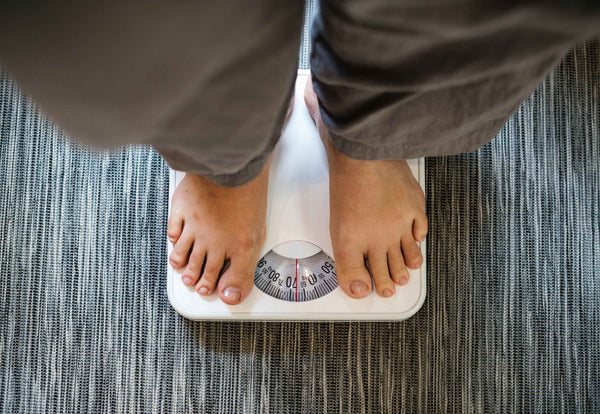
Research suggests that green tea compounds, especially catechins, can aid in fat metabolism. Drinking matcha can slightly increase the number of calories your body burns throughout the day. While it’s not a miracle weight-loss solution, incorporating matcha into a balanced diet can complement healthy weight management practices. The concentrated health benefits of matcha tea make it a better alternative to sugary beverages or energy drinks.
4. Detoxifies Naturally
Matcha is grown in the shade, which increases chlorophyll levels in the leaves. Chlorophyll is known for its natural detoxifying properties—it helps remove heavy metals and chemical toxins from the body. Drinking matcha can provide gentle detox support while keeping your energy levels steady. If you’re looking for a natural way to support liver function and overall detoxification, matcha can be a simple addition to your wellness routine.
5. Enhances Heart Health
Studies show that regular consumption of green tea, including matcha, may improve cardiovascular health. Matcha can help lower LDL cholesterol levels and reduce triglycerides, promoting a healthy heart. Additionally, its antioxidant compounds can protect arteries from oxidative stress, lowering the risk of heart disease over time. By sipping matcha daily, you’re not just enjoying a comforting beverage—you’re supporting your heart at the cellular level.
6. Strengthens Immunity
Matcha contains vitamins A and C, potassium, iron, and calcium, all of which support immune function. The EGCG in matcha also exhibits antiviral and antibacterial properties, helping your body fight off infections more effectively. For those of us constantly exposed to environmental pollutants or seasonal illnesses, matcha can act as a natural immunity booster.
7. Promotes Healthy Skin
Thanks to its antioxidant profile, matcha can contribute to healthier, more radiant skin. Oxidative stress accelerates aging and can lead to dullness, fine lines, and inflammation. The catechins in matcha help protect skin cells from damage while promoting elasticity and hydration. Some people even use matcha topically in face masks to leverage its anti-inflammatory benefits directly on the skin.
8. Supports Mental Health
Drinking matcha isn’t just good for your body—it’s good for your mind too. The combination of L-theanine and caffeine can enhance mood, reduce stress, and improve attention span. Many regular matcha drinkers report feeling calmer yet more focused, making it a preferred beverage for mindfulness practices, meditation, or simply starting the day with clarity.
9. Aids in Blood Sugar Regulation
Some studies indicate that matcha may help regulate blood sugar levels, reducing spikes after meals. The polyphenols in matcha influence carbohydrate metabolism and improve insulin sensitivity. While it’s not a replacement for prescribed medications for diabetes or insulin resistance, including matcha in your diet can be a helpful, natural adjunct.
10. A Versatile and Delicious Superfood
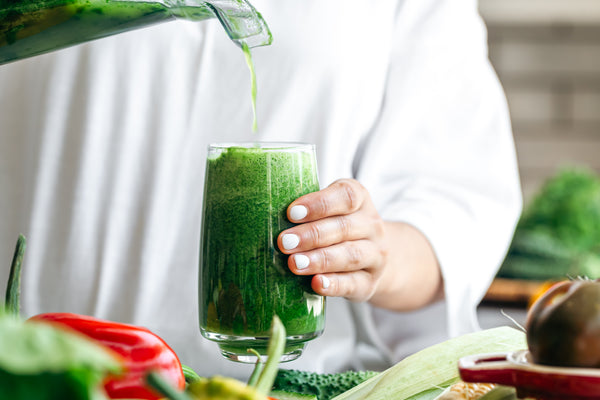
Finally, one of the underrated matcha health benefits is its versatility. Beyond traditional tea, matcha can be blended into smoothies, oatmeal, lattes, and even baked goods. By incorporating it into various recipes, you can enjoy its benefits in ways that suit your taste preferences and lifestyle. Plus, making a ritual of preparing matcha can itself be a calming, mindful practice.
How to Incorporate Matcha into Your Daily Routine
If you’re wondering how to start, begin with a small serving of high-quality matcha. Traditional preparation involves whisking 1–2 teaspoons of matcha powder with hot (not boiling) water.
For a creamier experience, try matcha lattes with plant-based milk. You can also add matcha to smoothies, yogurt bowls, or even protein shakes. The key is consistency—enjoying it regularly allows you to experience the full spectrum of health benefits of matcha tea.
Final Thoughts: Is Matcha Healthy?
The answer is a resounding yes. From antioxidants and heart health to mental clarity and skin radiance, the matcha health benefits are scientifically supported and wide-ranging. While it’s not a cure-all, integrating matcha into a balanced diet and healthy lifestyle can amplify wellness in multiple ways.
If you’re looking for a simple, natural, and delicious way to support your energy, focus, and overall vitality, a cup of matcha is a small but powerful step. And beyond the science, it’s a daily ritual that can bring a moment of calm, clarity, and connection to your well-being.
So next time you sip on that vibrant green latte, remember: you’re not just enjoying a trendy drink—you’re nourishing your body at a cellular level and reaping the many health benefits of matcha tea.
FAQs
1. Is matcha healthier than regular green tea?
Yes. Unlike regular green tea, matcha uses the whole leaf in powdered form, providing higher concentrations of antioxidants, amino acids, and nutrients.
2. How many cups of matcha should I drink daily for health benefits?
Most studies suggest 1–2 cups of matcha per day to enjoy matcha health benefits without consuming excessive caffeine.
3. Can matcha help with weight loss?
Yes. Matcha contains catechins that may support fat metabolism and aid in weight management when combined with a balanced diet and exercise.
4. Does matcha improve mental focus and energy?
Absolutely. Matcha contains caffeine and L-theanine, which together promote calm alertness, enhanced focus, and sustained energy.
5. Can matcha boost immunity?
Yes. Matcha is rich in vitamins, minerals, and antioxidants, which help strengthen the immune system and protect against infections.
6. Are there any side effects of drinking matcha?
Matcha is generally safe for most people. Excessive consumption may cause mild caffeine-related effects like jitteriness or insomnia, so moderation is key.