Collagen is no longer just a buzzword; it’s a staple in conversations around beauty, skin health, and joint care. From celebrities to dermatologists, everyone is talking about how collagen can help improve skin texture, strengthen nails, support joint flexibility, and even promote healthy hair.
With the wellness industry shifting towards more ethical and plant-based choices, more individuals are now turning to vegan alternatives instead of traditional animal-derived collagen supplements. This rising demand has sparked a new trend: plant-based collagen production. But can collagen really be sourced from plants? Or is the term “plant-based collagen” simply a marketing myth?
Let’s take a closer look at what collagen really is, where it comes from, and whether plant-based solutions can actually deliver the same benefits.
What Is Collagen and Where Does It Come From?
Collagen is the most abundant structural protein in the human body, making up nearly one-third of the total protein content. It acts as a building block for skin, bones, muscles, tendons, ligaments, and connective tissues. Essentially, it’s what holds everything together and keeps the body functioning and looking youthful.
There are several types of collagens, but the most common are:
-
Type I and III: Most abundant in skin, tendons, bones.
-
Type II: Found predominantly in joint cartilage.
As we age, the body’s natural collagen production starts to decline typically from the mid-20s. This decline leads to common signs of aging, including wrinkles, sagging skin, joint discomfort, and brittle nails. (NIH)
Traditionally, collagen supplements are derived from animal sources such as bovine hides or marine fish scales. These provide hydrolyzed collagen peptides that the body can readily absorb and use to support natural collagen production.
However, those following vegan or plant-based lifestyles are looking for alternatives that don’t rely on animal products. This is where the concept of “plant-based collagen” comes into the picture, but some clarification is needed.
Plant-Based Collagen: Decoding the Myth
The most important fact to understand is this: plants do not contain collagen. Collagen is an animal protein, and no botanical source can provide it in its complete form.
So, what do plant-based collagen products actually offer?
Instead of delivering collagen itself, these formulations contain a variety of nutrients that support the body’s ability to produce collagen naturally. They work by supplying the amino acids and cofactors your body needs to stimulate fibroblasts cells that produce collagen in the skin and connective tissues.

A few key ingredients often found in plant-based collagen builders include:
-
Vitamin C: A vital cofactor that enables enzymes to link amino acids together, forming strong collagen fibers.
-
Biotin: Supports the health of hair, skin, and nails.
-
Silica and Zinc: Contribute to the structural integrity of connective tissues.
-
Hyaluronic Acid: Helps retain skin moisture and elasticity.
-
Antioxidants such as Astaxanthin and Resveratrol: Protect collagen from oxidative damage caused by environmental stressors.
These nutrients work synergistically to promote collagen synthesis from within, offering a gentle but effective approach to skin and joint health for those who prefer plant-derived options.
So, Is Plant-based Collagen Real?
The answer depends on how you define collagen. If you’re expecting to get direct collagen peptides from a plant-based source, then no plants don’t offer that. But if your goal is to support your body’s own ability to create collagen naturally, then yes plant-based collagen builders are both real and effective.
Here's a quick summary:
|
Statement You Might Have Heard |
Reality |
|
Plants contain collagen |
False |
|
Plant-based collagen equals real collagen |
Misleading |
|
Vegan formulas can help your body build collagen |
True |
|
They work just like animal or marine-based collagen |
Partially true, they support collagen production, not replace |
Plant-based collagen is a redefined vegan approach to internal skincare and joint health. It’s about giving your body the right ingredients to do what it already knows how to do make collagen on its own. (NIH)
For those following vegan lifestyles or simply looking to avoid animal-based products, formulations like Wellbeing Nutrition’s Vegan Collagen offer a smart, ethical alternative. These blends provide essential building blocks your body can use to support the structure and elasticity of your skin, joints, and hair.
Final Takeaway
Plant-based collagen may not deliver collagen in its direct form, but it does support your body to build its own. By incorporating nutrients like vitamin C, hyaluronic acid, and antioxidants, these formulas create the ideal internal environment for collagen synthesis.
If you’re looking for a vegan way to support healthy skin, hair, and joints without compromising ethics or performance, a vegan collagen supplement may be just what your wellness routine needs. Just remember consistency, a balanced diet, and healthy habits will always be your best skincare allies.

Recommended Products
 Vegan Pro Collagen Lemon Lime
₹1,745 – ₹3,418
Vegan Pro Collagen Lemon Lime
₹1,745 – ₹3,418
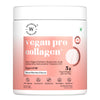 Vegan Pro Collagen Mixed Berries
₹1,745 – ₹3,418
Vegan Pro Collagen Mixed Berries
₹1,745 – ₹3,418