Known for supporting heart, brain, and joint health, omega-3s are crucial fats that your body can’t produce on its own. This means you need to get them through food or supplements.
If you’re wondering which omega 3 rich foods to add to your plate or searching for omega 3 rich vegetarian foods, this guide will help you. Plus, if you struggle to meet your needs through food alone, we’ll cover how Omega 3 Fish Oil and vegan omega supplements can help fill the gap.
Why Are Omega-3 Fatty Acids Important?
Omega-3 fatty acids are polyunsaturated fats essential for overall wellbeing. The three most important types are:
-
ALA (Alpha-linolenic acid): Found in plant-based foods like flaxseeds and walnuts.
-
EPA (Eicosapentaenoic acid) and DHA (Docosahexaenoic acid): Found mainly in fatty fish and algae.
These fatty acids play a vital role in maintaining cellular health, reducing inflammation, and protecting your organs from disease.
What Are the Health Benefits of Omega-3 Fatty Acids?
Omega-3s are one of the most researched nutrients for preventive health. Here’s why adding foods rich in omega 3 fatty acids or taking supplements is so important:
-
Heart Health: Omega-3s help lower triglycerides, support healthy cholesterol levels, and maintain blood pressure. This significantly reduces the risk of heart disease. [NIH]
-
Brain Function: DHA is crucial for brain cell membranes and supports cognitive functions like memory, focus, and learning. Omega-3s are also linked to reduced risk of dementia or cognitive decline. [NIH]
-
Joint & Bone Health: EPA and DHA help reduce joint stiffness, swelling, and inflammation, making them beneficial for those with arthritis. [NIH]
-
Eye Health: DHA is a structural component of your eyes, helping prevent age-related macular degeneration. [NIH]
-
Skin & Hair Health: Omega-3s nourish the skin barrier, reduce dryness, and support healthy, shiny hair. [NIH]
-
Pregnancy & Early Development: Omega-3s are essential during pregnancy and breastfeeding for fetal brain and eye development. [NIH]
Regular intake of omega-3s, whether through omega 3 rich foods vegan, animal-based foods, or supplements like Omega 3 Fish Oil, helps keep your body functioning optimally.
Top Omega 3 Rich Foods List & How to Add Them to Your Diet
1. Fatty Fish

Fatty fish are the richest natural source of EPA and DHA, two active forms of omega-3 fatty acids that your body uses most efficiently. These healthy fats help lower inflammation, reduce heart disease risk, and support brain function.
How to Add to Your Diet:
-
Grill or bake salmon or mackerel with herbs and olive oil for lunch or dinner.
-
Add sardines or tuna to whole-grain sandwiches, salads, or wraps.
-
Make Indian-style tandoori fish with salmon or mackerel for a flavorful dish.
-
Try stir-fried anchovies or smoked herring in small portions alongside rice or vegetables.
2. Flaxseeds

Flaxseeds are one of the most potent plant-based sources of ALA (alpha-linolenic acid), making them a staple omega 3 rich vegetarian food in India. They are also rich in fiber and lignans, promoting digestive and heart health.
How to Add to Your Diet:
-
Grind flaxseeds (whole seeds pass through undigested) and add to smoothies, oatmeal, or porridge.
-
Stir into atta while kneading dough for rotis or parathas.
-
Add to yogurt, soups, or homemade granola.
-
Use in baking—mix into muffins, bread, or energy bars.
3. Chia Seeds

Chia seeds pack a powerful punch of omega-3s, fiber, and antioxidants. Once soaked, they form a gel-like consistency that supports digestion and hydration. They are one of the easiest omega 3 rich foods- vegan options to use.
How to Add to Your Diet:
-
Make overnight chia pudding using almond milk, maple syrup, and fruits.
-
Stir into plant-based yogurt or nut milk smoothies.
-
Add to pancake batter, dosa batter, or even idli batter for a nutritious twist.
-
Sprinkle over salads or muesli bowls.
4. Walnuts

Walnuts are a powerhouse of ALA omega-3 fatty acids, antioxidants, and brain-protective polyphenols. They are also linked to improved heart and brain health.
How to Add to Your Diet:
-
Eat a handful of raw walnuts as a snack.
-
Crush and add to oatmeal, breakfast cereals, or smoothie bowls.
-
Make walnut chutney as a spread or side for Indian dishes.
-
Incorporate into baked goods like banana bread, brownies, or granola bars.
5. Hemp Seeds
 Hemp seeds provide an excellent balance of omega-3 and omega-6 fatty acids, along with plant-based protein and essential minerals like magnesium and zinc.
How to Add to Your Diet:
-
Sprinkle onto soups, pasta, or salads for a nutty flavor.
-
Blend into smoothies, protein shakes, or vegan lassis.
-
Mix into hummus, guacamole, or nut butters.
-
Stir into overnight oats or mix into your roti dough.
6. Algal Oil

Algal oil is the only plant-based source of both DHA and EPA, making it a go-to omega-3 option for vegans. It’s sustainably sourced from marine algae; the same place fish get their omega-3s.
How to Add to Your Diet:
-
Algal oil is typically taken as a supplement in capsule form.
-
Some plant-based milks and vegan yogurts are fortified with algal omega-3. Check the nutrition label when you shop.
-
Look for algae oil-infused salad dressings or cooking oils in specialty stores.
7. Soybeans & Edamame

Soybeans are rich in ALA and also provide complete plant protein, making them a key protein source in vegetarian and vegan diets.
How to Add to Your Diet:
-
Snack on steamed edamame with a sprinkle of sea salt.
-
Stir-fry tofu or tempeh cubes in soy sauce and sesame oil for a quick, protein-packed meal.
-
Add boiled soybeans to pulao, salads, or chats.
-
Make soy curry using tofu and Indian spices.
8. Canola & Soybean Oils

These oils contain moderate amounts of ALA and are widely used in cooking and baking. Canola oil, in particular, is a versatile, heart-friendly oil suitable for high-heat cooking.
How to Add to Your Diet:
-
Use canola oil for sautéing vegetables, making stir-fries, or roasting foods.
-
Whisk into salad dressings, marinades, and vinaigrettes.
-
Use in baking cakes, muffins, and breads instead of butter or ghee for a lighter fat profile.
9. Seaweed & Spirulina

Seaweed (such as nori, kelp, or wakame) and spirulina offer trace amounts of omega-3s along with iodine, antioxidants, and chlorophyll, making them nutritious additions to plant-based diets.
How to Add to Your Diet:
-
Add roasted nori sheets to rice bowls, sushi rolls, or snacks.
-
Stir spirulina powder into smoothies, health shots, or protein shakes.
-
Use seaweed flakes as a seasoning on popcorn, rice, or stir-fries.
-
Make miso soup with wakame seaweed.
Bonus Tip: Rotate Your Omega-3 Foods
Instead of eating the same food every day, try rotating between different omega-3 sources through the week. This not only makes your meals more exciting but also helps you get a broader spectrum of nutrients.
Example Weekly Plan:
-
Monday: Flaxseed smoothie + grilled salmon
-
Tuesday: Walnut oatmeal + tofu stir-fry
-
Wednesday: Chia pudding + tuna wrap
-
Thursday: Edamame stir-fry + chia roti
-
Friday: Sardine toast + hemp seed salad
-
Saturday: Spirulina smoothie + baked mackerel
-
Sunday: Canola oil roasted veggies + chia pancake
Final Thoughts
Adding omega 3 rich foods to your daily diet is one of the simplest ways to support your heart, brain, and overall wellness. Whether you enjoy fatty fish, nuts, and seeds or prefer plant-based options, consistency is key. And if your diet needs a little help, Wellbeing Nutrition’s Omega-3 range offers the right support; with three different fish oil strengths for your unique goals and a vegan omega blend enriched with multivitamins for holistic wellness.

Recommended Products
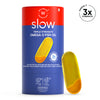 3x Strength Omega 3 Fish Oil
₹969 – ₹1,898
3x Strength Omega 3 Fish Oil
₹969 – ₹1,898
 4x Strength Omega 3 Fish Oil
₹1,454 – ₹2,848
4x Strength Omega 3 Fish Oil
₹1,454 – ₹2,848
 6x Strength Omega 3 Fish Oil
₹1,939 – ₹3,798
6x Strength Omega 3 Fish Oil
₹1,939 – ₹3,798