7 Best Vegetarian Omega 3 Sources Revealed
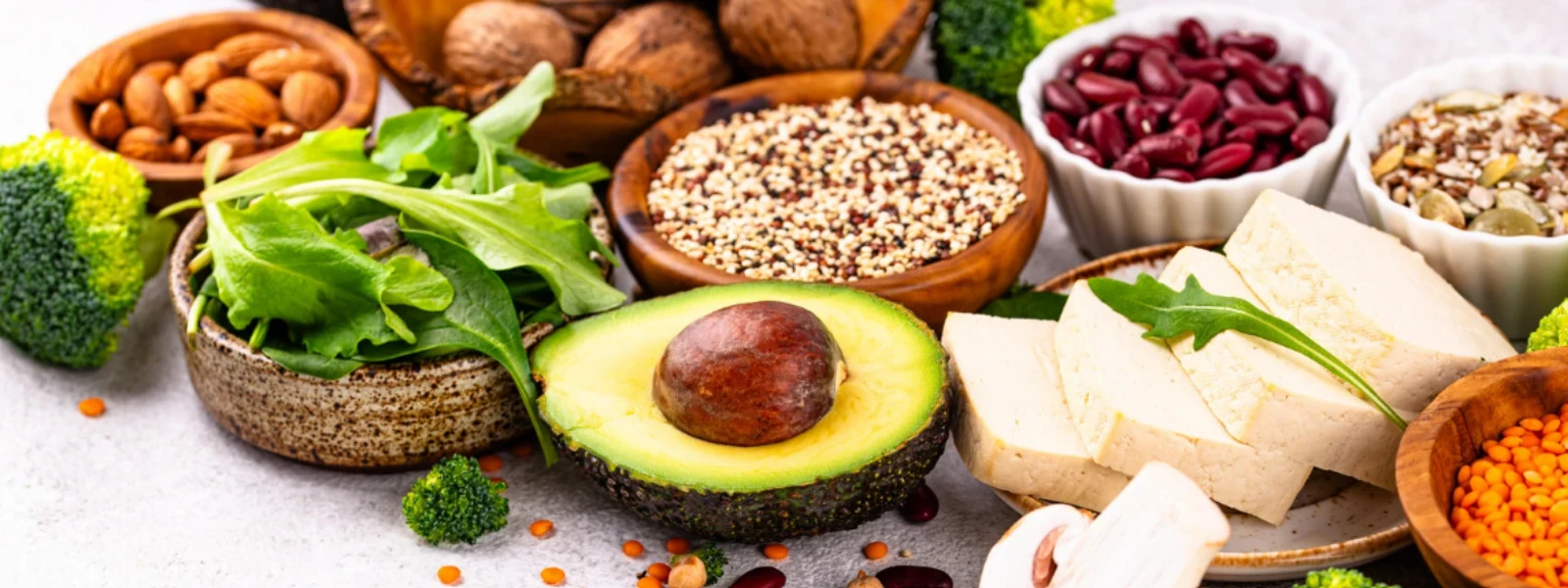


Finding reliable vegetarian sources of omega 3 can feel challenging when most nutrition advice centers around fish oil. Yet plant-based omega-3 fatty acids offer powerful health benefits when you know which foods pack the biggest nutritional punch. This comprehensive guide reveals seven scientifically-backed vegetarian omega 3 options that can help you meet your daily requirements without compromising your dietary choices.
You'll discover the omega-3 content of each source, learn optimization strategies for better absorption, and understand how to create a sustainable meal plan that supports your long-term health goals.
Omega-3 fatty acids come in three main forms, each with distinct roles in your body. ALA (Alpha-linolenic acid) represents the primary plant based omega 3 form found in seeds, nuts, and leafy greens. Your body must convert ALA into EPA (eicosapentaenoic acid) and DHA (docosahexaenoic acid) - the same active forms found in fish oil.
This conversion process presents unique challenges for vegetarians. Research shows that only 5-15% of consumed ALA converts to EPA, while DHA conversion rates drop even lower to 0.5-5%. Understanding this limitation helps explain why vegetarians need strategic planning to maintain optimal omega-3 status.
Omega-3 fatty acids support multiple body systems through their anti-inflammatory properties. These essential fats help maintain healthy brain function, supporting memory, focus, and mood regulation. Your cardiovascular system benefits from omega-3s through improved blood flow and reduced inflammation markers.
Joint health and immune system function also depend on adequate omega-3 intake. These fatty acids help regulate inflammatory responses throughout your body, potentially reducing stiffness and supporting recovery from physical activity.
Common omega-3 deficiency symptoms in vegetarians include dry, flaky skin and brittle hair or nails. You might experience persistent fatigue, mood changes, or difficulty concentrating. Joint stiffness, particularly in the morning, can signal inadequate omega-3 intake.
These symptoms often develop gradually, making them easy to overlook. Regular monitoring of your vegetarian diet omega 3 intake helps prevent deficiency before symptoms appear.
Flax seeds omega 3 content reaches an impressive 6,388mg of ALA per 2 tablespoons. Ground flaxseeds offer superior absorption compared to whole seeds, as your digestive system can better access the nutrients when the tough outer shell is broken down.
Store ground flaxseeds in your refrigerator to prevent rancidity, and aim for 1-2 tablespoons daily. Mix ground flaxseeds into smoothies, yogurt, or oatmeal for easy incorporation into your meals.
Chia seeds omega 3 provides 4,915mg of ALA per 2 tablespoons, along with complete protein, fiber, and essential minerals. Unlike flaxseeds, chia seeds don't require grinding for optimal absorption.
These versatile seeds form a gel-like consistency when mixed with liquid, making them perfect for puddings, smoothies, or as an egg substitute in baking. Their mild flavor adapts well to both sweet and savory dishes.
Walnuts omega 3 delivers 2,570mg of ALA per 1/4 cup serving. Walnuts maintain an optimal omega-3 to omega-6 ratio, supporting better conversion efficiency compared to other nuts.
Store walnuts in your refrigerator or freezer to maintain freshness and prevent the oils from becoming rancid. Add them to salads, oatmeal, or enjoy them as a standalone snack.
Did You Know?
Research published in the Journal of Nutrition found that consuming just 1/4 cup of walnuts daily for 8 weeks significantly improved omega-3 blood levels in vegetarian participants, demonstrating the effectiveness of this accessible plant source.
Hemp seeds provide 1,100mg of ALA per 3 tablespoons while offering all nine essential amino acids. This combination makes hemp seeds particularly valuable for vegetarians seeking both protein and omega 3 rich vegetarian foods in one source.
Their nutty flavor works well sprinkled on salads, blended into smoothies, or mixed into yogurt. Hemp seeds require no special preparation and maintain their nutritional value at room temperature.
Algal oil supplements bypass the conversion limitations of plant-based ALA by providing direct EPA and DHA. These omega 3 supplements vegetarian options typically contain 300-900mg of combined EPA and DHA per capsule.
Look for third-party tested products with sustainable sourcing certifications. Algal oil offers the same omega-3 forms found in fish oil without any marine ingredients.
Edamame provides 560mg of ALA per cup, while fermented soy products like tempeh and miso offer additional nutritional benefits. These vegetarian omega 3 foods also contribute high-quality protein to support overall nutrition.
Choose organic, non-GMO soy products when possible, and vary your preparation methods to maintain interest in these versatile protein sources.
Certain seaweeds naturally contain EPA and DHA from their algae content. Nori, wakame, and spirulina provide varying amounts of omega-3s along with iodine and antioxidants.
While seaweed omega-3 content varies significantly by type and preparation, these marine vegetables offer a natural way to access EPA and DHA in small amounts.
Supporting optimal ALA to EPA and DHA conversion requires attention to your overall diet composition. Limiting excessive omega-6 intake from processed oils helps improve conversion efficiency. Focus on maintaining a balanced omega-6 to omega-3 ratio of approximately 4:1 or lower.
Certain nutrients support the conversion process, including Vitamin B6, Vitamin b12, zinc, and magnesium. Ensuring adequate intake of these cofactors through whole foods or supplements can enhance your body's ability to utilize plant-based omega-3s effectively.
Consuming omega-3 rich foods with healthy fats can improve absorption. Pair your flaxseeds or chia seeds with avocado, nuts, or olive oil to enhance nutrient uptake.
Spreading your omega-3 intake throughout the day rather than consuming large amounts at once may support better utilization and reduce any digestive discomfort.
Start your day with omega-3 rich breakfast options like chia puddings made with plant milk and topped with walnuts. Blend ground flaxseeds into your morning smoothie for an easy boost.
For lunch and dinner, incorporate hemp seeds into salads or grain bowls. Walnut-based pestos and tahini dressings can add both flavor and omega-3 content to your meals.
Batch prepare omega-3 rich ingredients at the beginning of each week. Grind flaxseeds in small portions and store them in airtight containers. Pre-soak chia seeds for quick pudding preparation throughout the week.
Create variety by rotating between different omega-3 sources daily. This approach prevents monotony while ensuring consistent nutrient intake.
Flaxseeds contain the highest concentration at 6,388mg ALA per 2 tablespoons, followed by chia seeds at 4,915mg and walnuts at 2,570mg per 1/4 cup. These three sources provide the most efficient way to meet your daily ALA requirements.
Combine high-ALA foods like flax, chia, and walnuts with algal oil supplements for direct EPA and DHA. Aim for 2-3g of ALA daily from food sources plus 250-500mg of EPA and DHA from algae-based supplements to match the benefits of fish oil.
Plant-based ALA requires conversion to EPA and DHA with only 5-15% efficiency, making direct supplementation with algal oil the most effective vegetarian alternative. Combining high-ALA foods with algae supplements can match fish oil benefits.
Direct DHA sources for vegetarians include algal oil supplements and certain seaweeds. While your body can convert some ALA to DHA, the conversion rate is very low, making supplementation the most reliable approach for adequate DHA levels.
Take algal oil supplements with meals containing healthy fats to improve absorption. Consistency matters more than timing, so choose a schedule you can maintain long-term, whether morning or evening.
Meeting your omega-3 needs on a vegetarian diet requires strategic food choices and potentially targeted supplementation. Focus on incorporating high-ALA sources like flaxseeds, chia seeds, and walnuts into your daily routine while considering algal oil supplements for direct EPA and DHA. Remember that consistency in your approach matters more than perfection, and small daily additions of these powerful plant-based sources can significantly impact your long-term health. By understanding the unique challenges and opportunities of vegetarian omega-3 nutrition, you can create a sustainable plan that supports your wellness goals while honoring your dietary preferences.




Someone sent you
Powered by ReferRush


