Essential Checklist: Plant-Based vs Synthetic Nutrition
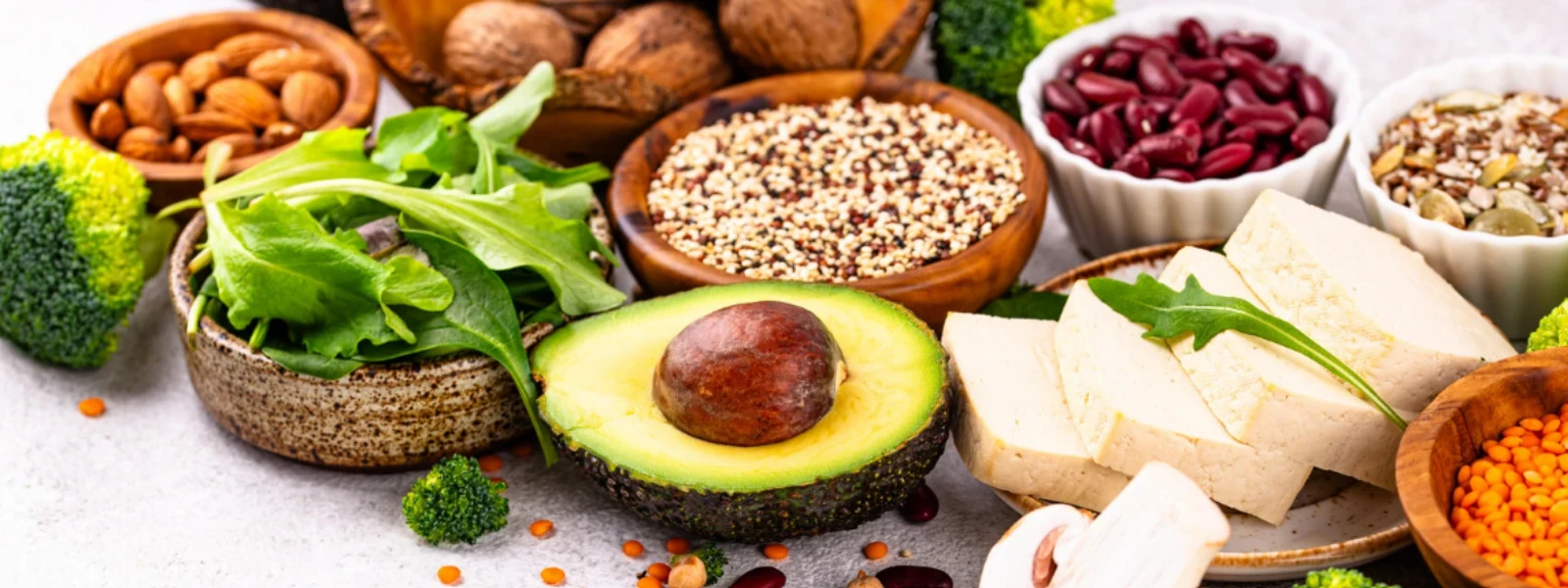


The global supplement industry generates over $40 billion annually, yet most consumers remain unaware of a fundamental distinction that could dramatically impact their health outcomes. The choice between plant-based vs synthetic nutrition isn't just about personal preference—it's about understanding how your body processes, absorbs, and utilizes nutrients for optimal wellness.
This comprehensive guide will help you navigate the complex world of nutritional sources, examining everything from bioavailability of nutrients to their impact on gut health nutrition. You'll discover practical strategies for making informed decisions about your nutritional intake, whether you're following a detox diet or simply seeking to optimize your daily wellness routine.
Plant-based nutrition refers to nutrients derived directly from fruits, vegetables, herbs, seeds, and other botanical sources. Unlike isolated compounds, these sources provide nutrients in their natural matrix, surrounded by complementary compounds that work synergistically.
Whole food nutrition offers several advantages over isolated nutrients. When you consume Vitamin C from an orange, you're also getting bioflavonoids, fiber, and other phytonutrients that enhance absorption and effectiveness. This natural packaging system has evolved over millions of years to deliver nutrients in the most bioavailable form.
The connection between plant-based sources and gut health nutrition is particularly significant. Plant foods contain prebiotic fibers that feed beneficial gut bacteria, creating an environment that supports optimal nutrient absorption. This symbiotic relationship between plant compounds and your microbiome forms the foundation of digestive wellness.
For those following a detox diet, plant-based sources offer additional benefits. The natural fiber content helps bind toxins, while antioxidants support the liver's detoxification pathways. This makes plant-based nutrition particularly valuable during cleansing protocols.
Synthetic nutrition involves creating nutrients in laboratories through chemical processes. These manufactured compounds are designed to mimic the molecular structure of naturally occurring nutrients, though they may lack the supporting compounds found in whole foods.
The distinction between natural vs artificial nutrients lies primarily in their chemical structure and accompanying compounds. While synthetic Vitamin C (ascorbic acid) has the same basic molecular formula as natural Vitamin C, it lacks the bioflavonoids and other cofactors that enhance its function in the body.
Common synthetic vitamins include most B-complex vitamins, Vitamin d3, and many minerals found in standard multivitamins. These nutrients undergo extensive processing and may require additional steps to achieve optimal absorption in the digestive system.
Synthetic nutrients do serve important purposes, particularly for addressing specific deficiencies or when natural sources are insufficient. They offer precise dosing and longer shelf stability, making them valuable tools in certain health scenarios.
Bioavailability of nutrients measures how effectively your body can absorb and utilize specific compounds. Research consistently shows that plant-based sources often demonstrate superior bioavailability compared to their synthetic counterparts.
Nutrient absorption occurs through complex mechanisms in your digestive system. Natural nutrients come with built-in cofactors that facilitate this process. For example, natural folate from leafy greens is more readily absorbed than synthetic folic acid, which requires additional enzymatic conversion.
Did You Know?
Studies show that natural Vitamin E is retained in tissues twice as long as synthetic Vitamin E, demonstrating superior bioavailability and cellular utilization.
The impact on gut health nutrition extends beyond simple absorption. Plant-based nutrients support beneficial bacteria growth, while some synthetic forms may disrupt the delicate balance of your microbiome. This relationship between nutrient source and gut health affects everything from immune function to mood regulation.
Understanding sources of vitamins and minerals helps you make informed decisions about your nutritional strategy. Vitamin b12, for instance, is primarily found in animal products, making supplementation necessary for strict plant-based diets. However, many other nutrients are abundantly available in plant sources.
Iron from plant sources (non-heme iron) requires Vitamin C for optimal absorption, while iron from animal sources (heme iron) is more readily absorbed. This illustrates why understanding nutrient interactions is crucial for effective supplementation.
When considering cleanse supplements, natural options often provide additional benefits. Plant-based detox formulas typically include fiber, antioxidants, and liver-supporting compounds that work together to enhance the cleansing process.
Cost-effectiveness varies significantly between sources. While synthetic supplements may appear cheaper initially, the superior bioavailability of plant-based options often provides better value per absorbed nutrient.
The choice between plant-based vs synthetic nutrition significantly impacts your gut microbiome. Plant-based nutrients come with prebiotic compounds that nourish beneficial bacteria, while synthetic forms may lack these supportive elements.
A well-designed detox diet leverages the synergistic effects of plant-based nutrition. The natural fiber content helps eliminate toxins through regular bowel movements, while antioxidants protect cells during the detoxification process.
Cleanse supplements derived from whole food sources often provide gentler, more sustainable results. They work with your body's natural detoxification pathways rather than forcing rapid elimination that might stress your system.
Supporting digestive health during detoxification requires maintaining the delicate balance of your gut microbiome. Plant-based nutrients naturally support this balance, while synthetic options may require additional probiotic support.
Choose plant-based sources when seeking comprehensive nutrition with natural cofactors. These work best for general wellness, digestive health support, and long-term nutritional strategies.
Synthetic supplements make sense for addressing specific deficiencies, when precise dosing is required, or when natural sources are insufficient. They're particularly useful for nutrients like Vitamin B12 in plant-based diets.
Red flags in supplement marketing include claims of "miraculous" results, lack of third-party testing, and vague ingredient lists. Quality supplements clearly identify their nutrient sources and provide transparent labeling.
Reading labels requires understanding terminology. "Natural" doesn't always mean plant-derived, while "synthetic" doesn't necessarily mean inferior. Look for specific source information and third-party certifications.
Budget-friendly whole food nutrition strategies include focusing on nutrient-dense foods, seasonal produce, and targeted supplementation only where necessary. This approach often provides better value than expensive synthetic multivitamins.
Synthetic vitamins aren't inherently harmful, but they may lack the supporting compounds that promote gut health. Some synthetic forms can disrupt the microbiome balance, particularly when taken in high doses without proper cofactors.
Most nutrients are available from plant sources, but some like Vitamin B12, Vitamin D, and certain omega-3 fatty acids may require supplementation or careful planning. A well-designed plant-based diet can meet most nutritional needs.
Signs of good nutrient absorption include stable energy levels, healthy digestion, and normal blood markers during routine testing. Poor absorption may manifest as fatigue, digestive issues, or persistent deficiencies despite adequate intake.
"Natural" typically means derived from food sources, while "synthetic" indicates laboratory creation. However, labeling regulations vary, so look for specific source information rather than relying solely on these terms.
Plant-based sources generally work better for detox programs because they provide fiber, antioxidants, and liver-supporting compounds. They work synergistically to support your body's natural detoxification pathways while nourishing beneficial gut bacteria.
The choice between plant-based vs synthetic nutrition depends on your individual needs, health goals, and current nutritional status. Plant-based sources offer superior bioavailability, gut health support, and natural cofactors, making them ideal for general wellness and detoxification. Synthetic options serve specific purposes, particularly for addressing deficiencies or when natural sources are insufficient. The most effective approach often combines both strategies, emphasizing whole food nutrition while using targeted synthetic supplementation where necessary. Understanding these differences empowers you to make informed decisions that support your long-term health and wellness goals.




Someone sent you
Powered by ReferRush


