Master Your Longevity Diet: Complete Nutrition Guide
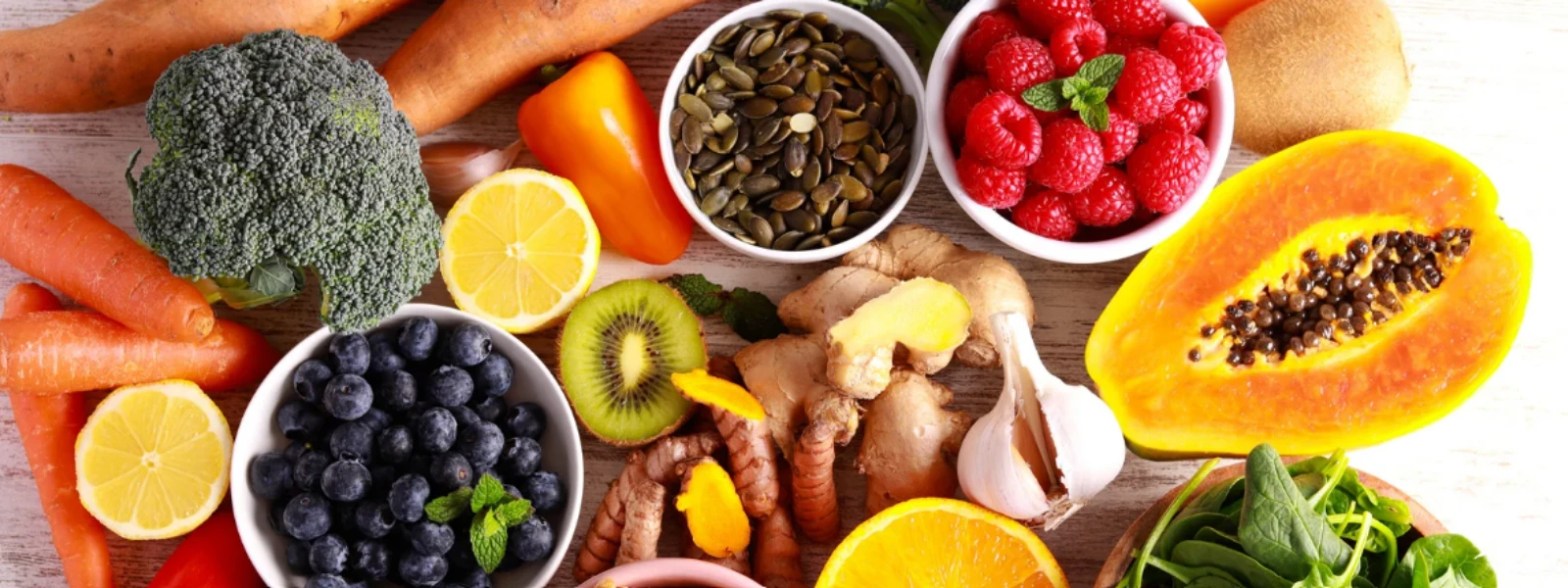


Did you know that the foods you eat today could determine how you feel and function 20 years from now? Research from Harvard Medical School shows that proper nutrition for longevity can add up to 15 healthy years to your lifespan. This isn't about quick fixes or trendy diets—it's about understanding how specific nutrients work at the cellular level to slow aging and extend your healthspan.
This comprehensive guide will teach you evidence-based strategies to master your longevity diet. You'll discover which foods fight aging at the molecular level, how to optimize your gut health for better nutrient absorption, and practical meal planning strategies that fit your busy lifestyle. By the end, you'll have a clear roadmap to eating for life extension.
Nutrition for longevity goes beyond basic healthy eating. It's a science-backed approach that targets the biological mechanisms of aging through strategic food choices. Unlike traditional diets focused on weight loss, longevity nutrition aims to extend your healthspan—the years you live in good health.
Your cells age through several key pathways that nutrition can influence. Telomeres, the protective caps on your chromosomes, shorten with age. Studies show that people eating diets rich in antioxidants have longer telomeres. Your mitochondria, the powerhouses of your cells, also decline with age. Specific nutrients like Vitamin C and omega-3 fatty acids help maintain mitochondrial function.
Chronic inflammation accelerates aging throughout your body. This low-grade inflammation, called "inflammaging," damages tissues over time. Anti-inflammatory foods can significantly reduce this process. Research from the Blue Zones—regions where people live exceptionally long lives—shows common dietary patterns that support cellular health.
Traditional diets often focus on calories in versus calories out. Longevity nutrition emphasizes nutrient density and timing. It prioritizes foods that activate longevity pathways like autophagy—your body's cellular cleanup process. This approach integrates seamlessly with gut health optimization and natural detoxification.
The longevity diet also considers meal timing and frequency. Intermittent fasting and caloric restriction mimetics can trigger beneficial cellular responses without extreme restriction. This makes it sustainable for long-term health.
Building your longevity diet requires understanding core principles backed by decades of research. The Mediterranean diet serves as an excellent foundation, but we can optimize it further for modern life extension goals.
The Mediterranean eating pattern consistently shows the strongest evidence for longevity. This approach emphasizes whole foods, healthy fats, and moderate portions. Plant foods make up the majority of each meal, with animal proteins playing a supporting role.
Caloric restriction mimetics offer benefits without severe calorie cutting. Foods like green tea, turmeric, and berries contain compounds that mimic the longevity benefits of caloric restriction. Intermittent fasting can also trigger these same pathways naturally.
First, aim for five or more servings of colorful fruits and vegetables daily. These provide antioxidants that protect against cellular damage. Each color represents different protective compounds, so variety matters.
Second, prioritize omega-3 fatty acids and healthy fats. These support brain health, reduce inflammation, and maintain cell membrane integrity. Sources include fatty fish, walnuts, and flaxseeds.
Third, choose high-quality plant proteins while limiting animal proteins. Legumes, nuts, and seeds provide protein plus fiber and beneficial compounds. When you do eat animal protein, choose grass-fed or wild-caught options.
Fourth, select whole grains and complex carbohydrates over refined options. These provide sustained energy and support gut health through fiber content.
Fifth, include bioactive compounds and phytonutrients from herbs and spices. These plant chemicals offer powerful anti-aging benefits beyond basic nutrition.
Certain anti-aging foods stand out for their exceptional longevity benefits. These foods contain specific compounds that research shows can slow cellular aging and reduce disease risk.
Leafy greens like spinach, kale, and arugula top the list for longevity nutrition. They're rich in folate, which supports DNA repair, and nitrates that improve blood flow. Studies show people eating the most leafy greens have brains that appear 11 years younger.
Berries, especially blueberries and blackberries, contain anthocyanins and resveratrol. These compounds cross the blood-brain barrier and protect against cognitive decline. They also support cardiovascular health and may extend lifespan.
Nuts and seeds provide healthy fats, protein, and minerals. Walnuts specifically contain alpha-linolenic acid, an omega-3 that supports brain health. Almonds provide Vitamin E, while flaxseeds offer lignans that may protect against hormone-related cancers.
Fatty fish like salmon, sardines, and mackerel deliver omega-3 fatty acids EPA and DHA. These fats reduce inflammation, support heart health, and maintain cognitive function. Aim for two servings per week.
Legumes including beans, lentils, and chickpeas provide plant PrOtein, fiber, and folate. Blue Zone populations eat legumes daily. They support gut health and provide sustained energy without blood sugar spikes.
Did You Know?
People in Blue Zones eat beans daily and live an average of 10 years longer than typical Western populations. Legumes provide the perfect combination of plant protein, fiber, and longevity-supporting compounds.
Turmeric contains curcumin, one of the most studied anti-aging compounds. It reduces inflammation and may protect against Alzheimer's disease. Combine it with black pepper to increase absorption.
Ginger supports digestive health and provides anti-inflammatory benefits. It may also help with nausea and muscle soreness. Fresh ginger offers more benefits than dried powder.
Garlic provides sulfur compounds that support cardiovascular health. Regular garlic consumption is linked to lower blood pressure and reduced heart disease risk. Let chopped garlic sit for 10 minutes before cooking to maximize benefits.
Green tea contains EGCG and other polyphenols that protect against cellular damage. Studies show green tea drinkers have lower rates of heart disease and certain cancers. Aim for 2-3 cups daily.
Your gut health plays a crucial role in healthy aging. A diverse microbiome supports immune function, reduces inflammation, and even influences mood through the gut-brain axis.
Your gut microbiome changes with age, often becoming less diverse. This shift contributes to increased inflammation and reduced immune function. Maintaining microbiome diversity through diet can slow this aging process.
The gut-brain axis connects your digestive system to your brain through the vagus nerve. A healthy gut produces neurotransmitters like serotonin that support mood and cognitive function. Poor gut health is linked to depression and cognitive decline.
Reducing inflammation through gut healing can slow aging throughout your body. Chronic inflammation from poor gut health accelerates cellular aging and increases disease risk.
Natural detoxification happens through your liver, kidneys, and digestive system. Supporting these organs with specific foods enhances your body's natural detox processes without extreme measures.
Cruciferous vegetables like broccoli, Brussels sprouts, and cauliflower support liver detoxification. They contain compounds that help your liver process toxins more efficiently.
Clean eating means eliminating processed foods, artificial additives, and excess sugar. Focus on whole foods in their natural state. This reduces the toxic load on your body and supports natural detoxification.
A gentle gut cleanse involves increasing fiber intake gradually, staying hydrated, and including fermented foods. Prebiotic foods like garlic, onions, and asparagus feed beneficial bacteria. Probiotic foods like yogurt, kefir, and sauerkraut introduce helpful microbes.
Your nutritional strategies should evolve as you age. Different life stages require specific focus areas to optimize health and longevity.
In your 30s and 40s, focus on prevention-oriented nutrition. Build strong bones with adequate calcium and Vitamin D. Support fertility and hormone balance with healthy fats and antioxidants. This is the time to establish healthy eating patterns that will serve you for decades.
During your 50s and 60s, prioritize hormone optimization and muscle preservation. Protein needs increase to maintain muscle mass. Include strength training alongside adequate protein intake. Support changing hormones with phytoestrogen-rich foods like flaxseeds and soy.
After 70, cognitive health and frailty prevention become priorities. Omega-3 fatty acids support brain health, while adequate protein prevents muscle loss. Vitamin b12 absorption decreases with age, so consider supplementation or fortified foods.
Women's longevity nutrition should emphasize bone health throughout life. Calcium, Vitamin D, and Vitamin K work together to maintain bone density. Iron needs vary significantly with menstrual status.
Men's longevity nutrition often focuses on cardiovascular and prostate health. Lycopene from tomatoes may support prostate health. Heart-healthy fats and fiber help manage cholesterol levels naturally.
Transitioning to wellness nutrition doesn't require drastic overnight changes. A gradual approach ensures sustainable habits that last a lifetime.
During weeks one and two, focus on foundation building. Add one extra serving of vegetables to each meal. Replace refined grains with whole grain options. Eliminate obvious processed foods like packaged snacks and sugary drinks.
Weeks three and four involve optimization and personalization. Experiment with new recipes featuring longevity foods. Pay attention to how different foods make you feel. Adjust portions and timing based on your energy levels and hunger cues.
Meal timing can enhance longevity benefits. Consider a 12-hour eating window, such as 7 AM to 7 PM. This natural intermittent fasting supports cellular cleanup processes.
Successful meal planning starts with batch cooking staples. Prepare large batches of whole grains, legumes, and roasted vegetables on weekends. These components can be mixed and matched throughout the week.
Stock your pantry with longevity essentials: olive oil, nuts, seeds, whole grains, and canned legumes. Keep frozen vegetables and berries on hand for quick additions to meals.
Budget-friendly longevity nutrition emphasizes affordable staples like beans, lentils, oats, and seasonal vegetables. Frozen vegetables often contain more nutrients than fresh ones that have traveled long distances.
The Mediterranean diet with plant-forward modifications shows the strongest evidence for longevity. Focus on five or more servings of fruits and vegetables daily, emphasize legumes over red meat, and include whole grains, nuts, and olive oil as staples.
A diverse gut microbiome reduces inflammation, supports immune function, and influences mental health through the gut-brain axis. Poor gut health accelerates aging, while a healthy microbiome can add years to your healthspan.
Limit processed meats, refined sugars, trans fats, and highly processed foods. These foods increase inflammation and accelerate cellular aging. Excessive alcohol also damages cells and should be consumed in moderation if at all.
Research consistently shows that proper nutrition can add 10-15 healthy years to lifespan by preventing chronic diseases and supporting cellular health. The key is consistency over decades, not short-term dietary changes.
Protein needs increase with age to maintain muscle mass. Adults over 50 should aim for 1.0-1.2 grams per kilogram of body weight daily. Choose high-quality sources like legumes, fish, and lean poultry while emphasizing plant proteins.
Mastering your longevity diet isn't about perfection—it's about making consistent choices that support healthy aging over time. The evidence is clear: what you eat today directly impacts how you'll feel and function in the decades to come. By focusing on nutrient-dense whole foods, supporting your gut health, and implementing practical meal planning strategies, you're investing in your future self.
Start with small, sustainable changes and build from there. Your body will thank you not just today, but for years to come. Remember, the best time to start eating for longevity was 20 years ago—the second best time is right now.




Someone sent you
Powered by ReferRush


