Master Zinc Intake: Complete Guide to Natural Sources
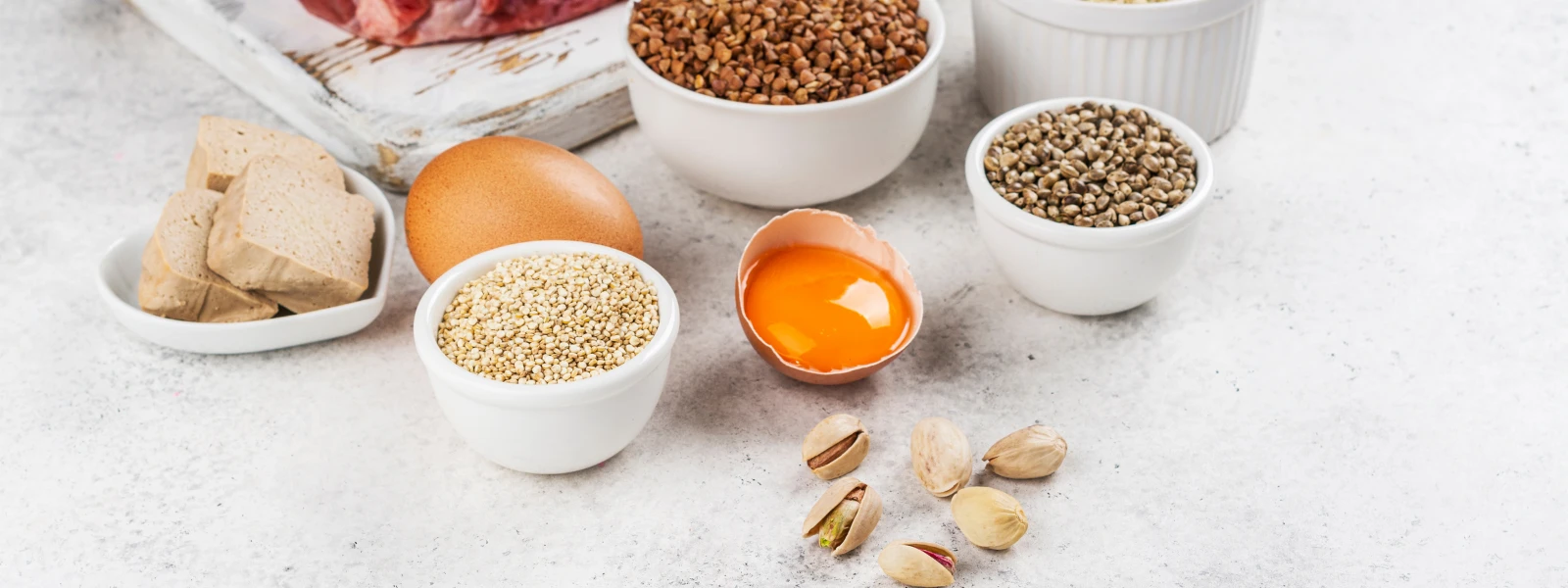


Zinc plays a crucial role in over 300 enzymatic reactions throughout your body, yet many people struggle to meet their daily requirements through diet alone. This essential mineral supports everything from immune function to wound healing, making it vital for optimal health. Understanding the best natural sources of zinc and how to maximize absorption can help you maintain adequate levels without relying solely on supplements.
This comprehensive guide explores the richest dietary sources of zinc, compares absorption rates between different foods, and provides practical strategies for meeting your daily needs. Whether you follow a plant-based diet or include animal products, you'll discover how to optimize your zinc intake naturally while supporting overall wellness.
Zinc functions as a cofactor in numerous biological processes that keep your body running smoothly. This trace mineral supports protein synthesis, DNA formation, and cellular division. Your immune system particularly depends on adequate zinc levels to produce and activate immune cells that fight off infections and diseases.
Adult men require approximately 11 milligrams of zinc daily, while women need about 8 milligrams. During pregnancy and breastfeeding, requirements increase to 11-12 milligrams to support fetal development and milk production. Children's needs vary by age, ranging from 2-11 milligrams depending on their developmental stage.
Your body cannot store zinc efficiently, making consistent daily intake essential. Unlike some nutrients that accumulate in tissues, zinc requires regular replenishment through food sources. This characteristic makes understanding zinc-rich foods particularly important for maintaining optimal health.
Research consistently demonstrates zinc's critical importance for immune system function. This mineral helps maintain the integrity of skin and mucous membranes, your body's first line of defense against pathogens. Zinc also supports the development and function of neutrophils, natural killer cells, and T-lymphocytes.
When zinc levels drop, your immune response weakens significantly. Studies show that even mild zinc deficiency can impair immune function, leading to increased susceptibility to infections and slower recovery times. This connection makes adequate zinc intake particularly important during cold and flu seasons.
Animal-based foods generally provide the most bioavailable forms of zinc, with shellfish leading the pack. Oysters contain the highest concentration of any food source, providing up to 74 milligrams per 3-ounce serving. This single serving delivers more than six times the daily requirement for most adults.
Other shellfish offer substantial zinc content as well. Crab provides about 6.5 milligrams per 3-ounce serving, while lobster contains approximately 3.4 milligrams. Mussels deliver around 5.7 milligrams per serving, making them excellent choices for boosting zinc intake.
Red meat serves as another excellent source of highly absorbable zinc. A 3-ounce serving of beef chuck roast provides about 7 milligrams, while ground beef contains approximately 5.3 milligrams per serving. Pork chops offer around 2.9 milligrams per 3-ounce portion.
Poultry contributes moderate amounts of zinc, with dark meat containing higher levels than white meat. Chicken thighs provide about 2.4 milligrams per 3-ounce serving, while chicken breast contains approximately 0.9 milligrams. Turkey follows similar patterns, with dark meat offering more zinc than light meat.
Dairy products provide steady sources of zinc along with other essential nutrients. One cup of milk contains about 1 milligram of zinc, while an ounce of cheddar cheese provides approximately 0.9 milligrams. Greek yogurt offers around 1.3 milligrams per cup, making it a nutritious snack option.
Whole eggs contribute about 0.6 milligrams of zinc each, with most concentrated in the yolk. Including eggs in your daily routine can help supplement zinc intake while providing high-quality protein and other vital nutrients.
Plant-based eaters can meet their zinc needs through careful food selection, though absorption rates may be lower than animal sources. Pumpkin seeds stand out as exceptional plant-based zinc sources, providing about 2.2 milligrams per ounce. These versatile seeds can be eaten raw, roasted, or added to various dishes.
Cashews offer approximately 1.6 milligrams of zinc per ounce, while hemp seeds provide around 3 milligrams per 3-tablespoon serving. Pine nuts contribute about 1.2 milligrams per ounce, making them valuable additions to salads and grain dishes.
Did You Know?
Soaking and sprouting legumes, nuts, and seeds can significantly improve zinc absorption by reducing phytate content. This simple preparation method can increase bioavailability by up to 50% in some cases.
Legumes provide substantial zinc content along with fiber, protein, and other minerals. One cup of cooked chickpeas contains approximately 2.5 milligrams of zinc, while the same amount of lentils provides about 2.5 milligrams. Kidney beans offer around 1.8 milligrams per cup when cooked.
Black beans contribute about 1.9 milligrams per cup, while navy beans provide approximately 2.3 milligrams. These versatile legumes can be incorporated into soups, salads, curries, and grain bowls to boost zinc intake naturally.
Whole grains contain moderate amounts of zinc, though processing reduces content significantly. Quinoa provides about 2.8 milligrams per cooked cup, making it an excellent grain choice for zinc intake. Oats contain approximately 2.3 milligrams per cup when cooked.
Brown rice offers around 1.2 milligrams per cup, while whole wheat bread provides about 0.5 milligrams per slice. Choosing whole grain versions over refined products helps maximize zinc content in grain-based foods.
Understanding zinc absorption helps optimize intake from natural sources. Animal proteins enhance zinc absorption significantly, which explains why meat sources provide more bioavailable zinc than plant foods. The amino acids in animal proteins form chelates with zinc, improving uptake in the intestines.
Vitamin C can enhance zinc absorption when consumed together. Adding citrus fruits, bell peppers, or strawberries to zinc-rich meals may improve uptake. However, this enhancement appears more pronounced with plant-based zinc sources than animal sources.
Several compounds can interfere with zinc absorption, particularly from plant sources. Phytates, found in grains, legumes, and nuts, bind to zinc and reduce absorption. Soaking, fermenting, or sprouting these foods can reduce phytate content and improve zinc availability.
High doses of calcium and iron can compete with zinc for absorption when taken simultaneously. If you take calcium or iron supplements, consider spacing them apart from zinc-rich meals by at least two hours to minimize interference.
Fiber, while beneficial for digestive health, can also reduce zinc absorption when consumed in very high amounts. Balancing fiber intake throughout the day rather than consuming large amounts at once may help optimize zinc uptake.
Zinc deficiency develops gradually, often making early symptoms easy to overlook. Poor wound healing serves as one of the earliest indicators, as zinc plays a crucial role in collagen synthesis and tissue repair. Cuts, scrapes, or surgical wounds that heal slowly may signal inadequate zinc status.
Frequent infections or prolonged recovery from illnesses can indicate compromised immune function related to zinc deficiency. Your immune system relies heavily on zinc for proper function, making adequate intake essential for fighting off pathogens effectively.
More severe zinc deficiency can manifest as hair loss, particularly in a pattern different from typical male or female pattern baldness. Changes in taste and smell perception may also occur, as zinc supports the function of taste buds and olfactory receptors.
Skin problems, including delayed wound healing, rashes, or dermatitis, can develop with prolonged deficiency. These symptoms often improve relatively quickly once zinc status is restored through dietary changes or supplementation.
Vegetarians and vegans face higher risk of zinc deficiency due to lower bioavailability from plant sources and potential phytate interference. Pregnant and breastfeeding women require increased zinc intake, making deficiency more likely if dietary intake doesn't increase accordingly.
Older adults may experience reduced zinc absorption and increased losses, putting them at higher risk. Individuals with digestive disorders, such as Crohn's disease or celiac disease, may also struggle with zinc absorption and require closer monitoring.
Zinc plays a fundamental role in maintaining intestinal barrier function, which prevents harmful substances from crossing into the bloodstream. This mineral supports the production of proteins that form tight junctions between intestinal cells, maintaining gut integrity.
Research suggests that zinc deficiency can contribute to increased intestinal permeability, sometimes called "leaky gut." This condition allows toxins, bacteria, and undigested food particles to cross the intestinal barrier, potentially triggering inflammatory responses throughout the body.
Your body requires zinc to produce several important digestive enzymes, including carboxypeptidase A and alkaline phosphatase. These enzymes help break down proteins and support overall digestive function. Adequate zinc intake ensures optimal enzyme production and digestive efficiency.
Zinc also supports stomach acid production, which aids in protein digestion and mineral absorption. Low stomach acid, often associated with zinc deficiency, can create a cycle where poor digestion leads to further nutrient deficiencies.
Food sources provide zinc in a matrix of other nutrients that may enhance absorption and utilization. Natural sources also carry less risk of excessive intake compared to concentrated supplements. The body can better regulate zinc absorption from food sources, reducing the likelihood of toxicity.
However, certain situations may warrant zinc supplementation alongside food sources. Individuals with diagnosed deficiency, those with absorption disorders, or people following restrictive diets may benefit from targeted supplementation under healthcare guidance.
If supplementation becomes necessary, zinc picolinate and zinc gluconate show good absorption rates. Zinc sulfate, while less expensive, may cause more digestive upset and has lower bioavailability than other forms.
The upper limit for zinc intake is 40 milligrams daily for adults. Excessive zinc intake can interfere with copper absorption and immune function, making moderation important even with supplements. Always consult healthcare providers before starting zinc supplementation, especially if you take other medications or supplements.
Oysters contain the highest zinc concentration of any food, providing up to 74 milligrams per 3-ounce serving. This amount far exceeds daily requirements, making oysters the most concentrated natural source available.
Yes, vegetarians can meet zinc needs through careful food selection, though it requires more planning than omnivorous diets. Focusing on pumpkin seeds, cashews, legumes, and whole grains while using preparation methods that reduce phytates can help ensure adequate intake.
Adult men need approximately 11 milligrams daily, while women require about 8 milligrams. Pregnant women need 11 milligrams, and breastfeeding mothers require 12 milligrams. Children's needs range from 2-11 milligrams depending on age.
Phytates in grains and legumes, high doses of calcium or iron, and excessive fiber can reduce zinc absorption. Coffee and tea consumed with zinc-rich meals may also interfere with uptake due to their tannin content.
Zinc toxicity from food sources alone is extremely rare because the body regulates absorption based on needs. However, consistently consuming very large amounts of high-zinc foods like oysters could potentially lead to excessive intake over time.
Meeting your daily zinc requirements through natural sources supports optimal immune function, wound healing, and overall health. Whether you choose animal-based options like oysters and beef or plant-based alternatives like pumpkin seeds and legumes, understanding absorption factors helps maximize the benefits of your food choices. By incorporating zinc-rich foods into your daily routine and using preparation methods that enhance bioavailability, you can maintain adequate zinc status naturally while supporting your body's essential functions.




Someone sent you
Powered by ReferRush


