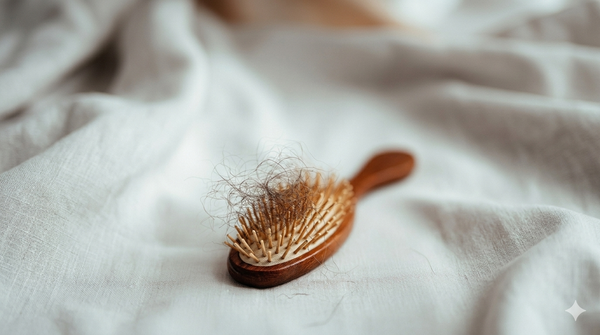
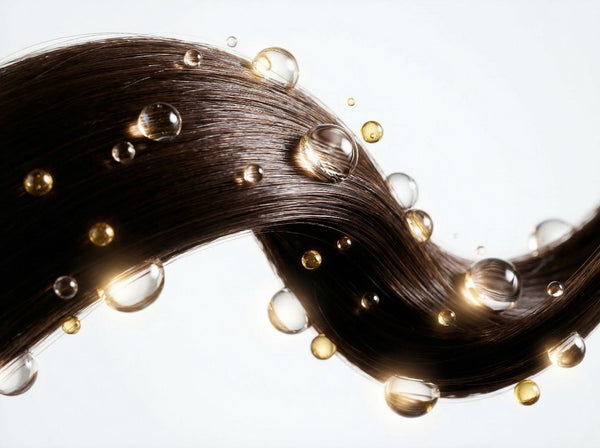
Have you ever run your fingers through your hair and felt the difference, the strands not as thick, the ends breaking too soon, the shine missing? Hair fall is one of those quiet frustrations that sneak up on you. You try expensive oils, shampoos, maybe even serums that promise miracles.
But Ayurveda has always whispered a simpler truth, real hair strength begins at the root. Literally.
Centuries before modern “hair serums” and “growth tonics”, Ayurvedic practitioners mapped how herbs nourish hair follicles, balance scalp health, and rejuvenate tissues. These herbs for hair growth aren’t overnight fixes. They work gradually by creating the right internal and external environment for healthy, dense hair.
The Ayurvedic Science of Hair Growth
In Ayurveda, hair (called Kesha) is seen as a byproduct of bone and marrow tissues (Asthi dhatu and Majja dhatu). When these tissues are nourished, hair naturally grows stronger.
Hair loss happens when Pitta dosha (the heat energy) becomes excessive, leading to inflammation, weakened follicles, and premature greying. That’s why cooling, nourishing herbs like Amla, Brahmi, and Bhringraj are prescribed.
Modern science now supports this. Many herbs contain bioactive phytochemicals that boost scalp blood flow, stimulate dermal papilla cells (where growth begins), and protect follicles from oxidative stress. (NIH)
Let’s explore how these herbs actually work, not just in tradition, but under the microscope.
1. Bhringraj (Eclipta alba)

Known as the “King of Hair” in Ayurveda, Bhringraj supports follicular health at multiple levels. Research shows that its methanolic extract increases dermal papilla cell activity and shortens the resting (telogen) phase, helping more follicles enter the growth (anagen) phase. (NIH)
It’s also rich in flavonoids and wedelolactone, which improve blood flow to the scalp and deliver more nutrients to hair roots.
👉 Massage warm Bhringraj-infused oil twice weekly or apply Bhringraj powder mask for 20 minutes before rinse.
2. Amla (Emblica officinalis)

Amla, or Indian gooseberry, is a powerhouse of vitamin C and antioxidants. These compounds neutralize free radicals that damage follicle DNA and proteins.
A 2023 study found that amla extract significantly increased the anagen-to-telogen ratio in individuals with hair thinning, showing enhanced follicular growth potential. (NIH)
Its phytonutrients also boost collagen around the hair root sheath, strengthening the anchor of each strand.
👉 Use amla oil as a pre-wash treatment twice weekly or add a teaspoon of amla juice to your morning routine.
3. Brahmi (Bacopa monnieri)

Brahmi is famous for calming the mind, but it does the same for your scalp. Chronic stress and oxidative load trigger micro-inflammation in the follicle base, slowing down regeneration. Brahmi’s bacosides act as potent antioxidants, protecting hair follicles from cellular stress (NIH).
Studies also indicate improved microcirculation in the scalp, allowing better nutrient delivery to follicles.
👉 Use Brahmi oil once a week or pour a cooled Brahmi tea infusion as your final hair rinse.
4. Fenugreek (Trigonella foenum-graecum)

Fenugreek seeds are packed with protein, lecithin, and nicotinic acid, all of which strengthen hair shafts and rebuild damaged cuticles. Their saponins act as mild hormones that stimulate hair follicle activity and reduce dandruff-causing microbes, maintaining, scalp balance.
Studies show fenugreek extract can reduce hair shedding and enhance thickness when used topically or orally. (NIH)
👉 Use a paste made from soaked fenugreek seeds once a week or add methi-infused oil to your routine.
5. Neem (Azadirachta indica)

Healthy hair begins with a clean, infection-free scalp. Neem is antifungal and antibacterial, perfect for combating dandruff and folliculitis that often block hair growth.
Its nimbidin compounds soothe scalp inflammation and create a healthier environment for follicle renewal.
👉 Rinse your scalp with neem-leaf water once weekly or use neem oil diluted in coconut oil for scalp massage.
How These Herbs Work Together
Each herb targets a different root cause.
-
Bhringraj and Amla extend the growth phase.
-
Ashwagandha and Brahmi address hormonal and stress triggers.
-
Neem and Fenugreek nourish, protect, and purify.
When used in combination, they help reset the hair cycle, from dormant follicles to active growth. The result is a balanced scalp, reduced breakage, and fuller strands over time.
How to Incorporate These Herbs Into Your Daily Routine
1. Choose 2-3 herbs to start
Pick two internal (e.g., amla, neem) and two external (e.g., bhringraj oil, fenugreek mask) to begin.
2. Weekly rituals
-
Oil massage: Once weekly, warm carrier oil + herb powder/oil infusion, massage scalp for 10-15 mins, leave for 30–60 mins (or overnight) → wash.
-
Mask or rinse: Alternate weeks for mask/rinse treatments.
3. Daily micro-habits
-
Use a final rinse (neem infusion) after shampoo.
-
Reduce heat-styling, avoid mechanical trauma to hairs.
4. Internal support + mention of hair supplements
While our primary focus is herbs and food, you may also incorporate quality hair supplements (after consulting a health professional). These supplements may provide nutrients like biotin, zinc, iron, vitamin D and herbal extracts. However, the core message remains internal nutrition + scalp botanical support amplify each other.
5. Nutritional & lifestyle support
-
Ensure adequate protein, iron, zinc, essential fatty-acids.
-
Manage stress (since stress triggers hair-fall).
-
Sleep well and hydrate.
6. Patience + Consistency
Hair growth takes time (~1 cm/month), and botanical change is gradual. Use your herbal regimen consistently for 8–12 weeks before judging results.
The Takeaway: Root-First Growth
Hair growth isn’t instant. It’s biological, cyclical, and deeply influenced by your lifestyle. Ayurvedic science understood this long before “clinical haircare” existed.
By integrating natural herbs into your weekly routine, through oils, rinses, teas, or masks, you’re not masking damage, you’re rebuilding your roots.
Consistency, not complexity, drives transformation.
Give your scalp three months of care with these Ayurvedic herbs, pair them with good food and supportive hair supplements, and you’ll see what Ayurveda has promised for centuries, stronger roots, thicker strands, and hair that tells your story of balance.
FAQs
1. Which Ayurvedic herbs are best for hair growth?
Some of the best ayurvedic herbs for hair growth include Bhringraj, Amla, Brahmi, Fenugreek and Neem. These herbs nourish hair roots, balance scalp pH, and improve blood circulation to promote thicker, healthier hair.
2. How do Ayurvedic herbs actually help with hair growth?
Ayurvedic herbs work by improving follicle strength, reducing oxidative stress, and balancing hormones. They extend the anagen (growth) phase of the hair cycle and prevent follicle miniaturization caused by stress or DHT buildup.
3. Can Ayurvedic herbs stop hair fall completely?
While Ayurvedic herbscan reduce hair fall and improve hair density, complete stoppage depends on other factors like diet, hormones, and stress. A consistent herbal routine along with the right hair supplements can show visible results within 8–12 weeks.
4. Is it safe to use multiple Ayurvedic herbs together?
Yes. Combining different herbs such as Amla, Bhringraj, and Brahmi enhances results. Each herb targets a unique cause, from scalp inflammation to hormonal imbalance, making them more effective when used together.
5. How long do Ayurvedic herbs take to show results on hair?
Results typically appear after 2–3 months of consistent use. Ayurvedic herbs work slowly but deeply, improving follicle health and scalp environment over time. Pairing them with clean hair supplements can accelerate visible growth.
6. Can I take Ayurvedic herbs orally for hair growth?
Yes. Certain herbs like Amla, and Fenugreek can be taken orally in the form of teas, powders, or capsules. Always consult an expert before starting any supplement or herb-based routine.
7. Which is better: Ayurvedic herbs or modern hair supplements?
Both can complement each other. Ayurvedic herbs work from the root, improving scalp and follicle health, while hair supplements provide essential nutrients like biotin, zinc, and collagen for internal nourishment.

Recommended Products
 Hair Fall Control
₹649 – ₹1,298
Hair Fall Control
₹649 – ₹1,298
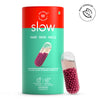 Hair, Skin & Nails Slow
₹1,119 – ₹2,238
Hair, Skin & Nails Slow
₹1,119 – ₹2,238
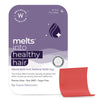 Healthy Hair
₹649 – ₹1,298
Healthy Hair
₹649 – ₹1,298