If you feel like your hair “used to be better”, fuller, stronger, or shinier, you’re definitely not the only one. Modern diets, especially Indian ones, are high in omega-6 fats (from oils, snacks, packaged foods) but extremely low in omega-3, a nutrient your hair literally depends on.
This imbalance quietly shifts the body into a more inflammatory state and your scalp feels it first. Hair starts falling faster, growing slower, and losing its natural bounce.
The good news? Fixing this imbalance is surprisingly simple once you know where to get omega-3, how to use it every day and how to build a hair-friendly diet around it
Let’s break it down in one smooth, actionable flow.
Why Omega-3?
Before we dive into food sources and routines, it helps to understand what omega-3 actually is and why your hair depends on it.
Omega-3 refers to a family of essential fatty acids that your body cannot make on its own. The three key forms are:
ALA (Alpha-Linolenic Acid) – the plant-based omega-3 found in flaxseeds, chia, walnuts, and hemp. Your body can convert ALA into EPA and DHA, but only in very small amounts.
EPA (Eicosapentaenoic Acid) – a marine omega-3 mainly from fish and algae. EPA is known for its strong anti-inflammatory and circulation-supporting benefits, both crucial for healthy hair follicles.
DHA (Docosahexaenoic Acid) – another marine omega-3 that plays a structural role in cell membranes, helping maintain the integrity and resilience of scalp and follicle cells.
Here is how Omega-3 plays a role in healthy hair:
Reduces Scalp Inflammation

Low-grade, chronic inflammation around the hair follicle is one of the most overlooked drivers of progressive thinning. This inflammation disrupts the follicle’s microenvironment, the tiny ecosystem that controls growth, shedding, and nutrient delivery.
Omega-3 fatty acids, particularly EPA and DHA, have clinically documented anti-inflammatory effects. They help modulate the body’s inflammatory pathways, stabilize the follicular environment, and support healthier cellular communication (NIH).
The result? Follicles remain structurally healthier, the hair growth cycle stays regulated, and the rate of premature shedding decreases noticeably over time.
Improves Blood Flow to the Scalp

EPA plays a key role in maintaining optimal blood viscosity, ensuring that circulation stays smooth and efficient. This improved microcirculation directly benefits the scalp, allowing a richer, more consistent delivery of nutrients to the hair roots.
With better blood flow, your follicles receive a steady supply of oxygen, amino acids, and essential minerals, the raw materials required for strong, resilient hair growth. In simple terms, EPA helps create the ideal internal environment for your hair to thrive (NIH).
Strengthens the Hair Shaft

Hair strands are structured with internal lipids, essential fats that preserve smoothness, flexibility, and natural gloss. Over time, heat, pollution, and oxidative stress deplete these lipids, leaving hair rough, brittle, and prone to breakage.
Omega-3 fatty acids help replenish these structural lipids from within. By integrating into the hair shaft’s lipid matrix, they support stronger cuticles, better moisture retention, and improved elasticity (NIH).
This is why people who consistently increase their omega-3 intake often notice:
✔ Fewer split ends
✔ A noticeably softer, more hydrated texture
✔ Enhanced, natural-looking shine
In essence, omega-3 strengthens your hair’s internal architecture and the results show on the outside.
Supports Hormone Balance

Stress and hormonal fluctuations are two of the most powerful disruptors of the hair growth cycle. Elevated cortisol and imbalanced hormones can shorten the growth phase, weaken follicles, and accelerate shedding.
Omega-3 fatty acids have well-documented hormone-modulating properties. They help regulate the body’s stress response, support adrenal balance, and improve overall metabolic signaling. By stabilizing these internal systems, omega-3 creates a more favorable hormonal environment for healthy hair growth (NIH).
The result is indirect but meaningful: calmer physiology, steadier hormones, and stronger, more resilient hair over time.
This is why omega-3 isn’t just a “nice-to-have” nutrient; it’s one of the foundational elements your scalp and follicles rely on every single day.
How to Use Omega-3 Daily for Thicker, Healthier Hair

Here’s the practical part on how to integrate omega-3 into your lifestyle with zero confusion or guesswork.
Start by Improving Your Omega-6 to Omega-3 Ratio
This alone helps reduce inflammation, which boosts hair health. Try swapping:
-
Sunflower oil → olive oil, groundnut oil, or cold-pressed coconut oil
-
Fried snacks → roasted snacks
-
Ready-made foods → fresh home-cooked meals
Small tweaks, big difference.
Pair Omega-3 with Antioxidants
Vitamin E, vitamin C, selenium, and plant polyphenols help omega-3 integrate better into your cell membranes.
Examples:
-
Berries
-
Citrus fruits
-
Almonds
-
Green tea
This combo helps amplify shine and reduce breakage.
Stay Hydrated
Omega-3 improves cell structure, but hydration improves cell function. Your scalp needs both.
Make Seed Cycling a Habit
Rotate seeds through the week:
-
Flax + chia for omega-3
-
Pumpkin + sunflower for supporting minerals
This supports hormone balance, which indirectly keeps hair fall in check.
Avoid Overheating Oils High in Omega-3
Flaxseed oil, walnut oil, and hemp oil lose their omega-3 benefits when heated.Always use them cold and store them in the fridge.
Use an Omega-3 Supplement
If your diet is vegetarian, irregular, or you’re dealing with hair fall, an omega-3 supplement can make a noticeable difference.
Look for:
-
Minimum 500 mg EPA+DHA per serving
-
Sustainable sourcing
-
No fishy aftertaste
-
High purity, low heavy metals
If you want an easy, clean option, Wellbeing Nutrition’s Omega range is one you can consider.
It’s sourced from wild-caught fish and vegan DHA Algal oil, offering non-vegan and vegetarian options. It uses advanced purification and is designed to be burp-free, so you get all the hair-loving benefits without the unpleasant aftertaste.
Think of it like skincare, consistent internal nourishment for external results.
A Simple Omega-3 Daily Routine
Knowing what to eat is one thing but knowing how to fit it into your day makes all the difference. This simple omega-3 routine helps you hit your daily intake effortlessly, whether you’re vegetarian or non-vegetarian.
|
Meal |
Veg Option |
Non-Veg Option |
|
Morning |
Chia lemon water / chia pudding |
Chia lemon water |
|
Breakfast |
Oats with flaxseed + walnuts / Upma or poha with hemp seeds / Smoothie with chia |
Eggs with spinach + chia |
|
Mid-Morning |
1 fruit + handful of walnuts / 1 tbsp flaxseed |
1 fruit + handful of nuts |
|
Lunch |
Dal + roti + sabzi + salad topped with hemp seeds / Quinoa bowl with edamame |
Grilled salmon/mackerel/sardines (2–3× weekly) + veggies + rice / Chicken + flaxseed salad |
|
Evening Snack |
Green tea + roasted chana / Walnut trail mix |
Boiled eggs with pepper |
|
Dinner |
Khichdi + curd + flaxseed drizzle / Tofu or paneer stir-fry |
Fish curry / grilled fish with veggies / Chicken with hemp seed sprinkle |
Follow this routine consistently for a few weeks and you’ll start noticing subtle but meaningful changes: smoother strands, less shedding, and a healthier scalp environment.
Your Key Takeaway
At the end of the day, healthier, fuller-looking hair comes down to one simple habit: giving your scalp the nourishment it’s been missing. Omega-3 reduces inflammation, boosts blood flow, strengthens strands, and supports hormone balance, all from the inside out.
And you don’t need a complicated routine. A few smart oil swaps, daily seeds, fatty fish (if you eat non-veg), and a clean omega-3 supplement when needed, that’s enough to shift your hair from “dull and thinning” to “strong and thriving.”
Small, consistent choices give big, visible results. Your hair will thank you.
FAQs
1. Are Omega-3 Good for Hair?
Yes, omega-3 is good for hair because it helps reduce inflammation around the follicles, improves scalp nourishment, and strengthens hair from within. When you consistently include omega-3 foods like chia seeds, walnuts, and flaxseed in your diet, you support healthier, shinier, and more resilient hair.
2. Are Omega-3 Supplements Good for You?
Yes, high-quality omega-3 supplements are good for you, especially if your diet lacks enough omega-3 foods. They support heart health, reduce inflammation, improve hair and skin quality, and help balance hormones. For vegetarians or people with irregular eating habits, supplements ensure you meet your daily omega-3 needs.
3. How Does Omega-3 Help Hair?
Omega-3 helps hair by nourishing the scalp, supporting follicle health, and improving blood flow. It reduces inflammation and delivers essential fats that keep strands smooth and strong. Whether through omega-3 foods or supplements, regular intake contributes to fuller, healthier-looking hair.
4. What Does Omega-3 Contain?
Omega-3 contains three main fatty acids: ALA (from plant sources), and EPA and DHA (from marine sources). These components are what make omega-3 effective for supporting hair, scalp, heart, and overall wellness.
5. Can Omega-3 Cause Hair Loss?
No, omega-3 does not cause hair loss. In fact, the opposite is true. Since omega-3 is good for hair, it helps reduce inflammation, strengthens follicles, and improves scalp health. Hair loss from omega-3 is extremely rare and usually linked to other medical or lifestyle factors. Most people see improved texture and reduced shedding when they add omega-3 foods or supplements to their routine.
6. Will Omega-3 Help Hair Growth?
Yes, omega-3 can support hair growth by strengthening follicles, improving nutrient delivery, and balancing inflammation. While it’s not a miracle cure, consistent intake of omega-3 foods or supplements helps create the ideal internal environment for steady, healthy hair growth.
7. Which Omega-3 Foods Are Best for Hair Growth?
Some of the best omega-3 foods for hair growth include chia seeds, flaxseeds, walnuts, hemp seeds, and fatty fish like salmon or sardines. If your diet doesn’t include these regularly, omega-3 supplements can help fill the gap and support healthy, fuller-looking hair.

Recommended Products
 4x Strength Omega 3 Fish Oil
₹1,349
4x Strength Omega 3 Fish Oil
₹1,349
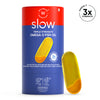 3x Strength Omega 3 Fish Oil
₹899
3x Strength Omega 3 Fish Oil
₹899
 6x Strength Omega 3 Fish Oil
₹1,599 – ₹3,198
6x Strength Omega 3 Fish Oil
₹1,599 – ₹3,198
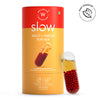 Multi + Omega for Her Slow
₹1,119 – ₹2,238
Multi + Omega for Her Slow
₹1,119 – ₹2,238
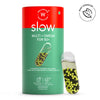 Multi + Omega 50+ Slow
₹1,119 – ₹2,238
Multi + Omega 50+ Slow
₹1,119 – ₹2,238
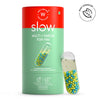 Multi + Omega for Him Slow
₹1,119 – ₹2,238
Multi + Omega for Him Slow
₹1,119 – ₹2,238