You’ve tried them all — fancy shampoos, nourishing oils, scalp serums. Hoping for thicker, shinier hair, yet nothing seems to work.
Or maybe you’ve gone the “nutrient route”: collagen in the morning, biotin in the afternoon, hair vitamin gummies in the evening. You’re doing everything right, or so it seems, but your hair still feels thin, brittle, or slow-growing.
Frustrating, right?
Here’s the truth: the real work happens deep inside your hair follicles, tiny biological factories that build each strand from the inside out. Cells divide rapidly, proteins assemble, and enzymes control how fast and strong your hair grows. These follicles are among the most metabolically active tissues in your body, constantly cycling through growth, transition, and shedding.
Healthy hair isn’t just cosmetic, it reflects what’s happening at the cellular level.
That’s why experts now talk about nutrient synergy: hair follicles need the right mix of proteins, vitamins, and minerals working together to build strong, healthy strands. Understanding what nutrients help hair grow is the first step toward building healthier hair from within.
Before we dive into how nutrient stacking works, let’s see why hair health issues are so common.
Why Is Healthy Hair So Hard to Keep?

You’re not imagining it, hair concerns are everywhere. Studies show that up to 50% of women notice thinning hair at some point, and many men start seeing gradual hair loss in their twenties.
Even if you don’t have clinical hair loss, there are early warning signs your hair might be struggling:
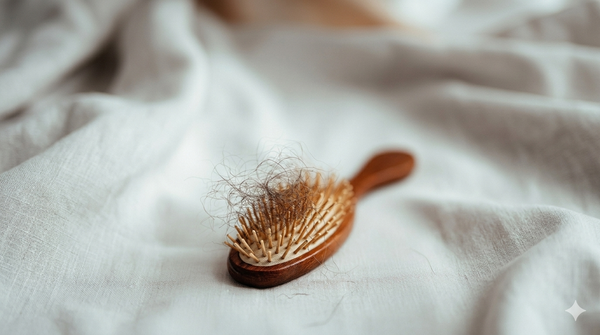
• More strands in the brush or shower drain than usual
• Hair that feels thinner or weaker
• Slow growth or trouble keeping length
• Less volume or density than before

So, what’s going on? Hair follicles are tiny powerhouses, constantly cycling through three stages:
-
Anagen – the active growth phase
-
Catagen – the transition phase
-
Telogen – the resting and shedding phase
When follicles don’t receive enough nutrients that support hair growth, they may shift prematurely into the shedding phase. Over time, this affects thickness, strength, and overall hair density (NCBI).
Why One Nutrient Isn’t Enough: The Power of Hair “Teamwork”

Healthy hair isn’t built by a single nutrient, it’s a team effort. Think of your follicles like tiny factories: keratin production, energy metabolism, and tissue support all need to work in sync to create strong, shiny strands.
Different nutrients play different roles in this process:
-
Amino acids – the building blocks that form keratin fibers
-
Vitamins – the switches that turn on metabolic pathways for protein synthesis
-
Minerals – the regulators that keep cell division and follicle signaling on track
Because these processes are interconnected, the real magic happens when nutrients work together, a concept called nutrient synergy.
Now, modern hair growth supplements are increasingly focusing on combining complementary nutrients. This approach, often called a hair health supplement stack for growth, supports multiple biological pathways at once rather than relying on a single ingredient.
Biotin: Your Hair’s Keratin Booster
You’ve probably heard about biotin, also known as vitamin B7, it’s one of the best vitamins for hair growth, often mentioned by experts.
Think of biotin for hair growth as a backstage crew member for your hair. As a coenzyme, biotin supports several metabolic reactions involved in fatty‑acid synthesis and amino‑acid metabolism. These processes contribute to the production of keratin, the structural protein that forms the majority of the hair shaft (NIH).
If you’ve ever wondered is biotin good for hair growth, research suggests that adequate intake supports the metabolic environment required for normal keratin formation. So, when your biotin levels dip, you might notice brittle nails, thinning hair, or even certain skin changes.
This is why many people turn to a biotin supplement when exploring ways to improve hair thickness and resilience.
You don’t need exotic ingredients to get biotin, it’s in everyday foods like:

• Eggs
• Nuts and seeds
• Whole grains
• Legumes
• Bananas and avocados
These are also excellent foods that promote hair growth because they supply other vitamins and minerals essential for follicle health.
Collagen: Your Hair’s Structural Support
If biotin builds the hair shaft from the inside, collagen for hair growth acts like the scaffolding that holds everything in place. It’s the most abundant structural protein in the body, providing amino acids like glycine, proline, and hydroxyproline that help maintain connective tissues, including the supportive structures around your hair follicles.
Hair follicles sit inside the extracellular matrix, a kind of “home base” in your scalp. Collagen keeps this environment strong and stable, helping follicles stay anchored and function properly (NCBI).
Because of this role, many people researching hair growth supplements often ask: does collagen help hair growth?
While collagen doesn’t directly create hair strands, it provides structural amino acids that help maintain the follicle environment where healthy hair develops.
You can support collagen production through protein-rich foods for hair growth such as

-
Fish and poultry
-
Bone broth
-
Protein-rich meals paired with vitamin C–rich fruits and veggies (NCBI).
A Power Combo for Beautiful Hair

Think of biotin and collagen as your hair’s dynamic duo. Biotin fuels the metabolic pathways that produce keratin, the protein that forms each strand, while collagen provides the structural amino acids that keep the follicle environment strong and supportive.
Together, they cover two essential bases:
-
Building the hair shaft – keratin production powered by biotin
-
Maintaining follicle structure – collagen strengthens the surrounding tissue
This combination illustrates how modern hair supplements are increasingly designed around nutrient synergy.
Rather than focusing on a single nutrient, a well-designed hair health supplement stack for growth combines complementary ingredients to support multiple stages of hair formation simultaneously (NIH).
Micronutrients That Keep Your Hair Follicles Thriving
Beyond proteins and vitamins, a few key micronutrients are essential for strong, healthy hair follicles:
|
Nutrient |
Role |
|
Zinc |
This mineral is a true multitasker. It helps your follicles build proteins, replicate DNA, and divide cells during the active growth phase (NIH). Without enough zinc, your hair can struggle to grow as thick and strong as it should. |
|
Iron |
Iron helps transport oxygen to tissues throughout the body (NIH). Because hair follicle cells divide rapidly, they require sufficient oxygen to sustain metabolic activity. Low iron? Hair can appear thinner and slower-growing. |
|
Vitamin D |
More than just a “sunshine vitamin,” Vitamin D receptors are present within hair follicles and may play a role in follicle cycling and differentiation (NCBI). |
|
Vitamin B12 |
This vitamin supports red blood cell formation, which means more oxygen gets to your hardworking follicles. A deficiency here can show up as hair thinning over time.(NIH). |
|
Selenium |
Hair follicles face daily stress from free radicals. Selenium steps in as an antioxidant, protecting your follicles and helping maintain a healthy growth environment (NIH). |
Together, these micronutrients create the perfect environment for hair growth, supporting everything from strong strands to resilient follicles.
Building a Balanced Approach to Hair Nutrition

Healthy hair starts from the inside out and that begins with a nutrient-dense diet.
Protein-rich foods give your follicles the amino acids needed for keratin production, fruits and veggies supply antioxidants to protect cells from oxidative stress, and nuts, seeds, and legumes provide minerals like zinc and iron to keep follicles thriving.
Incorporating foods for hair growth into your daily diet remains one of the most effective ways to support long-term hair health.
But let’s be real: busy lifestyles, environmental stress, and modern diets can make it tough to get everything your hair needs consistently. That’s where smart hair supplements come in.
When evaluating hair growth supplements, look for blends that combine essential nutrients with collage, this way, you’re supporting hair and overall tissue health. Go for cleaner formulas: if you pick marine collagen, opt for deep-water fish sources.
Vegetarians? Vegan collagen or hair-skin-nail blends can provide complete support without compromising ethics or nutrition.
Final Thoughts
A thoughtful hair health stack combines structural proteins like collagen with metabolic cofactors such as biotin and key micronutrients.
This stacking approach mirrors the natural nutrient synergy follicles depend on and can help those looking for ways on how to improve hair growth or how to strengthen hair follicles naturally.
Pairing these supplements with a balanced diet and healthy lifestyle doesn’t just improve results, it helps maintain long-term hair and skin resilience, giving you stronger, shinier hair and healthier, more supple skin over time.
FAQs
1. Can taking biotin, collagen, and other hair supplements together improve hair growth?
Yes! Hair growth depends on nutrient synergy, meaning different nutrients support different stages of follicle biology. A combination of biotin, collagen, and key micronutrients helps with keratin production, follicle strength, and metabolic support — more effective than taking them separately.
2. Why is my hair still thin even after taking multiple hair vitamins daily?
If your supplements aren’t working together, they might not support all the processes follicles need. Strategic hair supplement stacking ensures amino acids, vitamins, and minerals complement each other to enhance hair thickness, strength, and growth.
3. How does collagen actually help with hair growth?
Collagen provides structural amino acids like glycine and proline, which maintain the extracellular matrix around hair follicles. This strengthens the follicle anchor, supports keratin formation, and contributes to healthier, denser hair.
4. Is biotin really effective for hair growth?
Biotin (vitamin B7) fuels enzymes that produce keratin, the main protein in hair strands. Adequate biotin supports follicle metabolism and can reduce hair thinning when paired with other nutrients in a supplement stack.
5. When is the best time to take hair supplements like collagen, biotin, or hair gummies?
Timing can improve absorption and effectiveness: collagen in the morning supports daytime metabolic processes, biotin in the afternoon fuels keratin synthesis, and hair vitamin gummies in the evening provide consistent nutrient support for follicle health.
6. Can diet alone provide all the nutrients my hair needs?
A protein-rich, nutrient-dense diet supports hair, but stress, lifestyle, and modern eating habits can create gaps. Hair health supplements complement your diet, delivering amino acids, vitamins, and minerals in a bioavailable form for maximum follicle support.
7. Which minerals are most important for hair health?
Zinc, iron, selenium, and vitamin D are key. Zinc and iron aid protein synthesis and oxygen delivery to follicles, selenium acts as an antioxidant, and vitamin D influences follicle cycling, all crucial for strong, healthy hair growth.
8. Does collagen work for vegetarians or those avoiding animal products?
Yes! Vegan collagen alternatives or hair-skin-nail supplement blends provide the same amino acids and nutrients needed for follicle support, without relying on animal sources. They work well when paired with a balanced diet.
9. How long does it take to see results from hair supplement stacks?
Hair growth is a slow process; most people notice improvements in 3–6 months. Using a nutrient-stacked approach ensures follicles receive consistent support for keratin production, structural integrity, and metabolic health over time.
10. Can nutrient synergy really make a difference compared to single-ingredient supplements?
Absolutely. Hair follicles rely on multiple pathways, protein building, metabolic activation, and mineral regulation. Supplements that combine these nutrients work synergistically, supporting all aspects of hair biology and improving overall hair density, strength, and shine.

Recommended Products
 Beauty Collagen Strawberry Watermelon Flavour
₹1,939 – ₹7,196
Beauty Collagen Strawberry Watermelon Flavour
₹1,939 – ₹7,196
 Beauty Korean Marine Collagen Peptides Mango Peach Flavour
₹1,939 – ₹7,196
Beauty Korean Marine Collagen Peptides Mango Peach Flavour
₹1,939 – ₹7,196
 Glow Korean Marine Collagen Peptides with Liposomal Glutathione & Vitamin C | Tropical Bliss Flavour | 250g
₹1,939 – ₹7,196
Glow Korean Marine Collagen Peptides with Liposomal Glutathione & Vitamin C | Tropical Bliss Flavour | 250g
₹1,939 – ₹7,196
 Glow Korean Marine Collagen Peptides with Liposomal Glutathione & Vitamin C | Valencia Orange Flavour | 250g
₹1,939 – ₹7,196
Glow Korean Marine Collagen Peptides with Liposomal Glutathione & Vitamin C | Valencia Orange Flavour | 250g
₹1,939 – ₹7,196
 Hair, Skin & Nails Slow
₹1,357 – ₹2,658
Hair, Skin & Nails Slow
₹1,357 – ₹2,658
 Marine Collagen - Valencia Orange
₹1,018 – ₹1,993
Marine Collagen - Valencia Orange
₹1,018 – ₹1,993
 Matcha Collagen
₹1,614
Matcha Collagen
₹1,614
 Vegan Pro Collagen Lemon Lime
₹1,745 – ₹3,418
Vegan Pro Collagen Lemon Lime
₹1,745 – ₹3,418
 Vegan Pro Collagen Mixed Berries
₹1,745 – ₹3,418
Vegan Pro Collagen Mixed Berries
₹1,745 – ₹3,418