




If you’re a busy parent, you already juggle enough with school tiffins, deadlines, tantrums, homework, screen time. And somewhere between all this chaos lies the constant worry: “Is my child eating right?”
This guide simplifies good nutrition for kids into easy steps you can follow daily, no complicated charts, no unrealistic routines, just practical strategies that actually work.
What Does Nutrition Really Mean for Kids?
Before planning meals, it’s important to understand what does nutrition mean for kids and why it matters in the long run.
At its core, what is nutrition for kids refers to the nutrients such as carbohydrates, proteins, fats, vitamins, minerals, and fiber that help children grow well, stay active, build immunity, and sharpen their brain.
The “Balanced Plate” Formula

If you’ve struggled to understand nutritional food for kids, the easiest way is to visualize a plate. A balanced plate helps you get nutrition for kids right at every meal. Here’s the formula:
½ Plate – Fruits & Veggies
Filling half the plate with fruits and vegetables provides essential fiber, vitamins, and minerals that help support your child’s immunity, aid digestion, and keep their energy levels steady throughout the day.
¼ Plate – Proteins
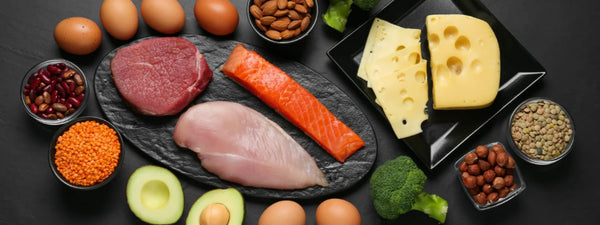
Including a quarter of the plate with proteins like dal, eggs, paneer, or lean meat supplies the building blocks for growth, muscle development, and overall body repair.
¼ Plate – Whole Grains
Filling the remaining quarter with whole grains such as roti, brown rice, or oats provides long-lasting energy, keeps your child full between meals, and supports healthy brain and body function.
This alone ensures your child is aligned with the best nutrition for kids without you overthinking it.
The 5-2-1-0 Routine

Many parents want a straightforward way to encourage healthy habits without overcomplicating mealtime or playtime. The 5-2-1-0 rule is a simple daily framework that covers both nutrition and lifestyle:
-
5 servings of fruits and vegetables – Provide essential vitamins, minerals, and fiber for growth, immunity, and digestion.
-
2 hours or less of screen time – Encourages movement, creativity, and better sleep.
-
1 hour of physical activity – Strengthens muscles and bones, boosts mood, and uses energy in a healthy way.
-
0 sugary drinks – Prevents energy crashes, dental issues, and excess weight gain.
By following this simple framework, parents can ensure children get a balanced combination of healthy eating, physical activity, and limited screen time, the key pillars for building strong, happy, and energetic kids.
Know the Core Nutrients
Children need a variety of nutrients every day. Understanding them helps you choose the right kids nutrition food.
|
Nutrition |
Use |
Kid-Friendly Sources |
|
Proteins |
Supports muscles, growth, and immunity |
Eggs, paneer, dal, milk, yogurt, cheese, peanut butter |
|
Healthy Fats |
Aids brain development |
Ghee, avocado, nut butter, seeds (sunflower, pumpkin) |
|
Complex Carbs |
Provides energy and improves focus |
Whole-grain roti, oats, brown rice, sweet potatoes, whole-grain pasta |
|
Vitamins & Minerals |
Strengthens bones, eyesight, and immunity |
Carrots, spinach, peas, bell peppers, apples, bananas, berries, milk, yogurt |
|
Fiber |
Supports healthy digestion |
Apples, bananas, berries, oats, millets, carrots, cucumber sticks |
Understanding these helps you answer which nutrition is good for kids in any situation.
Where Nutrition Drinks Fit In

Many parents wonder if nutrition drinks are safe or useful for children, and the answer is yes, but only when used thoughtfully, not as a replacement for regular meals.
These drinks can be helpful if your child is:
✓ Picky with food
✓ Low in appetite
✓ Struggling to gain weight
✓ Very active
✓ Frequently getting sick
A good supplement drink should have:
-
High-quality protein
-
Essential vitamins and minerals
-
Low sugar content
-
Safe, clean ingredients
If you want a convenient and reliable way to support your child’s diet on busy days, Wellbeing Nutrition Kids Superfuel is worth considering.
Why parents choose it:
- A complete daily blend of protein, 23 vitamins & minerals, healthy fats, fiber, probiotics, prebiotics, and digestive enzymes, designed for children 7+ years.
-
One scoop provides milk protein to cover a significant part of daily needs while supporting digestion and gut health.
-
Nutrients like calcium, Omega‑3 DHA, colostrum, magnesium, and trace minerals support growth, strength, immunity, cognitive function, bone and eye health.
-
Clean formula with no added sugar, no artificial ingredients, no fillers.
Kids Superfuel is a nutrient “top-up”, not a meal replacement. Perfect for picky eaters, low appetite, growth spurts, or extra-active days in delicious creamy vanilla and milk chocolate flavor.
Simple, Balanced Snack Ideas for Rushed Days

Snacks are where most parents struggle. Instead of packaged foods, try these easy kids nutrition snacks:
-
Fruit + nut butter
-
Paneer cubes
-
Oats banana pancake
-
Boiled eggs
-
Makhana
-
Smoothies
-
Veggie sticks + hummus
These provide nutrition facts for kids in a tasty, simple format.
Teach Nutrition the Easy Way
Teaching children about healthy eating is just as important as providing nutritious meals. When kids understand why food matters, they’re more likely to make good choices on their own.
Here are some fun and practical strategies:
-
Play the “rainbow eating” challenge – Encourage kids to eat fruits and vegetables of different colors each day.
-
Let them choose at the market – Giving kids a say in picking fruits and veggies sparks curiosity and ownership.
-
Involve them in the kitchen – Simple tasks like washing, stirring, or arranging ingredients make food more exciting.
-
Use stories and examples – Say things like, “Spinach helps your muscles grow!” to connect nutrition with tangible benefits.
For kids who enjoy structure, you can also start a nutrition journal, where they track water intake, fruits, veggies, or colorful meals. This helps them learn habits, see progress, and feel proud of making healthy choices.
Final Takeaway
You don’t need perfect meals, fancy recipes, or hours in the kitchen. You just need a system.
This guide gives you exactly that a clear understanding of nutrition for kids, simple daily habits, smart choices, and practical routines.
Follow the formula: Real Food + Balanced Plate + Movement + Smart Supplements. And you’ll effortlessly support your child’s growth, immunity, and lifelong relationship with food.
FAQs
1. What is nutrition for kids?
Nutrition for kids includes all the essential nutrients: proteins, healthy fats, carbohydrates, vitamins, minerals, and fiber that help children grow, stay active, build immunity, and support brain development.
2. What are the nutritional needs for kids?
Children require a balanced intake of proteins for growth, healthy fats for cognitive function, complex carbs for energy, vitamins and minerals for immunity and bones, and fiber for healthy digestion.
3. What is the best nutrition for children?
The best nutrition for children combines whole foods, colorful fruits and vegetables, protein-rich meals, whole grains, and occasionally nutrition drinks for kids to fill gaps when needed.
4. Are nutrition drinks good for kids?
Yes, high-quality nutrition drinks can support picky eaters, children with low appetite, or those needing extra energy during active days. They are intended as a supplement, not a replacement for regular meals.
5. Which nutrition is good for kids?
A wholesome mix of real foods, including proteins, fruits, vegetables, grains, and kids nutrition snacks, ensures adequate growth, energy, and immunity. Adding a trusted nutrition powder for kids can further boost nutrient intake.
6. What are healthy kids nutrition snacks?
Simple snacks like fruit with nut butter, paneer cubes, oats banana pancakes, boiled eggs, smoothies, makhana, and veggie sticks with hummus provide energy, essential nutrients, and keep children full between meals.
7. How can I teach nutrition to kids effectively?
Engage children with hands-on experiences: let them pick produce, involve them in meal prep, play the “rainbow eating” game, use fun stories to explain benefits, or track meals in a nutrition journal for kids to reinforce positive habits.

Recommended Products
 Kids Superfuel | Creamy Vanilla | Nutrition Mix
₹854 – ₹1,613
Kids Superfuel | Creamy Vanilla | Nutrition Mix
₹854 – ₹1,613
 Kids Superfuel | Milk Chocolate | Nutrition Mix
₹854 – ₹1,613
Kids Superfuel | Milk Chocolate | Nutrition Mix
₹854 – ₹1,613











 DOWNLOAD NOW

