




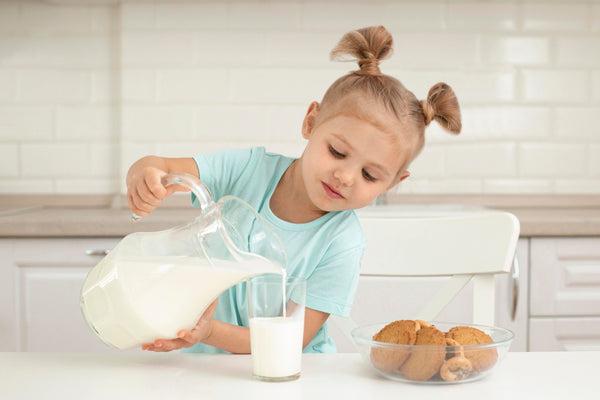
Healthy eating for children isn’t just about filling their bellies, it’s about fueling their future. As parents, we want our kids to grow strong, stay sharp, feel happy, and thrive every single day. That all starts with understanding nutrition for kids in a way that’s simple, practical, and empowering.
In this blog, we’ll break down what nutrition really means for your child, why it matters, and how you can make smart food choices that fit into your busy family life. By the end of this article, you’ll know exactly which nutrition is good for kids and how to give them the best start with food that’s both wholesome and enjoyable.
What Does “Nutrition” Really Mean for Kids?

Nutrition isn’t about forcing vegetables or counting calories. It’s about giving your child the right building blocks at the right time. In simple terms, nutrition for kids is the fuel that supports:
-
Physical growth
-
Brain development
-
Immunity and resilience
-
Energy, focus, and mood
When kids miss out on essential nutrients, it doesn’t always show up as illness. It shows up as:
-
Low energy
-
Poor focus
-
Frequent colds
-
Weak appetite
-
Mood swings
-
Slow growth
That’s why parents often ask: which nutrition is good for kids and the answer is not one magic food, but consistent, complete nourishment.
Why Kids Need Better Nutrition Than Ever Before

Children today are growing up in a very different food environment than we did. Here’s the reality:
-
Soils are nutrient-depleted
-
Packaged foods dominate lunchboxes
-
Sugar intake is high, micronutrient intake is low
-
Picky eating is common
-
Stress and screen time increase nutrient needs
So even kids who “eat well” can fall short on critical nutrients. This is why modern kids nutrition must focus not just on quantity, but quality and absorption.
The 5 Core Nutrients Every Child Needs
Instead of memorising labels, remember these five pillars:
1. Protein

Protein is the building block of muscles, tissues, enzymes, and hormones. It helps your child grow taller, stronger, and recover faster from daily activities. Without enough protein, kids may feel weak, tire easily, or struggle with concentration. Protein also supports a healthy immune system and keeps energy levels stable throughout the day.
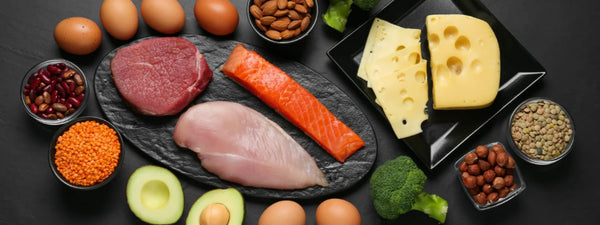
Found in: eggs, dairy, lentils, nuts, seeds, paneer, chicken, fish.
2. Healthy Fats

Fats are essential for brain development, as nearly 60% of a child’s brain is made of fat. Omega-3 fatty acids improve memory, focus, and emotional regulation. Healthy fats also support hormone production and nutrient absorption. Including the right fats ensures kids have energy that lasts and brains that stay sharp.
Found in: nuts, seeds, avocado, ghee, dairy, fatty fish.
3. Vitamins

Vitamins like A, C, D, and B-complex help children fight infections, convert food into energy, and maintain mental alertness. They are crucial for vision, skin, immunity, and nerve function. Many children fall short of these nutrients due to picky eating or processed diets. Ensuring adequate vitamins keeps their body strong, energized, and ready for learning.
Found in: fruits, vegetables, dairy, eggs, fortified cereals, leafy greens.
4. Minerals

Minerals such as calcium, iron, zinc, and magnesium play critical roles in bone development, oxygen transport, and cognitive function. Low mineral intake can cause weak bones, low stamina, poor concentration, and frequent illness. They also regulate metabolism and support enzyme function. Adequate minerals ensure kids grow healthy, stay focused, and recover quickly.
Found in: milk, cheese, yogurt, spinach, nuts, seeds, beans, meat, fish.
5. Fiber

Fiber supports digestion, prevents constipation, and feeds beneficial gut bacteria. A healthy gut enhances immunity, stabilizes blood sugar, and even impacts mood. Fiber also helps children feel full longer, reducing unhealthy snacking. Including fiber in daily meals keeps their digestive system and overall health in top shape.
Found in: fruits, vegetables, whole grains, legumes, nuts, seeds.
What Should a Child’s Plate Look Like?
There’s no magic formula, but a simple guide is to focus on balance and variety. Think colorful, whole, and minimally processed.

-
Half the Plate: Fruits & Vegetables
These provide essential vitamins, minerals, antioxidants, and fiber that support digestion, immunity, and overall growth. Aim for a mix of colors to cover a wider range of nutrients.
-
One-Quarter of the Plate: Protein
Lean proteins help build muscles, repair tissues, and support growth and immunity. Including protein at every meal also helps keep kids full and energized.
-
One-Quarter of the Plate: Whole Grains
Whole grains provide steady, long-lasting energy for play, learning, and focus. They also contribute fiber and essential B vitamins for metabolism.
-
A Small Portion on the Side: Healthy Fats
Healthy fats support brain development, hormone balance, and nutrient absorption. Even small amounts make a big difference.
This simple structure helps answer the common question, which nutrition is good for kids, the answer is a balanced mix of all the nutrient groups, not just one or two.
Why Food Alone Isn’t Always Enough Anymore
This is the hard truth most parents don’t hear is even with home-cooked meals, kids may not meet daily nutrient needs because:
-
Appetite fluctuates
-
Absorption varies
-
Growth spurts increase requirements
-
Modern foods lack nutrient density
Supporting nutrition for kids today means combining:
✔ Balanced meals
✔ Smart supplementation
✔ Consistency, not perfection
This isn’t about doing more, it’s about doing what works.
Are Nutrition Drinks for Kids Good?
All nutrition drinks are not the same. Sugary beverages offer calories without nourishment, but a well-designed nutrition drink for kids can be a powerful support when:
-
Kids are picky eaters
-
Meals are skipped
-
Growth demands are high
-
Immunity needs extra support
The key is what’s inside. A good nutrition drink should:
-
Use real, clean ingredients
-
Provide essential vitamins and minerals
-
Support immunity, growth, and energy
-
Avoid artificial colors, sugars, and fillers

That’s why many parents choose Wellbeing Nutrition Kids Super Fuel, a thoughtfully formulated, all-natural nutrition blend designed to support growing bodies and developing brains. It combines all essential nutrients in an easy-to-absorb format that complements meals, not replaces them.
Everyday Tips for Busy Parents

Healthy eating shouldn’t be complicated. Here are simple, doable strategies:
-
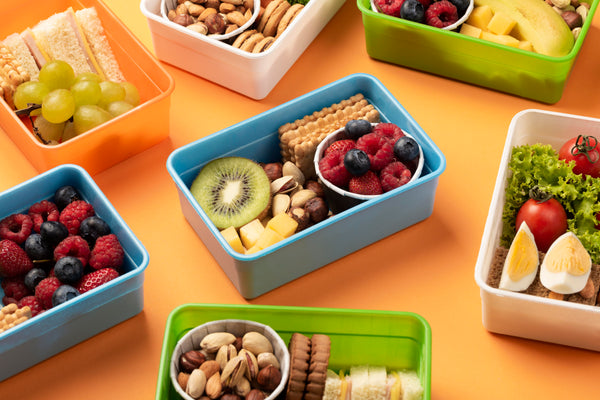
Make Meals Colorful: Kids eat with their eyes first, bright plates are more inviting.
-
Sneak in Veggies: Add spinach to smoothies, grated carrots to sauces, and peppers to omelets.
-
Involve Your Kids: Let them pick a fruit or help assemble lunches, it builds ownership.
-
Regular Routines: Consistent meal and snack times help regulate appetite and energy.
-
Lead by Example: Kids are more likely to choose nutritious foods when they see adults doing the same.
Final Thoughts
Good nutrition for kids isn’t a one-day mission, it’s a lifelong gift. When we focus on balanced meals, nutrient-rich foods, and smart choices, we’re giving our children something that goes far beyond the dinner table: confidence, energy, resilience, and health that lasts.
Here’s your quick takeaway:
✅ Prioritize a variety of nutrient groups
✅ Choose whole foods over processed snacks
✅ Use supplements wisely, not as meals
✅ Make healthy eating fun and family-centered
Your child’s future depends on the choices you make today. Start with nutrient-rich food, consistent routines, and a little bit of creativity and watch them flourish.
FAQs
1. What is nutrition for kids and why is it important?
Nutrition for kids provides the essential building blocks for growth, brain development, immunity, and energy. Proper nutrition ensures children stay healthy, focused, and resilient, supporting both short-term well-being and long-term development.
2. Which nutrition is good for kids?
A balanced diet with protein, healthy fats, vitamins, minerals, and fiber is ideal. Including colorful fruits, vegetables, whole grains, and lean proteins ensures children get the nutrients they need for growth, energy, and immunity.
3. What are the best nutrition foods for kids?
Whole, minimally processed foods like eggs, dairy, lentils, nuts, seeds, vegetables, fruits, and whole grains make the best nutrition food for kids. These foods supply essential vitamins, minerals, and macronutrients needed for healthy development.
4. How can I make sure my child is getting enough vitamins and minerals?
Focus on variety in meals, include colorful fruits and vegetables, dairy, lean proteins, and whole grains. For picky eaters or busy schedules, a high-quality nutrition drink for kids can help fill nutrient gaps.
5. Can kids get all their nutrition from food alone?
While a balanced diet covers most needs, modern diets, growth spurts, and picky eating can create nutrient gaps. Combining wholesome meals with smart supplementation ensures children get consistent nutrition for optimal growth.
6. Are nutrition drinks for kids safe and effective?
A good nutrition drink for kids uses clean, real ingredients, provide essential vitamins and minerals, support growth and immunity, and avoid artificial fillers or sugar.
7. How do I make healthy eating fun for my child?
Use colorful plates, involve kids in meal prep, sneak in vegetables creatively, and maintain consistent meal routines. Making healthy eating enjoyable helps instill lifelong habits while meeting their kids nutrition needs.

Recommended Products
 Kids Superfuel | Creamy Vanilla | Nutrition Mix
₹854 – ₹1,613
Kids Superfuel | Creamy Vanilla | Nutrition Mix
₹854 – ₹1,613
 Kids Superfuel | Milk Chocolate | Nutrition Mix
₹854 – ₹1,613
Kids Superfuel | Milk Chocolate | Nutrition Mix
₹854 – ₹1,613










 DOWNLOAD NOW

