Protein for Kids: Essential Growth Nutrition Guide
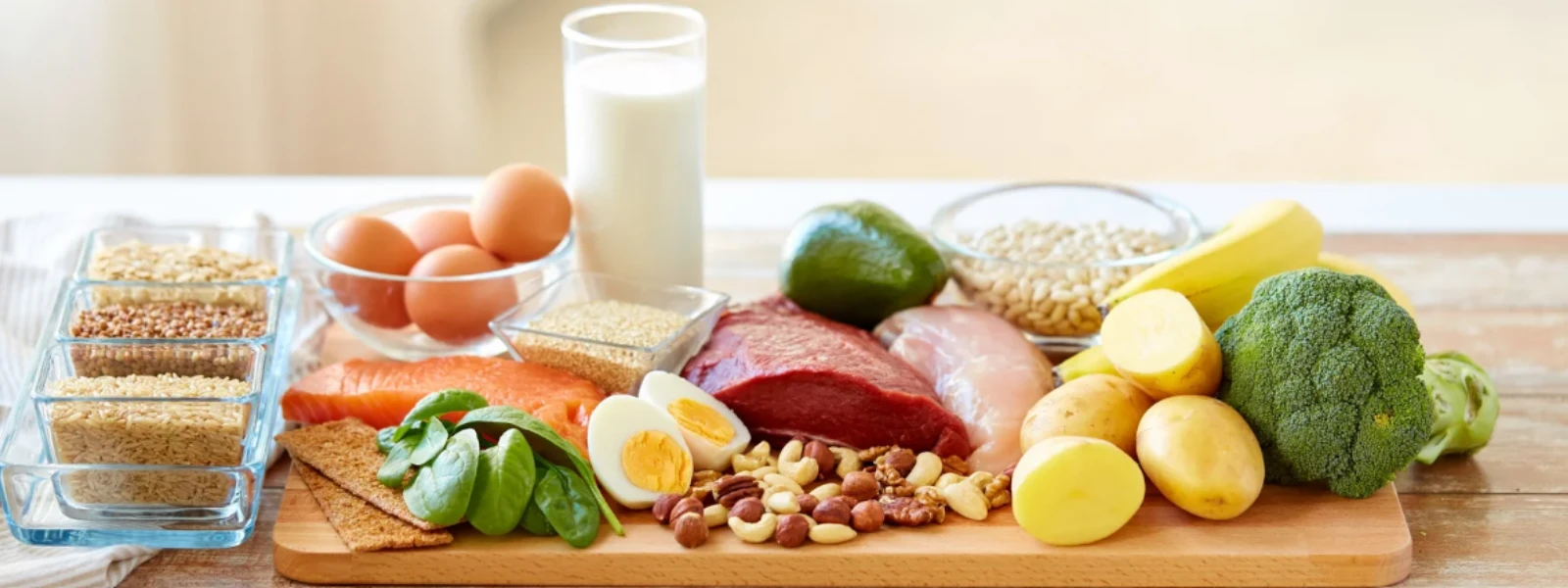


Every parent wants to see their child grow strong and healthy. But with so much conflicting information about nutrition, it's easy to feel overwhelmed about what your child really needs. Protein stands out as one of the most crucial nutrients for growing children, yet many parents struggle to understand how much is enough and which sources are best.
This guide will help you navigate the world of protein for child growth with confidence. You'll discover the science behind why protein matters so much for developing bodies, learn practical ways to meet your child's daily needs, and find answers to common questions that keep parents up at night. By the end, you'll have a clear roadmap for supporting your child's healthy development through smart protein choices.
Think of protein as the construction crew for your child's growing body. Every day, their muscles, bones, organs, and tissues need repair and expansion. Protein for child growth provides the essential amino acids that make this possible.
During childhood, protein serves multiple vital functions. It builds and repairs muscle tissue, which is especially important during growth spurts when children can grow several inches in just a few months. The amino acids in protein also create enzymes and hormones that regulate everything from digestion to sleep cycles.
Your child's immune system relies heavily on protein too. Antibodies that fight off infections are made from protein. This is why children who don't get enough protein often get sick more frequently and take longer to recover.
Brain development is another area where protein and child development intersect. The brain uses amino acids to create neurotransmitters that affect mood, focus, and learning ability. Children who eat adequate protein often show better concentration and memory skills.
Finally, protein serves as a backup energy source when carbohydrates aren't available. Active children burn through energy quickly, and protein helps maintain steady blood sugar levels throughout the day.
The amount of protein your child needs depends on their age, weight, and activity level. Here's what nutrition experts recommend:
Toddlers aged 1-3 need about 13 grams of protein daily. This might seem small, but their stomachs are tiny too. A single egg provides almost half their daily requirement.
Children aged 4-8 should get 15-19 grams per day. At this age, they're more active and growing steadily. Think of this as about 2-3 palm-sized portions of protein foods.
Pre-teens aged 9-13 need around 34 grams daily. Growth spurts often happen during these years, so protein needs jump significantly.
Teenagers require the most protein: 46 grams for girls and 52 grams for boys aged 14-18. Their bodies are going through major changes and building adult muscle mass.
Did You Know?
A child's protein needs per pound of body weight are actually higher than adults. While adults need about 0.8 grams per kilogram of body weight, children need 1.2-2 grams per kilogram depending on their age.
Signs your child is getting enough protein include steady growth, good energy levels, and normal appetite. Warning signs of protein deficiency include frequent illness, slow wound healing, and unusual fatigue.
Not all proteins are created equal. Understanding the difference between complete and incomplete proteins helps you make better choices for your child.
Protein rich foods for children from animal sources contain all nine essential amino acids your child's body can't make on its own. These are considered complete proteins.
Eggs top the list as one of the best protein sources for kids. One large egg provides 6 grams of high-quality protein plus important nutrients like choline for brain development.
Dairy products like milk, yogurt, and cheese are excellent choices. Greek yogurt is especially protein-dense, with about 15 grams per serving. Milk provides not just protein but also calcium for strong bones.
Lean meats including chicken, turkey, and fish offer complete proteins with high bioavailability. This means your child's body can easily use these proteins for growth and repair.
Plant proteins are often incomplete, meaning they lack one or more essential amino acids. However, combining different plant foods throughout the day creates complete protein profiles.
Legumes like beans, lentils, and chickpeas are protein powerhouses. A half-cup of cooked lentils provides about 9 grams of protein plus fiber for digestive health.
Nuts and seeds offer protein along with healthy fats. Peanut butter is a kid favorite that provides about 8 grams of protein per 2-tablespoon serving.
Whole grains like quinoa and oats contribute protein while providing sustained energy. Quinoa is unique among grains because it's a complete protein.
Healthy growth foods don't have to be complicated. Simple combinations can provide all the protein your child needs while appealing to their taste preferences.
Start the day with protein to fuel your child's morning activities. Scrambled eggs with whole grain toast provides complete protein plus complex carbohydrates for sustained energy.
Greek yogurt parfaits with berries and granola offer protein, probiotics, and antioxidants. Add a drizzle of honey for natural sweetness.
Smoothies blend nutrition with convenience. Combine milk or yogurt with fruits and a tablespoon of nut butter for a protein-packed breakfast drink.
Foods for growing children should be both nutritious and appealing. Chicken and vegetable stir-fries provide lean protein plus vitamins from colorful vegetables.
Bean and cheese quesadillas offer plant and animal proteins together. Use whole wheat tortillas for added fiber and nutrients.
Baked salmon with sweet potato delivers omega-3 fatty acids for brain development along with high-quality protein.
Protein-rich snacks help maintain steady energy levels between meals. Cheese sticks with apple slices provide protein, calcium, and fiber.
Hummus with vegetable sticks combines plant protein with fresh vegetables. This combination also provides healthy fats and fiber.
Hard-boiled eggs make convenient portable snacks. Prepare several at once for grab-and-go nutrition.
Every family has unique dietary preferences and requirements. Understanding how to meet protein needs within these constraints ensures all children can thrive.
Vegetarian children can absolutely meet their protein needs with careful planning. The key is combining different plant proteins throughout the day to ensure complete amino acid profiles.
Classic combinations like rice and beans, or peanut butter and whole grain bread, create complete proteins. These combinations don't need to be eaten at the same meal - just within the same day.
Fortified plant milks and cereals can help fill nutritional gaps. Look for products fortified with Vitamin b12, iron, and calcium - nutrients that can be harder to get from plant sources alone.
Some children need extra calories and protein to support healthy weight gain. Focus on nutrient-dense, calorie-rich protein sources rather than empty calories.
Nut butters, avocados, and olive oil add healthy calories to protein foods. A smoothie made with whole milk, banana, and peanut butter provides both protein and healthy weight-gaining calories.
Frequent, smaller meals often work better than forcing large portions. Offer protein-rich snacks between meals to increase overall intake.
Expert Tip
If your child is a picky eater, try involving them in meal preparation. Children are more likely to try foods they've helped prepare, making it easier to introduce new protein sources gradually.
Several misconceptions about protein benefits for children can lead parents astray. Let's separate fact from fiction.
Myth: More protein always equals faster growth. Reality: Children's bodies can only use so much protein for growth. Excess protein gets converted to energy or stored as fat, and too much can strain developing kidneys.
Mistake: Relying heavily on protein supplements instead of whole foods. Truth: Whole foods provide protein along with other essential nutrients for kids like vitamins, minerals, and fiber that supplements often lack.
Error: Assuming all children need the same amount of protein. Solution: Individual needs vary based on age, activity level, and growth patterns. A very active child may need more protein than a sedentary peer.
Misconception: Plant proteins are inferior to animal proteins. Fact: While plant proteins may be incomplete individually, combining different plant sources creates complete protein profiles that support healthy growth.
Kids wellness protein planning doesn't have to be stressful. Simple strategies can help ensure your child gets adequate protein while developing healthy eating habits.
Weekly meal planning saves time and ensures variety. Plan protein sources for each meal and snack, rotating between different options to prevent boredom.
Budget-friendly protein sources include eggs, dried beans, and canned fish. These provide excellent nutrition without breaking the bank.
Involving children in food preparation builds positive relationships with healthy foods. Let them help wash vegetables, mix ingredients, or set the table.
For picky eaters, introduce new proteins gradually alongside familiar favorites. It can take multiple exposures before children accept new foods.
Monitor your child's growth and energy levels as indicators of adequate nutrition. Regular pediatric check-ups help track whether your child is meeting their growth potential.
Yes, protein provides essential amino acids required for protein synthesis, which are necessary for growth, muscle development, and tissue repair. Without adequate protein, children cannot reach their full growth potential.
Lean proteins like chicken, turkey, fish, eggs, and dairy products are excellent choices because they provide complete amino acid profiles. Plant-based options include beans, lentils, and tofu, which can be combined to create complete proteins.
Absolutely. Combining various plant proteins throughout the day ensures complete amino acid intake for healthy growth. Focus on legumes, nuts, seeds, whole grains, and dairy products if your family includes them.
Only consider supplements if recommended by a pediatrician. Whole foods should be the primary protein source for most children, as they provide protein along with other essential nutrients that supplements may lack.
Monitor normal growth patterns, consistent energy levels, and healthy appetite. Children getting adequate protein typically show steady growth, good muscle development, and strong immune function. Consult your pediatrician for professional growth assessments.
Protein plays a fundamental role in your child's growth and development, supporting everything from muscle building to brain function. By understanding age-appropriate protein requirements and incorporating diverse, high-quality protein sources into daily meals, you can confidently support your child's healthy development. Remember that balance is key - focus on whole foods, involve your child in meal planning, and don't hesitate to consult healthcare professionals when you have concerns. With the right approach, meeting your child's protein needs becomes an enjoyable part of building lifelong healthy eating habits that will serve them well into adulthood.




Someone sent you
Powered by ReferRush


