11 Protein Shake Recipes for Muscle Building Success
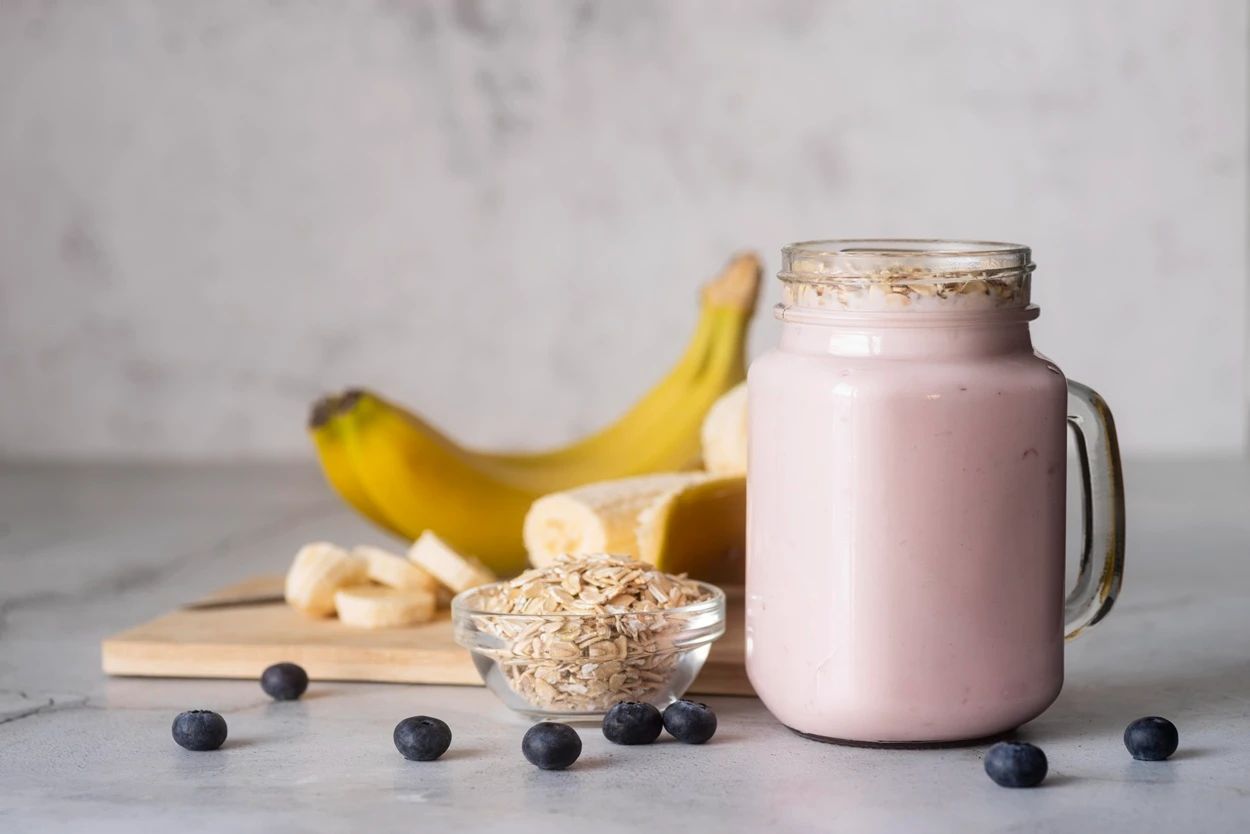


Building muscle isn't just about lifting weights—it's about fueling your body with the right nutrients at the right time. Protein shakes have become the cornerstone of effective muscle-building nutrition, offering a convenient way to deliver high-quality amino acids directly to your muscles when they need it most. Research from the International Society of Sports Nutrition shows that consuming 20-40 grams of protein within the post-workout window can increase muscle protein synthesis by up to 25%.
This comprehensive guide presents 11 scientifically-backed protein shake recipes designed to maximize your muscle-building potential. You'll discover how to optimize protein timing, combine complementary ingredients for enhanced absorption, and customize recipes based on your specific training goals. Whether you're seeking the best protein supplements for lean gains or crafting the perfect post workout shake, these evidence-based formulations will transform your nutrition strategy and accelerate your results.
Muscle protein synthesis operates on a precise biological timeline that responds dramatically to nutrient availability. Studies published in the Journal of Sports Medicine demonstrate that consuming protein within 30-60 minutes post-exercise can elevate muscle protein synthesis rates for up to 48 hours. This metabolic window represents your body's peak opportunity to repair and build new muscle tissue.
The most effective muscle building shakes combine complete proteins with strategic co-factors that enhance absorption and utilization. Leucine, an essential amino acid found in whey protein, serves as the primary trigger for muscle protein synthesis. Research indicates that 2.5-3 grams of leucine per serving optimizes this anabolic response.
Different protein sources offer distinct advantages for muscle building. Whey protein provides rapid absorption and high leucine content, making it ideal for post workout shake applications. Casein delivers sustained amino acid release over 6-8 hours, perfect for overnight muscle recovery. Plant-based options like pea and hemp protein offer complete amino acid profiles while supporting digestive health.
Third-party testing, minimal processing, and transparent labeling distinguish superior protein supplements. Look for products with NSF or Informed Sport certifications, which guarantee purity and potency. Avoid supplements with excessive fillers, artificial sweeteners, or proprietary blends that obscure actual protein content.
Ingredients:
1 scoop vanilla whey protein (25g protein)
1 medium banana
1 cup cold brew coffee
1 tablespoon almond butter
1 teaspoon honey
Ice cubes
This pre-workout formula combines fast-acting carbohydrates with sustained protein release to fuel intense training sessions. The caffeine content enhances focus and performance while banana provides quick energy.
Ingredients:
1 scoop unflavored whey protein (25g protein)
1 cup coconut water
1/2 cup frozen berries
1 tablespoon chia seeds
1 teaspoon beetroot powder
Beetroot powder contains natural nitrates that improve blood flow and oxygen delivery to working muscles, while coconut water provides essential electrolytes for sustained performance.
Ingredients:
1 scoop chocolate protein powder (25g protein)
1 cup oat milk
1 tablespoon cacao powder
1/2 avocado
1 teaspoon maca powder
Ice cubes
Healthy fats from avocado provide sustained energy while maca powder supports natural energy production and hormonal balance.
Ingredients:
1.5 scoops vanilla whey protein (35g protein)
1 cup low-fat milk
1 large banana
2 tablespoons oats
1 tablespoon honey
1/2 teaspoon cinnamon
This post workout shake delivers the optimal 3:1 carbohydrate-to-protein ratio recommended by sports nutritionists for glycogen replenishment and muscle recovery.
Ingredients:
1 scoop vanilla protein powder (25g protein)
1 cup unsweetened almond milk
1/2 cup frozen pineapple
1 teaspoon turmeric powder
1 tablespoon coconut oil
1 inch fresh ginger
Turmeric and ginger provide potent anti-inflammatory compounds that reduce exercise-induced muscle damage and accelerate recovery.
Ingredients:
1 scoop chocolate whey protein (25g protein)
1 cup tart cherry juice
1/2 frozen banana
1 tablespoon almond butter
1 teaspoon creatine monohydrate
Tart cherry juice contains natural compounds that reduce muscle soreness and improve sleep quality, while creatine supports rapid ATP regeneration.
Expert Tip
The combination of fast-digesting whey protein with tart cherry juice creates a synergistic effect that can reduce post-exercise muscle soreness by up to 40% compared to protein alone. This is due to the anthocyanins in tart cherries, which act as natural anti-inflammatory agents.
Ingredients:
1 scoop vanilla casein protein (25g protein)
1 cup unsweetened cashew milk
1/2 cup frozen berries
2 tablespoons ground flaxseed
1 teaspoon vanilla extract
Stevia to taste
This protein shake for weight loss combines slow-digesting casein with fiber-rich ingredients to promote satiety while preserving lean muscle mass during caloric restriction.
Ingredients:
1 scoop unflavored protein powder (25g protein)
1 cup green tea (cooled)
1/2 cucumber
1/2 green apple
1 tablespoon coconut oil
1 teaspoon spirulina powder
Green tea catechins and coconut oil's medium-chain triglycerides work synergistically to enhance fat oxidation while maintaining muscle protein synthesis.
Ingredients:
2 scoops chocolate whey protein (50g protein)
1 cup whole milk
1 large banana
2 tablespoons peanut butter
1/4 cup oats
1 tablespoon honey
1 teaspoon creatine
This high-calorie formula provides over 800 calories and 50 grams of protein for serious muscle building goals.
Ingredients:
1.5 scoops vanilla casein protein (35g protein)
1 cup warm almond milk
1 tablespoon almond butter
1 teaspoon magnesium powder
1/2 teaspoon cinnamon
Pinch of sea salt
Casein's slow-release properties combined with magnesium support overnight muscle recovery and growth hormone production.
Ingredients:
1 scoop vanilla whey protein (25g protein)
1/2 scoop casein protein (12g protein)
1 cup coconut milk
1 tablespoon MCT oil
1 teaspoon L-glutamine powder
1/2 teaspoon Vitamin D3 drops
This dual-protein blend provides both immediate and sustained amino acid delivery while supporting immune function and hormone optimization.
Consuming protein shakes 30-60 minutes before training primes your muscles with available amino acids and can increase workout performance by up to 15%. This timing ensures adequate digestion while maintaining elevated blood amino acid levels throughout your training session.
The traditional "anabolic window" has been refined by recent research. While immediate post-workout nutrition remains beneficial, the window extends to approximately 2 hours post-exercise for most individuals. Consuming 25-40 grams of high-quality protein during this period maximizes muscle protein synthesis.
Spreading protein intake across 4-5 meals throughout the day, with each containing 20-30 grams of protein, optimizes muscle protein synthesis better than consuming large amounts in fewer meals. This approach maintains elevated amino acid levels and supports continuous muscle building.
Research indicates that individuals engaged in resistance training require 1.6-2.2 grams of protein per kilogram of body weight daily for optimal muscle growth. For a 180-pound individual, this translates to approximately 130-180 grams of protein daily, with protein shakes contributing 25-50 grams of this total.
While protein shakes provide excellent nutritional support, they should complement rather than replace whole food meals. Whole foods offer essential micronutrients, fiber, and phytochemicals that isolated protein cannot provide. Use shakes strategically around workouts and as convenient protein sources between meals.
Whey protein absorbs rapidly, elevating blood amino acid levels within 30-60 minutes, making it ideal for post-workout recovery. Casein digests slowly over 6-8 hours, providing sustained amino acid release that's particularly beneficial for overnight muscle recovery and during extended periods without food.
High-quality plant-based proteins can be equally effective for muscle building when consumed in adequate amounts. Plant proteins often require slightly higher intake (1.8-2.4g per kg body weight) due to varying amino acid profiles, but combinations like pea and rice protein provide complete amino acid profiles comparable to whey.
Allow 1-2 hours between consuming a protein shake and eating a substantial meal to ensure optimal digestion and absorption. This timing prevents digestive competition and allows each protein source to be fully utilized for muscle building purposes.
These 11 scientifically-formulated protein shake recipes provide a comprehensive foundation for maximizing your muscle building success. From pre-workout energy catalysts to post-workout recovery elixirs, each recipe is designed to support specific training goals while delivering optimal nutrition timing. The key to success lies in consistency, proper timing, and selecting formulations that align with your individual needs and preferences. Remember that protein shakes are most effective when integrated into a well-rounded nutrition plan that emphasizes whole foods, adequate hydration, and sufficient rest. As you implement these recipes into your routine, monitor your progress and adjust portions based on your training intensity, body composition goals, and overall dietary intake. Your commitment to strategic nutrition will be reflected in enhanced recovery, increased strength gains, and accelerated muscle development.


Someone sent you
Powered by ReferRush


