15 Yeast Protein Benefits: Why It's Your Next Protein Source


Carnival ends in
01d : 08h : 29m : 43s
Buy 2+ eligible products & get the same/lower priced product for FREE
Learn MoreProtein needs can rise when training gets harder, meals become irregular, or a plant-based diet leaves fewer easy options. Yeast protein is gaining interest as a non-dairy protein source with a naturally savoury taste and a useful nutrient profile. It is made from inactive yeast and is not the same as the live yeast used in baking.
This guide explains yeast protein benefits in clear terms. You will learn how it differs from other protein sources, how it may fit into muscle recovery, and how to use nutritional yeast or a yeast protein powder with care.
Yeast protein is sourced from yeast cells, often Saccharomyces cerevisiae or torula yeast. The yeast is grown, then heated or processed so it is inactive. Its protein can be used as a food ingredient or concentrated into a powder.
Nutritional yeast is a whole-food ingredient sold as flakes or powder. It has a cheesy, nutty taste and contains protein, fibre, and some B Vitamins. Some products are fortified with Vitamin B12, while others are not.
Yeast protein is a more concentrated ingredient. It may offer more protein per serving than flakes. The exact protein level, amino acid profile, and added nutrients vary by product, so it is wise to read the label.
Unlike whey, yeast protein is dairy-free. Unlike many single-source plant proteins, it may provide a broad mix of essential amino acids. Still, amino acid levels differ by yeast strain and processing method. It should not be assumed that every yeast protein has the same quality score or digestibility.
For active adults, total daily protein, meal quality, and regular training matter more than one ingredient alone. This is an important point when comparing protein for athletes.
The key yeast protein benefits come from protein itself, plus nutrients that may remain in the finished food. These can include B Vitamins, selenium, zinc, iron, phosphorus, and fibre. The amounts vary widely between nutritional yeast and concentrated supplements.
Protein supplies amino acids, which the body uses to repair and build tissues. Leucine is one amino acid that helps signal muscle protein building after exercise. Yeast protein can contribute leucine and other essential amino acids, but it may be helpful to pair it with varied protein foods across the day.
Some yeast ingredients contain beta-glucans, a type of fibre found in yeast cell walls. Research on yeast beta-glucans is still developing, and results depend on the form and dose used. They are not present in the same amount in every yeast protein powder.
B Vitamins help the body release energy from food. Iron supports normal oxygen transport, while zinc and selenium support normal immune function. These nutrients can be useful in a balanced diet, especially when food variety is limited during busy travel or training weeks.
Helps meet daily protein needs. Yeast protein can add protein to meals and snacks. This can be useful when whole-food protein is not easy to prepare.
Supports muscle repair after exercise. Protein and essential amino acids support normal muscle recovery after training. A balanced post-workout meal remains important.
May support lean mass goals. Adequate protein, strength training, and enough calories work together to maintain lean mass.
Fits dairy-free routines. Yeast protein may suit people who avoid dairy or do not tolerate lactose well.
Can add variety to sports nutrition. Rotating protein sources may make it easier to stay consistent with a nutrition plan.
Provides a broad amino acid mix. Yeast protein contains essential amino acids. Use the product label to check protein amount per serve.
May support fullness. Protein-rich meals can help you feel full for longer. This may support mindful eating within a balanced plan.
Offers a whole-food option. Nutritional yeast can add flavour and nutrients to everyday meals without relying only on shakes.
May include fibre. Whole nutritional yeast has more fibre than a refined protein isolate. Fibre supports normal digestion.
Can be gentle in simple recipes. Many people find a small serving easy to add to meals. Tolerance is personal, so begin slowly.
May contribute B Vitamins. Nutritional yeast can contain several B Vitamins. Check whether Vitamin B12 has been added through fortification.
May add minerals to the diet. Depending on the product, yeast may provide iron, zinc, selenium, or phosphorus.
Works in savoury meals. Its umami taste can lift soups, dals, pasta sauces, and grain bowls.
Supports plant-based meal planning. It can help vegetarians and vegans add more protein to familiar foods.
Has a smaller land-use need in principle. Microbial proteins can be made with less land than many animal proteins. The real impact depends on how each product is made and packed.
These protein benefits are supportive, not curative. Yeast protein cannot replace varied meals, sleep, hydration, or a well-planned training routine.
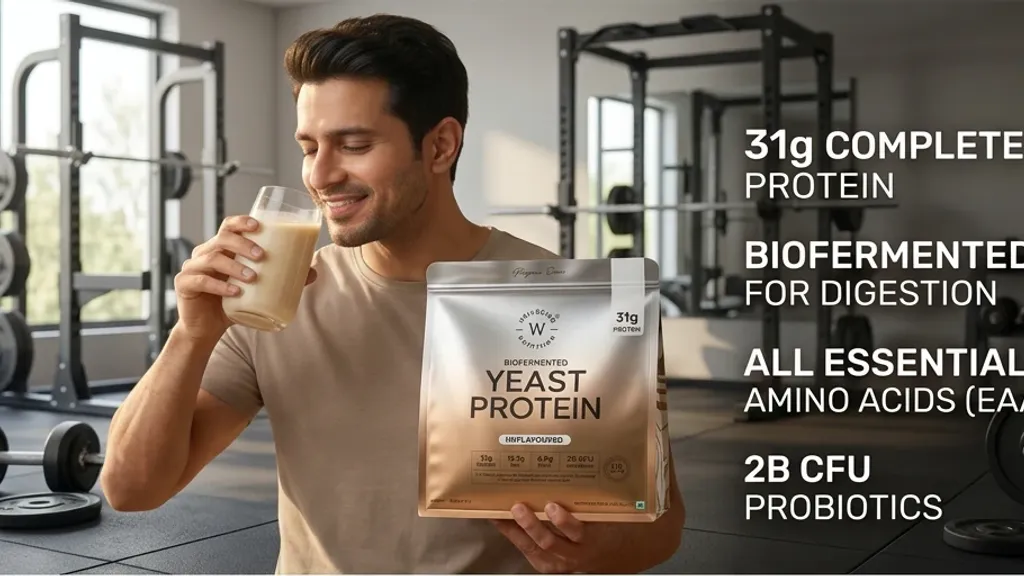
For athletes, recovery begins with enough food overall. Carbohydrates restore fuel stores, while protein provides amino acids for muscle repair. A yeast protein shake or meal can be one practical option after a workout, especially for those who prefer a dairy-free choice.
There is no need to chase a narrow “anabolic window.” Still, having a protein-rich meal within a few hours of training can be practical. Spread protein across meals rather than taking most of it at night. A sports dietitian can help athletes with high training loads set personal protein targets.
Insight Corner: Recovery is bigger than one scoop
A useful protein source should fit your diet, digestion, and routine. For muscle recovery, consistent total protein intake and adequate carbohydrates usually matter more than choosing one “perfect” protein.
Check the protein amount per serving, full ingredient list, allergen statement, and flavour. Also look for clear serving guidance rather than broad performance promises. Superior ingredients, highly absorbable formats, palatable flavors can make a routine easier to maintain, but the label should always guide your choice.
Nutritional yeast is best when you want a savoury topping and a modest protein boost. Stir it into soups, oats, scrambled eggs, tofu, dips, pasta, or popcorn. It is useful for everyday nutrition, but a tablespoon is not the same as a full protein serving.
A protein powder may suit active people who track protein intake or need a quick option after a gym session. Blend it into a smoothie with fruit and oats, or use it in a high-protein snack. If you want to combine products, keep the plan simple and avoid taking several new supplements at once.
People with a yeast allergy should avoid yeast-derived products. Yeast foods can also contain purines, so people who have been advised to manage purine intake should speak with a healthcare professional first. Some yeast products may contain tyramine and may not suit people using monoamine oxidase inhibitor medicines. If you are pregnant, breastfeeding, managing a health condition, or buying for a child, seek personalised advice before using a new supplement.
Product formats vary more than labels may suggest. This comparison can help you choose based on your routine. Check the current pack for exact ingredients, nutrition values, fortification, and allergen details.
Product format |
Product type |
Key ingredients |
Potential wellness benefits |
Best suited health goal |
|---|---|---|---|---|
Fortified nutritional yeast flakes |
Whole-food topping |
Inactive yeast, often added Vitamin B12 |
Flavour, modest protein, B Vitamin intake |
Everyday plant-based meals |
Unfortified nutritional yeast powder |
Whole-food powder |
Inactive yeast |
Protein, fibre, savoury taste |
Cooking and food-first nutrition |
Yeast protein isolate |
Protein powder |
Concentrated yeast protein |
Convenient protein intake |
Post-workout meals and busy days |
Yeast protein blend |
Protein powder |
Yeast protein with other plant proteins |
Broader amino acid mix |
Regular fitness routines |
Yeast beta-glucan supplement |
Capsule or powder |
Yeast cell-wall beta-glucans |
Supports normal immune function |
Targeted nutrient use, with professional guidance |
Yeast protein can help athletes meet protein needs for muscle recovery. It is also a dairy-free option that may fit plant-based eating patterns. Results depend on total diet, training, rest, and the product’s amino acid content.
No. Nutritional yeast is a whole-food ingredient with modest protein per serving. Yeast protein is usually a concentrated powder designed to provide more protein per serving.
It can be an alternative for people who avoid dairy or want more protein variety. Whey and yeast protein differ in amino acid levels and digestion. Compare labels and choose the option that suits your needs and tolerance.
No. Vitamin B12 is often added to fortified nutritional yeast, but it is not naturally present in every product in meaningful amounts. Always check the nutrition panel.
Most healthy adults tolerate it in normal food amounts. Gas or stomach discomfort can occur if you have a large amount at once. Avoid it if you have a yeast allergy, and seek professional advice if you take regular medicines or manage a medical condition.
Yeast protein offers a practical mix of protein, savoury flavour, and nutrients that can support active lifestyles. Its key strengths are its dairy-free format, ease of use, and place in plant-based meal planning. Nutritional yeast is helpful for food-first meals, while concentrated yeast protein may suit people focused on protein for athletes and muscle recovery. Wellbeing Nutrition continues to explore science-backed nutrition choices that fit real routines, from busy workdays to consistent training plans.



