9 Easy Vegan Protein Sources for Daily Nutrition
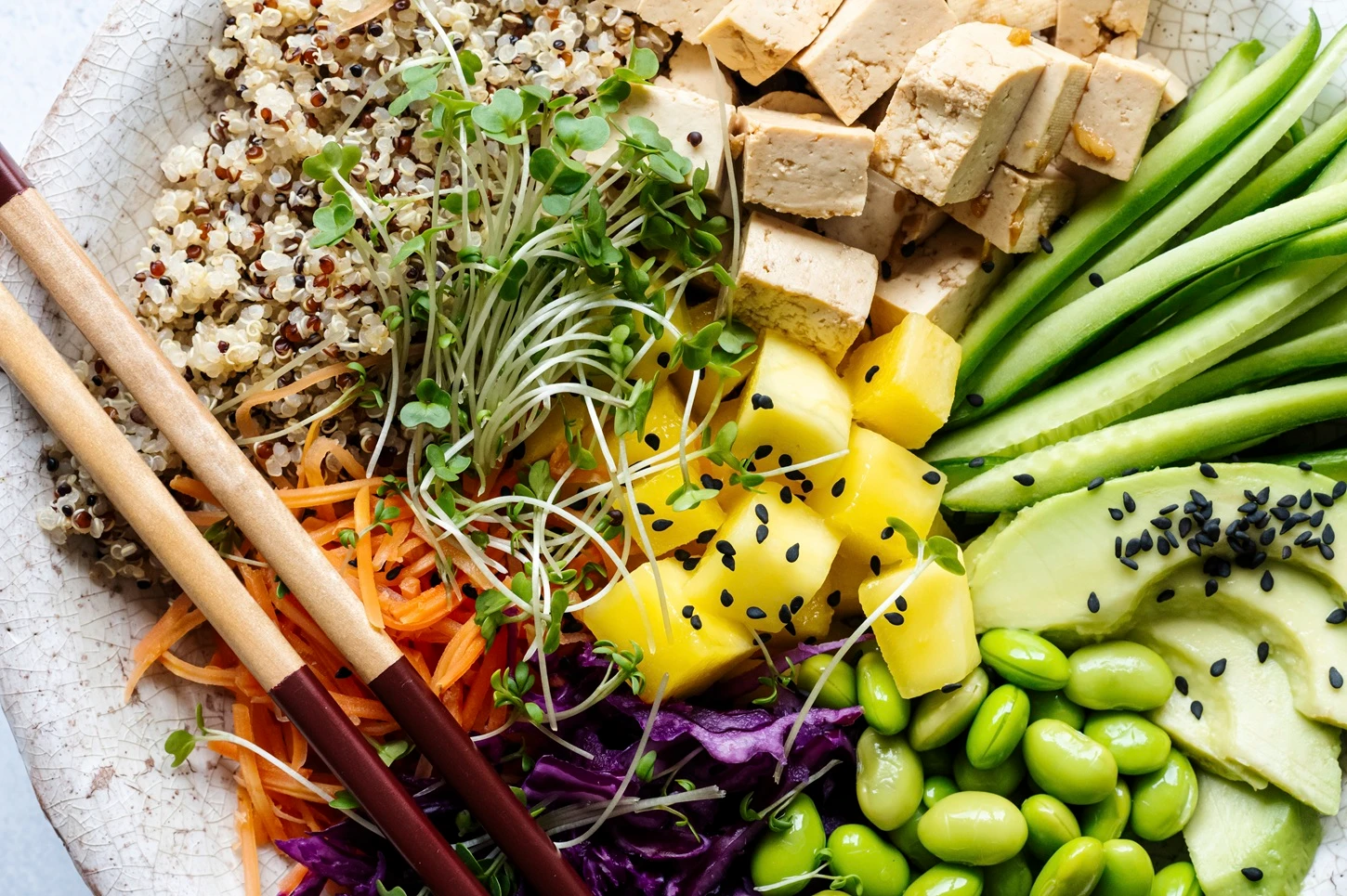


Athletes and fitness enthusiasts are increasingly discovering that plant-based nutrition can fuel peak performance just as effectively as traditional animal proteins. With the global plant protein market experiencing significant growth, the shift toward vegan protein sources represents more than a trend—it's a scientifically-backed approach to optimal nutrition. This comprehensive guide explores nine accessible, high-quality plant protein options that deliver complete amino acid profiles while supporting muscle development, recovery, and overall athletic performance. Whether you're a seasoned vegan athlete or exploring plant-based nutrition for the first time, you'll discover practical strategies to meet your daily protein requirements through diverse, nutrient-dense sources that enhance both performance and long-term health outcomes.
Plant proteins have evolved significantly in nutritional science, with research demonstrating that strategic combinations create complete amino acid profiles rivaling animal sources. Unlike the outdated belief that plant proteins are inherently inferior, modern studies show that varied plant protein intake throughout the day provides all essential amino acids necessary for muscle protein synthesis and recovery.
Digestible plant protein sources offer absorption rates between 85-95% when properly prepared, with sprouting, soaking, and cooking methods enhancing bioavailability. The protein digestibility-corrected amino acid score (PDCAAS) for many plant proteins now approaches that of whey protein when consumed in appropriate combinations.
Research indicates that plant-based athletes require 1.4-2.0 grams of protein per kilogram of body weight, slightly higher than omnivorous athletes due to varying digestibility rates. Endurance athletes typically need 1.2-1.6g/kg, while strength athletes benefit from 1.6-2.2g/kg of high-quality plant protein daily.
Optimal protein for athletes involves consuming 20-30 grams of plant protein within 30 minutes post-workout, with additional servings spaced every 3-4 hours throughout the day to maintain positive nitrogen balance and support continuous muscle protein synthesis.
Quinoa delivers 8 grams of complete protein per cooked cup, containing all nine essential amino acids in optimal ratios. This ancient grain provides 4.4 grams of fiber and significant amounts of iron, magnesium, and folate, making it an ideal base for plant protein smoothie recipes or post-workout meals.
Three tablespoons of hemp hearts provide 10 grams of easily digestible protein with a perfect 3:1 omega-6 to omega-3 ratio. Hemp protein supports muscle recovery while delivering gamma-linolenic acid (GLA), an anti-inflammatory compound particularly beneficial for high-intensity training recovery.
One cup of cooked lentils contains 18 grams of protein alongside 15 grams of fiber and substantial folate content. Red, green, and black lentil varieties offer slightly different amino acid profiles, making rotation beneficial for comprehensive nutrition and sustained energy release.
This blue-green algae provides 8 grams of protein per two tablespoons, with a protein content of 60-70% by weight. Spirulina contains all essential amino acids and delivers unique phycocyanin compounds that support exercise recovery and immune function.
A 3-ounce serving of tempeh provides 16 grams of complete protein with enhanced digestibility due to fermentation. The fermentation process increases B-vitamin content, particularly Vitamin B12, while creating beneficial probiotics that support gut health and nutrient absorption.
Two tablespoons of chia seeds deliver 5 grams of protein along with 10 grams of fiber and substantial omega-3 fatty acids. When soaked, chia seeds create a gel-like consistency perfect for plant protein smoothie bases while providing sustained energy release.
Quarter-cup of nutritional yeast contains 8 grams of complete protein plus a full spectrum of B-vitamins, including naturally occurring Vitamin B12 in fortified varieties. This deactivated yeast adds umami flavor while supporting energy metabolism and nervous system function.
One ounce of pumpkin seeds provides 9 grams of protein along with significant zinc, magnesium, and iron content. These minerals support testosterone production, muscle function, and oxygen transport—critical factors for athletic performance and recovery.
High-quality plant based protein powder blends typically provide 20-25 grams of complete protein per serving, combining pea, rice, hemp, and other plant proteins to optimize amino acid profiles. Look for products with superior ingredients, highly absorbable formats, palatable flavors and third-party testing with minimal additives and organic certifications.
Recent studies demonstrate that plant protein for muscle gain produces comparable results to animal proteins when total daily intake meets requirements. The leucine content in plant protein combinations triggers muscle protein synthesis effectively, particularly when consumed with adequate total calories and carbohydrates.
Plant proteins provide additional phytonutrients, antioxidants, and anti-inflammatory compounds that support faster recovery between training sessions. These bioactive compounds help reduce exercise-induced oxidative stress while promoting tissue repair and adaptation.
Pro Tip: Combining vitamin C-rich foods like berries or citrus with iron-rich plant proteins significantly enhances iron absorption, supporting oxygen transport and energy production for athletic performance.
An effective plant protein smoothie combines 20-30 grams of protein powder with nutrient-dense whole foods like spinach, berries, banana, and plant milk. Adding healthy fats from nuts, seeds, or avocado enhances satiety and supports fat-soluble vitamin absorption.
Popular combinations include chocolate protein with banana and almond butter, vanilla with berries and coconut, or green blends with spinach, pineapple, and ginger. Preparing ingredients in advance and freezing portions ensures quick, consistent nutrition for busy training schedules.
Pairing complementary proteins like rice with beans or hummus with whole grain pita creates complete amino acid profiles. These traditional combinations have sustained populations for centuries and provide scientifically-validated nutritional synergy.
Fermentation, sprouting, and proper cooking methods increase protein digestibility by 15-25%. Soaking nuts and seeds overnight, using pressure cooking for legumes, and choosing fermented options like tempeh optimize nutrient absorption.
Yes, plant proteins can fully support serious athletic performance when consumed in adequate quantities with proper variety. Research shows that plant-based athletes achieve similar strength, endurance, and muscle-building results as omnivorous athletes when meeting total protein requirements of 1.4-2.2 grams per kilogram body weight daily.
Consume a variety of plant protein sources throughout the day rather than worrying about combining proteins in single meals. Quinoa, hemp seeds, spirulina, and quality plant protein powders provide complete amino acid profiles, while combinations of legumes, grains, nuts, and seeds naturally complement each other over 24-hour periods.
The optimal timing depends on your goals: consume 30-60 minutes post-workout for recovery, as a meal replacement when balanced with healthy fats and carbohydrates, or between meals to maintain steady protein intake. Post-workout timing maximizes muscle protein synthesis and glycogen replenishment.
High-quality plant protein powders offer convenience and concentrated nutrition that complements whole food sources effectively. While whole foods provide additional fiber, vitamins, and phytonutrients, protein powders ensure consistent amino acid intake and are particularly valuable for meeting increased athletic protein requirements.
Aim for 20-30 grams of plant protein per meal to optimize muscle protein synthesis, with total daily intake distributed across 4-6 eating occasions. This approach maintains positive nitrogen balance and supports continuous muscle building and recovery processes throughout the day.
Plant protein sources offer athletes and health-conscious individuals a scientifically-supported pathway to optimal nutrition without compromising performance or muscle development. These nine accessible options—from complete proteins like quinoa and hemp seeds to convenient plant-based powders—provide the foundation for sustainable, high-performance nutrition. The key lies in variety, proper preparation, and strategic timing to maximize absorption and effectiveness. As research continues to validate the performance benefits of plant-based nutrition, incorporating these diverse protein sources supports not only immediate athletic goals but long-term health and environmental sustainability. Explore our comprehensive nutrition resources to discover how plant-based eating can enhance your performance journey and overall well-being.




Someone sent you
Powered by ReferRush


