Essential Checklist: Creatine & Protein for Gains
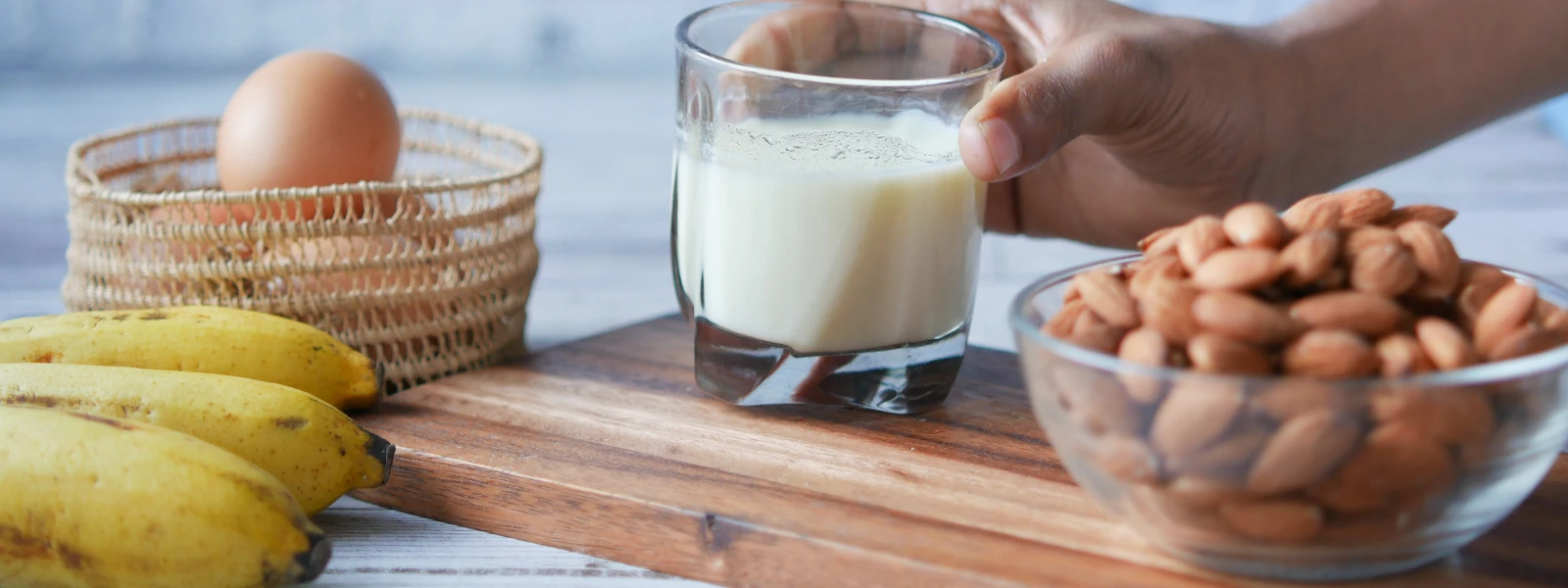


Building muscle and improving strength requires more than just hitting the gym consistently. The right combination of creatine and protein can significantly amplify your results, helping you achieve gains faster and more effectively. While both supplements are powerhouses on their own, understanding how to use them together creates a synergistic effect that maximizes muscle growth, enhances workout recovery, and boosts overall performance.
This comprehensive guide will walk you through everything you need to know about combining these two essential muscle growth supplements. You'll discover the science behind their complementary functions, learn optimal dosing strategies, and understand how to safely integrate them into your fitness routine for maximum benefits.
The combination of creatine and protein works because each supplement targets different aspects of muscle development and performance. Understanding their unique mechanisms helps explain why they're more effective together than apart.
Protein serves as the fundamental building block for muscle tissue. When you consume protein, your body breaks it down into amino acids, which are then used to repair and rebuild muscle fibers damaged during exercise. This process, called muscle protein synthesis, is essential for muscle building and recovery.
Creatine, on the other hand, focuses on energy production. It helps regenerate adenosine triphosphate (ATP), your muscles' primary energy currency during high-intensity activities. This enhanced energy availability allows you to train harder, lift heavier weights, and perform more repetitions.
Research published in sports nutrition journals shows that combining these supplements can increase lean muscle mass by up to 15% more than using either supplement alone. The enhanced energy from creatine allows for more intense training sessions, while protein provides the raw materials needed for muscle repair and growth.
When used together, creatine and protein create a positive feedback loop. Creatine improves your training capacity, leading to greater muscle damage (in a good way) that requires more protein for repair. Meanwhile, adequate protein intake supports the cellular processes that help your muscles utilize creatine more effectively.
Studies indicate that this combination also enhances the anabolic hormone response to exercise. The improved training stimulus from creatine, combined with optimal amino acid availability from protein, creates an ideal environment for muscle growth and strength training adaptations.
While both supplements support muscle development, they work through distinctly different pathways. Recognizing these differences helps you optimize their use for your specific goals.
Creatine benefits extend far beyond simple muscle building. This naturally occurring compound primarily enhances your ability to perform high-intensity, short-duration activities. During explosive movements like sprinting, jumping, or heavy lifting, creatine helps maintain peak power output for longer periods.
The supplement also reduces exercise-induced muscle damage and inflammation, leading to faster recovery between training sessions. This means you can train more frequently and with greater intensity, accelerating your progress toward strength and muscle goals.
Additionally, creatine may increase satellite cell number and myonuclei number in skeletal muscle fibers, contributing to long-term muscle growth potential. These cellular adaptations provide a foundation for sustained muscle development over time.
Various protein sources provide the amino acids necessary for muscle protein synthesis. Complete proteins contain all nine essential amino acids your body cannot produce on its own. These amino acids serve as the literal building blocks for new muscle tissue.
Beyond muscle building, protein supports immune function, hormone production, and enzyme synthesis. During periods of intense training, protein requirements increase significantly to support recovery and adaptation processes.
Different protein sources offer varying absorption rates and amino acid profiles. Fast-digesting proteins like whey are ideal for post workout recovery, while slower-digesting options like casein provide sustained amino acid release throughout the day.
Did You Know?
Your muscles can only utilize about 20-30 grams of protein per meal for muscle protein synthesis. Consuming more than this amount doesn't necessarily lead to greater muscle building benefits, making timing and distribution crucial for optimal results.
Getting the dosing and timing right is crucial for maximizing the benefits of both supplements. The research provides clear guidelines for optimal protocols that enhance strength training results.
For creatine dosage, the most effective approach is 3-5 grams of creatine monohydrate daily. This maintenance dose provides optimal muscle saturation without unnecessary excess. Some people choose to start with a loading phase of 20 grams daily for 5-7 days, but this isn't essential for long-term benefits.
Protein requirements vary based on body weight and training intensity. For active individuals engaged in regular strength training, aim for 1.6-2.2 grams per kilogram of body weight daily. This translates to roughly 20-30 grams per serving, distributed across multiple meals throughout the day.
Timing plays a significant role in supplement effectiveness. For creatine, consistency matters more than specific timing. Taking it daily maintains muscle creatine stores, regardless of when you consume it relative to your workout.
Protein timing, however, offers more strategic opportunities. The post workout window (within 2 hours after exercise) is particularly important for muscle protein synthesis. During this period, your muscles are primed to utilize amino acids for repair and growth.
Consider splitting your daily protein intake across 4-5 meals, with each containing 20-30 grams. This approach maintains elevated amino acid levels throughout the day, supporting continuous muscle protein synthesis.
Combining supplements safely requires understanding potential interactions and following proper mixing guidelines. Fortunately, creatine and protein work well together with minimal risk of adverse effects.
You can safely mix creatine with protein powder in the same shake. Use unflavored creatine monohydrate to avoid conflicting tastes with your preferred protein flavor. Mix 3-5 grams of creatine with one serving of protein powder in 8-12 ounces of liquid.
For optimal dissolution, add creatine to room temperature or slightly warm liquid first, then add your protein powder. Cold liquids can make creatine more difficult to dissolve completely, potentially leading to a gritty texture.
Adding a small amount of carbohydrates to your creatine and protein mixture can enhance absorption of both supplements. The insulin response from carbohydrates helps shuttle creatine into muscle cells more effectively while also supporting protein uptake.
Simple carbohydrates like dextrose or maltodextrin work well for this purpose. Adding 15-20 grams of fast-digesting carbs to your post workout shake optimizes the anabolic environment for muscle growth and recovery.
Both creatine and protein are generally safe for healthy individuals when used as directed. However, staying properly hydrated is essential, especially when using creatine, as it draws water into muscle cells.
Start with lower doses if you're new to supplementation, gradually increasing to recommended levels. This approach helps your digestive system adapt and reduces the likelihood of any gastrointestinal discomfort.
If you're new to sports nutrition supplementation, starting with the basics ensures you build a solid foundation for long-term success. The combination of creatine and protein offers an excellent entry point into performance supplementation.
Start with high-quality, basic forms of each supplement. Creatine monohydrate remains the gold standard due to extensive research supporting its effectiveness and safety. For protein, whey protein isolate or concentrate provides excellent amino acid profiles with good digestibility.
Begin with standard dosing protocols rather than aggressive approaches. Take 3 grams of creatine daily and aim for 20-25 grams of protein per serving. This conservative start allows you to assess your body's response while still gaining benefits.
Track your training performance, recovery, and any side effects during your first month of supplementation. Most people notice improved workout recovery within 1-2 weeks, with strength gains becoming apparent after 3-4 weeks of consistent use.
Keep a simple log noting your energy levels, training performance, and how you feel overall. This information helps you determine if adjustments to timing or dosing might be beneficial.
Experienced athletes and serious fitness enthusiasts can explore more sophisticated approaches to creatine and protein supplementation. These advanced strategies can help break through plateaus and optimize performance.
While creatine doesn't require cycling, some athletes prefer to periodize their supplementation around training phases. During high-intensity training blocks, maintaining consistent creatine use supports peak performance. During deload weeks, some choose to reduce or eliminate creatine temporarily.
Protein requirements may vary based on training phase as well. During muscle-building phases, slightly higher protein intake (up to 2.5 grams per kilogram of body weight) may provide additional benefits. During maintenance phases, standard recommendations suffice.
Athletes preparing for competitions should be aware that creatine can cause temporary water retention. While this doesn't affect performance negatively, it may influence weight class considerations or aesthetic goals.
Plan your supplementation strategy well in advance of competitions, allowing time to assess how your body responds to different protocols. Consistency in supplementation leading up to competition typically produces the best results.
Yes, you can safely combine creatine and protein powder in the same shake. This combination is not only safe but can be convenient for post-workout nutrition. Mix 3-5 grams of creatine monohydrate with your regular protein serving for optimal results.
Both approaches work effectively. Taking them together is convenient and doesn't reduce the effectiveness of either supplement. However, if you prefer, you can take creatine at any consistent time daily while timing protein around your workouts and meals.
Most people notice improved workout performance and recovery within 1-2 weeks of consistent use. Visible muscle growth typically becomes apparent after 4-6 weeks when combined with proper training and nutrition. Strength gains often occur within the first month.
Loading is not necessary but can speed up initial results. A loading phase of 20 grams daily for 5-7 days can saturate muscle creatine stores faster, but taking 3-5 grams daily will achieve the same saturation within 3-4 weeks.
Both supplements are generally well-tolerated when used as directed. Some people may experience mild digestive discomfort initially, which usually resolves as the body adapts. Staying well-hydrated is important, especially when using creatine.
The strategic combination of creatine and protein creates a powerful foundation for muscle growth, strength development, and workout recovery. By understanding how these supplements work together, following proper dosing guidelines, and maintaining consistency in your approach, you can maximize your training results and achieve your fitness goals more effectively. Remember that supplements work best when combined with a well-structured training program and balanced nutrition plan. Whether you're a beginner starting your fitness journey or an experienced athlete looking to optimize performance, this evidence-based approach to creatine and protein supplementation can help take your results to the next level.




Someone sent you
Powered by ReferRush


