How to Calculate Your Daily Protein Intake
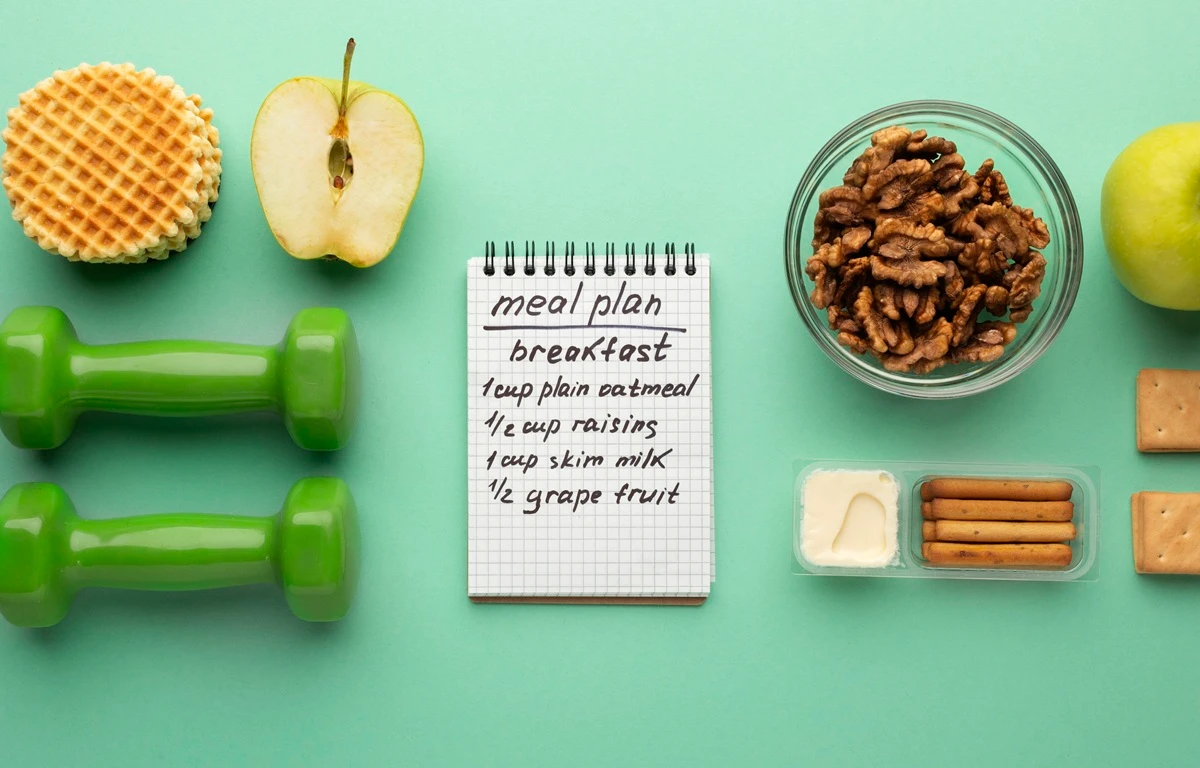


Ever wondered if you're eating enough protein to fuel your workouts and recover properly? Getting your daily protein intake right isn't just about hitting the gym harder—it's about giving your body the building blocks it needs to perform at its best. Whether you're crushing your morning run or pushing through an intense training session, protein plays a crucial role in muscle recovery and overall health.
Understanding how much protein you need each day can feel overwhelming with all the conflicting information out there. But here's the good news: calculating your daily protein requirement doesn't have to be complicated. This guide will walk you through a simple, science-backed approach to determine your individual protein needs based on your lifestyle, goals, and activity level.
Your daily protein requirement isn't a one-size-fits-all number. The amount of protein needed per day varies significantly based on several factors. For sedentary adults, the basic recommendation is about 0.8 grams per kilogram of body weight. However, if you're active or have specific fitness goals, your needs increase considerably.
Active individuals typically need between 1.2 to 2.0 grams of protein per kilogram of body weight. Athletes engaged in intense training may require even more, sometimes reaching up to 2.5 grams per kilogram. These higher amounts support the increased demands of muscle recovery protein synthesis that comes with regular exercise.
Protein serves as the foundation for muscle repair and growth. When you exercise, especially during strength training, you create microscopic tears in your muscle fibers. Your body uses amino acids from protein to repair these tears, making the muscles stronger and larger in the process.
This process, called muscle protein synthesis, continues for up to 48 hours after your workout. That's why consistent daily protein intake matters more than just loading up on protein immediately after exercise. Your muscles need a steady supply of amino acids throughout the day to optimize recovery and growth.
Beyond muscle building, adequate protein intake supports numerous bodily functions. It helps maintain a healthy immune system, produces important enzymes and hormones, and can even help with weight management by increasing satiety. For active individuals, proper protein consumption can improve exercise performance and reduce fatigue.
Protein also plays a vital role in maintaining bone health, especially important as we age. Research shows that adequate protein intake, combined with regular exercise, helps preserve bone density and reduces the risk of fractures.
Your total body weight serves as the starting point for calculating protein needs, but body composition matters too. People with more muscle mass typically require higher protein intake to maintain their lean muscle protein stores. If you're carrying extra body fat, you might calculate your protein needs based on your target weight rather than current weight.
Lean body mass is particularly important because muscle tissue is metabolically active and requires more protein for maintenance compared to fat tissue. This is why athletes and fitness enthusiasts often have higher protein requirements than the general population.
The type and intensity of your workouts significantly influence your daily protein requirement. Endurance athletes like marathon runners need protein primarily for muscle repair and energy metabolism. Strength athletes and bodybuilders require higher amounts to support muscle growth and recovery.
Even recreational gym-goers benefit from increased protein intake. If you're hitting the weights twice a week or enjoying regular yoga classes, your protein needs are higher than someone with a completely sedentary lifestyle.
As we age, our bodies become less efficient at using protein, a condition called anabolic resistance. This means older adults often need more protein to maintain muscle mass. Men typically require slightly more total protein than women due to generally higher muscle mass, but when calculated per kilogram of body weight, the requirements are quite similar.
Your specific goals dramatically impact your protein to build muscle requirements. If you're trying to lose weight, higher protein intake helps preserve muscle mass during calorie restriction. For muscle gain, you'll need adequate protein combined with a slight calorie surplus. Those focused on maintenance can stick to moderate protein levels that support their current activity level.
Start by converting your weight to kilograms if you typically measure in pounds. Simply divide your weight in pounds by 2.2 to get kilograms. For example, if you weigh 70 kilograms, this becomes your baseline for calculations.
Honestly evaluate your weekly activity. Are you exercising 3-4 times per week? Are your workouts primarily cardio or strength-focused? Do you have specific goals like building muscle or losing fat? Your answers will determine which multiplier to use in the next step.
If you exercise less than twice per week, multiply your body weight in kilograms by 0.8-1.0. This covers your basic physiological needs without accounting for increased activity demands.
Active individuals exercising 3-5 times per week should multiply their body weight by 1.2-1.6. This range supports muscle recovery protein needs and maintains performance levels.
Serious athletes training daily or multiple times per day need 1.6-2.5 grams per kilogram. The higher end applies to strength athletes focused on building significant muscle mass.
Fine-tune your calculation based on your primary goal. For muscle gain, aim for the higher end of your range. For weight loss, maintain adequate protein to preserve muscle mass during calorie restriction. For maintenance, the middle of your range typically works well.
While total daily protein intake matters most, timing can provide additional benefits. Consuming protein within two hours after exercise can enhance muscle recovery, though this "anabolic window" is more flexible than previously thought. Your body continues to benefit from protein intake for many hours post-workout.
Pre-workout protein can also be beneficial, especially if you're training early in the morning or several hours after your last meal. A small amount of easily digestible protein can provide amino acids during your workout.
Spreading your daily protein requirement across multiple meals helps optimize muscle protein synthesis. Aim for 20-30 grams of protein per meal, depending on your total daily needs. This approach is more effective than consuming most of your protein in one large meal.
For optimal results, include protein in each main meal and consider a protein-rich snack if needed to meet your daily goals. This steady supply keeps your muscles well-fueled throughout the day.
The timing of protein around your workouts can support performance and recovery. A light protein source 30-60 minutes before exercise provides amino acids during training. Post-workout protein helps kickstart the muscle recovery process, especially when combined with carbohydrates.
Pro Tip: Quality Matters
The quality of your protein sources is just as important as the quantity. Opt for lean, complete protein sources to maximize the beneficial effects on muscle recovery and overall health.
Animal proteins provide complete amino acid profiles, making them excellent choices for meeting your daily protein intake goals. Lean meats, fish, eggs, and dairy products offer high-quality protein with good digestibility. Chicken breast, salmon, Greek yogurt, and eggs are particularly popular among fitness enthusiasts.
These protein sources for athletes also provide additional nutrients like iron, zinc, and Vitamin b12 that support overall health and performance. Fish adds beneficial omega-3 fatty acids that can help reduce exercise-induced inflammation.
Plant proteins can effectively meet your protein needs when consumed in variety. Legumes, quinoa, nuts, seeds, and plant-based protein sources work together to provide all essential amino acids. Combining different plant proteins throughout the day ensures a complete amino acid profile.
Popular options include lentils, chickpeas, hemp seeds, and quinoa. These foods also provide fiber, vitamins, and minerals that support overall health and digestive function.
Supplements can be a convenient way to meet your daily protein requirement, especially for busy lifestyles or immediately after workouts. When choosing protein supplements, look for options with superior ingredients, highly absorbable formats, and palatable flavors to ensure consistent use and maximum benefit.
Whey protein is particularly popular due to its rapid absorption and complete amino acid profile. Plant-based protein powders offer alternatives for those avoiding dairy. However, supplements should complement, not replace, whole food protein sources in your diet.
More isn't always better when it comes to protein. Consuming excessive amounts beyond your calculated needs doesn't provide additional muscle-building benefits. Your body can only use a certain amount of protein for muscle synthesis, with excess potentially being converted to energy or stored as fat.
Stick to your calculated range based on your activity level and goals. If you're consistently consuming double the recommended amount, you might be wasting money and missing out on other important nutrients.
Focusing solely on protein while ignoring carbohydrates, fats, vitamins, and minerals can hurt your performance and recovery. Carbohydrates fuel your workouts, fats support hormone production, and micronutrients enable countless bodily functions. A balanced approach works best for long-term success.
While supplements can be helpful, whole foods should form the foundation of your nutrition plan. Real foods provide protein along with other beneficial compounds like fiber, vitamins, and minerals. Use supplements strategically to fill gaps, not as your primary protein source.
While protein is essential, excessive intake may not provide additional benefits and could strain your kidneys. Stick to the recommended amounts based on your individual needs and consult a healthcare professional if you have concerns.
Adequate protein intake can support weight loss by promoting satiety, preserving lean muscle mass during calorie restriction, and slightly increasing metabolism. However, it's important to maintain a balanced diet and calorie deficit for effective weight loss.
While the calculation method remains the same, vegetarians and vegans may need to pay extra attention to consuming a variety of plant-based protein sources to ensure they're getting all essential amino acids.
As we age, our bodies may become less efficient at processing protein, potentially increasing our needs. Older adults may benefit from slightly higher protein intake to maintain muscle mass and overall health.
Conclusion
Calculating your daily protein intake is a crucial step in optimizing your diet for performance, recovery, and overall health. By understanding your individual needs based on factors like body weight, activity level, and goals, you can ensure you're consuming the right amount of protein to support your lifestyle. Remember to focus on quality protein sources and distribute your intake throughout the day for maximum benefits. With this knowledge, you're now equipped to make informed decisions about your protein consumption and take your nutrition to the next level.




Someone sent you
Powered by ReferRush


