How to Choose the Best Vegan Protein Options for Your Needs
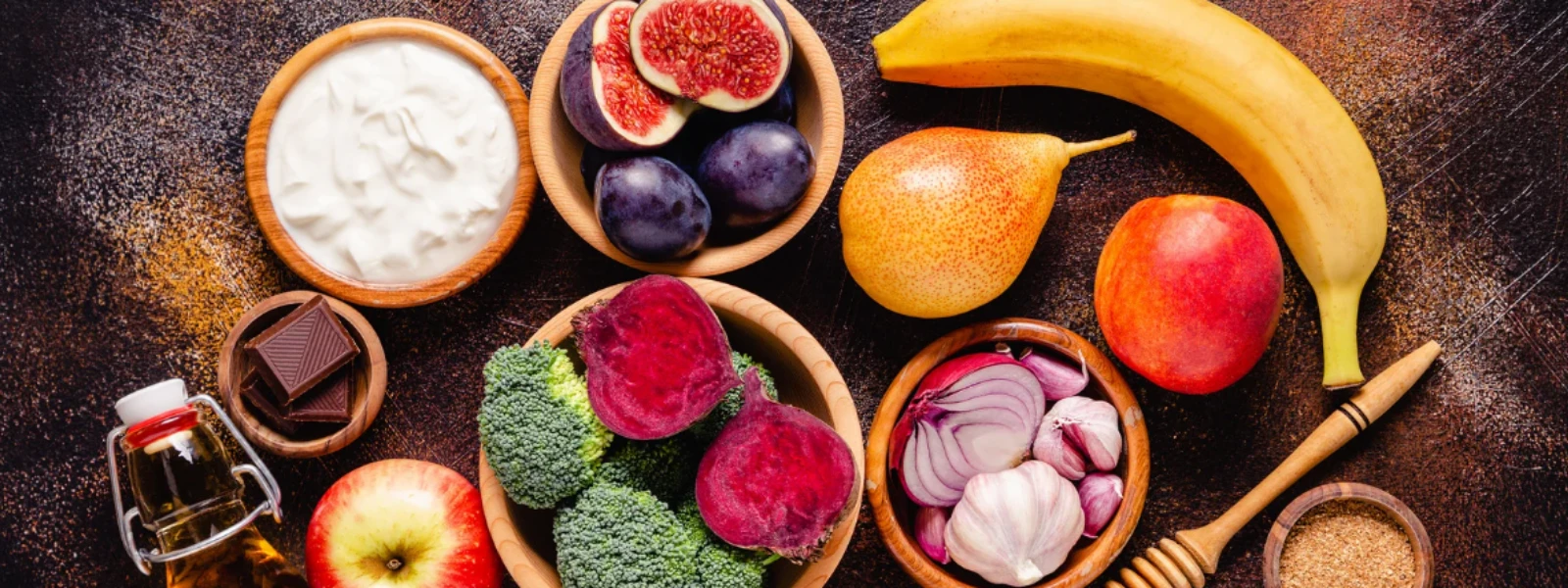


The shift toward plant-based living has revolutionized how we think about nutrition and athletic performance. Once considered challenging for athletes, vegan protein options have evolved into sophisticated nutritional powerhouses that can support any fitness goal. Whether you're a weekend warrior or a competitive athlete, understanding how to navigate the world of plant-based protein can unlock new levels of performance while aligning with your values.
Many athletes worry that plant-based diets might compromise their training results. This concern stems from outdated beliefs about protein quality and availability in vegan foods. Today's research paints a different picture entirely. With proper knowledge and strategic selection, vegan protein sources can provide everything your body needs to build muscle, recover effectively, and perform at peak levels.
This comprehensive guide will walk you through the science-backed strategies for selecting the best vegan protein options for your specific needs. You'll learn how to evaluate protein quality, match protein sources to your fitness goals, and navigate the growing market of vegan protein supplements with confidence.
The foundation of smart plant-based protein selection lies in understanding what makes protein effective for your body. Unlike animal proteins, which contain all essential amino acids in optimal ratios, plant proteins often require strategic combining to achieve complete amino acid profiles.
A complete protein contains all nine essential amino acids that your body cannot produce on its own. These amino acids serve as building blocks for muscle tissue, enzymes, and hormones. While most animal proteins are naturally complete, several plant sources also qualify as complete proteins, including quinoa, hemp seeds, chia seeds, and spirulina.
Incomplete proteins lack one or more essential amino acids but can still play valuable roles in your nutrition plan. The key lies in combining different incomplete proteins throughout the day to create complete amino acid profiles. This process, called protein complementation, doesn't require precise timing within each meal but should occur within a 24-hour period.
Plant proteins generally have lower digestibility scores compared to animal proteins. The Protein Digestibility Corrected Amino Acid Score (PDCAAS) measures how well your body can use different protein sources. While whey protein scores a perfect 1.0, many plant proteins score between 0.7 and 0.9, which remains excellent for meeting nutritional needs.
Factors affecting plant protein absorption include fiber content, antinutrients like phytates, and processing methods. Sprouting, fermenting, and proper cooking can significantly improve protein bioavailability from plant sources.
The diversity of vegan protein sources offers athletes numerous options to meet their nutritional needs while enjoying varied, flavorful meals. Understanding the protein content and unique benefits of different plant foods helps you make informed choices for your training regimen.
Legumes form the backbone of many successful high-protein vegan diets. Lentils provide approximately 18 grams of protein per cooked cup, while black beans offer about 15 grams. Chickpeas deliver 14 grams per cup and work excellently in both whole form and as flour for baking protein-rich foods.
Split peas and black-eyed peas round out this category with 16 and 11 grams per cup, respectively. These protein sources also provide significant amounts of fiber, iron, and B vitamins, making them nutritional powerhouses for active individuals.
Ancient grains have gained popularity among vegan athletes for good reason. Quinoa stands out as a complete protein containing 8 grams per cooked cup. Amaranth provides 9 grams and offers excellent mineral content. Buckwheat delivers 6 grams along with heart-healthy compounds.
Traditional grains like oats contribute 6 grams per cup and provide sustained energy for endurance activities. Brown rice, while lower in protein at 5 grams per cup, combines excellently with legumes to create complete protein profiles.
Hemp seeds deserve special recognition in vegetarian sports nutrition, providing 10 grams of complete protein per 3-tablespoon serving. Chia seeds offer 5 grams per 2 tablespoons and expand to create satisfying puddings and smoothies.
Pumpkin seeds pack 9 grams per quarter cup, while sunflower seeds provide 6 grams. Almonds contribute 6 grams per quarter cup along with healthy fats and Vitamin E.
Did You Know?
Spirulina contains the highest protein concentration of any natural food, with up to 70% protein by weight. Just two tablespoons provide 8 grams of complete protein along with B vitamins and antioxidants that support athletic performance.
Different athletic pursuits require tailored approaches to protein selection. Understanding how to match vegan protein options to your specific goals ensures optimal results from your training efforts.
Vegan bodybuilding requires strategic protein timing and selection to maximize muscle protein synthesis. Focus on complete proteins or carefully combined incomplete proteins within 2 hours post-workout. Hemp protein powder mixed with pea protein creates an excellent amino acid profile for muscle building.
Target 1.6 to 2.2 grams of protein per kilogram of body weight daily, spreading intake across multiple meals. Include leucine-rich sources like spirulina, hemp seeds, and pumpkin seeds to trigger muscle protein synthesis effectively.
Endurance athletes benefit from moderate protein intake combined with strategic carbohydrate consumption. Quinoa and amaranth provide excellent protein-carbohydrate combinations for sustained energy and recovery.
During long training sessions, easily digestible proteins like those found in dates stuffed with almond butter or homemade energy balls made with hemp seeds support ongoing performance without digestive stress.
Plant proteins naturally support healthy weight management due to their fiber content and lower caloric density. Legume-based proteins provide satiety while delivering fewer calories per gram of protein compared to many animal sources.
Incorporate protein-rich, low-calorie options like spirulina smoothies, lentil salads, and chickpea-based snacks to maintain muscle mass during caloric restriction phases.
The supplement market offers numerous vegan protein supplements designed to complement whole food intake. Understanding how to evaluate and select these products ensures you receive maximum value and results.
Vegan protein powder varieties include pea, hemp, rice, and blended formulations. Pea protein isolate provides excellent amino acid profiles and mixes smoothly in liquids. Hemp protein offers omega fatty acids alongside protein but has a grittier texture that some find challenging.
Rice protein, while hypoallergenic, requires combining with complementary proteins for complete amino acid profiles. Multi-source blends often provide the best overall nutritional value and taste experience.
Quality vegan protein bars should contain at least 15 grams of protein with minimal added sugars and artificial ingredients. Look for bars made with whole food ingredients like nuts, seeds, and dried fruits rather than heavily processed protein isolates.
Check ingredient lists for unnecessary additives and prioritize bars that use natural sweeteners like dates or stevia. The best bars provide protein alongside healthy fats and complex carbohydrates for sustained energy.
Third-party testing ensures vegan protein supplements meet purity and potency standards. Look for certifications from organizations like NSF International or Informed Sport, especially if you compete in tested athletic events.
Heavy metal testing is particularly important for plant-based proteins, as plants can absorb contaminants from soil. Reputable manufacturers provide certificates of analysis showing testing results for lead, mercury, cadmium, and arsenic.
Maximizing the benefits of vegan protein options requires understanding optimal timing, combinations, and preparation methods. These strategies help ensure your plant-based protein intake translates into improved performance and recovery.
Distribute protein intake evenly throughout the day, aiming for 20-30 grams per meal for optimal muscle protein synthesis. Post-workout protein consumption within 30 minutes to 2 hours supports recovery, but total daily intake matters more than precise timing.
Pre-workout protein consumption can benefit longer training sessions. Try a small smoothie with hemp protein and banana 30-60 minutes before exercise for sustained amino acid availability.
Strategic combining enhances the nutritional value of plant proteins. Classic combinations include rice and beans, hummus with whole grain pita, and peanut butter on whole grain bread. These pairings create complete amino acid profiles while providing diverse nutrients.
Experiment with international cuisines that naturally combine complementary proteins. Indian dal with rice, Middle Eastern chickpea and tahini combinations, and Mexican beans with corn tortillas offer delicious variety while meeting protein needs.
Improve plant protein digestibility through proper preparation methods. Soaking legumes before cooking reduces antinutrients and cooking time. Sprouting grains and legumes increases protein availability and adds beneficial enzymes.
Fermented plant proteins like tempeh and miso offer enhanced digestibility along with beneficial probiotics. These foods provide protein while supporting gut health, which improves overall nutrient absorption.
Transitioning to or optimizing plant-based protein intake presents some common challenges. Understanding these obstacles and their solutions helps ensure long-term success with vegan nutrition strategies.
Many athletes worry about consuming adequate protein from plant sources. Research shows that well-planned vegan diets easily meet protein requirements for all types of athletic activities. Focus on protein-dense foods at each meal and don't rely solely on vegetables for protein intake.
Track your protein intake for several days to understand your current consumption patterns. Most people discover they consume more protein than initially estimated once they account for all plant sources throughout the day.
Some plant proteins have distinct flavors or textures that require adjustment. Start with milder options like quinoa and hemp hearts before progressing to stronger-flavored proteins like spirulina or nutritional yeast.
Blend plant proteins into smoothies with fruits and vegetables to mask unfamiliar tastes while you develop preferences. Experiment with different preparation methods and seasonings to find combinations you genuinely enjoy.
Plant proteins often cost less than animal proteins, but some specialty items can strain budgets. Buy legumes, grains, and seeds in bulk to reduce costs significantly. Dried beans and lentils provide exceptional protein value and store well.
Grow sprouts at home for fresh, protein-rich additions to meals at minimal cost. A small investment in sprouting supplies yields ongoing protein sources throughout the year.
Vegan athletes typically need the same amount of protein as non-vegan athletes: 1.2-2.0 grams per kilogram of body weight for endurance athletes and 1.6-2.2 grams per kilogram for strength athletes. The slightly lower digestibility of plant proteins is usually offset by the higher total protein intake that naturally occurs when eating varied plant foods.
Yes, numerous studies demonstrate that plant-based diets support muscle building when protein intake is adequate and training is consistent. The key lies in consuming sufficient total protein from varied sources and ensuring complete amino acid profiles through strategic food combining or supplement use.
Pea protein isolate, hemp protein, and multi-source blends typically provide the best results for athletes. Pea protein offers excellent amino acid profiles and digestibility, while hemp protein adds beneficial omega fatty acids. Multi-source blends often provide the most complete nutrition and better taste profiles.
While whey protein has slightly higher bioavailability, well-chosen plant proteins can produce similar muscle-building results when consumed in adequate amounts. The difference in effectiveness is minimal when total daily protein intake meets recommendations and amino acid profiles are complete.
Vegan athletes should monitor Vitamin b12, iron, zinc, and omega-3 fatty acids, as these nutrients can be less abundant in plant-based diets. While not everyone requires supplementation, regular blood testing helps identify individual needs. Focus on whole foods first, then supplement strategically based on testing results and dietary analysis.
Choosing the best vegan protein options for your needs doesn't require complicated calculations or restrictive eating patterns. Success comes from understanding protein quality fundamentals, selecting diverse plant sources that align with your goals, and implementing strategic timing and combination practices. Whether you're building muscle, improving endurance, or maintaining overall health, plant-based proteins offer abundant options to fuel your performance naturally.
The key lies in viewing protein as part of a comprehensive nutrition strategy rather than an isolated concern. By incorporating varied protein sources throughout your day and paying attention to your body's responses, you can optimize your plant-based nutrition for sustained athletic success. Remember that transitioning to or enhancing vegan protein intake is a journey that improves with time, experimentation, and patience.
As you implement these strategies, consider working with qualified nutrition professionals who understand plant-based athletics. They can help you develop personalized approaches that account for your specific training demands, preferences, and health considerations. With proper planning and quality protein sources, your plant-based nutrition can become a powerful foundation for achieving your fitness and performance goals.




Someone sent you
Powered by ReferRush


