How can you Make Protein-Rich Protein Muesli for Optimal Performance
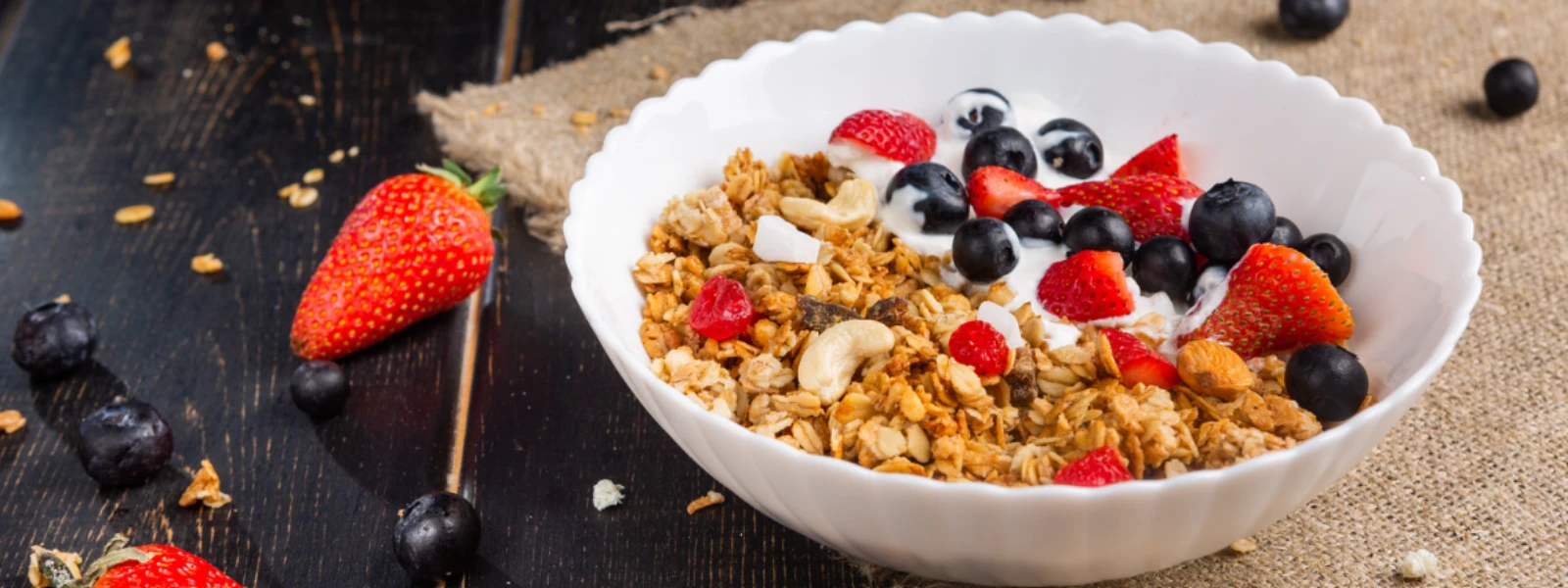


Athletes and fitness enthusiasts constantly seek optimal nutrition to fuel their performance and recovery. Among the various nutritional strategies, protein muesli has emerged as a powerhouse breakfast option that combines convenience with exceptional nutritional value. This complete guide will walk you through creating your own high protein breakfast that supports muscle building, endurance, and overall athletic performance. You'll discover how to craft a nutrient-dense muesli that serves as both a delicious meal and a strategic nutritional tool for your fitness goals.
Protein muesli represents a significant upgrade from traditional breakfast cereals. While conventional muesli typically contains 8-12 grams of protein per 100 grams, a well-crafted sports nutrition muesli can deliver 20-30 grams or more of high-quality protein in the same serving size.
Traditional muesli consists primarily of rolled oats, dried fruits, and nuts. However, performance muesli takes this foundation and enhances it with protein-rich ingredients that support athletic goals. The key difference lies in the intentional selection and proportion of ingredients that maximize protein content while maintaining the fiber, healthy fats, and micronutrients that make muesli naturally beneficial.
Athletes require 1.2 to 2.0 grams of protein per kilogram of body weight daily, significantly higher than sedentary individuals. This increased protein requirement supports muscle protein synthesis, recovery from training stress, and adaptation to exercise. A muscle building muesli provides a convenient way to meet these elevated protein needs while delivering sustained energy through complex carbohydrates.
Research published in sports nutrition journals indicates that distributing protein intake throughout the day, including at breakfast, optimizes muscle protein synthesis rates. This makes athletic muesli particularly valuable as it delivers protein during the post-overnight fasting period when muscle protein breakdown rates are elevated.
Creating an effective fitness muesli requires careful selection of ingredients that work synergistically to deliver optimal nutrition. Each component serves a specific purpose in supporting athletic performance and recovery.
Rolled oats form the base of any quality healthy muesli. They provide complex carbohydrates for sustained energy release and contain beta-glucan fiber, which supports cardiovascular health and stable blood sugar levels. Oats also contribute approximately 13 grams of protein per 100 grams, making them an excellent foundation for protein enhancement.
Protein-rich seeds elevate the nutritional profile significantly. Chia seeds contain all nine essential AmIno aciDS and provide 17 grams of protein per 100 grams. Hemp seeds offer 31 grams of complete protein per 100 grams, while flaxseeds contribute 18 grams along with omega-3 fatty acids crucial for reducing exercise-induced inflammation.
Almonds, walnuts, and cashews provide both protein and healthy monounsaturated fats. These nuts support hormone production and nutrient absorption while contributing to the overall protein content. Almonds lead with 21 grams of protein per 100 grams, followed by cashews at 18 grams.
High-quality protein powder serves as the primary protein booster in endurance athlete muesli. Whey protein isolate offers rapid absorption and complete amino acid profiles, while plant-based options like pea or hemp protein cater to vegan athletes. The protein powder should comprise 15-25% of the total muesli weight for optimal protein enhancement.
Expert Tip
Combining different protein sources in your muesli creates a more complete amino acid profile than relying on a single source. This protein complementation maximizes muscle protein synthesis potential throughout the day.
This comprehensive recipe creates approximately 1 kilogram of protein-rich granola style muesli with 25-28 grams of protein per 100-gram serving.
Base mixture: 400 grams rolled oats, 100 grams chia seeds, 80 grams hemp seeds, 60 grams ground flaxseeds, 150 grams mixed nuts (almonds, walnuts, cashews), 100 grams protein powder (vanilla or unflavored), 50 grams coconut flakes, 30 grams cacao powder (optional for chocolate version).
Flavor enhancers: 2 teaspoons cinnamon, 1 teaspoon vanilla extract, 50 grams dried fruits (goji berries, cranberries, or raisins), 30 grams dark chocolate chips (85% cacao or higher).
Begin by preheating your oven to 160°C (320°F). Combine all dry ingredients except protein powder, dried fruits, and chocolate chips in a large mixing bowl. Mix thoroughly to ensure even distribution of seeds and nuts throughout the oats.
In a separate bowl, whisk the protein powder with 2-3 tablespoons of water or plant milk to create a smooth paste. This prevents clumping when mixed with dry ingredients. Add vanilla extract to this mixture if using liquid vanilla.
Gradually fold the protein mixture into the dry ingredients, ensuring even coating. Spread the mixture on lined baking sheets in a thin, even layer. Bake for 15-20 minutes, stirring every 5 minutes to prevent burning and ensure even toasting.
Allow the mixture to cool completely before adding dried fruits and chocolate chips. Store in airtight containers for up to 6 weeks. This performance muesli maintains its nutritional value and texture when stored properly in a cool, dry place.
For athletes focused on muscle growth, increase the protein powder content to 120 grams per kilogram of total muesli. Add extra nuts and reduce dried fruit content to optimize the protein-to-carbohydrate ratio. Include creatine monohydrate (5 grams per 100 grams of muesli) for additional muscle-building support.
Endurance athlete muesli requires higher carbohydrate content for sustained energy. Increase the oat proportion to 450 grams and add 80 grams of dried fruits. Include beetroot powder (10 grams per kilogram) for nitrate content that supports cardiovascular performance during extended exercise.
Athletes managing weight while maintaining performance benefit from higher protein and fiber content with controlled calories. Increase seed content to 200 grams total and reduce nuts to 100 grams. This modification increases satiety while maintaining protein density.
Vegan athletes can create equally effective sports nutrition muesli using plant-based protein powders and ensuring amino acid completeness through ingredient diversity. Combine pea protein with hemp protein powder and increase seed variety to include pumpkin and sunflower seeds.
The effectiveness of protein muesli extends beyond simple protein content. The combination of fast and slow-digesting proteins creates a sustained amino acid release that supports muscle protein synthesis for several hours after consumption.
Research demonstrates that consuming 20-25 grams of high-quality protein triggers maximal muscle protein synthesis rates. The protein blend in well-formulated athletic muesli provides both fast-acting proteins from powder supplements and slower-digesting proteins from nuts and seeds.
The fiber content in oats and seeds slows digestion, creating a more gradual amino acid release compared to protein shakes alone. This sustained release supports muscle protein synthesis over extended periods, making muesli particularly valuable for athletes with long training sessions or extended periods between meals.
Beyond protein, nutrient-dense muesli provides essential vitamins and minerals crucial for athletic performance. Magnesium from nuts and seeds supports muscle function and energy metabolism. Iron from seeds aids oxygen transport, while Vitamin E acts as an antioxidant protecting against exercise-induced oxidative stress.
B vitamins abundant in oats and nuts support energy metabolism and nervous system function. These micronutrients work synergistically with protein to optimize training adaptations and recovery processes.
A standard serving of fitness muesli ranges from 60-100 grams depending on individual caloric needs and training demands. Larger athletes or those in heavy training phases may consume up to 120 grams per serving to meet elevated protein requirements.
Pair your muesli with Greek yogurt or plant-based alternatives for additional protein and probiotics that support digestive health. Adding fresh berries provides antioxidants and natural sweetness while contributing minimal calories.
Cold preparation involves soaking muesli in milk or plant alternatives for 10-15 minutes, allowing oats to soften while maintaining the crunch of nuts and seeds. This method preserves heat-sensitive nutrients and provides a refreshing breakfast option.
Warm preparation creates a porridge-like consistency. Heat plant milk or water and stir in the muesli, cooking for 3-5 minutes. This method may enhance digestibility and provides comfort during colder months.
Consume performance muesli 2-3 hours before training for sustained energy without digestive discomfort. Post-workout consumption within 30-60 minutes supports recovery when combined with additional fast-digesting carbohydrates like banana or dates.
For convenience, prepare overnight muesli by combining your serving with liquid and refrigerating. This saves time during busy mornings while ensuring consistent nutrition timing.
Well-formulated protein muesli contains 25-30 grams of protein per 100 grams, compared to 8-12 grams in traditional muesli. The exact amount depends on the protein powder content and ingredient ratios used in the recipe.
For athletes and active individuals, protein muesli offers superior nutritional value by providing enhanced protein content while maintaining the fiber, healthy fats, and micronutrients of traditional muesli. It better supports muscle protein synthesis and recovery compared to standard varieties.
Yes, protein muesli supports muscle recovery through its high-quality protein content and amino acid profile. The combination of fast and slow-digesting proteins provides sustained amino acid availability for muscle repair and adaptation processes.
Athletes can safely consume protein muesli daily as part of a balanced nutrition plan. It works well as a breakfast option or post-workout meal, contributing to daily protein requirements without replacing the need for varied protein sources throughout the day.
Properly stored homemade protein muesli maintains quality for 4-6 weeks in airtight containers. Store in cool, dry conditions and avoid exposure to light and moisture to preserve nutritional value and prevent rancidity of nuts and seeds.
Conclusion
Creating your own protein muesli empowers you to take control of your athletic nutrition with precision and quality. This comprehensive approach to breakfast nutrition delivers the protein, energy, and micronutrients necessary for optimal performance and recovery. The versatility of homemade muesli allows customization for specific athletic goals while ensuring consistent, high-quality nutrition. By incorporating these evidence-based strategies and recipes, you'll establish a nutritional foundation that supports your fitness journey and performance aspirations. Experiment with different ingredient combinations to find your perfect balance of taste, nutrition, and convenience.




Someone sent you
Powered by ReferRush


