How to Use Dark Chocolate Protein Powder for Best Results
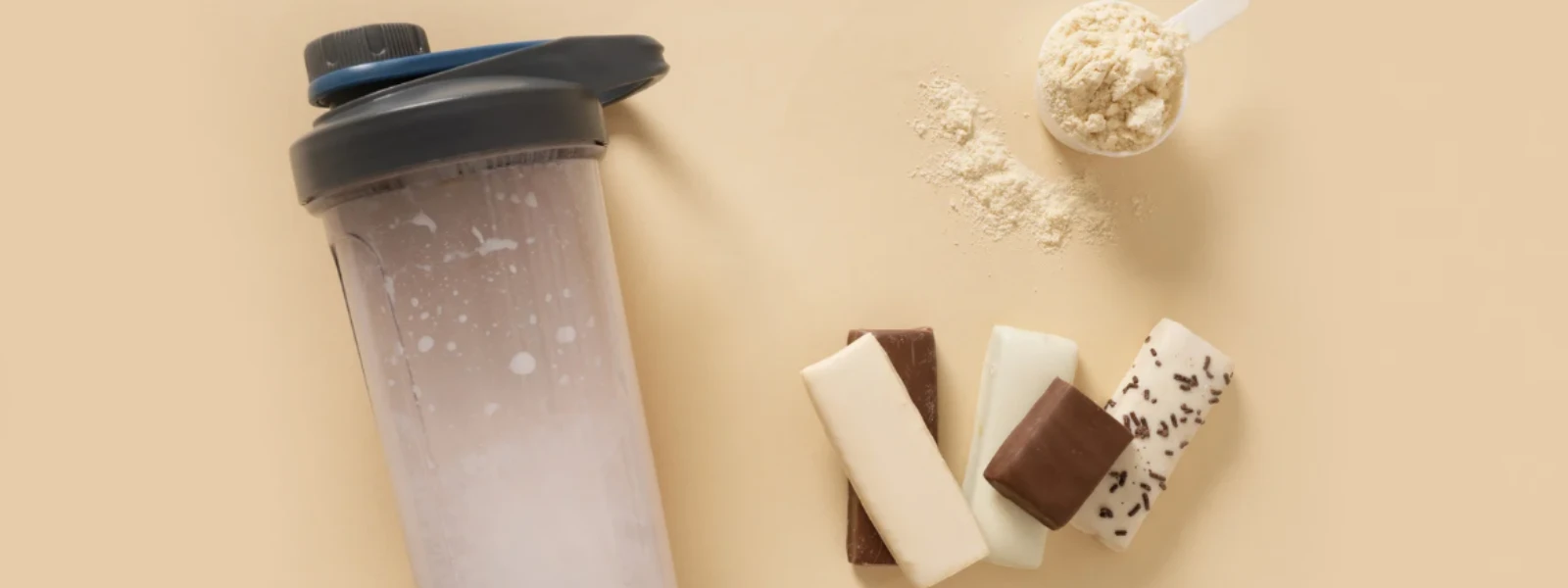


Dark chocolate protein powder has emerged as a game-changer in the fitness and wellness world, combining the rich, indulgent taste of cocoa with powerful muscle-building benefits. Unlike regular protein powders that often sacrifice flavor for function, dark chocolate variants deliver both exceptional taste and superior nutritional value. This comprehensive guide will walk you through everything you need to know about maximizing your results with dark chocolate protein powder, from optimal timing and dosage to creative recipes that make your daily protein intake something to look forward to.
Dark chocolate protein powder stands apart from regular chocolate protein due to its higher concentration of beneficial compounds. The cocoa content in dark chocolate varieties contains powerful polyphenols, particularly flavonoids, which research shows can help reduce cortisol levels and support recovery after intense workouts.
These antioxidant properties work synergistically with protein to enhance muscle recovery and reduce exercise-induced oxidative stress. Studies indicate that the flavonoids in dark chocolate can improve blood flow, which may enhance nutrient delivery to muscles during the critical post-workout window.
The enhanced bioavailability of nutrients in dark chocolate protein powder means your body can utilize the protein more effectively compared to standard chocolate variants. This improved absorption translates to better muscle protein synthesis and faster recovery times.
The market offers several distinct categories of dark chocolate protein powder, each designed for specific dietary needs and preferences. Whey protein isolate chocolate varieties provide the highest protein concentration with minimal lactose, making them ideal for those with mild dairy sensitivities.
Vegan dark chocolate protein options utilize plant-based sources like pea, hemp, or rice protein, offering complete amino acid profiles without animal products. These formulations often include additional superfoods and adaptogens to enhance their nutritional value.
Organic protein powder with dark chocolate ensures that both the protein source and cocoa are free from pesticides and synthetic additives. Low carb protein powder formulations cater to ketogenic and low-carbohydrate diets while maintaining the rich chocolate flavor.
Quality dark chocolate protein powders typically contain 20-30 grams of protein per serving, with varying carbohydrate content depending on the formulation. The protein content per serving often exceeds that of whole food sources, making it an efficient way to meet daily protein requirements.
The carbohydrate and sugar content varies significantly between products. Premium dark chocolate protein powders often contain minimal added sugars, relying on natural cocoa and stevia for sweetness. This approach maintains the authentic dark chocolate flavor while supporting various dietary goals.
Essential amino acid profiles in quality dark chocolate protein powders include high levels of leucine, isoleucine, and valine - the branched-chain amino acids crucial for muscle protein synthesis and recovery.
Post workout protein consumption within 30-60 minutes after exercise maximizes muscle protein synthesis and recovery. Dark chocolate protein powder offers additional benefits during this window, as the natural compounds in cocoa can help reduce exercise-induced inflammation.
Pre-workout applications work well for longer training sessions, providing sustained amino acid availability throughout your workout. The natural caffeine content in dark chocolate can offer a mild energy boost without the jitters associated with high-stimulant pre-workouts.
For endurance athletes, consuming dark chocolate protein powder during extended training sessions can help maintain amino acid levels and support sustained performance.
Recommended serving sizes typically range from 25-40 grams of powder, depending on your body weight and training intensity. Athletes weighing 150-200 pounds generally benefit from 30-35 gram servings, while larger individuals may require up to 40 grams per serving.
Multiple serving strategies throughout the day can help maintain consistent amino acid levels. Many fitness enthusiasts consume one serving post-workout and another between meals to support continuous muscle protein synthesis.
Training intensity should guide your intake adjustments. High-intensity training days may warrant increased protein consumption, while rest days might require standard maintenance doses.
Pro Tip
The polyphenols in dark chocolate protein powder can enhance iron absorption when consumed with Vitamin C-rich foods like berries or citrus fruits, making your post-workout smoothie even more nutritionally powerful.
Combining dark chocolate protein powder with digestive enzymes can improve protein breakdown and absorption, particularly beneficial for individuals with sensitive digestive systems. Many premium formulations include these enzymes naturally.
Temperature considerations play a crucial role in mixing effectiveness. Room temperature or slightly cool liquids blend more easily than ice-cold options, reducing clumping and improving texture.
Optimal liquid ratios typically range from 8-12 ounces of liquid per serving, depending on your preferred consistency. This ratio ensures proper hydration while maintaining palatability.
Creating the perfect chocolate protein shake starts with selecting the right liquid base. Unsweetened almond milk provides a creamy texture with minimal calories, while oat milk adds natural sweetness and fiber. Water remains the most straightforward option for those prioritizing protein content over flavor complexity.
Texture enhancement techniques include adding frozen banana for creaminess, ice for thickness, or a small amount of avocado for rich consistency without affecting taste. These additions also contribute valuable micronutrients to your shake.
Natural sweeteners like stevia, monk fruit, or a small amount of pure maple syrup can enhance the chocolate flavor without significantly impacting blood sugar levels. The key is finding the right balance that complements the natural cocoa taste.
High-protein smoothie bowls combine dark chocolate protein powder with frozen fruits, creating a thick, ice cream-like consistency perfect for topping with nuts, seeds, and fresh berries. This approach transforms your protein intake into a satisfying meal replacement.
Baked goods and protein bars using dark chocolate protein powder offer convenient on-the-go options. Simple recipes combining the powder with oats, nut butter, and minimal sweeteners create nutritious snacks that satisfy chocolate cravings while supporting fitness goals.
No-blend quick mix options work well for busy schedules. Simply stirring the powder into Greek yogurt or overnight oats provides a protein boost without requiring special equipment.
Adding healthy fats like almond butter, coconut oil, or chia seeds transforms your protein shake into a complete meal replacement. These additions provide sustained energy and improve satiety.
Complex carbohydrates from sources like oats or sweet potato can be blended into post-workout shakes to replenish glycogen stores while maintaining the delicious chocolate flavor.
Micronutrient boosting ingredients such as spinach, spirulina, or powdered greens blend seamlessly with dark chocolate protein, creating nutrient-dense meals that support overall health.
The leucine content in quality dark chocolate protein powders triggers muscle protein synthesis, the process responsible for muscle growth and repair. Consuming adequate leucine (typically 2.5-3 grams per serving) optimizes this anabolic response.
Recovery timeline improvements become noticeable within 2-3 weeks of consistent use. The combination of high-quality protein and dark chocolate's anti-inflammatory compounds can reduce muscle soreness and accelerate healing between training sessions.
Strength training synergies occur when dark chocolate protein powder is consumed consistently around workout times. The sustained amino acid availability supports progressive overload and strength gains over time.
Satiety and appetite control benefits make dark chocolate protein powder valuable for weight management goals. The protein content promotes feelings of fullness, while the rich chocolate flavor satisfies cravings that might otherwise lead to less healthy food choices.
Metabolic rate considerations show that adequate protein intake supports thermogenesis and helps maintain lean muscle mass during caloric restriction. This preservation of muscle tissue keeps metabolism elevated even during weight loss phases.
Integration strategies differ between cutting and bulking phases. During cutting, focus on lower-calorie liquid bases and minimal added ingredients. For bulking, incorporate calorie-dense additions like nut butters and fruits.
Sustained energy release mechanisms in dark chocolate protein powder come from the combination of protein and natural compounds in cocoa. This provides steady fuel for longer training sessions without the energy crashes associated with simple sugars.
Glycogen sparing effects occur when adequate protein is available during endurance activities. The body can utilize amino acids for energy while preserving stored carbohydrates for when they're most needed.
Competition day protocols should be tested during training to ensure digestive tolerance. Many endurance athletes find that consuming dark chocolate protein powder 2-3 hours before events provides sustained energy without gastrointestinal distress.
Protein source quality rankings place grass-fed whey and organic plant proteins at the top tier. These sources provide superior amino acid profiles and are free from harmful additives that can compromise health and performance.
Natural flavoring systems using real cocoa and vanilla create more authentic taste profiles compared to artificial alternatives. Premium products often list specific cocoa percentages, indicating higher quality chocolate flavor.
Third-party testing certifications ensure that products meet label claims and are free from contaminants. Look for certifications from organizations like NSF International or Informed Sport for added confidence.
Digestibility comparisons show that whey protein generally absorbs faster than plant-based alternatives, making it ideal for immediate post-workout consumption. However, plant-based options often cause less digestive distress for sensitive individuals.
Complete amino acid profiles are naturally present in whey protein, while plant-based options may require blending multiple protein sources to achieve completeness. Many premium vegan formulations address this by combining complementary proteins.
Allergen considerations make plant-based dark chocolate protein powders suitable for those with dairy sensitivities, while whey isolates may be tolerated by individuals with mild lactose intolerance.
Clumping prevention requires proper liquid-to-powder ratios and gradual mixing techniques. Add liquid first, then slowly incorporate the powder while mixing continuously to achieve smooth consistency.
Temperature sensitivity affects both taste and mixability. Extremely cold liquids can cause clumping, while very hot liquids may denature the protein. Room temperature mixing followed by chilling produces the best results.
Storage and freshness maintenance involve keeping containers sealed and stored in cool, dry places. Exposure to moisture and heat can degrade both protein quality and chocolate flavor over time.
Overconsumption warning signs include digestive discomfort, excessive caloric intake, and diminished appetite for whole foods. Stick to recommended serving sizes and adjust based on your individual needs and tolerance.
Meal replacement pitfalls occur when protein powder becomes the primary nutrition source. While convenient, whole foods should remain the foundation of a healthy diet, with protein powder serving as a supplement.
Supplement interaction concerns are minimal with protein powder, but those taking medications should consult healthcare providers, especially if consuming large quantities or combining with other supplements.
Lactose intolerance alternatives include whey protein isolate (which contains minimal lactose) or plant-based options for complete dairy avoidance. Many individuals find these alternatives eliminate digestive discomfort.
Bloating prevention strategies involve starting with smaller serving sizes and gradually increasing as your digestive system adapts. Consuming protein powder with meals rather than on an empty stomach can also help.
Gradual introduction protocols work best for those new to protein supplementation. Begin with half servings for the first week, then progress to full servings as tolerance improves.
While dark chocolate protein powder provides excellent protein content, it should not regularly replace complete meals. Use it to supplement your diet or as an occasional meal replacement when combined with healthy fats, carbohydrates, and vegetables for balanced nutrition.
Dark chocolate protein powder typically contains higher levels of beneficial compounds like flavonoids and antioxidants compared to regular chocolate varieties. These compounds may support cardiovascular health and recovery, while providing a more sophisticated flavor profile with less added sugar.
The optimal timing is within 30-60 minutes after resistance training when muscle protein synthesis is elevated. However, spreading protein intake throughout the day, including a serving of dark chocolate protein powder, supports continuous muscle building and recovery.
Yes, dark chocolate protein powder can support weight loss by increasing satiety, preserving lean muscle mass during caloric restriction, and providing a satisfying alternative to high-calorie chocolate treats. The key is incorporating it into a balanced, calorie-controlled diet.
Both can effectively support performance goals when consumed as part of a well-planned diet. Whey protein typically absorbs faster and contains all essential amino acids naturally, while high-quality vegan options provide complete amino acid profiles through blended plant proteins and may be easier to digest for some individuals.
Dark chocolate protein powder represents the perfect fusion of indulgent taste and functional nutrition, offering a superior alternative to bland protein supplements. By understanding optimal timing, proper dosage, and creative preparation methods, you can maximize both the performance benefits and enjoyment of your daily protein intake. Whether you choose whey protein isolate chocolate varieties or vegan dark chocolate protein options, the key to success lies in consistent use, proper preparation, and integration into a balanced nutrition plan. The antioxidant properties and rich flavor profile make dark chocolate protein powder not just a supplement, but a delicious tool for achieving your health and fitness goals. Remember that the best tasting protein powder is one you'll actually look forward to consuming daily, making adherence to your nutrition plan both sustainable and enjoyable.




Someone sent you
Powered by ReferRush


