A Step-by-Step Guide to Maximizing Protein from Indian Curd
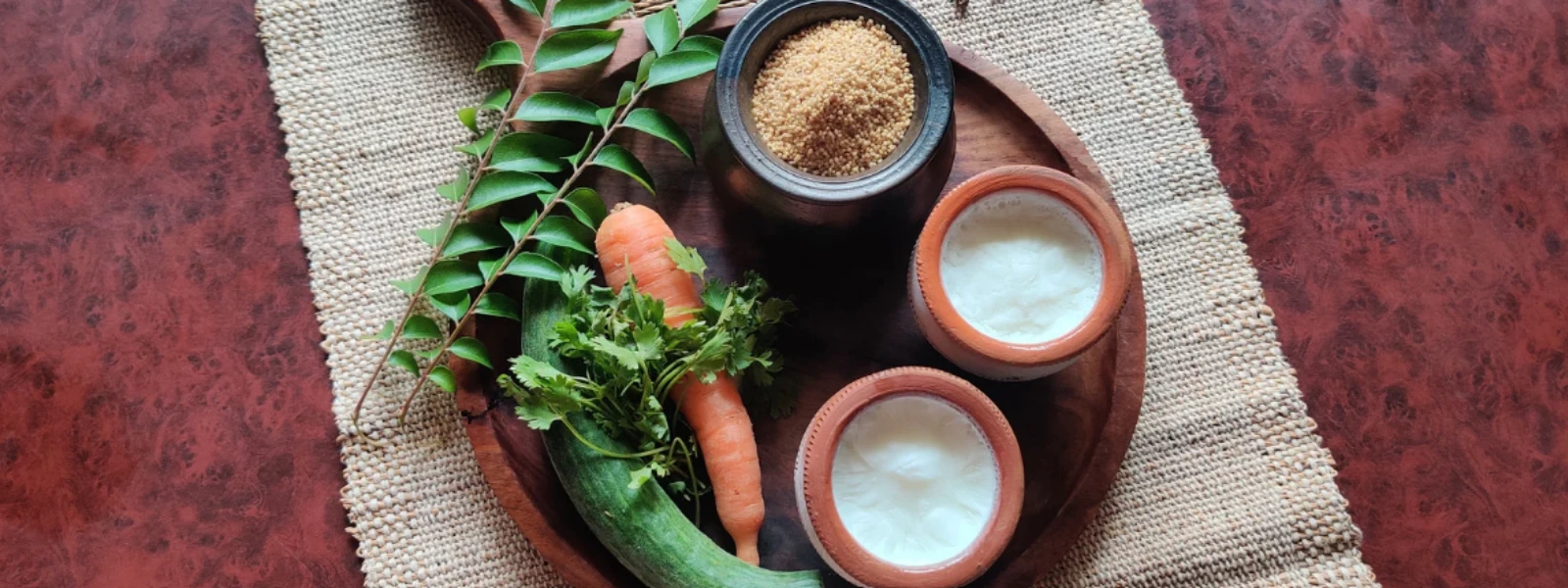


Indian curd has been a cornerstone of nutrition for centuries, offering more than just taste and tradition. This creamy, versatile dairy product packs a surprising protein punch that many fitness enthusiasts and health-conscious individuals overlook. Understanding the indian curd protein per 100g content can transform how you approach your daily nutrition goals.
Whether you're an athlete seeking optimal recovery, a fitness enthusiast building muscle, or someone simply wanting to increase their protein intake naturally, Indian curd presents an accessible and affordable solution. This comprehensive guide will walk you through everything you need to know about maximizing the protein benefits of this traditional superfood.
The indian yogurt protein content varies significantly depending on the type and preparation method. Understanding these variations helps you make informed choices about which curd variety best suits your nutritional goals.
Regular homemade curd typically contains 3.1 to 3.5 grams of protein per 100g. This might seem modest, but when consumed in typical Indian serving sizes of 200-250g, it contributes substantially to your daily protein requirements. Low-fat commercial varieties often concentrate the protein content, offering up to 5.25g per 100g.
The most protein-dense option is strained or Greek-style curd, which can contain up to 11.75g of protein per 100g. This concentration occurs because the whey is removed, leaving behind a thicker consistency with concentrated nutrients including protein.
Several factors influence the final protein content in your curd. The milk source plays a crucial role, with buffalo milk typically yielding higher protein content than cow milk. The straining process significantly impacts protein density, while the fermentation time and bacterial cultures used can also affect the final nutritional profile.
Temperature during preparation matters too. Gentle heating preserves more proteins, while excessive heat can denature some protein structures, potentially reducing bioavailability.
The choice between cow and buffalo milk curd significantly impacts your protein intake. Buffalo curd generally contains higher protein levels, often reaching 4-4.5g per 100g compared to cow curd's 3.1-3.5g per 100g.
Buffalo curd offers denser nutrition overall. Beyond protein, it provides higher calcium content and more substantial amounts of healthy fats. However, cow curd remains easier to digest for many people and offers a lighter option for those monitoring their caloric intake.
The protein quality in both varieties is excellent, containing all essential AmIno aciDS necessary for muscle synthesis and repair. This makes Indian curd a complete protein source, comparable to other high protein dairy products india offers.
Did You Know?
A single 200g serving of homemade buffalo curd provides approximately 7-9g of complete protein, which is roughly 15% of the daily protein requirement for an average adult.
Strategic consumption of curd can significantly boost your daily protein intake. Understanding optimal serving sizes and timing helps maximize the benefits of this traditional protein source.
A 200g serving of regular curd provides 6-7g of protein, while a 250g serving offers 7.5-8.5g. For those seeking higher protein intake, opting for strained varieties can nearly double these numbers. This makes curd one of the best high protein indian foods for consistent daily nutrition.
Spreading curd consumption throughout the day optimizes protein absorption. Consider having 100g with breakfast, another 100g as an afternoon snack, and incorporating it into dinner preparations.
Post-workout consumption within 30-60 minutes supports muscle recovery effectively. The casein proteins in curd provide sustained amino acid release, making it excellent for evening consumption to support overnight muscle repair.
Pre-workout consumption should be limited to smaller portions to avoid digestive discomfort during exercise.
While protein content makes headlines, Indian curd offers a comprehensive nutritional package that supports overall health and fitness goals.
Curd provides substantial calcium content, often 120-150mg per 100g, supporting bone health alongside muscle development. The Vitamin B12 content supports energy metabolism, while riboflavin aids in protein utilization.
Probiotics in fresh curd support digestive health, potentially improving overall nutrient absorption. This makes curd not just a protein source but a functional food supporting multiple health aspects.
The beneficial bacteria in curd support gut health, which directly impacts immune function. A healthy gut microbiome also improves protein absorption efficiency, maximizing the benefits of your protein intake.
Regular curd consumption may help maintain healthy cholesterol levels and support cardiovascular health, making it an excellent choice among indian dairy protein sources.
Strategic integration of curd into your meal planning can significantly enhance your nutrition without complicated preparation or expensive supplements.
For pre-workout nutrition, small portions of curd with fruits provide sustained energy without digestive stress. Post-workout, larger servings combined with nuts or seeds create a complete recovery meal.
The slow-digesting casein proteins make curd ideal for evening consumption, providing amino acids throughout the night for muscle recovery and growth.
Curd-based smoothies offer portable protein options. Mixing 200g curd with fruits and a tablespoon of nuts creates a complete meal with 10-12g of protein. Savory applications like curd-based marinades for lean meats or vegetarian curries increase both flavor and nutritional value.
Traditional preparations like lassi, raita, or curd rice can be modified to increase protein density while maintaining authentic flavors.
Selecting the right curd variety and preparation method directly impacts your protein intake success.
When purchasing commercial curd, examine nutrition labels carefully. Look for varieties listing higher protein content and minimal additives. Fresh, homemade curd often provides superior protein quality and probiotic benefits compared to heavily processed alternatives.
For homemade preparation, using high-quality milk and maintaining proper fermentation conditions ensures optimal protein content. Avoiding excessive heating during preparation preserves protein structure and digestibility.
Proper storage maintains protein quality and safety. Fresh curd should be consumed within 2-3 days for optimal nutritional benefits. Avoid freezing, as this can alter protein structure and texture.
For meal prep, prepare curd-based dishes fresh rather than storing them for extended periods. This approach maintains both nutritional value and food safety standards.
Regular Indian curd contains 3.1-3.5g of protein per 100g, while low-fat varieties may contain up to 5.25g. Strained or Greek-style curd can provide up to 11.75g of protein per 100g, making it one of the most protein-dense dairy options available.
Yes, consuming 200g of curd daily is generally safe and beneficial for most people. This amount provides 6-7g of complete protein along with probiotics, calcium, and other essential nutrients. However, individuals with lactose intolerance should start with smaller portions and monitor their tolerance.
Buffalo curd typically contains 4-4.5g of protein per 100g, while cow curd provides 3.1-3.5g per 100g. Buffalo curd also offers higher calcium content and healthy fats, though cow curd is often easier to digest and lower in calories.
Post-workout consumption within 30-60 minutes supports muscle recovery effectively. Evening consumption provides sustained amino acid release overnight. Spreading intake throughout the day in 100-150g portions optimizes protein absorption and utilization.
Homemade curd typically provides consistent protein content of 3.1-3.5g per 100g and often contains more active probiotics. Store-bought varieties may offer higher protein concentrations in specialized products but can contain additives that reduce overall nutritional quality.
Indian curd stands as a remarkable protein source that combines tradition with modern nutritional science. With protein content ranging from 3.1g to 11.75g per 100g depending on variety and preparation, curd offers flexible options for meeting diverse dietary goals. The complete amino acid profile, combined with probiotics, calcium, and other essential nutrients, makes curd a comprehensive nutritional solution rather than just a protein source. Whether you choose regular homemade curd, low-fat commercial varieties, or protein-concentrated strained versions, consistent consumption can significantly contribute to your daily protein requirements. By understanding the nuances of different curd types and implementing strategic consumption patterns, you can unlock the full potential of this traditional superfood. Explore how incorporating high-quality curd into your daily nutrition plan can support your health and fitness journey while honoring time-tested dietary wisdom.




Someone sent you
Powered by ReferRush


