What is the Best Protein Source? Understanding High Protein Whey Content
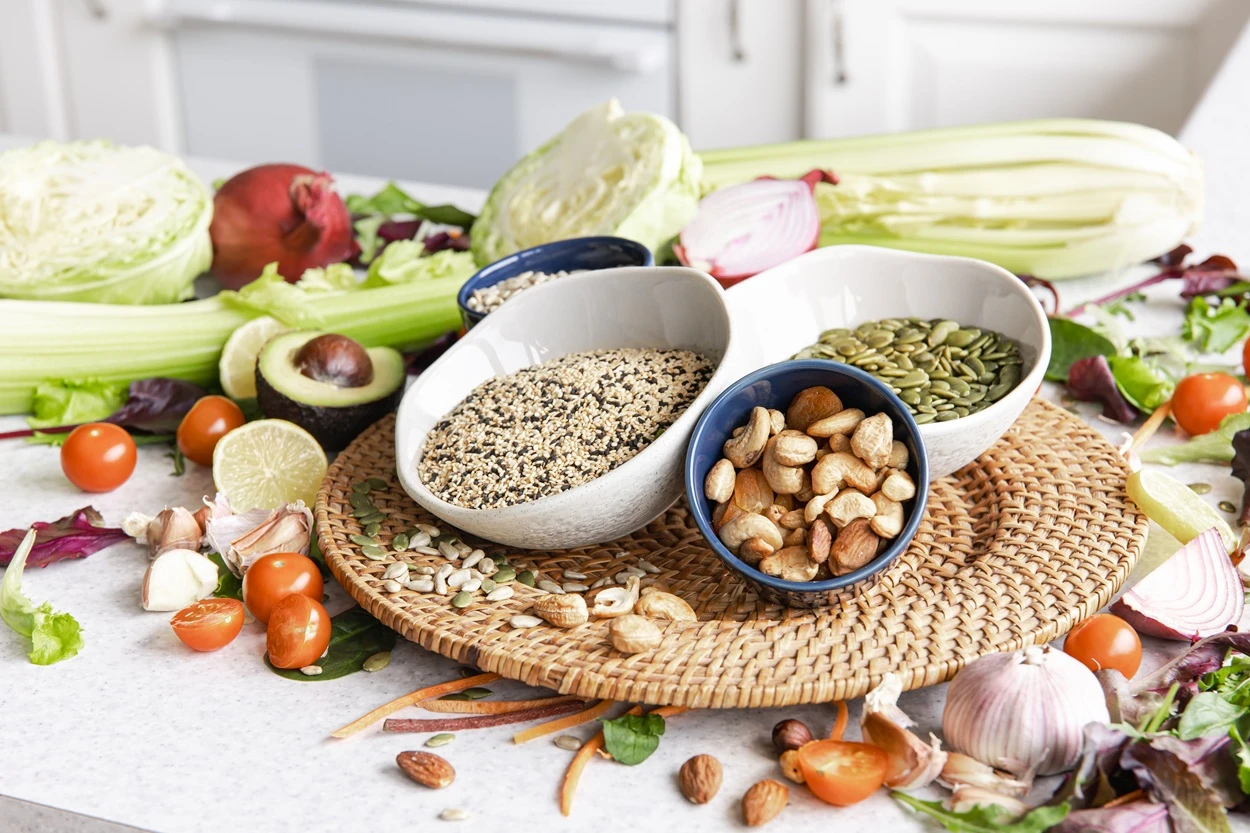


In the quest for optimal fitness and muscle development, one question consistently dominates nutrition discussions: what truly constitutes the best protein source for maximizing results? While the protein supplement market offers countless options, whey protein with high protein content has emerged as the gold standard among athletes, fitness enthusiasts, and nutrition experts worldwide.
This comprehensive guide examines the science behind whey protein's superior bioavailability, explores how high protein content impacts muscle recovery protein synthesis, and provides evidence-based insights to help you make informed decisions about protein supplements that align with your performance goals.
By the end of this post, you'll understand the biochemical advantages of whey protein, learn how to evaluate protein quality metrics, and discover practical strategies for optimizing your protein intake for enhanced muscle recovery and athletic performance.
Whey protein stands apart from other protein sources due to its complete amino acid profile. It contains all nine essential amino acids your body cannot produce on its own. This completeness makes it highly effective for muscle building and recovery.
The biological value of whey protein reaches 104, which is higher than eggs (100), milk (91), and most plant-based proteins. This means your body can use nearly all the protein you consume. The leucine content in whey protein is particularly impressive, containing about 2.5-3 grams per serving. Leucine acts as a trigger for muscle protein synthesis, making it crucial for muscle growth and repair.
Whey protein digests quickly, with peak amino acid levels in your blood occurring within 30-90 minutes after consumption. This rapid absorption makes it ideal for post-workout recovery when your muscles need nutrients most.
Compared to casein protein, which takes 3-4 hours to digest, whey protein provides immediate fuel for muscle recovery. Plant proteins often have lower digestibility scores and may require combining different sources to achieve a complete amino acid profile.
Whey protein concentrate contains 70-80% protein by weight. The remaining 20-30% consists of carbohydrates, fats, and minerals naturally found in milk. This form retains beneficial compounds like immunoglobulins and lactoferrin.
Whey protein isolate undergoes additional processing to remove most lactose, fat, and carbohydrates. This results in 90% or higher protein content. Isolates are ideal for those with lactose sensitivity or those seeking maximum protein per serving.
Reading supplement labels effectively requires understanding protein per serving calculations. Look for products that clearly state the amount of protein per scoop, not just the total powder weight. Quality products focus on superior ingredients, highly absorbable formats, palatable flavors without unnecessary fillers.
Avoid products with excessive artificial sweeteners, fillers like maltodextrin, or amino acid spiking. These additives can inflate protein content numbers without providing complete protein benefits.
Expert Insight Corner
The protein content percentage isn't the only factor determining supplement quality. The amino acid profile, particularly the leucine threshold of 2.5-3 grams per serving, plays a crucial role in triggering optimal muscle protein synthesis.
After exercise, your muscles experience protein breakdown. Consuming muscle recovery protein helps shift the balance toward protein synthesis, leading to muscle repair and growth. Whey protein's rapid absorption makes it particularly effective during this critical window.
The optimal timing for whey protein consumption is within 30 minutes to 2 hours post-workout. This period, known as the anabolic window, is when your muscles are most receptive to nutrients. However, total daily protein intake remains more important than precise timing.
Research consistently shows that whey protein accelerates recovery compared to other protein sources. Studies indicate that whey protein consumption after resistance training leads to greater muscle protein synthesis rates and improved strength gains over time.
The fast-digesting nature of whey protein makes it superior for immediate post-exercise recovery compared to slower-digesting proteins like casein, which are better suited for overnight muscle maintenance.
Plant-based proteins like pea, hemp, and rice offer benefits for those following vegetarian or vegan diets. However, most single plant proteins lack one or more essential amino acids. Pea protein is low in methionine, while rice protein is low in lysine.
Plant proteins generally have lower digestibility scores than whey protein. They may also contain anti-nutrients that can interfere with mineral absorption. However, combining different plant proteins can create a more complete amino acid profile.
Casein protein digests slowly, providing a steady release of amino acids over several hours. This makes it beneficial for preventing muscle breakdown during sleep or extended periods without food. Egg protein offers excellent bioavailability but typically costs more than whey protein.
For immediate post-workout recovery, whey protein's fast absorption gives it a clear advantage. For sustained protein release, casein may be more appropriate. Many athletes use both types strategically throughout the day.
Post-workout consumption remains the most popular timing for whey protein. However, you can also benefit from consuming it between meals to boost daily protein intake or as a convenient breakfast option when whole food preparation isn't practical.
For muscle building, aim to distribute protein intake evenly throughout the day. This approach maintains elevated amino acid levels and supports continuous muscle protein synthesis.
For muscle building, consume 20-25 grams of whey protein per serving. This amount provides sufficient amino acids to maximize muscle protein synthesis. Endurance athletes may benefit from slightly higher amounts, around 25-30 grams, due to increased protein turnover.
Total daily protein needs vary based on activity level, body weight, and goals. Active individuals typically require 1.6-2.2 grams of protein per kilogram of body weight daily.
Third-party testing ensures that protein supplements contain what their labels claim and are free from harmful contaminants. Look for certifications from organizations like NSF International or Informed Sport, which test for banned substances.
Manufacturing standards matter significantly. Facilities that follow Good Manufacturing Practices (GMP) maintain higher quality control standards and reduce the risk of contamination.
Quality protein supplements use minimal, recognizable ingredients. Avoid products with long lists of artificial additives, excessive fillers, or proprietary blends that hide ingredient amounts.
Consider allergen information carefully. Some whey proteins may contain traces of soy, gluten, or other allergens due to cross-contamination during manufacturing.
Research indicates that whey protein consumption up to 2.5 grams per kilogram of body weight daily is safe for healthy individuals. However, those with kidney conditions should consult healthcare providers before increasing protein intake significantly.
Studies suggest 20-25 grams of high-quality whey protein within 30 minutes post-workout optimizes muscle recovery protein synthesis. This amount provides sufficient leucine to trigger the muscle-building response.
While whey protein offers superior bioavailability, it shouldn't completely replace whole food sources. Whole foods provide essential micronutrients, fiber, and beneficial compounds that supplements cannot replicate.
Both forms effectively support muscle building, but whey isolate contains higher protein content (90%+ vs. 70-80%) with minimal lactose and fat. Isolate may be beneficial for those with lactose sensitivity or specific macronutrient targets.
The post-workout window (within 2 hours of exercise) is optimal for muscle recovery, but total daily protein intake matters more than precise timing. Consuming whey protein consistently throughout the day supports continuous muscle protein synthesis.
Whey protein with high protein content stands as the premier choice among protein supplements due to its complete amino acid profile, superior bioavailability, and proven efficacy in supporting muscle recovery protein synthesis. The scientific evidence consistently demonstrates that high-quality whey protein offers unmatched benefits for athletes and fitness enthusiasts seeking the best protein source for their performance goals.
Understanding the nuances between different whey protein types, optimal timing strategies, and quality indicators empowers you to make informed decisions that align with your specific needs. While whey protein supplements provide exceptional convenience and effectiveness, they work best as part of a comprehensive nutrition strategy that includes diverse, whole food protein sources.
We invite you to explore our range of premium, scientifically-formulated protein supplements designed to support your fitness journey. Our commitment to transparency, quality, and innovation ensures you receive the highest standard of nutritional support for achieving your performance goals.




Someone sent you
Powered by ReferRush


