12 Vitamin B12-Rich Indian Vegetarian Foods to Try
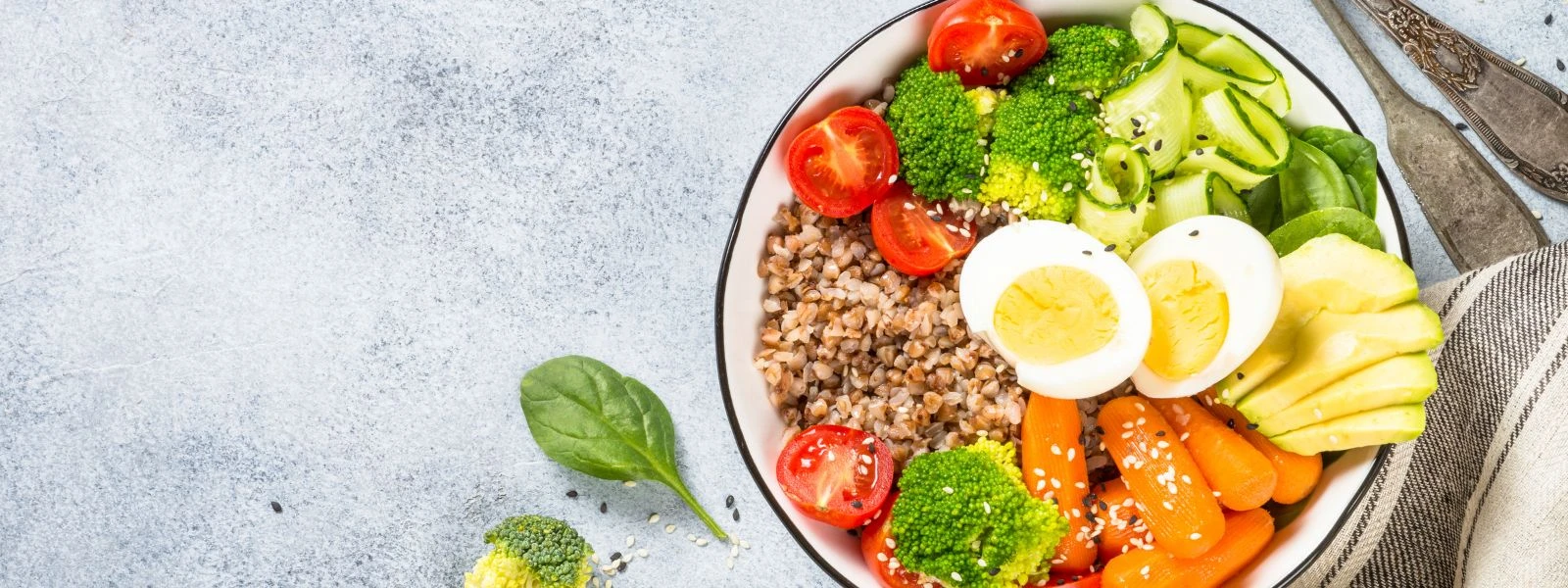


Getting enough Vitamin B12 on a vegetarian diet can feel like solving a puzzle. This essential nutrient plays a crucial role in nerve function, red blood cell formation, and DNA synthesis. Yet many vegetarian foods contain little to no B12 naturally. For India's large vegetarian population, this creates a unique nutritional challenge that requires smart food choices and strategic planning.
Vitamin B12 deficiency affects millions of vegetarians worldwide, leading to fatigue, weakness, and potentially serious neurological problems if left untreated. The good news? Indian cuisine offers several delicious options that can help meet your B12 needs. From traditional dairy products to innovative fortified foods, there are more vegetarian B12 sources than you might expect.
This guide explores twelve practical ways to boost your B12 intake through everyday Indian vegetarian foods. Whether you're a lifelong vegetarian or recently adopted a plant-based lifestyle, these options will help you maintain optimal B12 levels while enjoying the rich flavors of Indian cuisine.
Vitamin B12 deficiency in vegetarians stems from a simple biological fact: this vitamin occurs naturally almost exclusively in animal products. Unlike other vitamins that plants can synthesize, B12 is produced by bacteria found in soil and animal digestive systems. When we wash vegetables thoroughly and avoid animal products, we eliminate most natural B12 sources from our diet.
The recommended daily intake of Vitamin B12 for adults is 2.4 micrograms. Pregnant and breastfeeding women need slightly more, around 2.6 to 2.8 micrograms daily. Children's needs vary by age, ranging from 0.9 to 1.8 micrograms.
Early symptoms of B12 deficiency often develop gradually and can be mistaken for other conditions. Fatigue and weakness are usually the first signs, followed by pale skin, shortness of breath, and dizziness. More severe deficiency can cause tingling in hands and feet, difficulty walking, memory problems, and mood changes.
Vegetarians face a higher risk because plant foods don't naturally contain meaningful amounts of B12. This makes conscious food selection and potential supplementation essential for maintaining healthy B12 levels.
Regular cow's milk stands as one of the most reliable vegetarian B12 sources available in Indian households. One cup of whole milk provides approximately 1.1 micrograms of Vitamin B12, which covers nearly half your daily requirement. Low-fat and skim milk contain similar amounts, making any variety a good choice.
Buffalo milk, commonly consumed in parts of North India, contains slightly higher B12 levels than cow's milk. The key lies in consuming milk regularly rather than occasionally. Adding milk to your morning tea, using it in cooking, or drinking a glass with meals can significantly boost your B12 intake.
Fresh paneer contains moderate amounts of Vitamin B12, with about 100 grams providing roughly 0.7 micrograms. While this might seem low compared to milk, paneer's versatility makes it easy to incorporate into multiple meals throughout the week. Traditional preparations like palak paneer, paneer butter masala, or simple paneer bhurji can contribute to your B12 goals.
Aged cheeses generally contain higher B12 concentrations than fresh varieties. Swiss cheese tops the list with impressive B12 content, though it's less common in traditional Indian cooking. Cheddar and other aged cheeses available in Indian markets also provide substantial B12 amounts.
Plain yogurt delivers both Vitamin B12 and beneficial probiotics that may enhance nutrient absorption. One cup of plain yogurt contains approximately 1.4 micrograms of B12, making it an excellent daily choice. The fermentation process that creates yogurt can actually increase B12 bioavailability compared to regular milk.
Traditional Indian fermented dairy products like lassi, buttermilk, and homemade dahi offer similar benefits. These foods also support digestive health, which can improve overall nutrient absorption throughout your intestinal tract.
Did You Know?
Fermented dairy products may enhance Vitamin B12 absorption due to the beneficial bacteria they contain. These probiotics can help maintain a healthy gut environment that supports better nutrient uptake.
Many commercial breakfast cereals available in Indian supermarkets are fortified with Vitamin B12. These products can provide anywhere from 25% to 100% of your daily B12 needs in a single serving. Popular brands often fortify their cereals with multiple vitamins, making them convenient nutrition boosters.
When choosing fortified cereals, check the nutrition label carefully. Some varieties contain extremely high amounts of added sugar, which can outweigh their nutritional benefits. Opt for whole grain options with minimal added sugars while ensuring adequate B12 fortification.
Fortified soy milk, almond milk, and other plant-based alternatives increasingly common in Indian cities offer another B12 source for vegetarians. These products typically contain 0.6 to 3.0 micrograms of B12 per cup, depending on the brand and fortification level.
Soy milk generally provides the highest protein content among plant-based alternatives, making it particularly beneficial for vegetarians seeking both B12 and complete proteins. Always shake these products well before consuming, as fortified nutrients can settle at the bottom.
Nutritional yeast has gained popularity among health-conscious vegetarians for good reason. This deactivated yeast provides an impressive 7.8 micrograms of Vitamin B12 per quarter-cup serving, far exceeding daily requirements. Its nutty, cheesy flavor makes it an excellent addition to Indian dishes.
Sprinkle nutritional yeast over dal, mix it into vegetable curries, or use it as a seasoning for roasted vegetables. Its umami-rich taste enhances savory dishes while providing substantial B12 content that's particularly valuable for strict vegetarians.
Certain mushroom varieties contain small amounts of Vitamin B12, though levels vary significantly. Shiitake mushrooms lead among fungal B12 sources, with dried shiitake providing more concentrated amounts than fresh varieties. While mushrooms alone won't meet your B12 needs, they can contribute to your overall intake.
Incorporate mushrooms into traditional Indian preparations like mushroom curry, biryani, or simple stir-fries. Their meaty texture and earthy flavor make them satisfying additions to vegetarian meals.
Traditional Indian fermented foods like idli, dosa, dhokla, and fermented rice may contain trace amounts of Vitamin B12 produced during the fermentation process. While these amounts are generally small and inconsistent, regular consumption of fermented foods supports overall digestive health.
The fermentation process relies on naturally occurring bacteria, some of which can produce B12. However, the amounts are typically insufficient to prevent deficiency, making these foods supplementary rather than primary B12 sources.
Nori seaweed, while not traditionally Indian, has found its way into health-conscious kitchens across major Indian cities. This sea vegetable contains varying amounts of B12, though its bioavailability remains a subject of scientific debate. Some studies suggest that certain forms of B12 in seaweed may not be easily absorbed by humans.
Certain brands of fortified tahini and sesame-based products available in health food stores also provide B12. These ingredients can be incorporated into Indian cooking through innovative fusion recipes or used as spreads and seasonings.
Some vegetables grown in B12-rich soil may contain trace amounts of this vitamin, though levels are unpredictable and generally inadequate for meeting daily requirements. Organic farming practices and soil quality significantly influence these trace amounts.
Despite the various food sources available, many vegetarians may still struggle to meet their B12 requirements through diet alone. Regular blood testing can help monitor your B12 status and guide decisions about supplementation.
Vitamin B12 supplements come in several forms, including tablets, sublingual drops, and injections for severe deficiencies. The body can only absorb limited amounts of B12 at once, making daily low-dose supplements often more effective than weekly high-dose options.
Combining B12-rich foods with proper absorption enhancers can maximize nutrient uptake. Avoiding excessive amounts of alcohol and maintaining adequate stomach acid levels support better B12 absorption from both foods and supplements.
Consider consulting a registered dietitian or healthcare provider before starting any supplement regimen, especially if you have existing health conditions or take medications that might affect nutrient absorption.
While possible, it's challenging for most vegetarians to meet B12 requirements through food alone. Dairy products and fortified foods can help, but many vegetarians benefit from supplements to ensure adequate intake, especially those following strict plant-based diets.
The body stores 2-5 years worth of Vitamin B12 in the liver. Deficiency symptoms typically develop gradually over several years after switching to a vegetarian diet, though individual timelines vary based on initial stores and dietary choices.
No vegetables naturally contain significant amounts of Vitamin B12. Some fermented vegetables may have trace amounts from bacterial activity, but these levels are unreliable and insufficient for meeting daily requirements.
Pregnant vegetarian women should discuss B12 supplementation with their healthcare provider. Adequate B12 intake during pregnancy is crucial for fetal development, and dietary sources alone may not provide sufficient amounts.
Vitamin B12 is relatively stable during normal cooking temperatures, though prolonged high-heat cooking may cause some loss. Gentle cooking methods like steaming or light sautéing help preserve B12 content better than extended boiling or high-temperature roasting.
Meeting your Vitamin B12 needs as a vegetarian requires thoughtful food choices and consistent habits. From traditional dairy products like milk and yogurt to modern fortified cereals and plant-based alternatives, numerous options can help maintain healthy B12 levels. Incorporating nutritional yeast, mushrooms, and fermented foods adds variety while contributing to your overall intake. Remember that while these foods provide valuable B12, regular monitoring through blood tests and consultation with healthcare providers ensures you're meeting your nutritional needs. Exploring the diverse world of vegetarian nutrition opens doors to both optimal health and culinary discovery.




Someone sent you
Powered by ReferRush


