Clear, healthy-looking skin is a growing skincare goal, but achieving it involves more than finding the right serum. Your everyday diet can help provide the nutrients your skin needs to maintain its structure, repair itself and support its natural barrier. At the same time, acne, pigmentation and uneven skin tone can have different causes, including hormones, genetics, sun exposure and inflammation.
So, can a diet for clear skin actually make a difference? Research suggests that certain dietary patterns may help, particularly for people with acne. For example, some human trials have linked a lower-glycaemic-load diet with fewer acne lesions, although diet is only one part of the picture [NIH].
This 7-day clear skin diet plan focuses on balanced meals, protein, colourful fruits and vegetables, healthy fats and fiber. It includes vegetarian and non-vegetarian options to make eating for skin health practical, without restrictive rules or unrealistic promises.
What should you eat for clear skin?
Your skin relies on several nutrients to maintain its normal structure and function.
-
Vitamin C: Found in amla, guava, citrus fruits and bell peppers, vitamin C is essential for collagen synthesis and supports normal wound healing [NIH].
-
Protein: Eggs, dairy, pulses, soy, fish and chicken supply amino acids needed for the body's normal tissue maintenance and repair.
-
Healthy fats: Nuts, seeds and oily fish provide fats that contribute to a balanced diet. Small human studies have also investigated omega-3 supplementation as an additional approach for acne, but more research is needed before it can be recommended routinely for this purpose [NIH].
-
Antioxidant-rich foods: Berries, tomatoes, leafy greens and other colourful produce supply vitamin C, carotenoids and polyphenols. These nutrients support normal physiological functions, although eating antioxidant-rich foods does not guarantee clear skin.
-
Fiber-rich carbohydrates: Oats, beans, lentils and whole grains can help build balanced meals. Some clinical trials suggest that a lower-glycaemic-load eating pattern may help reduce acne in certain people [NIH].
7-day clear skin diet plan
Choose either the vegetarian / non-vegetarian option for each meal. Portions should reflect your appetite, activity level and nutritional needs. You do not need to follow the plan perfectly to build healthier eating habits.
|
Day |
Breakfast |
Lunch |
Dinner |
|
Day 1 |
Besan chilla with guava. / Eggs on whole-wheat toast with guava. |
Dal, roti, seasonal vegetables and curd. / Grilled chicken with roti and vegetables. |
Tofu with rice and sautéed vegetables. / Grilled fish with rice and vegetables. |
|
Day 2 |
Oats with yoghurt, chia seeds and berries. / Eggs with whole-grain toast and fruit. |
Chickpea salad with cucumber, tomatoes, greens and lemon dressing. / Chicken salad with whole grains. |
Paneer with vegetables and roti. / Chicken with vegetables and brown rice. |
|
Day 3 |
Moong dal chilla with mint chutney. / Vegetable omelette with whole-grain toast. |
Rajma, rice and a fresh salad. / Chicken curry with rice and vegetables. |
Tofu stir-fry with vegetables and rice. / Salmon or another oily fish with vegetables and rice. |
|
Day 4 |
Poha with peanuts and a side of guava. / Boiled eggs with fruit and whole-grain toast. |
Paneer bowl with vegetables and whole grains. / Chicken bowl with vegetables and whole grains. |
Dal, roti and broccoli or other seasonal greens. / Fish curry with rice and vegetables. |
|
Day 5 |
Yoghurt with oats, nuts and seeds. / Eggs with whole-wheat toast and an orange. |
Chole with roti and cucumber salad. / Chicken with chickpeas or another bean-based side. |
Soy chunks or tofu with vegetables and rice. / Chicken with vegetables and roti. |
|
Day 6 |
Idli with sambar. / Eggs with whole-grain toast and amla or guava. |
Vegetable khichdi with curd or soy yoghurt. / Chicken with rice and vegetables. |
Paneer tikka with vegetables and roti. / Grilled fish with vegetables and rice. |
|
Day 7 |
Besan chilla with fruit. / Eggs with avocado toast and fruit. |
Dal, roti, leafy greens and curd. / Chicken with roti, greens and curd. |
Rajma or tofu with rice and vegetables. / Chicken or fish with rice and vegetables. |

Foods to limit for healthier-looking skin
There is no single food that causes acne in everyone. Instead of eliminating entire food groups, pay attention to patterns and your own triggers.
1. Sugary drinks and frequent high-sugar snacks
Soft drinks, sweetened beverages and frequent desserts can make it harder to maintain a balanced, lower-glycaemic-load eating pattern. Some human research suggests that lower-glycaemic-load diets may improve acne, but the evidence is not conclusive for every person [NIH].
2. Highly refined carbohydrate-heavy meals
Meals dominated by foods such as white bread, pastries and sugary cereals may contain less fiber than meals built around whole grains, pulses and vegetables. Consider balancing your plate rather than banning these foods completely.
3. Foods you suspect trigger your acne
Research on dairy and acne is mixed, and individual responses vary. Keep track of recurring patterns before making significant dietary changes. If you suspect a food trigger, a dermatologist or registered dietitian can help you assess it without unnecessary restriction.
4. Unbalanced crash diets
Severely restrictive diets can make it difficult to get enough protein, essential fats, vitamins and minerals. A varied, sustainable eating pattern is a better foundation for overall health.
Can collagen, glutathione or NAC supplements help clear skin?
Supplements are often marketed for glowing skin, but evidence varies by ingredient and intended outcome. They should not replace a balanced diet, sun protection or appropriate treatment for persistent acne and pigmentation.
-
Marine collagen and collagen powder: Some human trials and earlier reviews have reported improvements in skin hydration and elasticity. However, a 2025 meta-analysis found that benefits were not significant in its analyses of higher-quality studies or studies without pharmaceutical-industry funding. Collagen is not an established treatment for acne or pigmentation [NIH].
-
Vegan collagen: Most products marketed as vegan collagen provide nutrients intended to support the body's own collagen production, rather than containing collagen itself. Vitamin C, for example, is required for collagen synthesis [NIH]. Check the ingredients to understand what the formulation actually provides.
-
Glutathione supplement: Oral glutathione has been investigated for its potential effects on skin pigmentation. One small human trial reported changes in some skin measurements, while another trial of a glutathione-containing supplement did not find statistically significant differences in its main skin-lightening outcomes [NIH] The evidence remains limited, so glutathione should not be presented as a proven treatment for pigmentation or a substitute for sun protection.
-
NAC supplement: N-acetylcysteine (NAC) is involved in glutathione production in the body. Although it has been investigated for some dermatological conditions, the available research varies by condition and route of administration. Evidence that oral NAC reliably improves acne, pigmentation or overall skin appearance is insufficient to recommend it routinely for these purposes [NIH].
Choose supplements based on your needs, check product quality and safety, and seek professional advice before starting them, especially if you take medication, are pregnant or breastfeeding, or have an existing medical condition.
How long does it take to see clearer skin?
A 7-day plan is a starting point for building consistent habits, not a promise of clear skin within a week. Dietary changes may take several weeks to show any noticeable effect, and results vary. Acne and pigmentation may also require targeted treatment.
Keep your routine simple: eat balanced meals, get enough sleep, stay hydrated, use a suitable cleanser and moisturiser, and apply broad-spectrum sunscreen. If acne is persistent, painful or leaving scars, consult a dermatologist rather than relying on diet alone.
Key takeaways
-
A balanced diet can support normal skin function, but no single food guarantees clear skin.
-
Include protein, vitamin C-rich fruits, vegetables, whole grains and healthy fats regularly.
-
A lower-glycaemic-load eating pattern may help some people with acne, but individual responses differ.
-
Evidence for collagen, glutathione and NAC supplements varies, and none should be treated as a proven cure for acne or pigmentation.
-
Consistent skincare, sun protection and appropriate medical advice remain important alongside nutrition.
FAQs
1. What is the best diet for clear skin?
A varied diet with adequate protein, fruits, vegetables, whole grains, pulses and healthy fats is a practical starting point. There is no universally proven clear-skin diet.
2. Which foods are best for glowing skin?
Guava, amla, citrus fruits, berries, tomatoes, leafy greens, eggs, pulses, yoghurt, nuts and seeds provide nutrients that support normal skin function.
3. Can I get clear skin in 7 days?
You can begin healthier habits in a week, but visible changes are not guaranteed. Acne and pigmentation often need more time and may require treatment.
4. Does drinking more water clear acne?
Staying hydrated supports general health, but drinking extra water is not an established acne treatment. Evidence linking increased water intake directly to better skin outcomes remains limited.
5. Which vitamins support skin health?
Vitamin C is essential for collagen synthesis. Other nutrients, including vitamin A, vitamin E and zinc, have important physiological roles, but taking extra supplements does not necessarily improve skin if you already meet your needs.
6. Should I avoid dairy for acne?
Not automatically. Research is mixed, and dairy does not trigger acne in everyone. Consider your individual pattern and seek professional advice before eliminating major food groups.
7. What daily habits help maintain healthy-looking skin?
Eat balanced meals, sleep consistently, stay hydrated, use gentle skincare and broad-spectrum sunscreen, and avoid picking at acne. Consult a dermatologist if breakouts or pigmentation persist.
8. Is glutathione good for pigmentation?
It has been studied for possible effects on pigmentation, but current evidence is limited. It is not a proven replacement for sunscreen or dermatologist-recommended treatment.
9. Is a vegetarian diet enough for healthy skin?
Yes. A well-planned vegetarian diet can provide the nutrients needed for normal skin function through foods such as pulses, soy, dairy or fortified alternatives, nuts, seeds, whole grains, fruits and vegetables.

Recommended Products
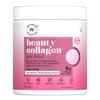 Beauty Collagen Strawberry Watermelon Flavour
₹1,939 – ₹7,196
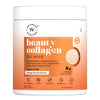 Beauty Korean Marine Collagen Peptides Mango Peach Flavour
₹1,939 – ₹7,196
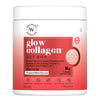 Glow Korean Marine Collagen Peptides with Liposomal Glutathione & Vitamin C | Tropical Bliss Flavour | 250g
₹1,939 – ₹7,196
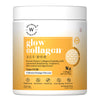 Glow Korean Marine Collagen Peptides with Liposomal Glutathione & Vitamin C | Valencia Orange Flavour | 250g
₹1,939 – ₹7,196
 Pure Korean Marine Collagen Peptides | Unflavored | Combat Signs of Ageing
₹1,745 – ₹6,476
 Slow Advanced N-Acetyl-Cysteine + Glycine Capsules
₹1,357 – ₹2,658